
Can you recycle plastic bags? The truth might surprise you. Most curbside recycling programs in the US do not accept them. In fact, only 11% of Americans can recycle plastic bags at the curb. Many people toss plastic bags into the bin, thinking it helps, but these bags often tangle machines and cause problems at recycling centers. You need to bring clean, empty bags to special store drop-off locations. As a leader in sustainable packaging, BN Pack knows the right way to recycle and helps you avoid these common mistakes.
Can You Recycle Plastic Bags: What You Need to Know
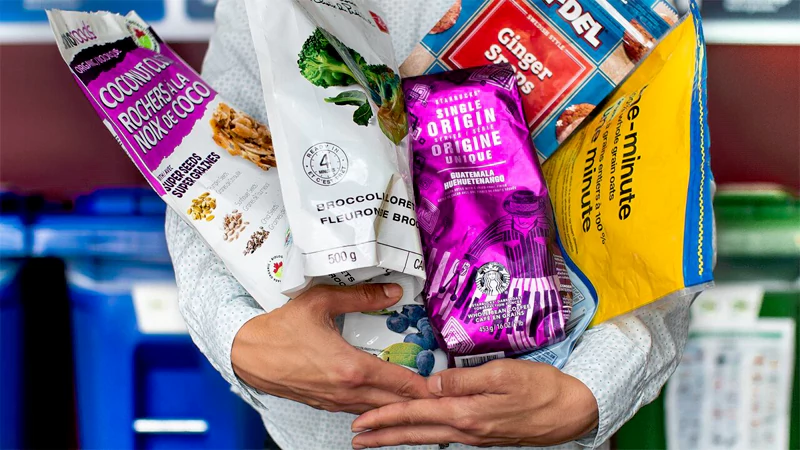
You may ask, can you recycle plastic bags at home? The answer is not just putting them in your blue bin. Many people think recycling plastic bags is easy because they are light and look clean. This idea is not true. Most curbside programs do not take plastic bags. If you want to recycle plastic bags the right way, you need to know why curbside recycling does not work and how store drop-off programs help.
Why Curbside Recycling Doesn’t Work
Let’s answer a common question: can you recycle plastic bags with bottles and cans? The answer is no. Here is why:
Many people think plastic bags are easy to recycle. They are not. These bags often clog machines at recycling centers.
Plastic bags must be very clean, but most are not. Even a little food or dirt can ruin everything.
Here are the main reasons curbside recycling programs do not take plastic bags:
Issue Type | Description |
|---|---|
Operational Challenges | Plastic bags can jam machinery, requiring manual intervention and leading to equipment downtime. |
Safety Hazards | Workers face unsafe conditions due to the tangling of plastic bags in sorting equipment. |
Contamination of Materials | Plastic bags can contaminate other recyclables, reducing their value and potentially rendering them trash. |
Plastic bags cause many problems at recycling centers. They get stuck in machines and can make them break. Sometimes, these bags even start fires if they get pulled into motors. When plastic bags mix with other recyclables, they lower the quality and value of everything. This means your good intentions could send more waste to the landfill.
Tip: Never put plastic bags in your curbside bin. This helps your local recycling center work better.
Store Drop-Off Programs Explained
So, can you recycle plastic bags at all? Yes, you can, but not at the curb. You need to use special drop-off bins, usually at grocery stores. These programs make it easy to recycle plastic bags and other flexible plastics.
One big program in North America is NexTrex. Here is what you should know:
Feature | Details |
|---|---|
Program Name | NexTrex |
Materials Accepted | Grocery bags, produce bags, sandwich bags, case overwrap, plastic wrap, newspaper sleeves, etc. |
Number of Drop-off Locations | Approximately 10,000 across all 50 states, including Alaska and Hawaii. |
Purpose | To provide a responsible way to recycle flexible plastic waste. |
Impact | Reclaims and repurposes over 300 million pounds of plastic annually. |
You can bring many types of clean, dry plastic to these bins. This includes plastic shopping bags, bread bags, dry cleaning bags, bubble wrap, and flexible plastic overwrap. Make sure everything is clean and dry. Dirty items can ruin the whole batch.
Here is how you can recycle plastic bags at a drop-off program:
Collect your plastics at home. Make sure they are clean and dry.
Find a drop-off spot at your grocery store or big retailer.
Put your plastics in the collection bin. You do not need to sort more.
The collected plastics go to special recycling centers and become new products.
BN Pack follows industry rules for plastic bag recycling. Recycling keeps plastic out of oceans and landfills and creates jobs. The Environmental Protection Agency says local rules matter, so always check your area’s rules. Most supermarkets and big stores have drop-off bins for single-use bags. This is now a normal practice in the industry.
Learning about recycling helps everyone do better. When you know the right way to recycle, you keep more plastic out of landfills. Communities with good recycling education see better results and less contamination.
So, can you recycle plastic bags? Yes, but you must use the right method. Bring them to a drop-off location, not your curbside bin. This small change helps the environment and your community.
How to Recycle Plastic Bags Properly
Identifying LDPE 4 and Other Symbols
Before you recycle plastic bags, you need to check what type of plastic you have. Most store drop-off programs accept bags made from LDPE, which stands for low-density polyethylene. You can spot these bags by looking for the #4 symbol, usually found on the bottom or side of the bag. Here’s a quick guide to help you:
Symbol | Type of Plastic | Common Uses | Recyclable? |
|---|---|---|---|
#2 | Grocery bags, milk jugs, some shopping bags | Yes, at drop-off | |
#4 | Plastic shopping bags, bread bags, dry cleaning bags, sandwich bags, stretch film | Yes, at drop-off |
You’ll often see the #4 symbol on plastic shopping bags, bread bags, and even some dry cleaning bags. If you don’t see a #2 or #4 symbol, it’s best to reuse the bag at home before throwing it away. Not all plastics are safe for plastic bag recycling, so checking the symbol is important.
Cleaning and Preparing Bags for Drop-Off
Getting your bags ready for drop-off is simple, but you need to follow a few steps to make sure your recycling efforts count. Here’s what you should do:
Remove everything inside the bags—receipts, stickers, crumbs, or any other items. Even small bits can ruin a whole batch of recycling.
Make sure the bags are clean and dry. If a bag is wet, let it air dry before adding it to your collection.
Check for the #2 or #4 symbol. Only these types go in drop-off bag collections.
Keep a bag collection bin at home. You can use one big garbage bag to store all your plastic bags. They squish down, so you can fit a lot!
When you have enough, take your bags to a store drop-off location. Most grocery stores have a bin near the entrance.
Tip: Remove any tape, labels, or staples from your bags before recycling. This helps keep the recycling stream clean.
By following these steps, you help make plastic bag recycling work better for everyone. You keep plastic out of landfills and support a cleaner environment.
Plastic Bag Recycling Process and Closed-Loop Systems
What Happens After Drop-Off
Have you ever thought about what happens to plastic bags after you put them in a drop-off bin? The process is pretty cool and not boring at all. Here’s how recycling works:
You gather clean, dry bags and bring them to a drop-off spot.
Workers pick up the bags and send them to a recycling center.
Machines sort the bags and take out things that don’t belong.
The bags are washed to remove dirt and food.
Then, the bags are cut into tiny pieces.
These pieces are melted and made into small pellets.
Factories use the pellets to make new things like benches, decks, or new bags.
This keeps plastic bags out of landfills and lets them be used again. When you use a drop-off bin, you help make sure your bags get recycled.
Benefits of Closed-Loop Recycling
Closed-loop recycling means old plastic bags become new ones or similar items over and over. This system helps the environment a lot. Let’s look at how it is different from regular recycling:
Aspect | Closed-Loop Recycling | Traditional Recycling |
|---|---|---|
Product Identity | Makes the same products as before | Makes different products |
Waste Input Quality | Needs good quality waste | Takes many types of waste |
Environmental Impact | Lowers harm to the environment | Can lead to lower quality recycling |
Closed-loop recycling is good for the planet in many ways:
Benefit | Description |
|---|---|
Reduced Landfill Waste | Using materials again means less trash in landfills and less pollution. |
Conservation of Natural Resources | Saves water, oil, wood, and minerals, so nature is protected. |
Lower Carbon Emissions | Making things from recycled stuff uses less energy and makes less pollution. |
Protection of Marine Life | Stops small plastic pieces from getting into oceans and hurting sea animals. |
You help this system every time you use a drop-off bin. In the last ten years, more stores in the U.S. have added drop-off bins. In Europe, recycling is growing and people use fewer bags. When you recycle, you help keep the earth clean and safe for the future.
BN Pack’s Sustainable Solutions for Plastic Bag Recycling
BN Pack Eco-Friendly Pouches and Materials
You want packaging that is good for your product and the earth. BN Pack gives you both choices. You can pick from many eco-friendly pouches and bags. These choices help you recycle more and make less trash. BN Pack uses materials that are safe for food, strong, and simple to recycle. Here is a quick look at what you get:
Material Type | Description |
|---|---|
Recyclable Mono-materials | PE or PP pouches that fit into most recycling streams. |
Compostable Bio-plastics | PLA and PBAT bags that break down in composting environments. |
Kraft Paper | Sourced from responsible forests with bio-based linings for extra strength. |
You can trust BN Pack because it has many important certificates. These show your packaging is safe and good for the planet.
Certification Name |
|---|
ISO Certification |
Recyclability of Packaging Certification |
OK COMPOST HOME Certificate |
FSC Certification |
Biodegradable Bags Certificate From OWS |
BRC Global Standard for Food Safety |
EU EVOH PE Food Grade Certificate |
FDA Certification |
Child Resistant Packaging Bag |
Tip: If you use a bag collection bin at home or work, you make recycling easier and keep things neat.
Case Studies: BN Pack’s Global Impact
You might wonder how BN Pack’s ideas work in real life. Many big brands trust BN Pack for their packaging. For example, BN Pack gives custom pouches to top stores and food companies in over 100 countries. These pouches hold heavy things and keep food fresh.
Here are some technical highlights:
Metric | Description |
|---|---|
Load Capacity | Plastic returnable packaging carries more weight per unit than wood. |
Recyclability Rate | PET non-bottle rigid packaging must reach at least a 50% recycling rate. |
Durability | Plastic pouches resist moisture and impacts, so your products stay safe. |
You help the earth when you pick BN Pack. The company’s recycling-friendly designs and strong certificates make it easy for you to reach your green goals.
Next Steps for Responsible Recycling
Request a Packaging Audit from BN Pack
Ready to make your packaging more eco-friendly? You can start by requesting a packaging audit from BN Pack. This audit helps you see where you stand and what you can improve. BN Pack’s experts look at your current packaging and give you clear advice. You get tips on how to switch to recyclable or compostable materials. You also learn how to reduce waste and boost your brand’s green image.
Want to take action? Reach out to BN Pack’s team through their website. You’ll get a custom plan that fits your products and your goals. You can join the movement for a cleaner planet and show your customers you care.
Tips for Retailers and Brands
You can make a big difference in plastic bag recycling. Here are some simple tips for retailers:
Teach your customers about recycling on your website and social media.
Get your custodial staff involved from the start so everyone knows the plan.
Place recycling bins next to every trash can to make it easy.
Use signs with pictures to show what goes where.
Cut down on extra packaging in your daily work.
Brands can also step up their recycling game. Check out these smart strategies:
Strategy | Description |
|---|---|
Collaboration with Task Force | Work with groups like the Packaging Recyclability Advancement Task Force to improve recycling beyond design. |
Utilize Industry Tools | Use tools like How2Recycle® and The Recycling Partnership’s Pathway to Circularity to check your packaging. |
Engage in Take-back Programs | Start programs that let customers return used packaging for recycling. |
You can also talk openly about your plastic waste efforts. This builds trust and loyalty with your customers. If you use government programs to cut waste, you can even save money. When you make recycling part of your business, you help the planet and your brand.
You can help the planet by recycling plastic bags the right way. First, wash your bags and take out any leftover stuff. Next, sort out plastics with the numbers 2 and 4. Then, check which bags you can recycle. After that, look for store bins near you. Tell your friends and family what you learned. Picking certified, green packaging is good for nature. These choices make less trash and help more things get recycled. They also stop bad chemicals from touching your food. BN Pack has options that make recycling easy and help you protect the earth.