Quick Answer: How Long Does Flour Last in Mylar Bags?
How long does flour last in mylar bags? White flour sealed in a proper mylar bag with oxygen absorbers stays at baking quality for 10 years and remains safe to eat for 20-plus years, versus 8–12 months in a paper bag and about 1 year in a sealed plastic bucket alone. Whole wheat is the exception: its germ oils go rancid within 5–10 years even in mylar, so freeze what you bake with weekly. The exact answer to how long does flour last in mylar bags depends on three things — fat content of the flour, residual oxygen in the seal, and storage temperature — and the chart below shows the realistic timeline for each flour type.
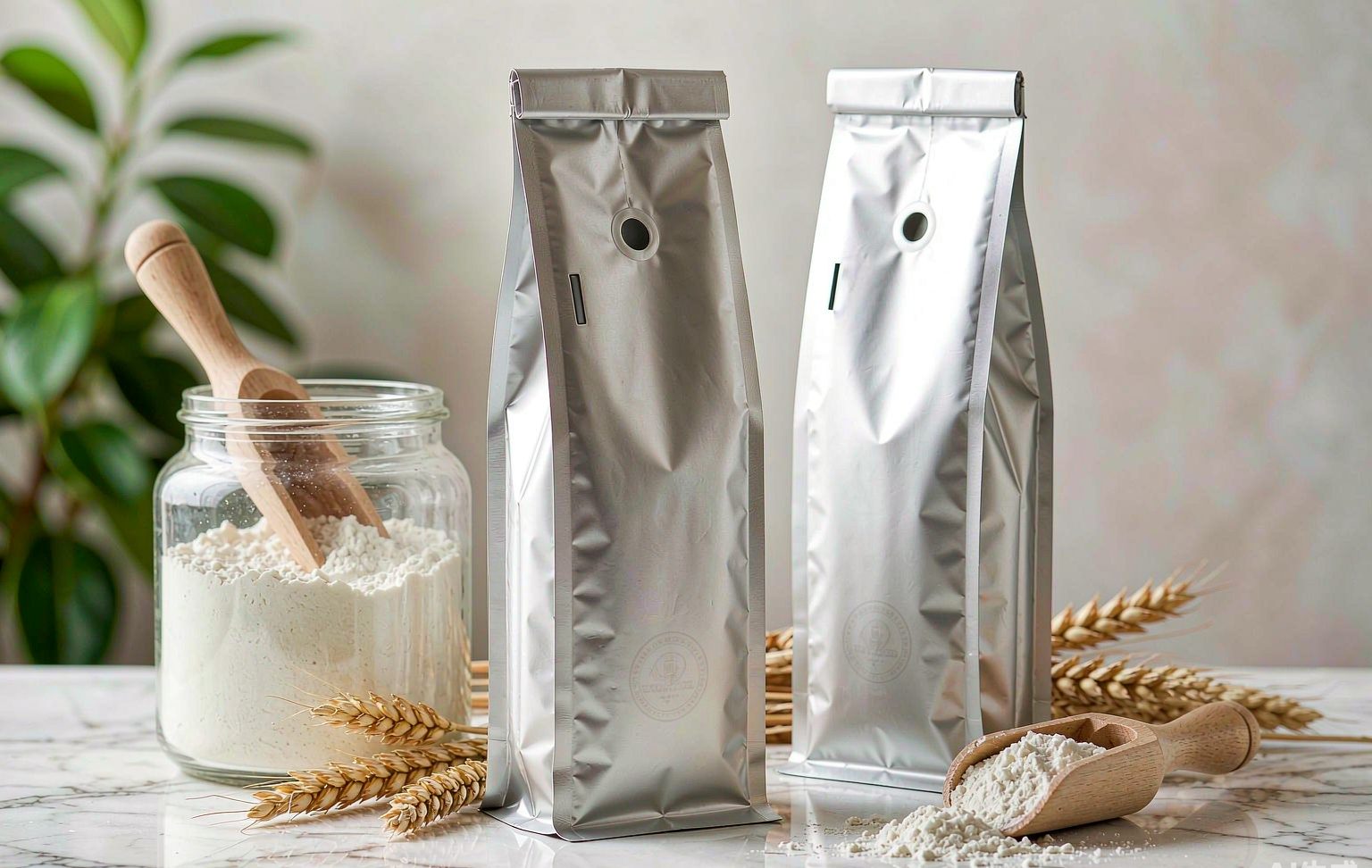
| Flour type | Pantry (paper bag) | Sealed bucket | Mylar + oxygen absorbers |
|---|---|---|---|
| White all-purpose / bread flour | 8–12 months | 2–3 years | 10 years quality, 20+ safe |
| Whole wheat flour | 3–6 months | 6–12 months | 5–10 years (oils go rancid) |
| Self-rising flour | 6–8 months | 1–2 years | 5+ years (leavening fades) |
| Gluten / starch-only flours | 1 year | 3 years | 15–20+ years |
| Almond and nut flours | 2–3 months | 6 months | Freeze instead — oils spoil fast |
So how long does flour last in mylar bags in practice? For white flour, plan around a decade — and the seven rules below are what make the chart numbers real.
In this guide:
- Why mylar works for flour
- 7 best rules for storing flour in mylar bags
- How to tell if stored flour has gone bad
- Common mistakes to avoid
- FAQ
Why Mylar Bags Work So Well for Flour
Flour does not spoil the way meat does; it degrades through oxidation and moisture. The oils in wheat germ react with oxygen and turn rancid, and ambient humidity clumps the starch and feeds mold. A mylar bag — metallized PET laminated to a polyethylene liner — blocks essentially all light and transmits oxygen at a tiny fraction of the rate of plastic buckets or food-grade bins. That barrier is the entire reason how long does flour last in mylar bags has a ten-year answer instead of a one-year one.
The second half of the system is the oxygen absorber. Sealed alone, a mylar bag still traps about 20% oxygen in the headspace; a properly sized iron-packet absorber drops that below 0.1%, stopping oxidation cold and killing any adult insect pests or larvae hiding in the flour — a flour moth egg needs oxygen to hatch, and a sealed low-oxygen bag removes that option within days. Our guide to how many oxygen absorbers per mylar bag covers the sizing math, and how to seal mylar bags covers the sealing technique.
Temperature sets the ceiling: every 10°C drop roughly doubles shelf life, which is why the same bag lasts longer in a 15°C basement than a 25°C cupboard — and why the honest answer to how long does flour last in mylar bags is always a range, not a single date.
7 Best Rules for Storing Flour in Mylar Bags
These rules decide how long does flour last in mylar bags in your pantry — each closes a specific gap between a 10-year bag and one that fails at year two.
- Rule 1 — Choose white flour for long-term, freeze whole wheat for daily use. If you are planning around how long does flour last in mylar bags, start by splitting your stock: white and sifted flours for the mylar reserve, whole wheat and nut flours in the freezer where rancidity is not a countdown.
- Rule 2 — Use 5–7 mil mylar, not thin display bags. Thickness is what makes the oxygen barrier survive years of handling; our reference on standard mylar bag thicknesses explains why the sweet spot for long-term food is 5 mil and above.
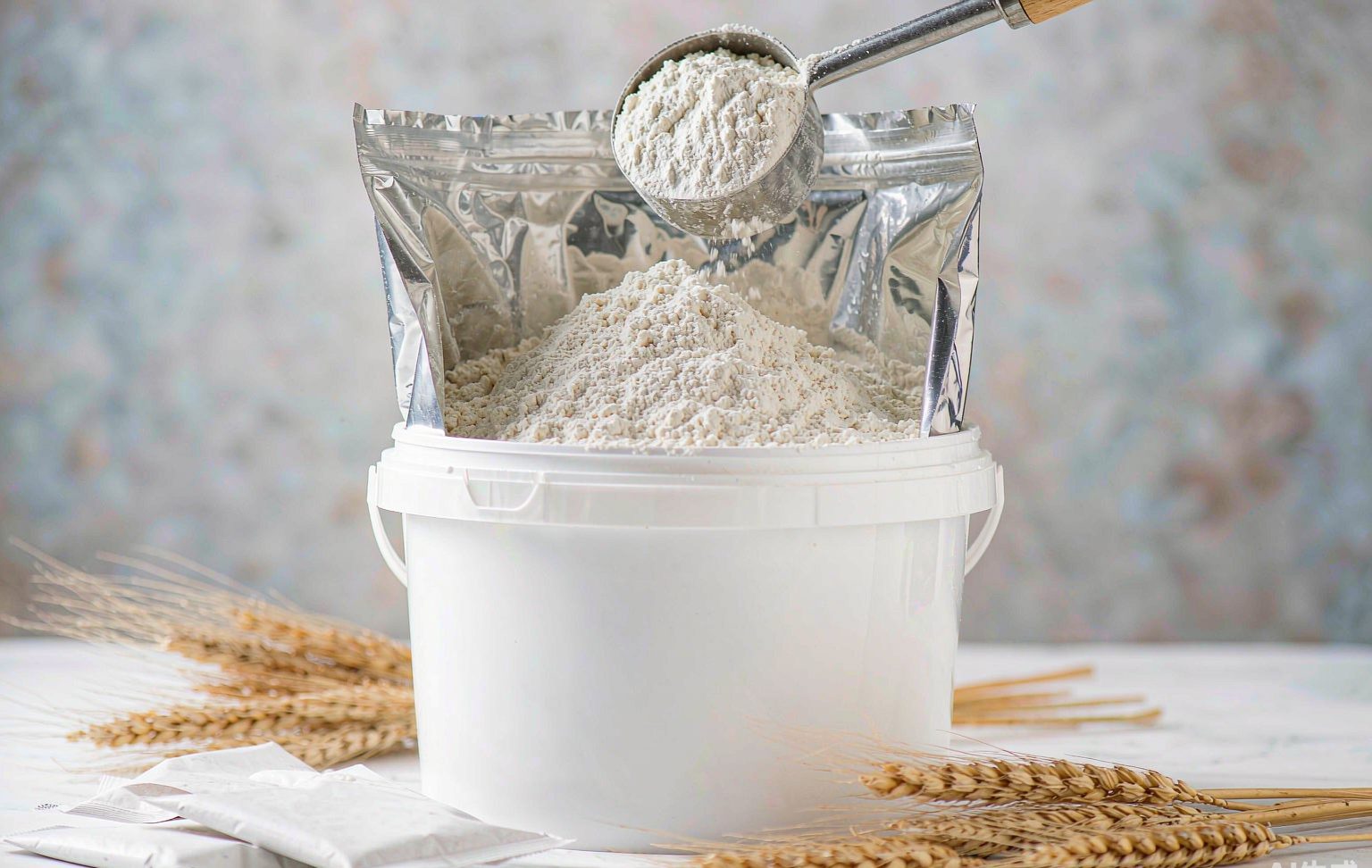
- Rule 3 — Add one 2000cc oxygen absorber per 5–6 kg of flour. Flour is dense and low-fat, so how long does flour last in mylar bags depends directly on absorber sizing; a 5-gallon liner takes one 2000cc packet, a 1-gallon bag takes 300–500cc. Drop the packet in fast and seal within 20–30 minutes, because absorbers spend their capacity fast in open air.
- Rule 4 — Fill to 80–90% and press out the big air pockets. You need the film to sit flat against the seal bars, but flour compresses, so leave room for the bag to shrink slightly as the absorber pulls a partial vacuum in the first hours.
- Rule 5 — Seal with a hot iron or impulse sealer on a flat board. A 2.5–5 cm double seal across clean, flour-free film is the standard. Run the iron twice, pinch-test the edge, and wipe any flour dust off the seal line before the second pass.
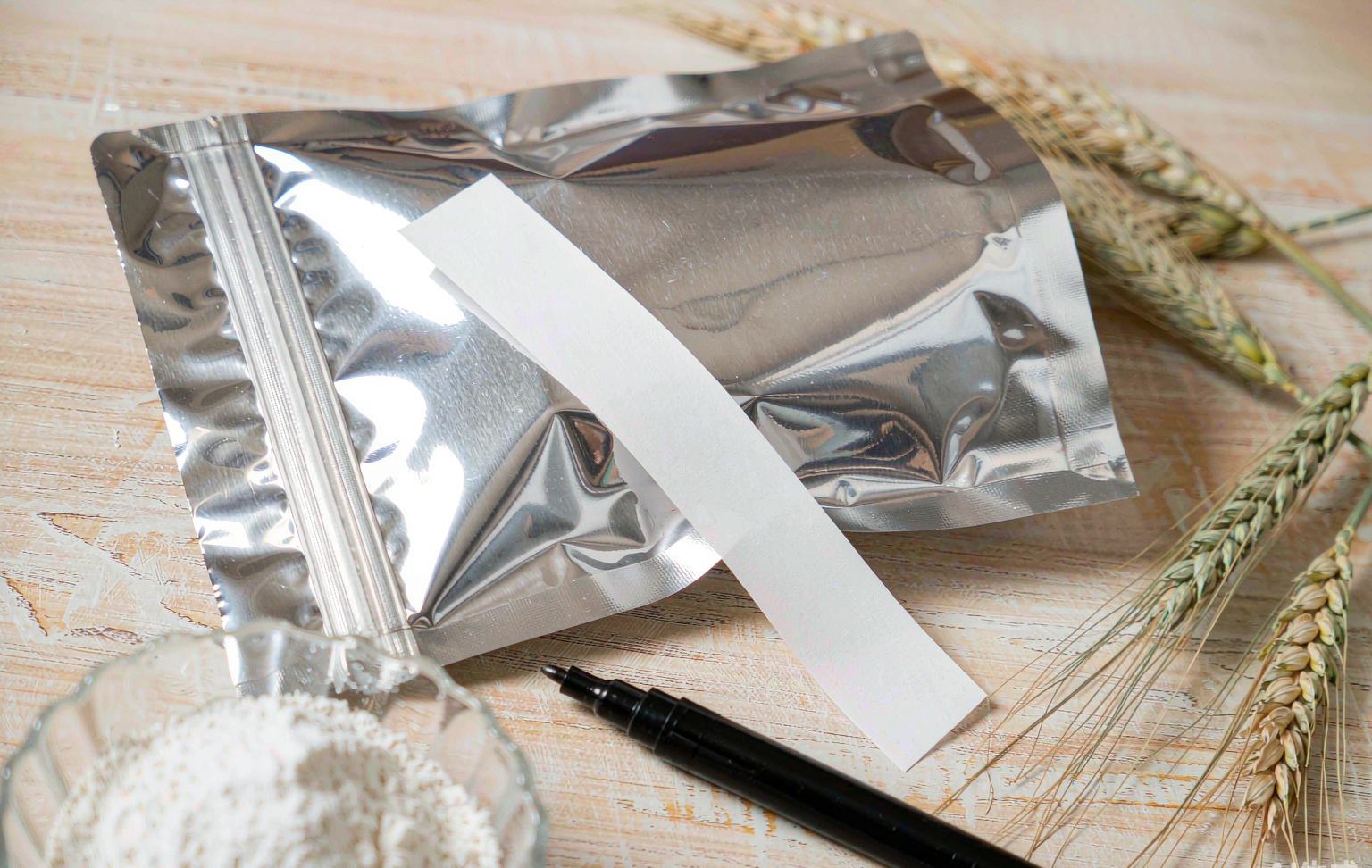
- Rule 6 — Label contents and pack date before sealing. Every mylar bag of white powder looks identical at year three, so write flour type, pack date, and absorber size on the film before sealing.
- Rule 7 — Check the seal at 24 hours. A properly sealed bag should feel firm and slightly brick-like as the absorber pulls vacuum. A soft, puffy bag means the seal is leaking, and it resets how long does flour last in mylar bags to zero — re-do it now. The same check applies to the grains and legumes in our guides on how long rice lasts in mylar bags and how long beans last in mylar bags.
How to Tell if Stored Flour Has Gone Bad
Rancid flour announces itself by smell: a sharp, sour, crayon-like odor that fresh flour never has. Oxidized oils do not make flour dangerous in the way mold toxins can, but baked goods from rancid flour taste bitter, and the nutrition value of the germ oils is gone. If the flour smells like fresh paste or nothing at all, it is still good; if it smells like old nuts or paint, retire it.
Moisture is the other failure mode. Clumping a fork will not break, discoloration, or a musty smell means humidity got in and mold may have followed — discard the bag. These sensory checks matter because the honest answer to how long does flour last in mylar bags is a quality answer, not just a safety one: most failures are flavor failures, and your nose is the test kit.
Common Mistakes When Storing Flour in Mylar
Every mistake on this list shortens how long does flour last in mylar bags — usually before you ever notice it.
| Mistake | What happens | Fix |
|---|---|---|
| Using thin 2–3 mil bags | Oxygen creeps back in within a year or two | Use 5–7 mil mylar for storage |
| No oxygen absorber | 20% trapped oxygen keeps oxidation running | Size absorbers to bag volume |
| Flour on the seal line | Channel leak, soft bag within a week | Wipe zone clean, double seal |
| Storing mylar on concrete or hot shelves | Moisture wicking and heat-driven rancidity | Store on shelving, cool and dark |
| Packing whole wheat for 20 years | Oils go rancid regardless of packaging | Freeze whole wheat, mylar white flour |
Every fix here is free or nearly free — technique, not budget, separates a failed bag from a 10-year bag, the same lesson our comparisons of how long sugar lasts in mylar bags and how long oats last in mylar bags keep confirming.
FAQ: How Long Does Flour Last in Mylar Bags?
How long does flour last in mylar bags without oxygen absorbers?
Expect roughly 3–5 years of quality from white flour in a well-sealed 5 mil bag even with no absorber, because the barrier film alone slows oxidation dramatically. But the trapped 20% oxygen keeps degradation running and lets insect eggs hatch, so the absorber is what turns a good result into a 10-year answer to how long does flour last in mylar bags.
Does flour need to be frozen before packing into mylar?
Freezing for 48 hours is an optional kill step for weevil eggs if you skip oxygen absorbers, but with a working absorber the low-oxygen environment handles pests. Freezing also introduces condensation risk, so if you freeze first, let the flour return to room temperature fully sealed and dry before bagging.
Can you store flour in mylar bags inside a 5-gallon bucket?
Yes, and it is the standard long-term setup: a liner bag inside a food-grade bucket with a lidded top. The bucket protects the mylar from rodents and punctures, and the mylar does the oxygen and moisture barrier work the bucket cannot do alone.
What size mylar bag holds how much flour?
A 1-gallon mylar bag holds about 2.2–2.7 kg of flour, and a 5-gallon liner holds 18–20 kg. Smaller bags are smarter for rotation, because every opening re-introduces air and resets how long does flour last in mylar bags for what remains.
Is 20-year-old mylar-packed flour actually safe to eat?
If the seal held, the absorber worked, and the bag smells neutral when opened, white flour stored this way is considered safe to eat — leavening and gluten performance decline gradually, so old flour is best for flatbreads and thickening. Any off smell or clumping overrides the calendar.
The Bottom Line on Flour in Mylar Bags
How long does flour last in mylar bags? For white flour: 10 years at baking quality and 20-plus years safe, provided you use 5–7 mil film, one correctly sized oxygen absorber per bag, a clean double seal, and a cool dark storage spot.
Whole wheat trades that timeline down to 5–10 years because of its germ oils, so freeze what you bake with weekly and mylar-pack what you hold in reserve. Master the seven rules above and the flour question stops being a worry — the next question is usually the grains beside it, starting with how long rice lasts in mylar bags in the same storage system, alongside the flour types and milling basics that explain why fat content drives every timeline on this page.