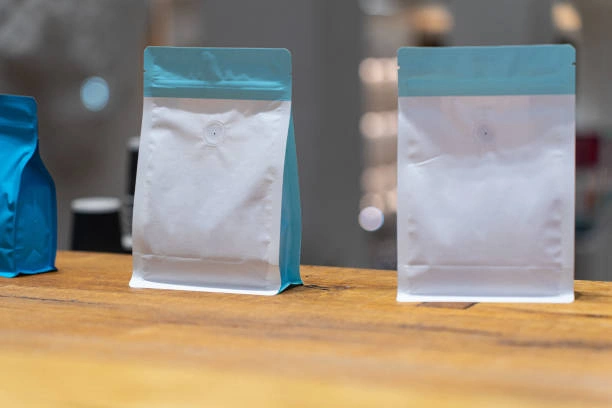
You can expect a PLA coffee bag to break down in an industrial composting facility in 90 to 180 days. This happens when the temperature is above 55°C and there is high humidity. PLA is made from renewable resources. It needs these special facilities to fully break down. Throwing it away the right way helps lower harm to the environment. It also keeps the environment safe. BN PACK gives sustainable coffee bag options. These support your eco-friendly choices.
What Is PLA in Coffee Bags

Polylactic Acid Explained
Many coffee bags today use PLA. PLA means polylactic acid. This bioplastic comes from things like corn starch and sugarcane. People make PLA by turning plant sugars into a new material. They do this by fermenting the sugars and then joining them together. The chemical structure of polylactic acid is a thermoplastic polyester. It is made from repeating lactic acid units. This lets PLA be shaped like regular plastic. PLA is different from plastics made from oil. It can break down and become compost. When you pick coffee bags made from bioplastics like polylactic acid, you help the planet.
Coffee leftovers, like coffee parchment, can also be used to make packaging. This makes PLA even better for the environment.
Why PLA Needs Industrial Composting
PLA is a compostable bioplastic, but it needs special places to break down. You must send PLA coffee bags to industrial composting centers. These places keep the temperature above 55°C and have high humidity. Microbes work best when it is hot and humid. Home composting does not get hot or wet enough. If you throw PLA in the trash, it will not break down fast. You help the environment when you throw away PLA coffee bags the right way.
BN PACK’s PLA Coffee Bag Materials
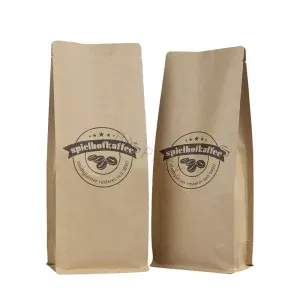
BN PACK makes coffee bags from PLA and other eco-friendly materials. You can pick different designs and sizes. BN PACK uses bioplastics and compostable choices to keep your coffee safe and help the earth. The company’s coffee bags keep your beans fresh and help cut down on waste. You get packaging that is good for your product and the planet.
PLA Coffee Bag Decomposition Process
Industrial Composting Conditions
PLA coffee bags need a special place to break down fast. Industrial composting centers make these places. They keep the temperature high and the air moist. Microbes live well in these spots and help break down polylactic acid.
- The temperature stays between 55 and 60 °C. This heat makes composting go faster.
- Humidity is between 50% and 70%. Wet air helps microbes do their job.
- Microbes break down the material. They turn it into water, carbon dioxide, and compost.
You cannot get these conditions at home. Home compost piles are not hot or wet enough. Industrial centers use machines to keep things steady. This helps your PLA coffee bag break down better.
Tip: To make your PLA coffee bag degrade quickly, send it to an industrial composting center.
Factors Affecting Breakdown Speed
How fast PLA breaks down depends on many things. Composting tests show different results. The speed changes with the environment and the bag’s features.
- High heat and humidity make PLA break down faster.
- Microbes work more when conditions are just right.
- The thickness and size of the bag matter for breakdown speed.
- Composting centers with good machines process materials better.
Using a PLA coffee bag helps the earth. You support composting and cut down on waste. You also pick packaging that breaks down better.
Risks of Improper Disposal
If you throw your PLA coffee bag in the trash or home compost, you can hurt the planet. Landfills and home compost piles do not have the right conditions for PLA to break down. This causes problems.
| Environmental Risk | Description |
|---|---|
| Incomplete Decomposition | Compostable bags may not break down well in landfills because there is not enough air. |
| Methane Emissions | If bags do not break down, they can make methane, which is a strong greenhouse gas. |
| Contamination of Waste Streams | Mixing compostable bags with regular trash can mess up recycling and waste management. |
| Aspect | Detail |
|---|---|
| Degradation Rate | It takes 3 to 5 years, depending on the bag. |
| Environmental Conditions | Breakdown speed changes in different places. |
| Marine Environment | PLA does not break down well in water, like regular plastics. |
| Impact on Biodiversity | Bad disposal can hurt sea animals and cause build-up in nature. |
- Bioplastics like PLA need industrial composting to break down.
- Many cities do not have the right places for proper disposal.
- If PLA goes to landfills, it can make methane, which is bad for the air.
You must throw away your PLA coffee bag the right way. If you do not, you can cause microplastic pollution and greenhouse gases. You can also hurt sea life and mess up waste systems. Picking compostable and biodegradable packaging helps keep the planet safe.
Real-World Degradation Data
Studies on PLA Coffee Bag Breakdown
Recent studies help us learn about PLA coffee bags. Scientists at Wageningen University & Research did some tests. They checked how well PLA breaks down in industrial composting. They found that EN13432 certified packaging, like PLA coffee bags, breaks down well. Some things, such as PLA tea bags, broke apart in only 22 days. This means compostable packaging works with today’s waste treatment. Industrial composting can break down PLA and other materials fast.
Note: Compostable products must follow strict rules. This makes sure they break down safely and work with organic waste.
Typical Timeframes in Facilities
You might wonder how long it takes for a PLA coffee bag to break down. Most companies say it takes two to six months. Special composting places can break down PLA in about 180 days. Some types, like cPLA, finish in two to four months. The process turns PLA into carbon dioxide and water. Sometimes, it can take up to two years. This depends on the composting conditions.
| Factor | Description |
|---|---|
| Temperature | High heat (55-60°C) makes PLA break down faster. |
| Humidity | The right amount of moisture helps microbes do their job. |
| Oxygen Supply | Air helps PLA break down more quickly. |
| Microbial Species | Different microbes change how fast things degrade. |
| Material Form and Thickness | Thin bags break down faster than thick ones. |
| Additives and Coatings | Some extras can slow down the breakdown. |
| Chemical Structure | Simple polymers like PLA break down easier than regular plastics. |
You can see that many things affect how fast PLA breaks down. Industrial composting centers make the best place for PLA to break down quickly.
Sustainable Packaging and Environmental Impact
PLA vs. Conventional Plastics
There are big differences between a PLA coffee bag and a regular plastic bag. PLA is made from plants. Regular plastic comes from fossil fuels. Making PLA uses less energy. It also makes less carbon dioxide. The table below shows how compostable PLA and regular plastic are different in packaging:
| Aspect | Compostable PLA | Conventional Plastic |
|---|---|---|
| Carbon Footprint | Low | Higher |
| Origin | Plant-based | Fossil fuel-based |
PLA coffee bags break down in composting centers. They do not leave behind harmful stuff. Regular plastics stay in nature for a long time. They can pollute and hurt the economy.
PLA vs. Other Bioplastics
Bioplastics are better for the earth than regular plastics. PLA is a common bioplastic used for packaging. Other bioplastics are PBAT and PHA. Bioplastics come from things that grow back, like plants. They help make a circle where things get reused. PLA coffee bags break down faster than some other bioplastics. Composting turns them into good things for soil. Bioplastics help the planet and support green ideas.
- Bioplastics use less energy to make.
- They make less greenhouse gas.
- They help keep nature safe.
End-of-Life and Sustainability
You are important in how packaging affects the earth. PLA coffee bags need to be composted the right way. This helps them break down all the way. When you put them in an industrial compost, they turn into safe things. This helps make a circle where nothing is wasted. BN PACK follows strong rules for being green. The company has awards like TUV OK Home, BPI, and ABA. These show BN PACK’s bags break down and are safe for compost. You help the earth when you pick green packaging.
Tip: Pick packaging with green labels to help the planet.
Choosing and Disposing of PLA Coffee Bags

How to Dispose of PLA Coffee Bags
You help make sure PLA coffee bags go to the right place. First, check your city’s composting rules. Some cities take bioplastics like PLA, but some do not. If you cannot use industrial composting, try home composting. Cut the bag into small pieces to help it break down faster. Home composting may not get hot enough for quick breakdown. Always keep PLA coffee bags away from regular recycling. Mixing them can mess up recycling and slow it down.
Steps for Proper Disposal:
- Look at your local composting rules to see if PLA is allowed.
- If you cannot use industrial composting, try home composting and cut the bag into small pieces.
- Keep PLA coffee bags apart from regular recyclables.
Tip: Throwing away PLA coffee bags the right way helps the planet and cuts down on waste.
What to Look for in Sustainable Coffee Packaging
When picking coffee packaging, check for clear labels about sustainability. Labels should tell you what materials are used and how to throw them away. Certifications like ISO or compostable marks help you trust the packaging. QR codes on the package can give you more details about recycling and being green. See if the company checks the environmental impact with life cycle assessment. This helps you pick packaging that fits into a circular system and supports green choices.
| Criteria | Why It Matters |
|---|---|
| Clear labeling | Lets you know what materials are used and how to throw them away |
| Certifications | Shows the packaging is really sustainable |
| QR codes | Gives you more information |
| Life cycle assessment | Shows how the packaging affects the earth |
BN PACK’s Eco-Friendly Coffee Bag Solutions
BN PACK makes coffee bags from recyclable and biodegradable materials. These bags meet strict food safety and ISO rules. They help cut down on waste and keep the environment clean. BN PACK designs bags to be easy to recycle and good for the earth. You can pick options that fit into a circular economy and support green goals. BN PACK’s coffee bags use bioplastics and sustainable materials to help you make eco-friendly choices.
Picking BN PACK means you help the planet and support a circular system for packaging.
PLA coffee bags break down in industrial composting in 90 to 180 days. Pick certified compostable products and throw them away the right way. Many people care about using packaging that is good for the earth. BN PACK helps the planet by using new materials and better recycling systems.
| Strategy | Contribution to Sustainability |
|---|---|
| Eco-friendly materials | Use of recyclable mono-materials and laminates |
| Lightweight packaging | Minimizes waste and emissions |