
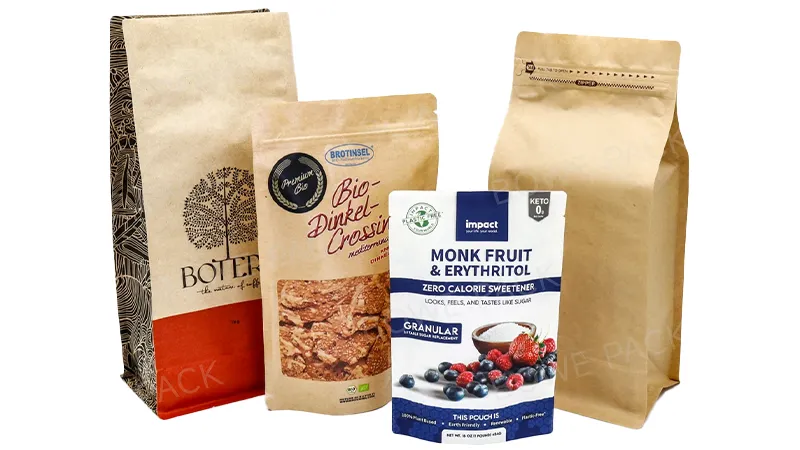
You see more businesses using Biodegradable Bags every year. These bags break down on their own. This helps keep the planet clean. People everywhere want eco-friendly packaging. The market for biodegradable packaging could be USD 531.14 billion by 2025. It could grow to USD 876.05 billion by 2033. The market grows bigger each year. Biodegradable plastic bags and sacks may reach USD 29.76 billion by 2035.
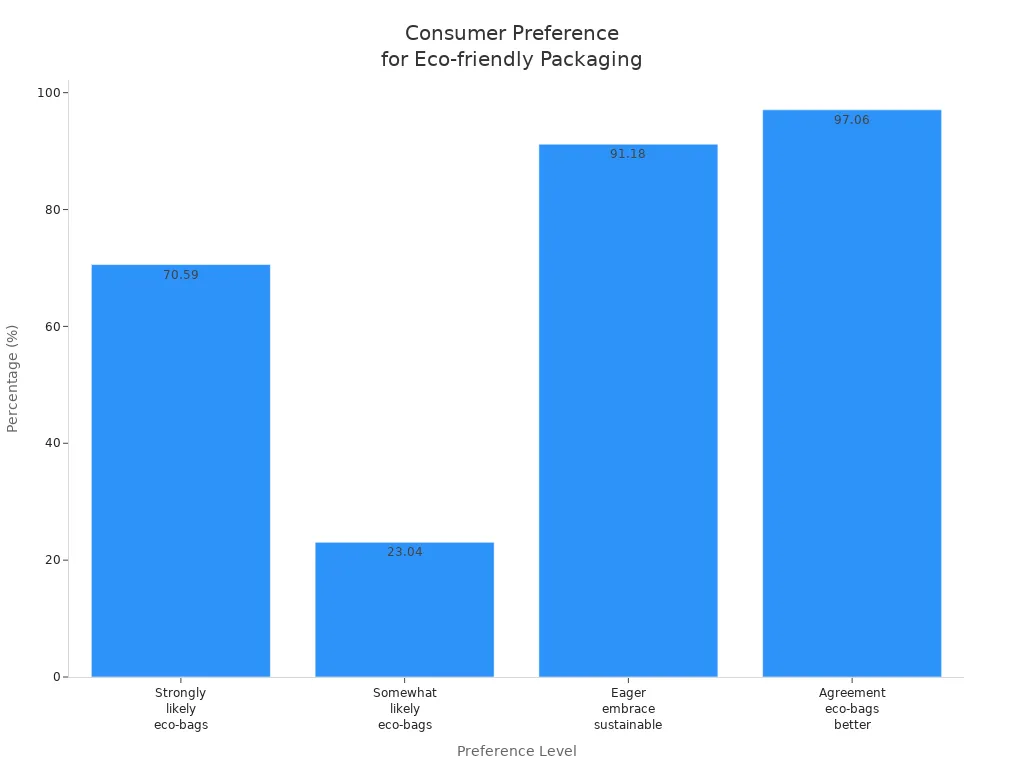
You are not the only one who cares about the environment. Many people think eco-bags are better than plastic. Companies like BN PACK now have advanced solutions. This makes it easier for you to pick products that help the earth.
Biodegradable Bags Explained
What Makes A Bag Biodegradable
You might ask what makes a biodegradable bag different from a regular plastic bag. Biodegradable Bags can be broken down by bacteria or other living things. This means these bags will not last forever in the environment. Biodegradable and compostable bags are not the same. Compostable bags need special places to break down, but biodegradable bags can break down outside.
The materials in the bag matter a lot for how fast it breaks down. Many biodegradable bags are made from plants. Some examples are sugarcane bagasse, PLA-coated paper, and cornstarch blends. Each material breaks down at its own speed and affects the earth in different ways. You can look at the table below to see the differences:
| Material | Decomposition Rate | Composting Conditions | Residue Risk |
|---|---|---|---|
| Sugarcane Bagasse | 45–90 days | Home and industrial compost | No toxic residues |
| PLA-Coated Paper | 90–120 days | Industrial compost only | Slow degradation in unmanaged environments |
| Cornstarch Blends | Varies, often not fully compostable | Compost or soil, but synthetic fraction persists | Similar to conventional plastics |
Biodegradable bags may take months or even years to break down in nature. Sometimes, it can take more than a hundred years. How fast a bag breaks down depends on what it is made of and where it is left.
Tip: If you want a bag that breaks down fast, pick one made from sugarcane bagasse or PLA-coated paper. These break down quicker if composted.
How Biodegradation Works
A bag seems to disappear over time, but the process is not simple. Biodegradation happens in steps. First, things like heat, water, and sunlight start to change the bag. This makes it easier for bacteria to stick to the bag.
Here is how it works:
- The bag’s polymer matrix starts to break apart. Heat, water, living things, oxygen, sunlight, or radiation can change the bag’s properties.
- Microorganisms make enzymes. These enzymes break the polymers into smaller pieces called oligomers and monomers.
- Microbes eat these small pieces. They use them for food and energy. They turn them into water, carbon dioxide, and biomass.
The right conditions help this process work better. Humidity, temperature, pH, salt, oxygen, and nutrients all change how fast a bag breaks down. If you compost a bag in a special place, it can break down in about 90 days. In nature, it takes much longer.
Note: Pretreating biodegradable bags, like making them more water-loving with chemicals or biology, helps bacteria stick and makes the bag break down faster.
Biodegradable Bags help cut down on waste and protect the earth. You can pick bags that fit your needs and help keep the planet clean.
Materials And Features
Plant-Based And Compostable Materials
You might ask what makes a bag eco-friendly. Most biodegradable bags use materials from plants. These materials come from things that can grow again. They break down safely in nature. Here are some common plant-based materials:
- Hemp
- Flax
- Nettle
- Starch (from corn, potatoes, or wheat)
- PLA (polylactic acid, made from plant starch or sugar)
- PBAT (a biodegradable polyester)
PLA is a popular material. Makers turn plant starches into sugars. Microbes change these sugars into lactic acid. Lactic acid forms PLA resin. This resin is used to make many biodegradable bags.
PBAT is also important. It makes bags more flexible. Starch gives shape but can break easily. So, it often needs to be changed. These plant-based materials help bags break down faster than regular plastics.
Compostable materials in biodegradable bags have clear benefits. They break down in special places, like big composters. These places keep heat above 55°C and add water. In these spots, bags break down in months. Regular plastics do not break down like this. They stay in nature for hundreds of years and become microplastics. Plant-based bags turn into safe parts of nature. This helps the earth and cuts down pollution.
Tip: Always check if your bag can be composted at home or needs a special facility.
BN PACK Biodegradable Bags
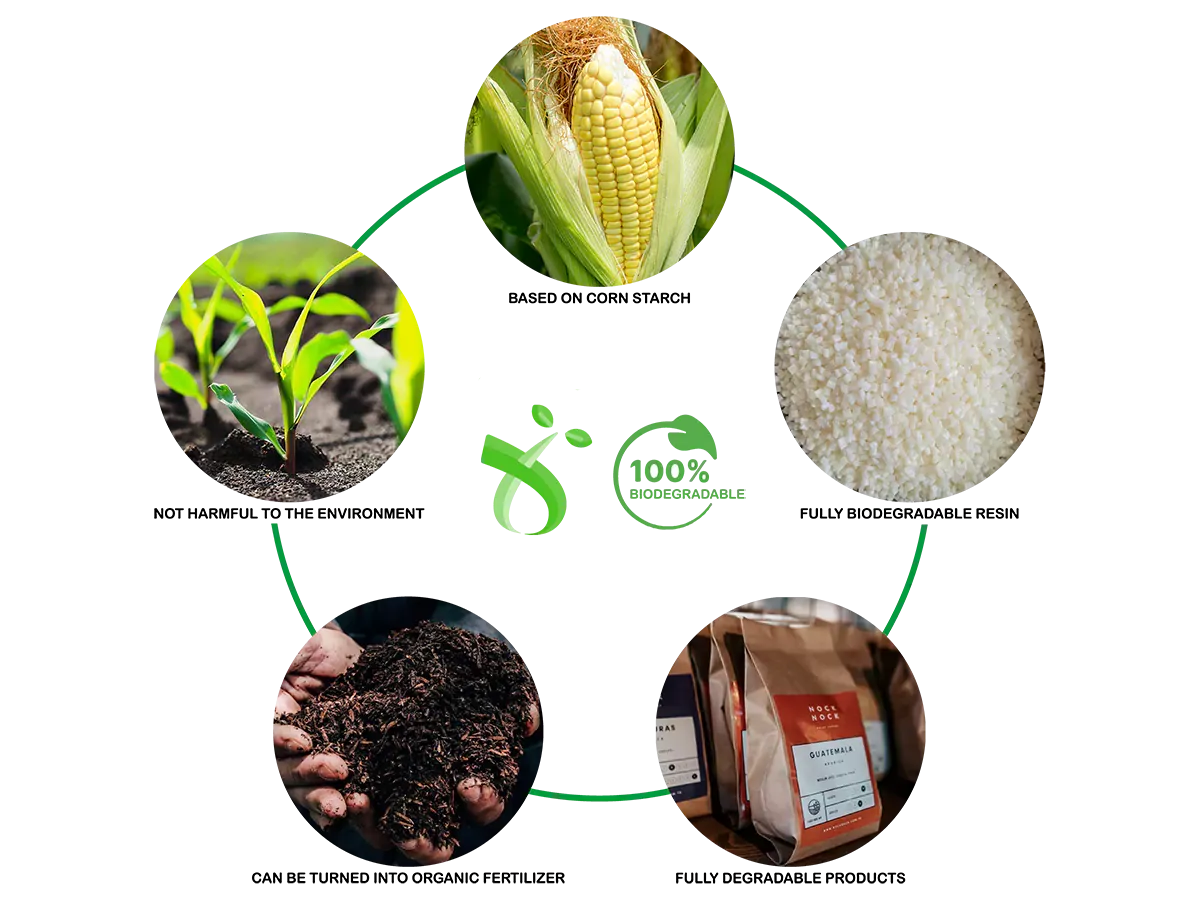
You want packaging that works for your product and the planet. BN PACK makes biodegradable bags with new technology and plant materials. These bags are strong and good for the earth.
BN PACK uses plant starches, PLA, and compostable polymers. These materials help the bags break down in nature. You can pick from many sizes and designs. BN PACK makes bags for food, coffee, clothes, and pet food. You get packaging that fits your needs and helps your brand go green.
BN PACK’s bags are strong and reliable. You can use them for groceries, shipping, or special products. The company works hard to make better packaging. This means less waste and better performance. BN PACK also helps you lower your carbon footprint. Their designs make recycling or composting simple.
Note: BN PACK lets you ask for custom features, sizes, and branding for your biodegradable bags.
Certifications And Standards
You need to know your packaging meets high standards. Certifications show that biodegradable bags are safe for the earth and work as promised. BN PACK has several important certifications:
| Certification Type | Description/Verification |
|---|---|
| ISO Certification | International standard compliance |
| Recyclability of Packaging | Confirms packaging can be recycled |
| OK COMPOST HOME Certificate | Proves home compostability |
| FSC Certification | Ensures responsible sourcing of paper and wood |
| Biodegradable Bags Certificate | Verifies biodegradability (OWS) |
| BPI Certification | Meets ASTM D6400/D6868 for compostability |
BPI certification means BN PACK’s bags pass tough tests. They break down fully in big composting places and leave no bad stuff behind. Other certifications, like OK COMPOST HOME and FSC, show the bags are safe for home composting and come from good sources.
Different places have their own rules. Here is a quick look:
| Region | Certification Standard | Additional Requirements |
|---|---|---|
| Europe | EN 13432 | Third-party certifications and eco-labels |
| North America | ASTM D6400/BPI | EPR system registration and eco-labels |
| Asia | ISO-equivalents | Composter validation and tracking |
You can trust BN PACK’s biodegradable bags to meet world standards. These certifications help you feel safe and show your business cares about the earth.
Environmental Impact
Reducing Plastic Waste
When you pick eco-friendly packaging, you help cut plastic waste. Biodegradable Bags lower the plastic that goes to landfills. Some bags break down in home compost bins. They turn into compost that helps plants grow. Not all biodegradable materials work in home compost. Always check the label before composting.
Here is how fast different items break down:
| Environment Type | Biodegradable Items Degradation Rate | Plastic Items Degradation Rate |
|---|---|---|
| Terrestrial | Faster for most items | Slower |
| Marine | Faster for a few items | Slower |
| Overall | Faster in many situations | Slower |
Biodegradable items usually break down faster than plastic. This happens mostly on land. Less waste piles up in dumps and nature.
Note: Good waste management matters. Composting or disposing of bags the right way gives you the most benefit.
Microplastics And Decomposition
You may think biodegradable means no microplastics. That is not always true. When these bags break down, they can make tiny plastic pieces. These microplastics stay in soil or water for years. Sometimes, they hurt small animals living there.
- Biodegradable microplastics can harm soil animals, especially if the soil is polluted.
- Some biodegradable plastics do not fully break down in nature. They can move to rivers or the air.
- Additives in some bags can build up and harm plants and animals.
- Microplastics from these bags can travel far and pollute places you do not expect.
Even eco-friendly bags need careful use and disposal.
Real-World Effectiveness
You might wonder how well these bags work outside labs. In real places, like estuaries, bags made from PLA, PBAT, and starch break down better than regular plastic bags. Studies show these bags start to break apart after about 45 days. As they break down, they can make small fragments. These fragments may become microplastics if not managed well.
Field tests show bags with starch break down more evenly than others. Still, tiny pieces can be left behind. You help the planet by picking biodegradable options. You also need to dispose of them the right way.
Tip: Always follow local rules for composting and waste. This helps make sure your packaging does not harm the environment.
Biodegradable Vs Compostable Bags

Key Differences
You might see both types of bags in stores, but they are not the same. Compostable bags turn into water, carbon dioxide, and healthy soil. This only happens in the right composting places. Biodegradable Bags also break down, but they can leave tiny plastic pieces called microplastics. These microplastics can hurt nature.
Here is a table that shows the main differences:
| Feature | Compostable Bags | Biodegradable Bags |
|---|---|---|
| Decomposition Time | 90 to 180 days in composting conditions | Months to years, no set time |
| End Products | Safe, healthy soil | May leave plastic bits or chemicals |
| Microplastic Risk | Low if composted properly | Higher, especially in water |
| Material Composition | Plant-based, renewable materials | May include plastic blends |
| Standards and Certifications | Strict, clear standards | Fewer regulations |
| Environmental Impact | Positive, creates compost | Can harm ecosystems |
Compostable bags need special places to break down all the way. If you throw them in the trash, they may not turn into compost. Biodegradable bags can break down outside, but it takes longer and may not finish.
Tip: Compostable bags are better for the earth if you use them the right way.
How To Identify Genuine Bags
You want to be sure your bag is really good for the planet. Some companies use words like “green” or “eco-friendly” without proof. This is called greenwashing. Look for these things to find real compostable or biodegradable bags:
- Check for certifications like BPI, OK Compost, or EN 13432.
- Read the label for clear facts about composting or biodegradability.
- Do not trust bags with only vague words or symbols.
- Watch out for bags that look green but have plastic inside.
- Be careful with claims like “99% biodegradable” or “compostable in special conditions.” These may not work at home.
Note: Real compostable bags have clear certifications and break down into safe, natural stuff. Always check before you buy.
Choosing And Using Biodegradable Bags
What To Look For
You want to find the best bag for your business. Check what the bag is made from. Pick bags with plant-based polymers like PLA or PBAT. These materials break down safely and help the earth. Make sure the bag is strong and does not tear. Look for certifications like ASTM D6400, EN 13432, OK Compost, FSC, and ISO 14001. These prove the bag is biodegradable and made responsibly.
Think about the size and if you can customize it. Choose bags that fit your products and match your brand. Custom printing, handles, closures, and colors make your packaging special. Use eco-friendly inks for printing. Water-based or vegetable inks are safe for composting. Ask your supplier about their green practices. Make sure they help you with disposal and use ethical sources.
Tip: Always check for clear certifications and options to customize before you buy.
Proper Disposal Tips
You need to throw away biodegradable bags the right way. Follow these steps:
- Look for “Home Compostable” on the label.
- Fill the bag with organic waste like fruit peels.
- Tear the bag into small pieces so it breaks down faster.
- Put the bag and waste in your compost pile.
- Mix the compost often.
- Keep the compost moist but not too wet.
- Wait patiently. Certified bags break down in 180 to 360 days.
Never put compostable bags in the recycling bin. Do not toss them in the landfill. Do not mix non-compostable items with your compostable bags. If you throw them away wrong, bags can turn into microplastics that hurt soil and water.
Note: Throwing away bags the right way helps them break down and keeps the earth safe.
Why Choose BN PACK
BN PACK gives you many good reasons to choose their bags. Their Biodegradable Bags use renewable resources and help the planet. You can pick the size, shape, graphics, and materials you need. BN PACK’s bags are strong and reliable. They work for food, coffee, clothes, and pet food. The packaging follows strict rules and helps your business attract eco-friendly customers.
BN PACK cares about the earth. Their packaging uses compostable films and recyclable materials. Smart engineering cuts waste but keeps bags strong. You get solutions that save money and help your brand stand out while protecting the planet.
| Feature | BN PACK Advantage |
|---|---|
| Customization | Size, shape, graphics, materials |
| Eco-Friendly Materials | Biodegradable, compostable, recyclable |
| Durability | Strong, reliable, safe for food contact |
| Compliance | Meets global environmental standards |
| Consumer Appeal | Enhances brand reputation |
Tip: BN PACK helps you follow green trends and reach your sustainability goals.
You help the earth when you pick biodegradable bags. Certified bags, such as BN PACK’s, give lasting benefits. Compostable bags cut down methane and keep soil clean. They break down into compost and help nature. You can also save money by sending less waste to landfills. Cleanup costs go down too.
Check this table to pick good bags:
| Selection Factor | Why It Matters | Best Practices |
|---|---|---|
| Material Type | Changes how fast bags break down | Pick certified blends like PLA, PBAT, or starch |
| Certifications | Shows the bag is eco-friendly | Look for ASTM D6400, EN 13432, or OK Compost |
Go to BN PACK’s website to find green packaging for your business or home.