Quick Answer: how to store powdered milk in mylar bags comes down to seven steps: choose nonfat powder for long-term storage, pack it into a 5-mil or thicker mylar bag, add the right size oxygen absorber, heat-seal the bag airtight, then keep it cool and dark below 70°F (21°C). Packed this way, nonfat powdered milk commonly holds its nutrition for 15 to 20 years, while whole-milk powder should be treated as a 2-to-3-year food because its fat goes rancid.
Nonfat dry milk reconstitutes into real milk for drinking and baking, and it is far more shelf-stable than liquid milk. The problem is that pantries are hard on dairy: oxygen, moisture, light, and heat slowly destroy vitamins and create stale, cardboard off-flavors. That is exactly why the standard answer to how to store powdered milk in mylar bags works: the bag blocks moisture and light, and an oxygen absorber strips the residual oxygen that stales dairy fat and vitamins. This guide walks through the full process, the gear you need, and the mistakes that quietly ruin stored milk powder.
In this guide:
- Why Mylar Bags Work for Milk Powder
- Supplies and Equipment You Need
- How to Store Powdered Milk in Mylar Bags: 7 Steps
- Whole Milk vs Nonfat: Why Fat Content Matters
- 5 Mistakes That Ruin Stored Milk Powder
- FAQ
- The Bottom Line
Why Mylar Bags Work for Milk Powder
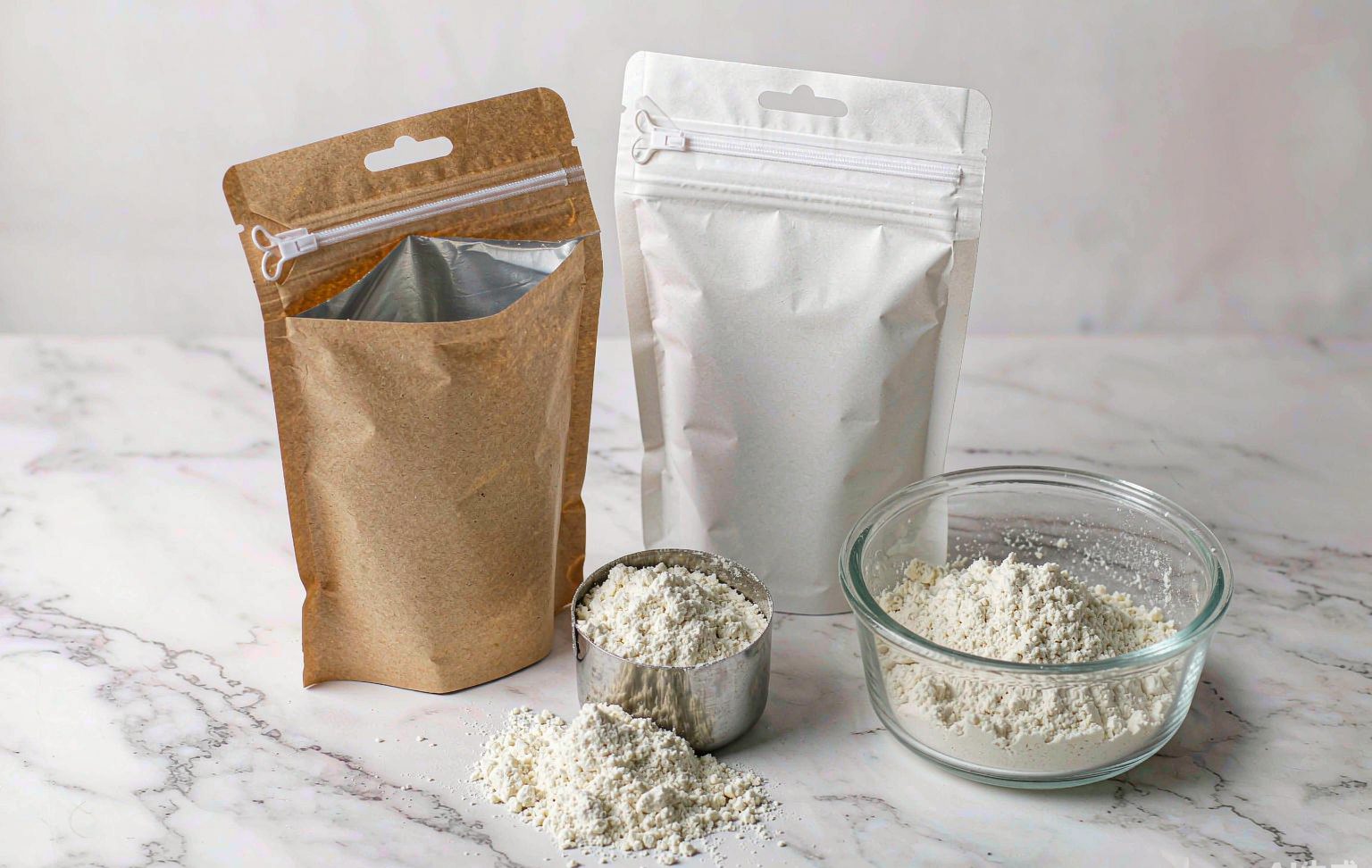
The logic behind how to store powdered milk in mylar bags is simple: remove oxygen and moisture, and dairy powder barely ages. Milk powder is hygroscopic, pulling humidity straight out of pantry air, and above roughly 30 percent relative humidity it cakes and darkens. A metallized mylar bag is a far better oxygen and moisture barrier than a plastic pail liner or zip freezer bag, and paired with an oxygen absorber it drops residual oxygen inside the pack to well under one percent, pausing the staling reactions almost completely. The Wikipedia entry on powdered milk credits spray drying itself for the long ambient life, and packaging simply protects that head start.
In practice, how to store powdered milk in mylar bags safely starts with film quality: the barrier only works if the seal is complete and the film is thick enough to survive handling. Thin bargain film develops pinholes, and one pinhole quietly leaks the whole pack. That is why serious guides specify 5 mil as the minimum and recommend 7 mil for long-term packs. If you want the full background on film gauges, our explainer on what mil thickness means breaks down the measurements.
Supplies and Equipment You Need
Part of learning how to store powdered milk in mylar bags is knowing which gear matters:
| Item | Spec to Look For | Job |
|---|---|---|
| Mylar bags | 5 mil minimum, 7 mil for 5+ year storage | Oxygen, moisture, and light barrier |
| Oxygen absorbers | 300-500cc per gallon of powder | Strips residual oxygen below 1% |
| Impulse sealer | 8-inch or 12-inch bar, 2-3 mm seal | Airtight final seal |
| Straightedge and marker | Ruler or board | Smooth sealing surface; date labels |
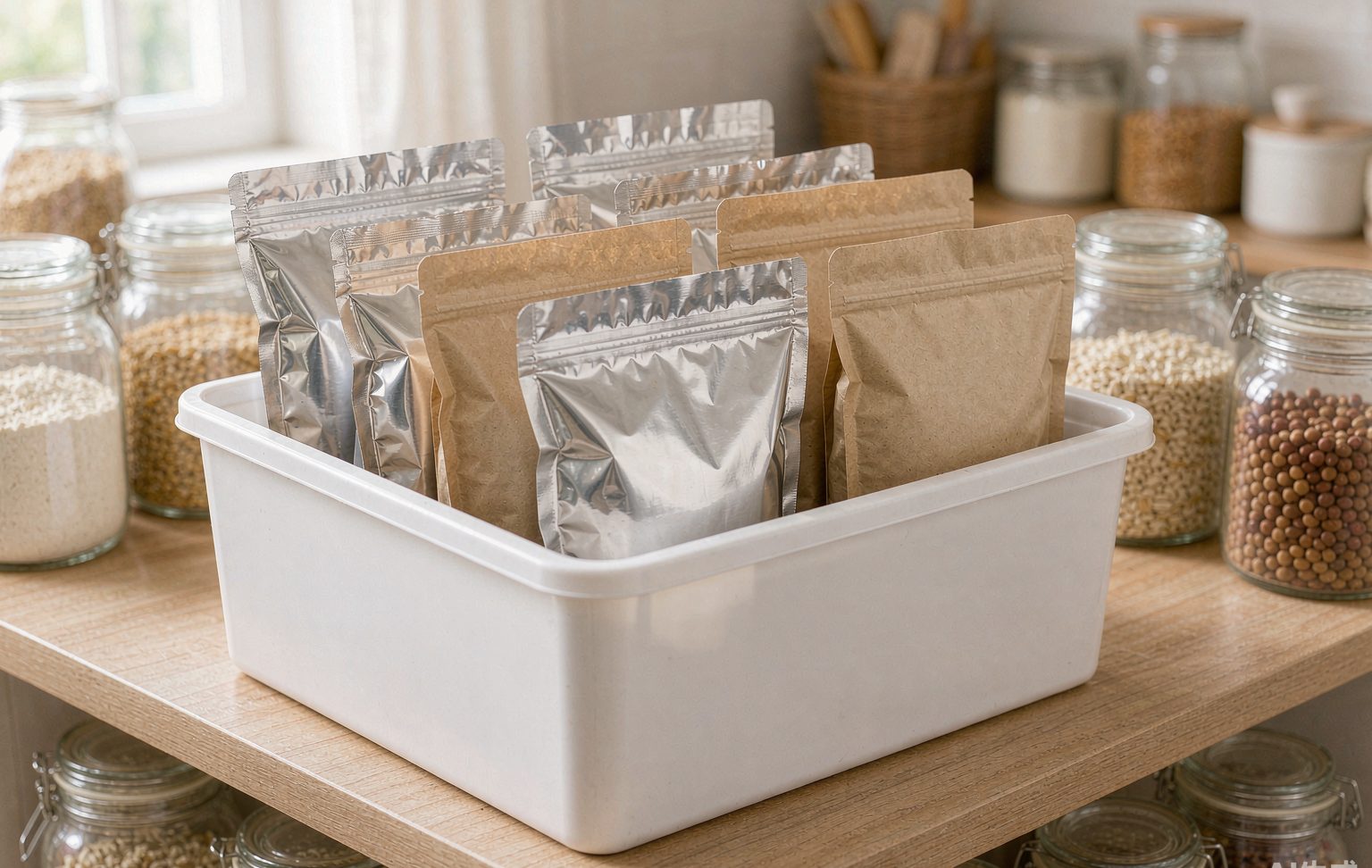
| Food-grade buckets | Optional rodent protection | Secondary container |
The sealer is worth buying properly. A weak hand sealer produces wrinkled partial seals that look closed but breathe. Our comparison of the best heat sealers for mylar bags covers the bar widths and dwell times that matter for thick film, which matters for how to store powdered milk in mylar bags because the seal is the single point of failure, and the head-to-head on 5 mil vs 7 mil mylar bag thickness shows where the extra millimeter pays off.
How to Store Powdered Milk in Mylar Bags: 7 Steps
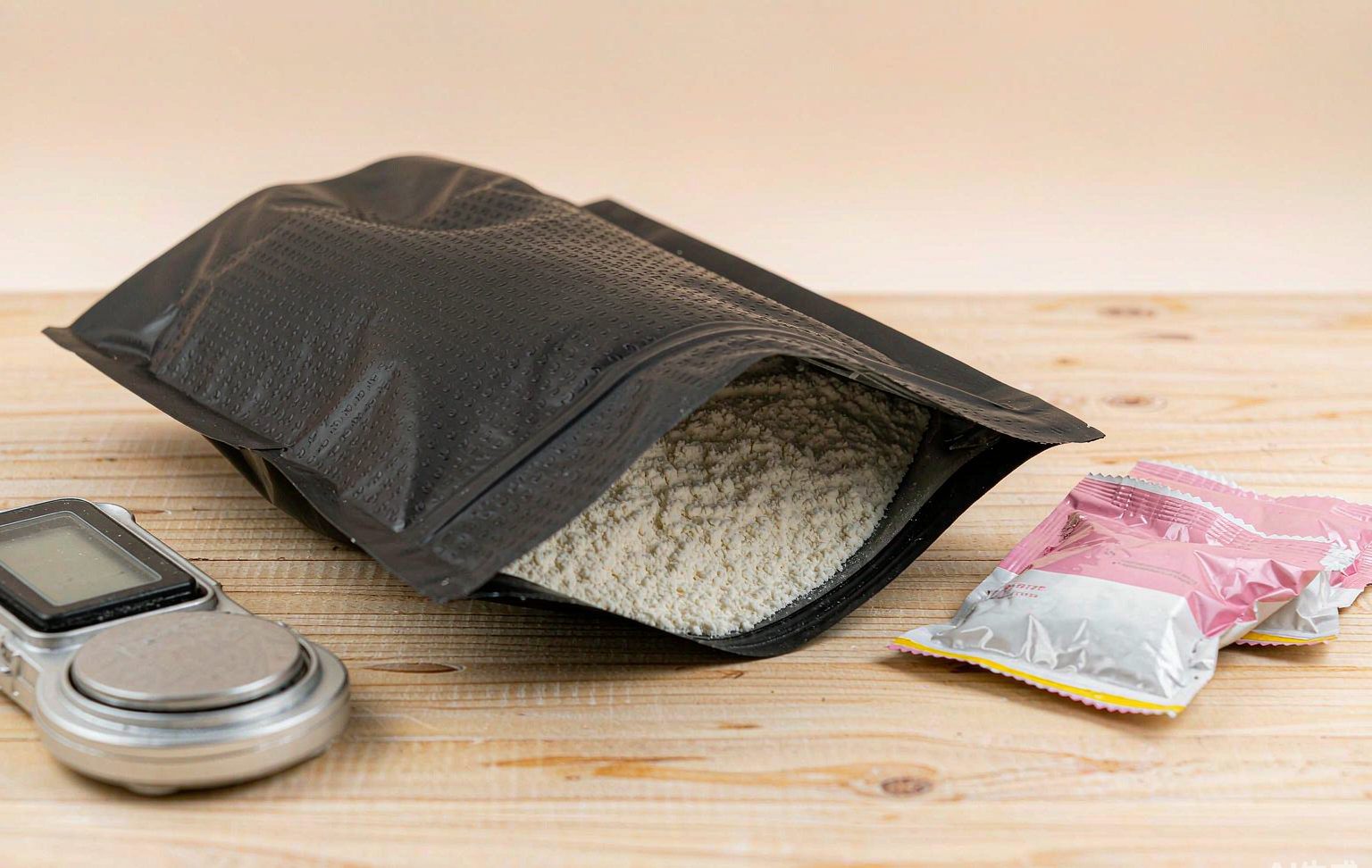
Here is the complete workflow. Anyone who masters how to store powdered milk in mylar bags can finish a dozen gallon packs in about an hour.
- Choose nonfat powder for long-term packs. Instant nonfat dry milk seals well and keeps longest. Save whole-milk powder for smaller, faster-rotating packs.
- Inspect and pre-shape the bags. Check for pinholes against a light. Fold the bottom crease flat so the bag stands and fills square.
- Fill with powder, leaving headspace. Stop 3-4 inches from the top so you can flatten and seal without dust in the seal zone. In how to store powdered milk in mylar bags, this is the step people rush: wipe or brush every trace of powder off the sealing area, since dust defeats the seal.
- Add the oxygen absorber fast. Absorbers start working the moment they see air. One 300-500cc absorber per gallon bag is the common rule, placed on top of the powder. Our guide on how many oxygen absorbers per mylar bag gives the full sizing chart.
- Press out the air and clamp-seal. Flatten the bag bottom-up with a straightedge, then seal across the top, leaving 1-2 inches above the seal. A firm 2-3 mm impulse seal is enough for 5 mil film, and clean seals are what separate successful how to store powdered milk in mylar bags projects from leaky ones.
- Wait 24 hours and check the vacuum. A properly packed bag pulls down slightly and feels brick-hard as the absorber works. Any guide on how to store powdered milk in mylar bags will tell you the same: a soft, puffy bag after a day means a leaking seal or a dead absorber, so reseal or repack it.
- Label and store cool and dark. Write the pack date on the bag, then store below 70°F (21°C). Every 18°F (10°C) drop roughly doubles the life of dry food, so a cool basement beats a warm closet by years.
That is the whole process of how to store powdered milk in mylar bags, and the same workflow covers grains and staples. The walkthroughs on how to store rice in mylar bags and how long flour lasts in mylar bags use this identical sequence with grain-specific absorber sizes. For large pail packs, our oxygen absorber guide for 5-gallon buckets covers the 2000-3000cc packets.
Whole Milk vs Nonfat: Why Fat Content Matters
If you ask ten preppers how to store powdered milk in mylar bags for maximum life, nine will start with one word: nonfat. Nonfat dry milk has had nearly all butterfat removed, so there is little fat to go rancid. Stored cool and dark in sealed mylar, nonfat powder is realistically rated at 15 to 20 years of nutritional life. Whole milk powder keeps its butterfat, roughly a quarter of the powder by weight, and butterfat oxidizes no matter how well you pack it, giving a realistic quality window of 2 to 3 years even in mylar.
| Powder Type | Fat Content | Realistic Sealed Shelf Life (mylar + absorber, cool storage) |
|---|---|---|
| Nonfat dry milk (skim) | Under 1.5% | 15-20 years |
| Whole milk powder | 26-28% | 2-3 years |
| Buttermilk powder | 4-6% | About 5 years |
One nuance: instant powder dissolves easily but is fluffier, so a gallon bag of instant holds fewer calories than the same bag of regular spray-dried powder. When calories matter, pack by weight, a detail that shows up in every serious how to store powdered milk in mylar bags checklist.
5 Mistakes That Ruin Stored Milk Powder
- Sealing with powder dust in the seal zone. Dust creates micro-channels that leak. A clean wipe costs nothing and saves packs, the cheapest insurance in how to store powdered milk in mylar bags.
- Using thin, non-metallized film. Sub-5-mil bags pass oxygen slowly but surely, and the staling is invisible until you open the bag a year later.
- Slow absorber workflow. Absorbers left out more than about 15 minutes burn their capacity on the room. Stage them in a sealed jar. When you are practicing how to store powdered milk in mylar bags at scale, this single habit decides whether your absorbers still work by bag ten.
- Storing warm. The same pack that lasts 20 years at 60°F may taste stale in a fraction of that time near a water heater. Ignore temperature and nothing else about how to store powdered milk in mylar bags matters much.
- Skipping the 24-hour check. The vacuum pull-down test is your only cheap quality gate. Squeeze every pack the next day and fix bad seals while you still can.
FAQ
How long does powdered milk last in mylar bags?
That is the headline number in how to store powdered milk in mylar bags: nonfat powdered milk packed with oxygen absorbers in 5 mil or thicker mylar is realistically good for 15 to 20 years in cool, dark storage. Whole-milk powder is a 2 to 3 year item because its butterfat goes rancid regardless of packaging. The fat content on the label is the real shelf-life predictor, not the bag brand.
What size oxygen absorber do I need for a gallon of powdered milk?
The common recommendation is one 300-500cc absorber per gallon bag of dense dry goods, and milk powder qualifies because it packs tightly with little trapped air. Many packers add a second absorber as insurance. Do not under-size: an absorber that runs out of capacity leaves oxygen behind, the classic failure mode in how to store powdered milk in mylar bags.
Can I vacuum seal powdered milk in a vacuum sealer bag instead?
You can, but a smooth vacuum channel bag is a much weaker oxygen and moisture barrier than metallized mylar. The better hybrid method is to draw air out of a mylar bag with a chamber sealer or nozzle accessory, then finish with a heat seal and an oxygen absorber inside. The absorber does the long-term work; the vacuum step just reduces headspace.
Do I need to freeze powdered milk before packing it?
Freezing is optional for factory-sealed commercial powder, which is low in moisture and insect-free. A 48-hour freezer treatment before packing is a cheap safeguard against pantry moths if your powder came from open bins. Let it return fully to room temperature and wipe off all condensation first, because trapped moisture ruins more packs than insects ever do.
How can I tell if stored powdered milk has gone bad?
Trust your senses. Signs of failure are yellowing, hard caking that will not dissolve, and a stale, paint-like smell. Rancid dairy fat is not dangerous in small amounts, but it is unpleasant and nutritionally degraded, so discard any pack that smells off. A good habit is to open and taste-test one pack from each batch every couple of years, which is also how you verify your own process of how to store powdered milk in mylar bags is holding up.
The Bottom Line
Learning how to store powdered milk in mylar bags is a one-hour skill that buys decades of dairy security. Use nonfat powder for anything you plan to keep beyond three years, pack it in 5-7 mil mylar with a 300-500cc oxygen absorber per gallon, seal it clean and hot, and store it cold, dark, and rodent-proof. Do those four things, verify the vacuum pull-down the next day, and your milk powder will outlast almost everything else on the pantry shelf.