Quick Answer: Which Frozen Food Packaging Materials Work Best?
The strongest frozen food packaging materials for long-term freezer storage are nylon (PA) laminates, EVOH coextruded films, and aluminum foil laminates, because they combine a high moisture barrier with the puncture resistance that bone-in cuts and sharp frozen edges demand. At standard freezer storage of -18°C, water inside food sublimates straight from ice to vapor, and any weak spot in the film becomes a freezer-burn patch within weeks.
Flexible packaging built for freezing must stay supple at low temperature, seal reliably, and block oxygen as well as moisture. The table compares the seven frozen food packaging materials that cover most commercial and home applications, and the sections below explain when each one earns its place.
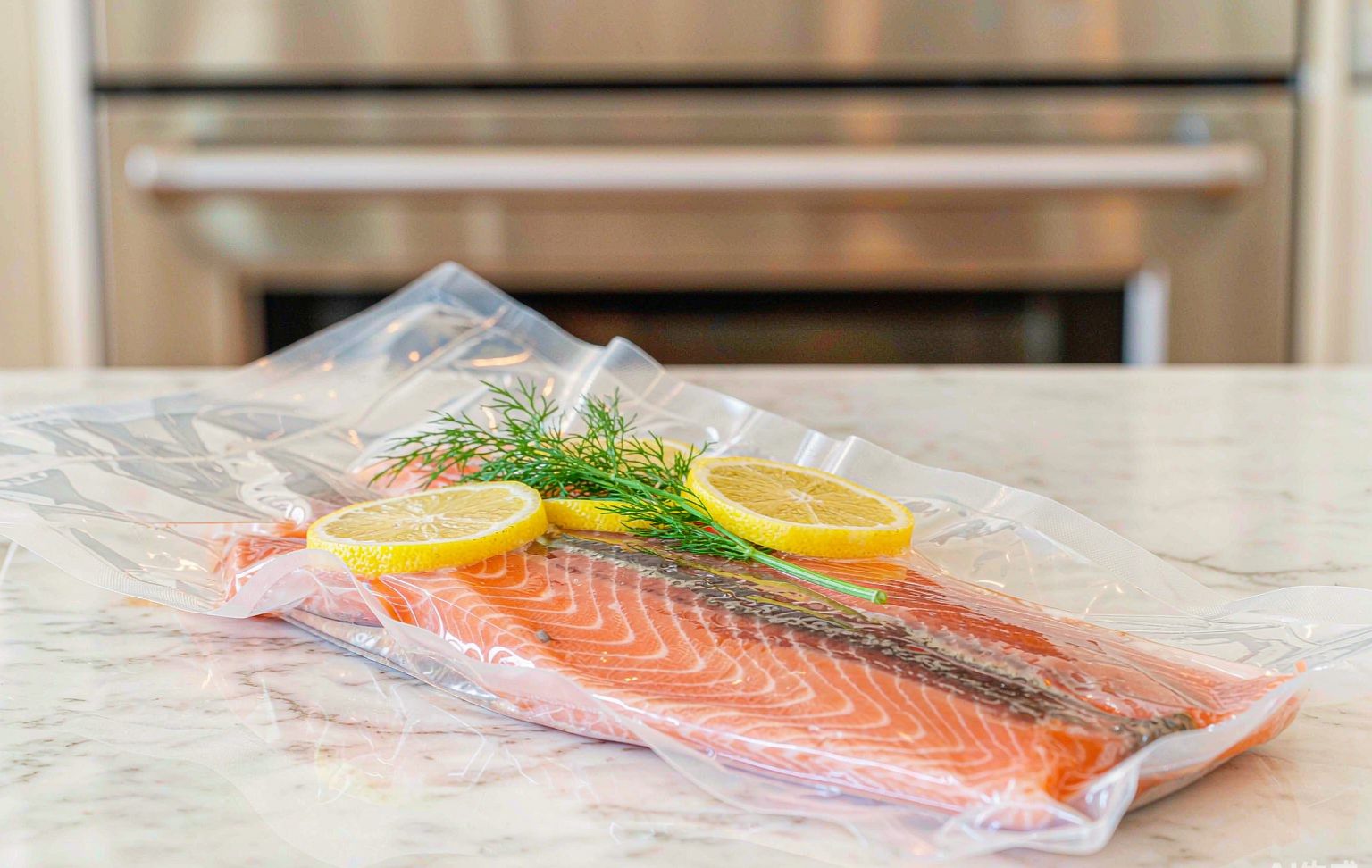
| Material | Moisture barrier | Puncture resistance | Best for |
|---|---|---|---|
| LDPE film bags | Moderate | Low | Bread, bulk vegetables, short holds |
| PET/PE laminate | Good | Moderate | Printed retail pouches, frozen fruit |
| PA/PE nylon laminate | High | High | Meat, seafood, IQF vegetables |
| EVOH coextruded film | Very high (plus oxygen) | Moderate | Ready meals, long-life portions |
| Aluminum foil laminate | Near-total | Moderate | Premium long storage, light-sensitive foods |
| PE-coated kraft paper | Low to moderate | Low | Flour, bakery, outer cartons |
| Vacuum seal bags (PA/PE) | High | High | Portioning, bulk storage, sous vide prep |
Each section below breaks down how these materials behave at freezer temperatures, how to match them to specific products, and which mistakes quietly shorten shelf life.
In this guide:
- Why frozen food packaging materials fail at freezer temperatures
- 7 best frozen food packaging materials compared
- How to match the material to your product
- 5 mistakes that shorten frozen shelf life
- FAQ
Why Frozen Food Packaging Materials Fail at Freezer Temperatures
A freezer does not stop chemistry; it only slows it down. Three mechanisms attack packaged food at -18°C, and each one exploits a different weakness in the film, which is why material selection matters more here than almost anywhere else.
- Sublimation. Water ice sublimes directly into vapor and migrates through any film with a weak moisture barrier. The food dries out in patches, and the familiar white, leathery surface of freezer burn appears. This is the number-one failure that frozen food packaging materials exist to stop.
- Oxidation. Oxygen keeps working even at -18°C, turning fats rancid over months. Moisture barrier alone is not enough, so the structure also needs an oxygen barrier layer such as EVOH, nylon, or foil.
- Puncture and cracking. Cheap or highly rigid films turn brittle at low temperature, and sharp items such as bone-in cuts or hard-frozen IQF blocks punch through thin bags. Once the film is breached, sublimation and oxidation both accelerate.
Moisture loss, oxygen attack, and mechanical damage are the three reasons frozen food packaging materials are judged on barrier data and low-temperature flexibility first, and on shelf appearance second.
7 Best Frozen Food Packaging Materials Compared
Here is how the seven frozen food packaging materials from the table perform in real freezer duty, with the trade-offs that decide where each one belongs.
- 1. LDPE film bags. Low-density polyethylene is the workhorse of the freezer aisle: heat-sealable, economical, and flexible down to about -40°C, so it never turns brittle in household freezers. Its moisture barrier is only moderate, which suits it to holds of weeks rather than years.
- 2. PET/PE laminate. A polyester print layer laminated to polyethylene adds stiffness, gloss, and a dependable printing surface. Frozen fruit, bakery lines, and printed retail pouches live here. Barrier performance is good but not premium, so pair it with a second measure for long holds.
- 3. PA/PE nylon laminate. Nylon brings two things freezers love: a high moisture barrier and outstanding puncture resistance, and the laminate stays supple at deep-freeze temperatures. This is the default for vacuum-packed meat, seafood, and IQF vegetables.
- 4. EVOH coextruded film. Ethylene vinyl alcohol is one of the strongest oxygen barriers available in flexible form. Coextruded structures keep ready meals fresh for months by stopping rancidity before it starts, and the EVOH layer must stay buried between polyethylene layers because the resin loses barrier when it absorbs water.
- 5. Aluminum foil laminate. Foil is the near-total barrier: light, oxygen, and moisture all stop dead. Premium products with long intended holds, and anything sensitive to light, justify the format. The trade-offs are a stiffer feel and that foil creases permanently if folded sharply.
- 6. PE-coated kraft paper. Paper prints beautifully and feels natural, but untreated paper is a poor barrier. A polyethylene coating or liner makes it workable for flour, bakery goods, and as an outer layer over a carton, though it remains a light-duty choice among frozen food packaging materials.
- 7. Vacuum seal bags. Commercial PA/PE vacuum bags pull air out before sealing, which collapses the oxygen problem and keeps moisture loss low. They bridge retail packaging and bulk storage; our walkthrough of how to use FoodSaver vacuum seal bags covers the home side of that workflow.
No single film wins every category, which is why most serious frozen packaging structures are laminates: one layer contributes barrier performance while another contributes seal strength and printability.
How to Match Frozen Food Packaging Materials to Your Product
Start from the product, not the film. The structure that suits diced mango is wrong for lamb chops, and both differ from a nine-month retail SKU. Use the table below as a first filter, then confirm the choice with a freezer trial at your target temperature.
| Product | First-choice material | Why |
|---|---|---|
| IQF vegetables and fruit | PA/PE laminate | Puncture resistance plus a high moisture barrier |
| Bone-in meat and seafood | PA/PE laminate or vacuum bags | Sharp frozen edges demand puncture strength |
| Ready meals | EVOH coextruded structures | Oxygen control across long distribution |
| Light-sensitive premium items | Aluminum foil laminate | Total block against light and oxygen |
| Bread and bakery | LDPE or coated paper | Flexibility and sealing at a budget tier |
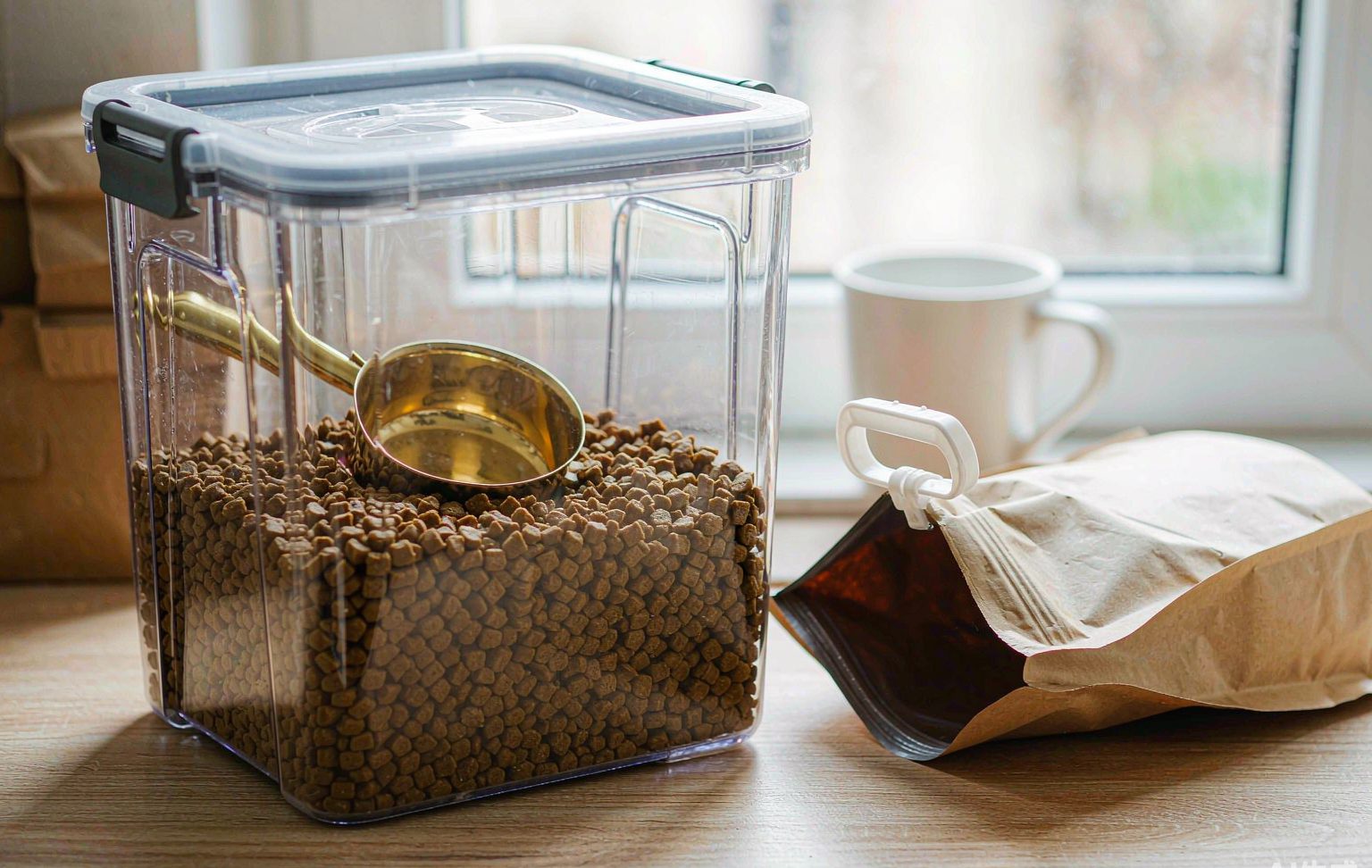
| Dry-goods long-term backup | Foil laminate or Mylar | Decade-class barrier for low-moisture foods |
For a format-level view, our overview of the main types of frozen food packaging walks through pouches, trays, and cartons, while this guide stays one level deeper on film chemistry. Format and film decisions interact, as our guide to the types of flexible pouches explains, and our explainer on what mil thickness means helps you read film specifications before you order. For pouch formats, our stand-up pouch styles and how to fill stand-up pouches guides cover the handling side.
5 Mistakes That Shorten Frozen Shelf Life
The five mistakes below account for most freezer failures that surface as customer complaints months later, long after the original film order is gone.
| Mistake | What happens | Fix |
|---|---|---|
| Choosing film on the cheapest quote | Barrier drops first, quality complaints follow | Specify barrier data, then compare quotes |
| Ignoring puncture risk | Micro-holes open freezer-burn patches | Use PA layers for sharp products |
| Overpacking pouches | Seals stress and split at low temperature | Leave headroom for expansion |
| Sealing without checking settings | Weak seals pass the packing line, fail in the cabinet | Validate seal strength on samples |
| Assuming any bag suits deep freeze | Brittle film cracks during blast freezing | Confirm low-temperature flexibility rating |
Most freezer failures trace back to choosing frozen food packaging materials on looks or on the lowest quote instead of on barrier and puncture data, so audit those two specifications before anything else.
FAQ: Frozen Food Packaging Materials
What material keeps food freshest in the freezer?
For all-around duty, PA/PE nylon laminates lead the frozen food packaging materials field because they pair a high moisture barrier with puncture resistance, and they stay flexible at -18°C and below. Aluminum foil laminates take the crown for multi-year holds and for anything light-sensitive.
Can I freeze food in ordinary plastic bags?
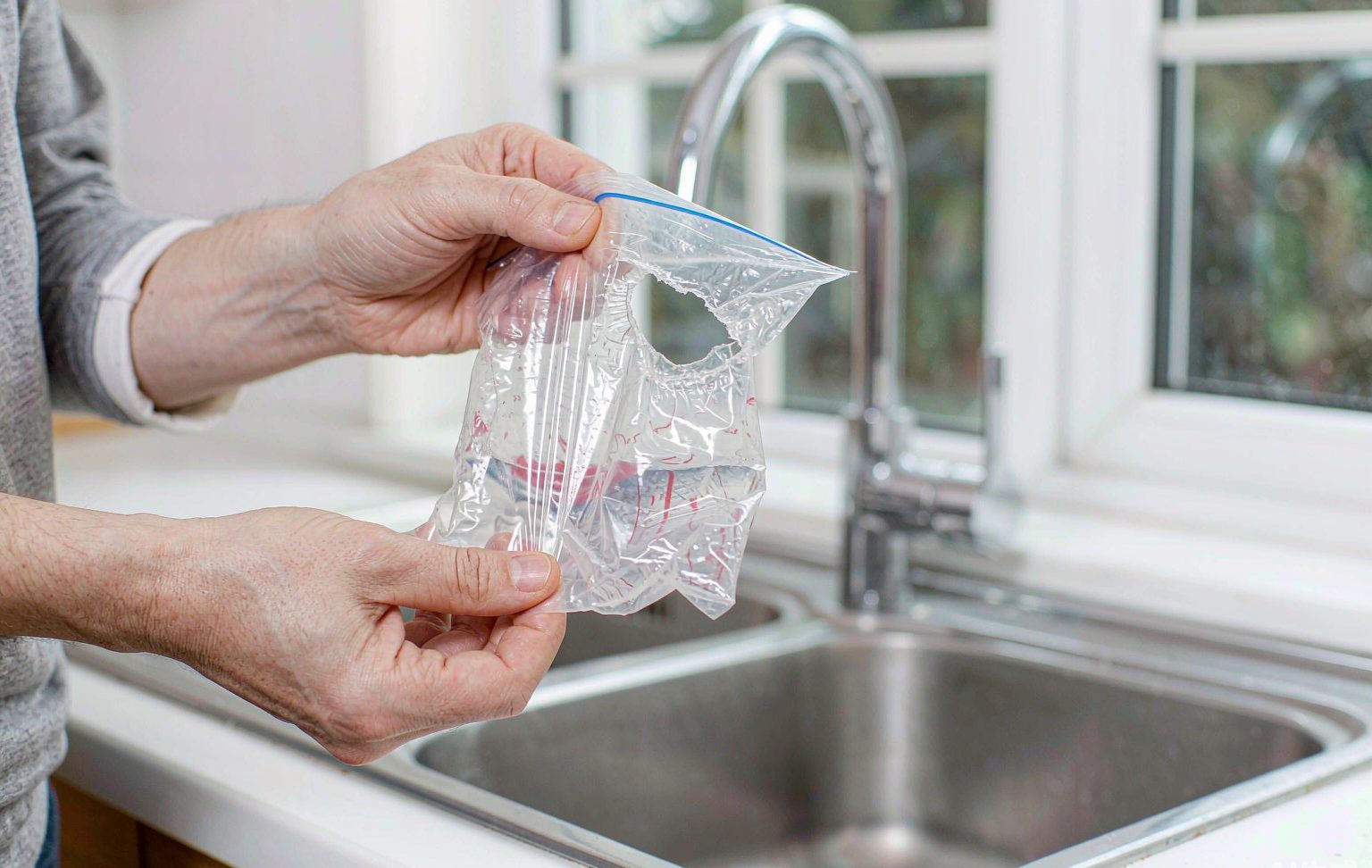
Thin sandwich bags are not among the materials worth trusting beyond a couple of weeks: their moisture barrier is weak and the seams are not designed for low-temperature stress. Purpose-made freezer-grade LDPE bags or vacuum pouches are the reliable options.
Does good packaging prevent freezer burn completely?
No film drives sublimation to zero, but high-barrier frozen food packaging materials slow it enough that quality outlasts the food’s practical storage life. Strong film, airtight sealing, and stable cabinet temperature together are what actually eliminate it.
Are paper bags suitable for freezer storage?
Only when coated or lined with polyethylene, and even then mainly for bakery and flour duty at the budget tier. For true long-term dry storage rather than freezing, compare our guides on how to store freeze-dried food and how to seal Mylar bags, which solve a different problem.
What temperature should frozen packaging withstand?
-18°C is the widely used standard for frozen storage, and dependable materials stay flexible well below it, because commercial blast freezing can dip much lower for short periods. Cheap, highly filled, or highly rigid films are the ones that crack first in that window.
The Bottom Line on Frozen Food Packaging Materials
The right frozen food packaging materials are chosen from the product outward: PA/PE laminates for puncture-prone meats and IQF lines, EVOH structures for long-life ready meals, foil laminates for premium multi-year holds, and economical LDPE for short-turn bakery and produce. Match the barrier to the enemy, moisture or oxygen or sharp edges, validate the seal before the first full run, and the freezer stops being where quality goes to die. For the format-level picture above film choice, start with our guide to the types of frozen food packaging, then return here to lock in the material.