
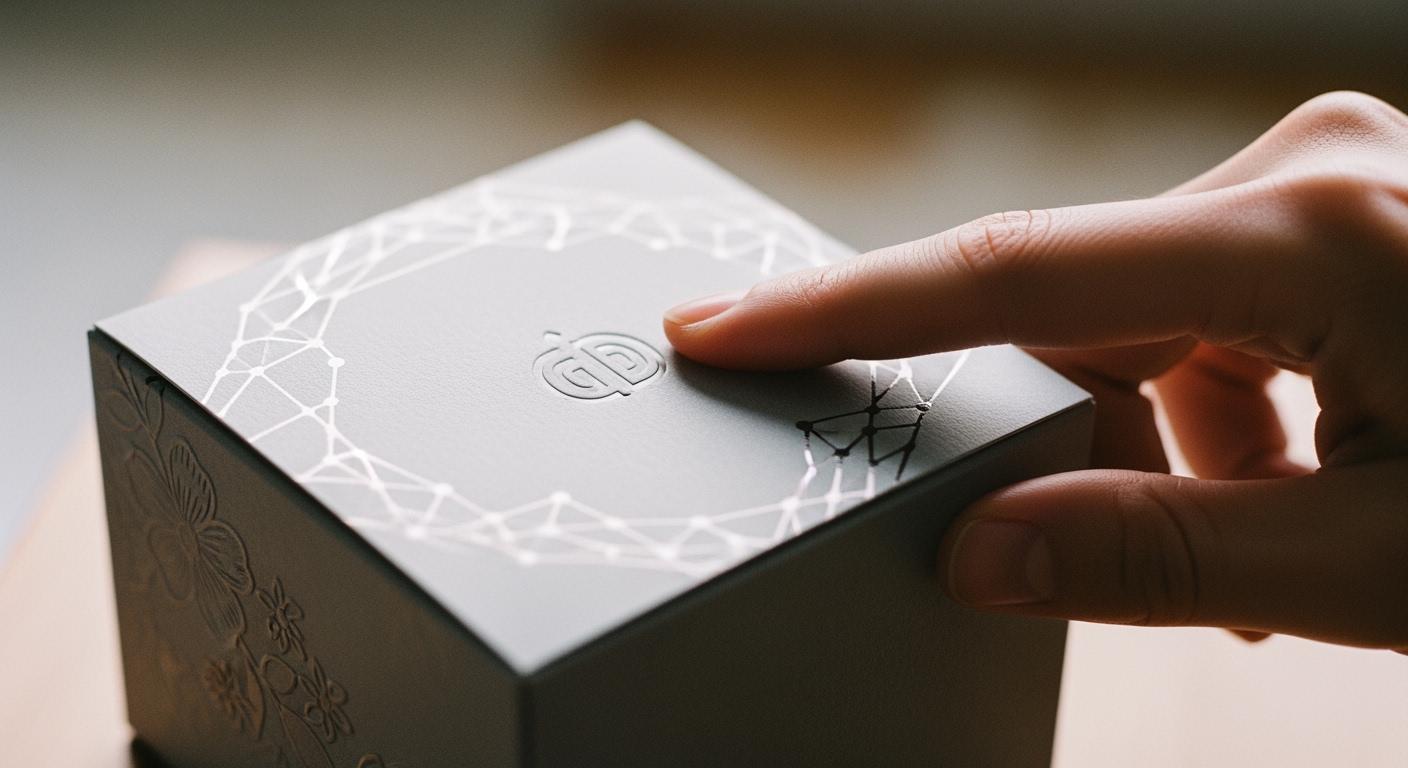
Tactile feel in packaging can change how you connect with customers. When you touch a product with a special texture or finish, you notice it right away. Studies show that tactile features affect how you view a brand and make you more likely to buy it.
Surface textures shape what you think about quality before you read the label.
Unique finishes help you remember and trust the brand without thinking about it.
Packaging that feels nice makes you want to hold it longer, which builds a stronger bond.
If you want your products to stand out and seem high-quality, focus on how they feel in your customers’ hands.
Why Tactile Feel Matters in Packaging
Boosting Brand Value
Choosing packaging with a strong tactile feel tells people about your brand. High-quality textures and materials make things seem special and valuable. The weight and texture of a box or bag can make you think the product inside is important. Many luxury brands use these finishes to show they care about quality. This makes people want status and feel good emotionally. When you touch a smooth or raised surface, you often think the product costs more. This is called the halo effect. It means packaging can change how you see the whole brand.
Tip: Using premium materials and elegant finishes can help you charge more and build loyalty with your customers.
Enhancing Consumer Interaction
Tactile finishes do more than look nice. They make you want to touch and explore. When you pick up a package with a unique texture, you pay more attention. Studies show that touching premium packaging two times can make you 50% more likely to buy it. If you touch it four times, that number goes up to 90%. Special coatings like Soft Touch or Hi Rise make you want to hold the product longer. This extra interaction helps you remember the brand and feel closer to it.
Tactile finishes excite your senses and make the experience more fun.
You feel happier and more loyal when packaging meets your expectations.
Standing Out on Shelves
In a busy store, products with a special tactile feel grab your attention first. Soft-touch coatings, embossing, and foil stamping make packages look and feel different from regular boxes. These features show the product is premium and worth checking out. Many shoppers like buying in stores because they can touch the packaging. When you feel a strong or textured box, you often think the product is better quality. This sensory experience can make you pick one brand over another.
Tactile finishes help products stand out and get noticed.
Better packaging shows that a brand cares about quality and details.
What Are Tactile Packaging Finishes
Defining Tactile Surface Finishes
You can make packaging special by adding texture. Tactile surface finishes use different ways to change how packaging feels. These finishes include laminates, films, coatings, and embossing or debossing. Each one gives a new texture, like soft, smooth, raised, or patterned. When you use paper textures, you do more than just protect the product. You also make the packaging part of your brand’s story.
Tactile finishes turn packaging into more than a box.
Textures can be soft-touch or bold and raised.
You give people a sensory experience that helps them remember your brand.
Sensory and Visual Benefits
Tactile finishes are not just for looks. They help you connect with customers in a stronger way. When people touch packaging with a special texture, they feel more interested. This can make them trust your product more and feel good about it.
Unique textures help your product stand out in stores.
Touch can make people want to own the product and buy it.
Tactile experiences help people remember your brand.
Note: The sense of touch can change how people think about quality and value. Good sensory experiences often make people want to buy more.
Materials for Tactile Effects
There are many ways to make packaging feel different. Different papers and finishes change how packaging feels and looks. Uncoated paper feels rough and natural. Coated paper is smooth and shiny. Textured papers, like linen, make packaging look fancy. Embossing and debossing make raised or pressed patterns for extra detail.
Here is a table with common tactile features:
Feature | Description |
|---|---|
Surface Texture | Adds a light texture for touching |
Application | High-build or textured varnish during printing |
Benefits | Makes people notice and remember your brand |
You can also use soft-touch coatings for a velvety feel or foil stamping for shiny spots. Each choice helps you make a strong tactile feel that fits your brand.
Key Tactile Finishing Techniques
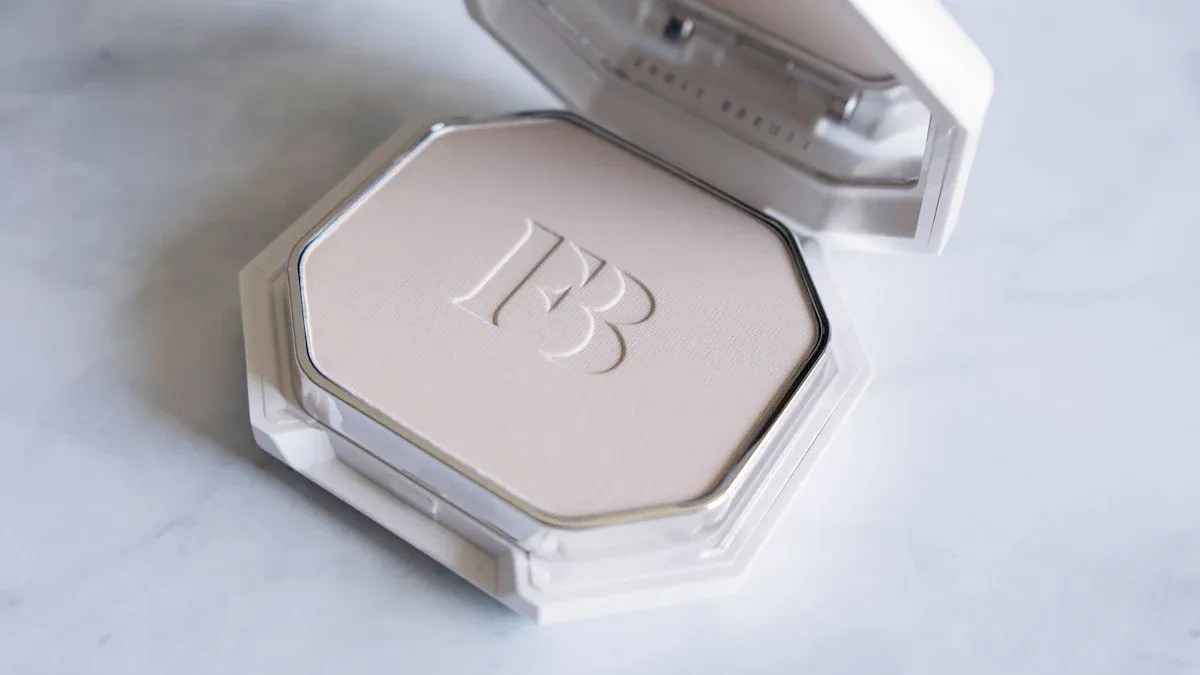
You can make packaging special with finishing techniques. These methods add texture, depth, and shine. They help your product stand out right away. People notice your packaging first because of these effects. Here are some popular ways to add a tactile feel.
Embossing and Debossing
Embossing and debossing change how the surface feels. Embossing lifts parts of the design up. Debossing presses parts of the design down. You can use these for logos, patterns, or text.
Embossed and debossed packaging gets noticed in stores.
These finishes make your packaging look unique and professional.
Raised or pressed textures give your packaging a premium feel.
When you touch an embossed logo, you feel the difference. This effect helps people remember your brand. It also makes your product look more valuable. Many brands use these finishes to show quality and build loyalty.
Tip: Try embossing your brand name or logo to make it stand out and feel special.
Soft-Touch and Raised Coatings
Soft-touch coatings make packaging smooth and velvety. This finish feels gentle and nice in your hand. Raised coatings add height to some areas, making them pop out.
Soft-touch coatings make packaging feel fancy.
These coatings stop fingerprints, scratches, and moisture.
Raised coatings highlight important parts of your design.
Touch is important when people pick products. Soft-touch or raised coatings make people want to hold your packaging. This extra touch can help people remember your product. It also shows you care about quality and detail.
Research shows that special textures change how people see your brand. Soft-touch finishes often mean luxury and high value. Raised coatings add depth and make designs more interesting.
Technique | Description |
|---|---|
Soft Touch Coating | Smooth, velvety surface that feels refined and pleasant. |
Raised Coating | Adds height to selected areas, creating a tactile and visual highlight. |
Spot UV, Varnish, and Foil Stamping
Spot UV, varnish, and foil stamping add shine and texture. Spot UV puts a glossy layer on certain spots. Varnish protects the surface and can be matte or shiny. Foil stamping uses metallic foil for bright, shiny details.
Spot UV makes shapes or text stand out more.
Varnish keeps packaging safe from scratches and moisture.
Foil stamping adds a shiny, premium look.
You can use spot UV for logos or patterns. This gives your packaging a glassy look in some places. Varnish protects and adds a smooth or shiny feel. Foil stamping catches the eye with its metallic shine and makes your product look high-end.
Note: Using these finishes together can help your packaging stand out and make unboxing more fun.
These techniques give your packaging both a cool look and feel. Customers notice the difference when they touch and see your product. This helps people connect with your brand and want to buy again.
Tactile Feel: Matte vs Gloss Packaging
Comparing Texture and Appearance
When you touch a package, the finish changes your feelings. Matte packaging feels soft and calm. It seems honest and close. Many people think matte finishes make products look natural and trustworthy. Gloss packaging feels smooth and shiny. It shines and catches your eye in stores. Some people think gloss looks bold and strong. But gloss can also seem less real, like an ad.
Soft touch lamination gives a velvety surface. This finish feels smooth and fancy. It makes you want to hold the package longer. This helps you feel closer to the product. Studies show matte packaging makes fake products seem more real. People trust matte packaging more than gloss. North American shoppers often pick matte because it feels honest.
Matte packaging is not shiny and feels more real.
Gloss packaging grabs attention but can seem less trustworthy.
Matte finishes make people want to buy, especially food.
Finish Type | Consumer Perception | Emotional Response |
|---|---|---|
Matte | Shows honesty and closeness | Soft, dull surfaces feel more personal |
Gloss | Gets attention but may feel less real | Shiny surfaces can seem like ads |
Choosing the Right Finish
Think about a few things when picking a finish. Start with your brand’s style. If you want to show luxury or boldness, gloss might be best. If your brand stands for honesty or natural products, matte could be better. Think about what your customers want for your product type. Food and wellness brands use matte to show trust and nature.
Also, think about how the package will be used. Matte and soft touch finishes stop fingerprints and scratches. This keeps your packaging clean. Gloss finishes show smudges more easily. Budget is important too. Fancy finishes like soft touch cost more. But they help your product stand out. If you care about the planet, look for eco-friendly options that fit your goals.
Factor | Description |
|---|---|
Brand Positioning | Match the finish to your brand’s style, like luxury or nature. |
Product Category Expectations | Think about what customers want for your product. |
Functional Requirements | Pick a finish that protects your packaging and keeps it nice. |
Budget Considerations | Balance the cost of special finishes with the value they give. |
Sustainability Goals | Choose finishes that help your environmental values. |
The feel of your packaging can change how people see your brand and if they buy your product. Pick the finish that fits your story and your customers’ needs.
Tactile Finishes and Brand Perception
Communicating Quality
Tactile finishes show your customers that your brand cares about quality. When people touch packaging, they judge the product before opening it. Smooth, soft, or raised surfaces make products seem more valuable. Shoppers trust products that feel good in their hands.
Touch is a very important sense for people. In stores, shoppers often touch products to feel their texture, like smoothness or softness. This helps them decide if the product is good and worth buying.
Finishes like embossing, soft-touch coatings, or foil stamping make a strong first impression. These finishes help your packaging stand out and show you care about details. Using high-quality materials builds trust and makes your brand look professional.
Here is a table that shows how texture affects what people think about your brand:
Evidence Description | Key Insight |
|---|---|
Texture shapes consumer psychology and decisions | Tactile finishes create emotional connections that enhance brand loyalty. |
Tactile experience creates stronger emotional connections | Tactile experiences foster deeper, more authentic bonds with consumers. |
Digital textures influence perception | Visual cues can evoke tactile impressions, affecting brand perception even online. |
Texture enhances emotional resonance in purchasing | Consumers buy experiences that resonate emotionally, influenced by tactile cues. |
Creating Emotional Connections
Tactile finishes do more than show quality. They help you connect with your customers in a special way. When someone touches a package and feels a unique texture, it can make them feel happy, excited, or fancy. This feeling makes your brand easier to remember.
Harvard Business Review says emotions are important in buying choices.
People buy products that match their feelings, not just the items.
Tactile cues, like a glossy finish, help build trust and credibility.
Adding tactile elements to packaging invites people to interact with your product. This can create a lasting bond. Soft-touch finishes can make people feel calm and cared for. Raised patterns make packaging feel special and different. These details help your brand stand out and make people want to buy again.
The feel of your packaging can turn a simple purchase into a memorable experience. You give your customers a reason to pick your brand every time.
Choosing Finishes by Product Category
Coffee and Food Packaging
Special finishes help coffee and food packaging stand out. Many brands use matte finishes for a soft, velvety touch. This makes the package feel fancy and high-quality. Spot UV is often used on matte pouches. Brands like Blue Bottle Coffee and Stumptown Coffee Roasters use this. Glossy highlights shine and make logos or patterns pop.
Here are some ways to add tactile finishes to coffee and food packaging:
Matte finishes feel smooth and soft. They show quality.
Stand-up pouches use thick materials. This gives a strong grip.
Rigid gift boxes use premium materials. They make unboxing feel special.
When you pick up a coffee bag with matte and glossy parts, you notice it. This feel helps you trust the brand and believe in the product’s quality.
Cosmetics and Skincare
Cosmetics and skincare brands use tactile finishes to show luxury and care. You might see soft-touch surfaces with spot UV on products. Brands like L’Oréal use these finishes. They make you want to touch and hold the package. The weight of a bottle and the smooth twist of a cap add to the quality.
Tactile finishes make a physical connection with you.
They show the brand values new ideas and high standards.
A soft-touch or satin finish can make you think the product is gentle and premium.
Packaging acts as silent marketing. How it feels in your hand matters as much as what’s inside. You remember brands that make you feel special through touch.
Premium Retail and Gifts
Premium retail and gift packaging uses many tactile finishes to show value. Laminated bags with spot UV are common. Brands like IKEA use these finishes. Soft-touch coatings feel velvety and stop fingerprints. Embossing or debossing adds raised or pressed textures to logos or patterns. Specialty papers like linen or kraft give a natural fiber feel.
Foil stamping adds shine and contrast.
Rigid box structures feel strong and important.
Fabric handles and magnetic closures make the package feel extra special.
These details help you see the product as a gift or luxury item. Tactile finishes make the experience memorable. They show the brand cares about every detail.
Product Category | Tactile Finish Technique | Example Brands |
|---|---|---|
Coffee | Spot UV on matte pouches | Blue Bottle Coffee, Stumptown Coffee Roasters |
Food | Spot UV on Mylar bags | Various specialty food brands |
Cosmetics | Soft-touch surfaces with Spot UV | L’Oréal |
Premium Retail | Laminated bags with Spot UV | IKEA, promotional tote brands |
Combining Finishes with Materials
Material Compatibility
You need to pick finishes that match your packaging materials. Not every finish works well with every material. Think about how the finish will look and feel. Also, consider how long it will last. Here are some important things to remember:
Environmental conditions are important. If your packaging faces heat, cold, or moisture, use finishes that can handle these changes.
Traffic volume matters. If lots of people touch or move your packaging, choose finishes that resist damage.
Aesthetic requirements help you decide. Make sure the finish fits your brand’s style and looks good.
Installation method affects what you can use. Some finishes need special tools or steps to apply.
Maintenance capabilities make cleaning easier. Pick finishes that stay nice with simple cleaning.
Budget constraints are important. Balance the cost of finishes with how long they last and how they look.
Soft-touch coatings work well on many materials. They give a smooth, velvety feel and make your packaging look fancy. Embossing adds raised textures that people notice right away. Textured finishes can also hide fingerprints and keep your packaging looking clean.
Tip: When you match the right finish with the right material, your package feels special and lasts longer.
Integrating with Packaging Structure
You can make your packaging better by adding tactile finishes to its structure. This means you do not just decorate the surface. You build texture into the design. Doing this helps you connect more with your customers.
Application Method | Description | Benefits |
|---|---|---|
Soft-Touch Coating | Creates a velvety texture on packaging materials | Enhances brand differentiation and perceived value |
LED UV Curing | Cures tactile effects with high-viscosity UV resin | Ensures durability and a sophisticated finish |
Tactile finishes like soft-touch or embossing make unboxing more fun. They turn opening a package into a special event. You can use these finishes on boxes, bags, or labels. When you combine touch and sight, people remember your brand.
Tactile features like texture and embossing can affect buying choices.
Unique finishes help your packaging stand out and feel premium.
Sensory elements in packaging create a lasting impression.
You can use tactile finishes to make your packaging part of your product’s story. When people touch and see your package, they feel closer to your brand.
Production and Cost Factors
Printing and Process Limits
You should know how your material and printing affect finishes. Some finishes work best on strong materials. Hard coatings can crack on flexible packaging. Soft-touch finishes fit many surfaces. If you want a hard finish, use a rigid box or board. Hardness and flexibility are opposites. Hard coatings need strong support. Think about how your packaging will be used and handled when picking a finish.
Tip: Ask your printer which finish works best for your material. This helps you avoid cracking or peeling problems.
Cost and Order Considerations
Tactile finishes can change how much you pay. You pay for special coatings and extra steps. Sometimes you need new equipment. You must check quality at every step. Here is a table with main cost parts:
Cost Component | Description |
|---|---|
Material costs | Money for coating formulas |
Application expenses | |
Equipment investment | Money for special machines |
Quality control costs | Checks to keep results the same |
Order size matters. Big orders lower the cost per package. Small orders cost more for each item. Hard coatings can cost 10–40% more than uncoated ones. Tactile finishes help you charge more, boost sales, and build loyalty. They make your product stand out, so you face less price competition.
Premium finishes let you charge higher prices.
Better packaging can help you sell more.
Loyal customers come back for the same feel.
Unique finishes help your brand get noticed.
Working with Experts
You get better results when you work with packaging experts. They help you pick the right finish and avoid mistakes. Experts offer many design choices to match your brand. They know how to use eco-friendly materials without losing quality. When you work with professionals, you create a special tactile experience for your customers.
Benefit | Description |
|---|---|
Unique Tactile Experience | Soft-touch packaging feels fancy and connects with buyers emotionally. |
Customization Options | Many colors and finishes fit your brand style. |
Environmental Considerations | Eco-friendly materials help your green goals. |
Note: Skilled partners help you save time, control costs, and deliver packaging that feels as good as it looks.
Design Tips for Tactile Packaging
Effective Tactile Design
You can help your packaging stand out with smart tactile design. First, think about how you want customers to feel. Do you want them to feel calm, excited, or impressed? Pick finishes that match these feelings. Soft-touch coatings feel smooth and gentle. Embossing makes raised patterns that people notice fast.
Here are some tips for good tactile design:
Focus on key areas: Put tactile finishes on logos, brand names, or special patterns. This makes important parts of your packaging stand out.
Mix textures: Use both smooth and rough surfaces. This creates contrast and makes your packaging more fun to touch.
Keep it simple: Too many textures can confuse people. Choose one or two finishes that fit your brand.
Tip: Always test your design with real samples. Ask people how the packaging feels in their hands.
Balancing Creativity and Feasibility
You can be creative with tactile finishes, but you must think about what is possible. Some finishes work better with certain materials. Others may cost more or take longer to make. Work with your packaging supplier to find the best options for your budget and timeline.
Use this table to help balance your ideas:
Creative Idea | Feasibility Check | Action Step |
|---|---|---|
Embossed logo | Works best on thick paper | Choose sturdy materials |
Soft-touch coating | Needs special printing process | Ask about minimum orders |
Foil stamping | Adds cost and time | Use for limited editions |
Note: You can make great packaging by planning ahead. Talk to experts early in the design process. This helps you avoid problems and get the best results.
You can make your packaging look nice and work well. Smart choices help your brand shine and keep your project on track.
Tactile finishes make your packaging unique and easy to notice. They help your brand look better and make people remember you. You can use different finishes to see which one works best for your product. It is smart to ask packaging experts for advice or get samples before you decide.
Test finishes to find the best fit for your product.
Ask experts or try samples before you choose.
Remember: How your packaging feels can make a regular product special and easy to remember.