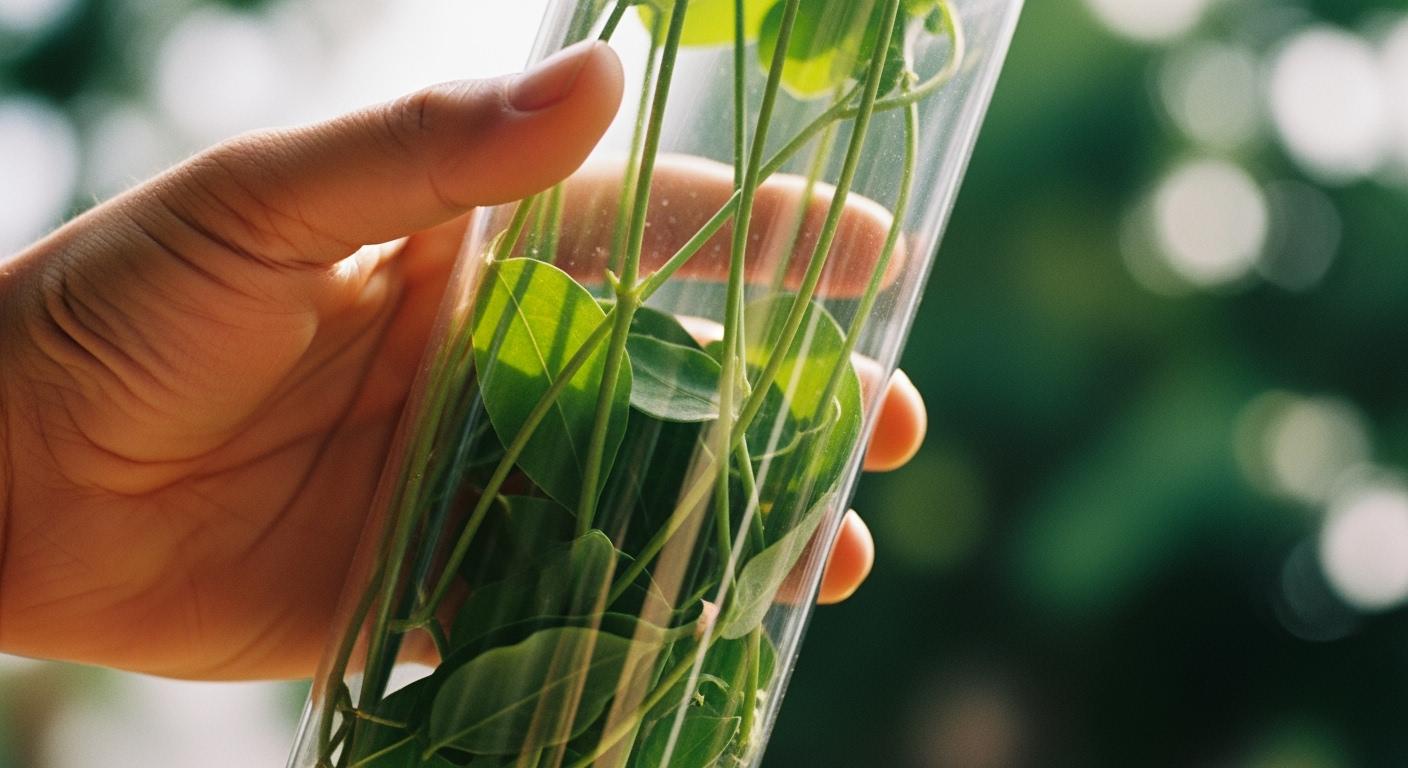
You see PLA every day in packaging that helps the environment. PLA means polylactic acid, which is a plant-based plastic made from renewable resources that can grow again. You find its eco benefits in food boxes, bags, and cups. Plant-based plastics like PLA are good for the earth because they use less energy and create less pollution than traditional plastics. You choose eco-friendly items because they are better for nature. PLA is also beneficial for composting and helps reduce pollution. Eco packaging provides safe ways to keep food fresh and products intact. By selecting eco-friendly and sustainable materials, you contribute positively to nature. Plant-based plastics like PLA support eco goals, promote better living, and encourage good habits for the earth.
What Is PLA?
PLA Definition
You may wonder what PLA means. PLA stands for polylactic acid. This is a type of plastic made from plants, not oil. You see PLA in many products you use every day. PLA comes from corn, sugarcane, or other crops. These plants grow quickly and do not harm the earth. You can call PLA a new kind of plastic that helps the planet. PLA looks and feels like regular plastic, but it comes from nature. You find PLA in cups, bags, and food containers. Many companies choose PLA because it is safe for food and does not release harmful chemicals.
Tip: When you pick products made from PLA, you support a cleaner world.
Plant-Based Plastics Overview
Plant-based plastics are changing the way you think about packaging. These plastics use plants instead of fossil fuels. You help the environment when you choose plant-based plastics. PLA is one of the most popular plant-based plastics. You see it in packaging, straws, and even clothing fibers. Plant-based plastics break down faster than regular plastics. You can call them eco-friendly materials because they do not stay in landfills for hundreds of years. Many people like plant-based plastics because they come from renewable sources. You support the use of plant-based materials when you buy these products.
Here is a quick comparison:
Feature | PLA (Plant-Based Plastic) | Traditional Plastic |
|---|---|---|
Source | Plants | Oil |
Biodegradable | Yes | No |
Yes | No | |
Common Uses | Packaging, Bags, Cups | Bottles, Bags |
You make a difference by choosing plant-based plastics. PLA gives you a smart way to protect the earth and enjoy safe packaging.
PLA Production
Plant Origins
Polylactic acid starts with plants that farmers grow. These crops grow fast and can be planted again each year. When you pick products made from these plants, you help the earth. The main crops used for PLA are:
Corn starch and dextrose
Sugarcane and sugar beet
Cassava and other root crops
These plants grow in many places around the world. They give the sugars needed to make polylactic acid. When you choose PLA, you support farming that is good for nature.
Note: Using crops that grow again for PLA means we use less fossil fuel and make less pollution.
Manufacturing Process
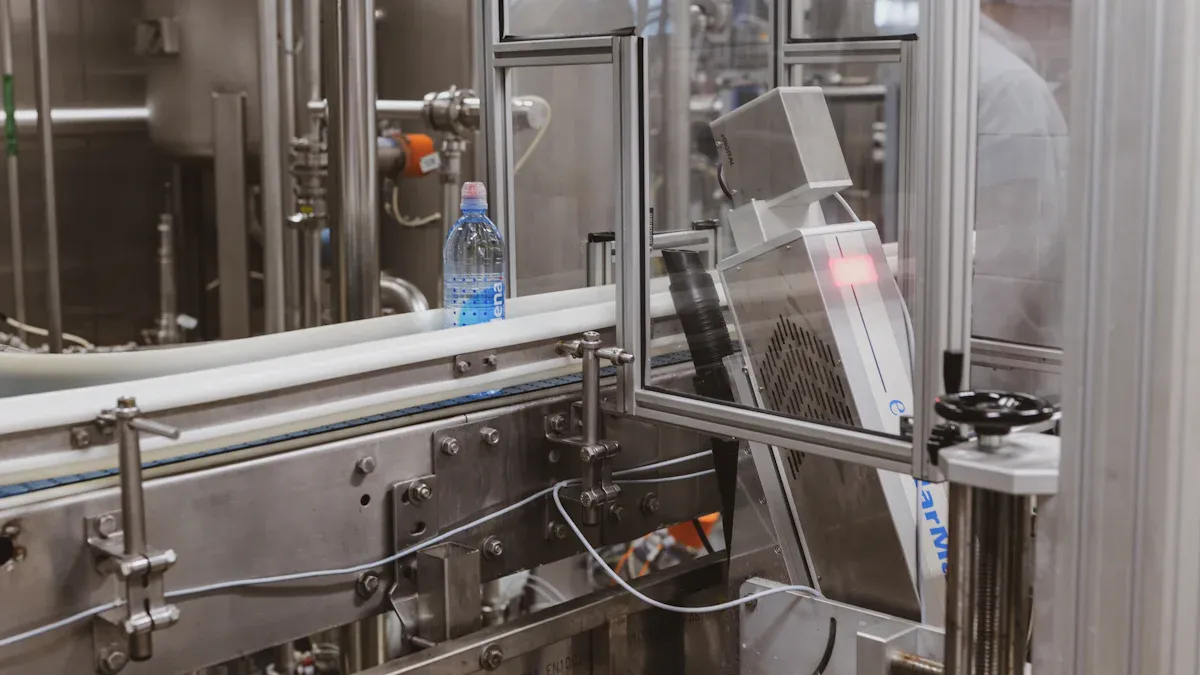
Factories follow clear steps to make PLA. First, workers clean starch or sugar from crops like corn and sugarcane. Next, tiny living things turn these sugars into lactic acid in big tanks. Then, factories change lactic acid into a compound called lactide. After that, workers join lactide molecules to make long chains of PLA. The PLA is then made into small pellets and sometimes mixed with other things. Last, machines shape the pellets into bags, cups, films, or other items.
PLA production uses much less energy than regular plastics. Factories need 65% less energy and make 68% less greenhouse gas. PLA also uses 68% less fossil fuel. This makes polylactic acid a smart choice for packaging that is better for the earth.
Tip: When you pick PLA, you help make factories cleaner and protect the planet.
PLA Benefits & Sustainability
Environmental Impact
When you pick plant-based materials like PLA, you help the earth. PLA is made from crops like corn and sugarcane. These crops grow quickly and use less fossil fuel than regular plastics. Choosing these products means you use less energy and make less pollution. PLA breaks down much faster than normal plastics. Regular plastics can stay in nature for hundreds of years. You can see how PLA is better for the planet.
Stage of Lifecycle | Environmental Impact |
|---|---|
Feedstock Cultivation | Fertilizer and bug killers can hurt water and soil. Land use can change, but crops grow back each year. |
Production Processes | Factories use less fossil energy. How much energy depends on where it comes from. |
End-of-Life Management | PLA needs special composting to break down. Without it, PLA acts like normal plastic. |
Picking PLA for packaging is a good choice for the environment. PLA can break down in months or years if it is composted right. Regular plastics can last for hundreds of years.
Material | Biodegradation Time | Notes |
|---|---|---|
PLA | Few months to few years | Breaks down in special composting |
Conventional Plastics | Centuries | Stays in nature for a very long time |
BN PACK is a leader in using green materials. The company makes bags that break down using plants. When you use BN PACK Biodegradable Bags, you help the earth. These bags break down on their own and do not leave anything harmful behind. By picking these bags, you help nature and keep animals safe.
Tip: You can help the planet a lot by using plant-based bags like BN PACK Biodegradable Bags.
Food Safety
You want your food to stay safe in its package. PLA is a good choice because it comes from plants and follows strict safety rules. Many groups test PLA to make sure it is safe for food. You can see these safety marks on the package.
Certification Name | Description |
|---|---|
BPI CERTIFIED COMPOSTABLE | Shows it can break down in special places. |
FDA CERTIFIED | Means it is safe to touch food. |
OK compost HOME & INDUSTRIAL | Passes Europe’s composting rules. |
NSF Certified Compostable | Checks if it breaks down and is safe. |
ASTM STANDARDS | Sets rules for safe packaging that breaks down. |
You can trust PLA for food packages because it looks and feels like normal plastic. You see it in cups, boxes, and bags. BN PACK follows world rules for food safety. Their bags are safe for food, coffee, and pet food. When you use these bags, you keep yourself and the earth safe.
Note: Always look for safety marks on packages to know they are safe for food.
Versatility In Packaging
You need packages that work for many things. PLA is strong and can be used in many ways. You find PLA in food boxes, cups, forks, and bags. It keeps things fresh and does not break easily. Plant-based plastics like PLA are strong and good for the earth.
Feature | PLA | PBAT |
|---|---|---|
Biodegradability | Breaks down in months to years | Breaks down at home |
Strength | Strong for food packaging | Flexible |
Applications | Food boxes, cups, forks | Flexible packaging |
Sustainability | Made from plants | Good for the earth |
BN PACK lets you pick the size, shape, and look you want. Their bags work for food, coffee, clothes, and pet food. You get strong and green packaging that helps your business and the planet.
Callout: BN PACK wants to make packaging that fits your needs and helps the earth.
When you choose plant-based packaging, you help make the world cleaner. PLA gives you safe, strong, and green choices. BN PACK makes it easy to pick packaging that protects your things and the planet.
PLA Products & BN PACK
Biodegradable Bags Features
You get many good things when you pick BN PACK biodegradable bags. These bags use plant-based materials, so they are smart for the earth. Many brands like them because they care about nature. The bags are strong and work well for snacks, coffee, dried food, and more. They keep your food safe and fresh. The bags stop leaks and block water from getting in. You also see tough ziplocks and strong bottoms. These things help you store food and other items without worry.
You can look at the main features of BN PACK biodegradable bags in this table:
Feature | Description |
|---|---|
Material | PET/AL/LLDPE, kraft paper/VMPET/PE, etc. |
Printing | Gravure printing; over 10 colors |
Capacity | From 50g to 15kg or as per customer requirement |
Size & Thickness | Custom based on your requirement |
Ink Type | Eco-friendly food grade soy ink |
Main Features | 1) Safety Food Grade material & Perfect Printing |
2) Great to prevent leakage, excellent Moisture-Proof | |
3) Strong sealing Bottom & Durable Ziplock | |
Usage Field | Suitable for snacks, milk powder, nuts, dried food, coffee, and more. |
BN PACK biodegradable bags are strong and break down over time. They can turn into compost in a few months or years, depending on where you put them. You help the earth when you use these bags, especially if you compost them right. The bags stay tough while you use them, so your things stay safe.
Tip: You keep your products safe and help the planet when you use BN PACK biodegradable bags made from plants.
Custom Packaging Solutions
You want packaging that fits what you need. BN PACK gives you many choices for custom PLA products. You can pick the size, thickness, and features that match your brand. There are PLA products like stand-up pouches, coffee bags, and clear pouches. These help you pack food, drinks, dry goods, and more. PLA products keep things fresh and you can see inside them. PLA lined coffee bags keep coffee fresh and smell good.
Here is a table that shows the custom packaging solutions BN PACK has with PLA products:
Type of Pouch | Features | Applications |
|---|---|---|
PLA Pouches | Customizable in size, thickness, and features | Food, beverages, dry goods |
Stand-up Pouches | Excellent barrier properties and clarity | Snacks, dry goods |
Biodegradable PLA Pouches | Crafted from plant-based materials, breaks down in composting facilities | Eco-conscious brands |
Superior barrier protection, preserves freshness and aroma | Ground or whole bean coffee | |
Clear PLA Pouches | Provides pristine product visibility | Various products |
BN PACK helps your business with flexible packaging. You pick PLA products that fit your needs. You also get smart choices and strong bags.
Note: You can pick packaging that matches your brand and helps the earth. BN PACK makes it simple to find PLA products for every use.
You trust BN PACK because they have many certificates for their PLA products. You see certificates like SGS, TUV, FSC, OK COMPOST HOME, and Biodegradable Bags Certificate from OWS. There are also ISO and recycling certificates. These show BN PACK follows strict safety and green rules.
Certification Type |
|---|
SGS |
TUV |
FSC |
OK COMPOST HOME Certificate |
Biodegradable Bags Certificate from OWS |
ISO Certification
Recyclability of Packaging Certificate
OK COMPOST HOME Certificate
FSC Certification
Biodegradable Bags Certificate from OWS
BN PACK sells products in over 100 countries. The company works with big brands and supports green goals. You find PLA products for food, coffee, clothes, and pet food. You help your business grow and protect the earth when you choose BN PACK.
Callout: You make a good difference by using PLA products from BN PACK. You help the planet and get great packaging.
PLA Vs. Traditional Plastics
Sustainability Comparison
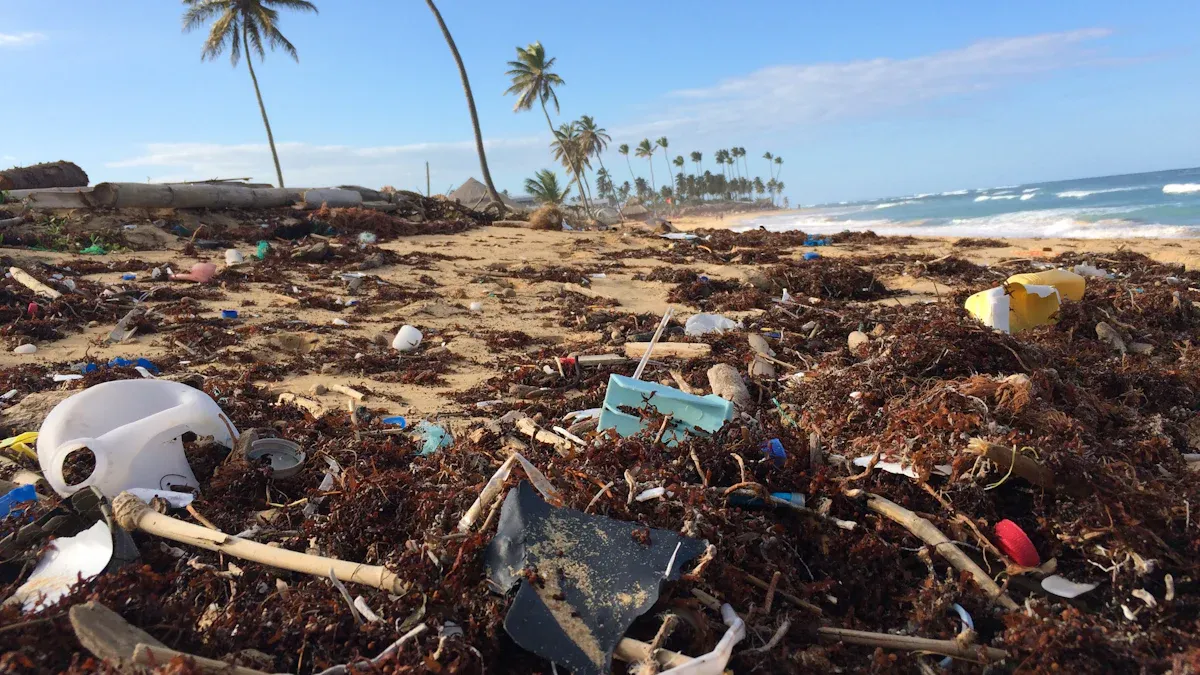
There are big differences between PLA and regular plastics. PLA is made from plants. Regular plastics come from fossil fuels. Picking eco-friendly materials helps the earth. PLA uses less energy and makes less greenhouse gas. PLA also breaks down better than regular plastics. Regular plastics stay in landfills for a very long time.
Factor | PLA | Traditional Plastics (e.g., PET, PS) |
|---|---|---|
Carbon Footprint | Lower due to renewable sources | Higher due to fossil fuels |
Biodegradability | Industrially compostable | Generally non-biodegradable |
End-of-Life Options | Composting under specific conditions | Often ends up in landfills or incineration |
Using PLA is a smart choice for the planet. You help keep the air clean and lower pollution.
Performance Differences
You want packaging that keeps things safe. PLA works for many uses but has some limits. PLA is more brittle than regular plastics. It does not handle heat as well. PLA gets soft at about 55–60 °C. Regular plastics like PE and PP stay strong when it is hot. PLA does not block water as well as regular plastics. This means it may not protect things in wet places.
Property | PLA | Traditional Plastics (PE, PP) |
|---|---|---|
Heat Resistance | Lower Tg, deforms at ~55-60°C | Higher Tg, maintains shape at higher temperatures |
Brittleness | More brittle, low impact resistance | Generally tougher, more flexible |
Moisture Barrier | Less effective | More effective |
PLA has a glass transition temperature of 58 °C.
PLA melts between 130 and 230 °C.
PLA is stiff below its Tg and can bend if stressed.
You should think about these things when picking packaging for food or other items.
Packaging Pros & Cons
PLA has many good points for packaging. It breaks down faster than regular plastics, especially in compost. Using PLA helps cut plastic waste and supports green goals. PLA uses less fossil fuel and gives off fewer toxins. This makes it safer for the earth.
Advantage | Description |
|---|---|
Biodegradability | PLA decomposes into natural elements within months, unlike traditional plastics that last centuries. |
Reduced Carbon Footprint | Producing PLA uses 68% less fossil fuel than traditional plastics, leading to lower greenhouse gas emissions. |
Less Toxicity | Fewer toxins are released during production and disposal, making PLA safer for the environment. |
There are also some problems with PLA. It needs special composting to break down all the way. You cannot recycle PLA with regular plastics. PLA is made from food crops, which can affect how much food is available.
Disadvantage | Description |
|---|---|
Compostability Caveats | Requires industrial composting facilities; otherwise, it behaves like traditional plastics. |
Competition with Food Supply | Made from food crops, potentially impacting food availability. |
Recycling Hurdles | Cannot be recycled with conventional plastics, needing specialized facilities that are less common. |
PLA does not handle heat well and is not very flexible.
PLA may need extra layers to block water and keep things safe.
Tip: You help the planet when you pick eco-friendly packaging like PLA. You keep things safe and do something good for nature.
Disposal & Compostability
Proper Disposal Methods
You need to know how to throw away PLA products the right way. Some people think compostable things can go in the trash or recycling bin. This is not true. You should compost PLA products instead of putting them in the garbage. Most recycling centers do not take PLA containers because they can mix up other materials. You can bring PLA to local commercial compost places if they are nearby. Some areas do not have special places for PLA, so you must ask your local waste management.
Compost PLA products at industrial composting facilities.
Do not put PLA in regular recycling bins.
Find special collection streams for compostable items.
Tip: Always check your local rules before throwing away PLA packaging.
Composting Options
You can compost PLA, but you need the right place. Industrial composting centers use high heat, humidity, and oxygen. These places help PLA break down into CO₂, water, and biomass. PLA can break down about 90% in industrial composting centers in 90 days. The process works best at temperatures of 55–60 °C and high humidity. Mixing with organic waste and controlled air helps tiny living things work. Home composting does not usually get hot enough, so PLA may not break down all the way.
Industrial composting centers give the best conditions for compostable items.
High heat and humidity are needed for composting PLA.
PLA can break down fully in as little as 180 days in commercial composting.
Note: Compostable items need special composting places to break down fast.
Common Misconceptions
Many people think compostable items can break down anywhere. This is not true. Compostable materials need special composting conditions. PLA does not break down in the ocean, even after many months. Some places do not take PLA packaging, and there is often no separate collection for PLA. Not having clear labels causes confusion. People may put PLA in recycling bins, thinking it is recyclable. This behavior, called “wish-cycling,” makes recycling harder. Companies sometimes call products compostable or biodegradable without proof. You must know that compostable items only break down in the right place.
Evidence | Explanation |
|---|---|
Confusion from labeling | Not understanding leads to low recycling rates. |
Wish-cycling behavior | Wrong disposal makes recycling harder. |
Shared responsibility | Everyone must work together to cut plastic waste. |
Alert: Compostable items are not a fix unless you throw them away the right way.
You have learned that bioplastics like PLA are good for the earth. PLA is safe to touch food and keeps it fresh. You can pick BN PACK Biodegradable Bags for eco choices. These bags break down in special compost centers and help nature. Always check for clear labels and certificates when you buy packaging.
Feature | Description |
|---|---|
Made from renewable resources | PLA uses plants, so it is good for the planet. |
Compostability | Certified to break down in 90-180 days at compost centers. |
Food safety | Safe for food, has no smell, and is not toxic. |
Certifications | Look for BPI, OK Compost, and FDA marks. |
Compost PLA products at special compost centers.
Pick packaging that helps the earth.