Quick Answer: bag in box soda vs bottles comes down to freshness after opening and cost per serving rather than taste. An opened bag in box soda stays fresh for roughly 2 to 4 weeks because the collapsing liner keeps air away from the drink, while an opened PET bottle starts going flat within 1 to 3 days. Boxes also ship flat, stack efficiently, and waste less product. Bottles still win for grab-and-go single servings and freezer storage. The table below sums up the trade-offs, and the rest of this guide breaks down the seven bag in box soda vs bottles differences in detail.
| Factor | Bag in Box Soda | Plastic Bottles |
|---|---|---|
| Life after opening | 2–4 weeks (air-tight liner) | 1–3 days (goes flat) |
| Shipping footprint | Ships flat, very light | Rigid, bulky, heavier |
| Product waste | Near zero (liner collapses) | High for large bottles |
| Single servings | Requires a cup and dispenser | Ready to drink anywhere |
| Best buyer | Fountain operators, events, families | Convenience stores, vending |
In This Guide
- What Is Bag in Box Soda Packaging?
- Difference 1: Freshness After Opening
- Difference 2: Storage and Shipping Footprint
- Difference 3: Product Waste and Refill Economics
- Difference 4: Sustainability and Recycling
- Difference 5: Dispensing Convenience
- Difference 6: Branding and Shelf Impact
- Difference 7: Which Format Fits Your Use Case?
- FAQ
- The Bottom Line
If you sell beverages, run a concession stand, or just buy soda for a busy household, the bag in box soda vs bottles decision affects freshness, waste, and how much shelf space you burn. Here is how the two formats really compare.
What Is Bag in Box Soda Packaging?
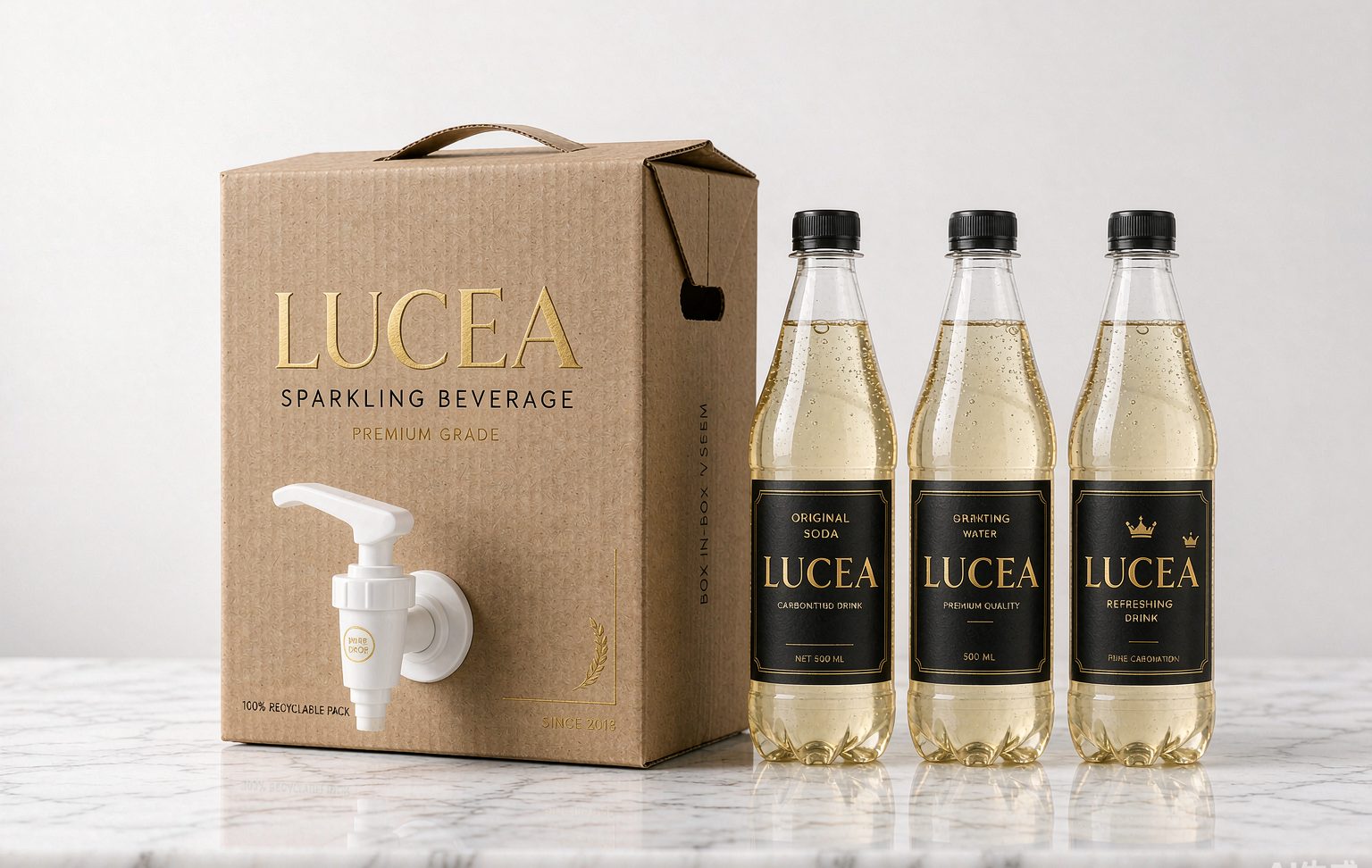
A bag in box package, as described on Wikipedia, is a flexible multilayer pouch fitted inside a corrugated carton, with a tap or fitment that dispenses the liquid. As you pour, the liner collapses so air never touches the remaining soda. The carton carries the printing and stacking strength, while the film inside handles the liquid contact layer.
This structure is why a bag in box soda pour stays carbonated long after the seal is broken. Bottles work the opposite way: every pour leaves a larger air gap at the top, and CO2 escapes into that headspace until the drink is flat. For a full walkthrough of the system, read our guide to the bag in box soda system, which covers fitments, taps, and filling lines.
When we weigh bag in box soda vs bottles, the liner physics is the single biggest technical difference, and it drives most of the seven comparisons below.
Difference 1: Freshness After Opening
Opened bottles lose carbonation fast. A 2-liter PET bottle poured once has already traded a third of its volume for air, and by day three most of the fizz is gone even with the cap tightened. Large-format bottles suffer the most because the headspace grows with every serving.
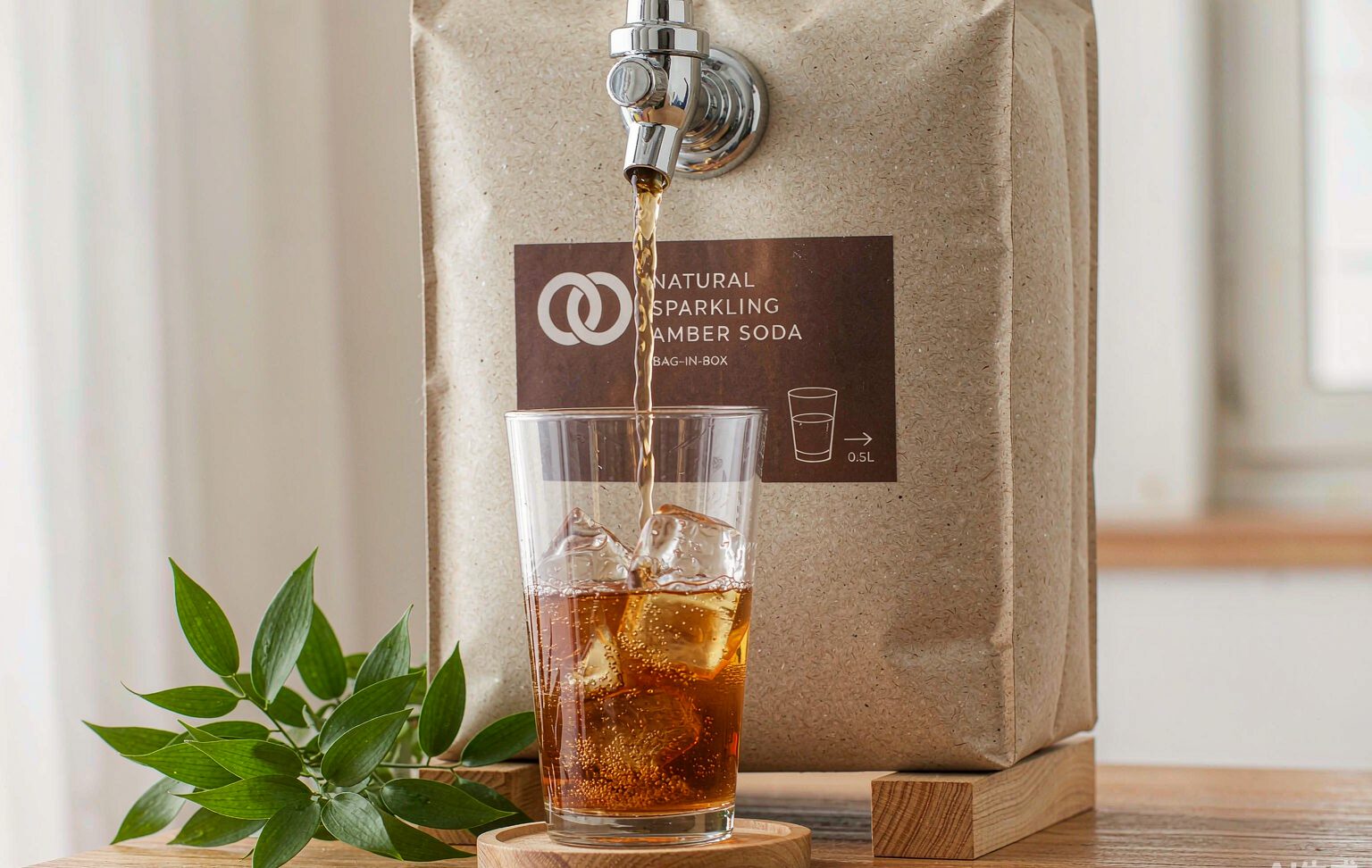
Bag in box dispensing keeps the soda sealed behind a collapsing film wall. Bars and restaurants routinely draw from the same box for two weeks or more without a noticeable drop in carbonation. Home users report similar results with countertop box dispensers. If freshness after opening is your priority, the bag in box soda format is the clear winner, and it is the reason fountain operators standardized on it decades ago. That is the first big win in the bag in box soda vs bottles comparison.
Difference 2: Storage and Shipping Footprint
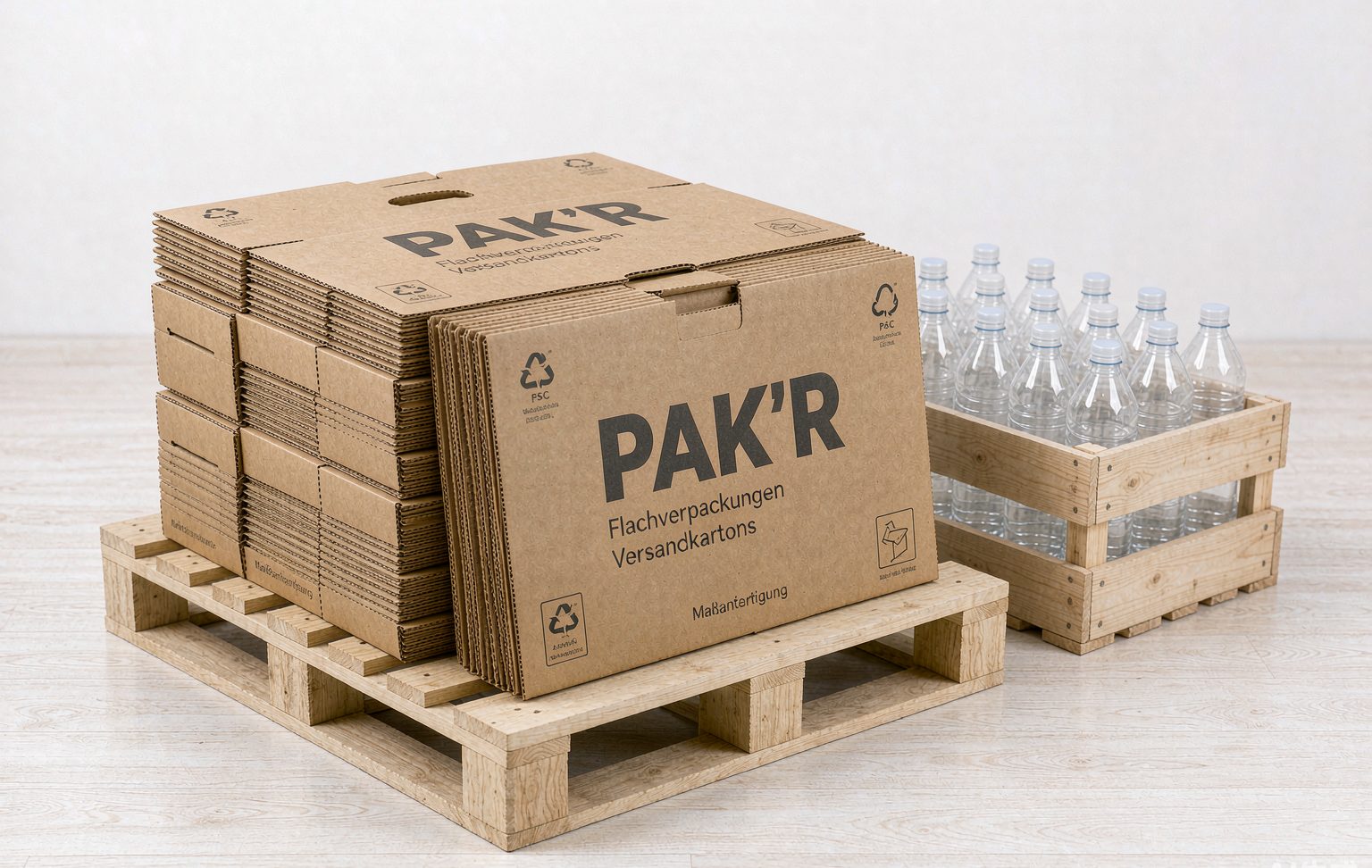
Bottles are rigid, so you pay to ship the container and the air inside it. A pallet of filled 2-liter bottles carries far less beverage per cubic meter than a pallet of boxed soda, and empty bottles still occupy their full shape in every warehouse and truck.
Boxes ship flat and fill at the destination. Empty cartons stack like paper, and filled boxes cube out a pallet tightly because the corners are square. In the bag in box soda vs bottles comparison, that means lower freight per liter, less back-room storage, and faster restocking for venues with limited cold space.
Difference 3: Product Waste and Refill Economics
Think about the last third of a 2-liter bottle. It is usually flat, half flat, or poured down the drain. Industry observers estimate that a meaningful share of large-bottle soda is wasted after opening, which quietly raises the effective cost per glass you actually enjoy.
A collapsing liner dispenses essentially all of its contents. Combine near-zero spoilage with the fact that boxed formats hold more servings per package, and the bag in box soda vs bottles refill math tilts toward the box for any high-volume setting. Budget tier venues feel this first, but premium tier operators care even more because they pour premium syrup. Our how to fill bag in box guide shows how filling lines keep this waste advantage intact at scale.
Difference 4: Sustainability and Recycling
Per liter delivered, flexible packaging uses notably less plastic than rigid bottles, and the carton is mostly paper. Lighter weight also means fewer truckloads and lower transport emissions across the supply chain.
The honest caveat is recycling infrastructure. Bottles made of clear PET are accepted in most curbside programs, while multilayer box liners are harder to process and depend on local facilities. The corrugated outer box, however, recycles almost everywhere. Our article on bag in box recycling explains how to separate film from carton so both streams are handled correctly. On raw material use and transport footprint, the bag in box soda vs bottles verdict favors the box; on curbside simplicity, bottles still win.
Difference 5: Dispensing Convenience
Bottles are the undisputed champion of portability. Twist the cap, drink, done. Vending machines, gas stations, and lunchboxes are built around that convenience, and no box format will replace the single-serve bottle on the go.
Boxes win at the point of serving. A tap delivers a consistent pour into a cup with no lifting, no pouring spills, and no half-empty containers cluttering the fridge. Events, offices, and food service counters value that flow. So in the bag in box soda vs bottles matchup, ask one question: is the drink consumed where it is stored? If yes, boxes dispense better. If the drink travels, bottles win.
Difference 6: Branding and Shelf Impact
Bottles offer transparent product visibility, embossed logos, and label real estate that shoppers know how to read in two seconds. That is powerful at retail, which is why every major soda brand defends its bottle shelf space aggressively.
Box formats fight back with a full-wrap printable carton: four flat billboards plus a top panel, which is more decorated area than any bottle label. Craft soda brands and beverage startups use that canvas for bold graphics that stand out on crowded shelves. Custom bag in box programs let brands print high-resolution artwork on the carton while the inner film stays food safe and neutral. For shelf storytelling area per package, the bag in box soda vs bottles print contest also goes to the box, and our overview of types of beverage packaging shows where both formats sit in the wider market.
Difference 7: Which Format Fits Your Use Case?
After six technical comparisons, the bag in box soda vs bottles choice comes down to where and how the soda is consumed:
| Use Case | Recommended Format | Why |
|---|---|---|
| Fountain service, bars, cafes | Bag in box | Fresh for weeks, fast pour |
| Events and catering | Bag in box | High volume, low waste |
| Family fridge at home | Bag in box | No flat leftovers |
| Grab-and-go retail | Bottles | Chilled single serve |
| Vending machines | Bottles | Machine compatibility |
| Camping and travel | Bottles | No dispenser needed |
Many beverage businesses run both: boxes for fountain draws and bottles for to-go cooler doors. That hybrid approach is exactly how large operators resolve the bag in box soda vs bottles question, like the Red Bull bag in box programs position the formats as complements rather than rivals.
Quick Comparison: Cost Signals Without Price Tags
Since packaging economics vary by supplier and volume, here is how the bag in box soda vs bottles cost signals compare in qualitative terms only:
| Cost Signal | Bag in Box | Bottles |
|---|---|---|
| Packaging material per liter | Low (film + paper) | Higher (rigid PET) |
| Freight per liter | Low (flat shipping) | Higher (air shipped) |
| Wasted product | Near zero | Meaningful after opening |
| Dispensing hardware | Tap or dispenser needed | None |
FAQ
How long does soda stay fresh in a bag in box after opening?
In the bag in box soda vs bottles freshness race, the box typically lasts 2 to 4 weeks after opening because the liner collapses and keeps air away from the remaining soda. An opened bottle lasts 1 to 3 days before going noticeably flat.
Does bag in box soda taste different from bottled soda?
No meaningful flavor difference exists when both are fresh. The film is a food contact barrier, and any careful bag in box soda vs bottles taste comparison finds the box pour equal or fresher because it has less air exposure.
Is bag in box packaging cheaper than bottles?
In the bag in box soda vs bottles cost race, boxed formats usually cost less per liter of soda delivered and consumed thanks to lighter materials, flat shipping, and near-zero waste, but exact figures depend on volume and supplier, so ask for a quote in budget, mid, or premium tier terms.
Can I recycle a bag in box carton?
The corrugated outer box recycles in nearly all paper streams. The inner film liner needs separation and depends on local flexible film facilities, so check your municipal guidelines.
What sizes do bag in box soda packages come in?
Common volumes range from roughly 3-liter countertop boxes to 20-liter post-mix syrup boxes for fountain systems, with 5-liter and 10-liter boxes popular for events and food service.
The Bottom Line
In the bag in box soda vs bottles debate, the box wins wherever soda is consumed from the same place it is stored: fountain counters, events, offices, and family fridges. It stays fresh for weeks, ships flat, wastes almost nothing, and offers a bigger branding canvas per package. Bottles win wherever the drink has to travel, and their curbside recyclability keeps them relevant. Whichever side of the bag in box soda vs bottles decision you land on, if you are weighing the box route, our how to change bag in box walkthrough covers day-to-day handling. For most high-volume soda programs, the answer is not either-or; it is boxes for the tap and bottles for the road.