
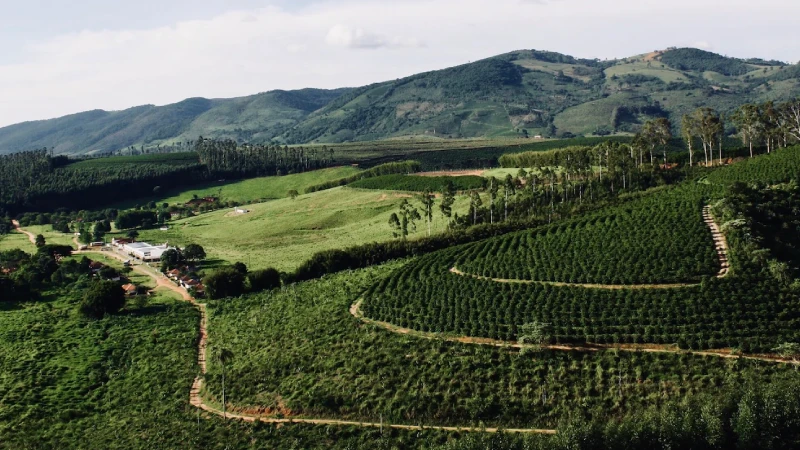
Coffee brands have spent years talking about climate change in relation to farming, crop yields, and bean prices. In 2026, that conversation is no longer limited to origin. Climate change now affects coffee packaging decisions too. Hotter conditions, more frequent extreme weather, and more disruption across supply chains are increasing pressure on brands to protect freshness more carefully while also reducing waste and meeting tighter packaging rules. At the same time, regulators are pushing the market toward recyclable design, recycled content, and clearer disposal information.
For coffee roasters, private label brands, and packaging buyers, this changes the job of a coffee bag. It is no longer enough for packaging to look premium and provide a basic barrier. The bag now has to support product protection, compliance, and sustainability claims at the same time. That is why more buyers are reassessing structure, finish, labeling, and end-of-life options before placing their next packaging order. If your brand is reviewing its next custom coffee bag project, 2026 is a good time to take a more strategic approach.
Why Climate Change Now Affects Coffee Packaging, Not Just Coffee Farming
Packaging Is Under Pressure From More Unpredictable Supply Chains
Climate change increases the frequency and severity of heat extremes and other disruptive weather events. That matters for coffee packaging because roasted coffee can move through warehouses, ports, trucks, and retail environments before it reaches the consumer. As temperatures and climate variability rise, packaging performance becomes more important in preserving aroma, limiting oxygen exposure, and reducing quality loss during transit and storage. This is a practical packaging issue, not only an agricultural one.
Roasters Need Better Protection Without Creating More Waste
The challenge is that coffee brands do not want to solve one problem by creating another. Stronger protection often means more complex material structures, but many of those structures are harder to recycle. At the same time, regulators and buyers are moving toward packaging systems that use less virgin material, improve recyclability, and fit circular economy expectations. In other words, brands increasingly need packaging that protects better and wastes less.
Coffee Brands Are Being Forced to Reevaluate Their Packaging Specs
Because of this pressure, packaging is no longer just a procurement detail. It has become part of brand risk management. A coffee bag structure that worked five years ago may now create problems in three areas: it may be harder to justify environmentally, less aligned with new market rules, and less suitable for variable storage and transport conditions. That is why many coffee brands are reviewing material combinations, recyclability pathways, labeling claims, and barrier requirements together instead of treating them as separate decisions.
2026 Regulations Are Changing What Coffee Bags Can Be Used in Global Markets
EU Packaging Rules Are Raising the Bar
The EU’s Packaging and Packaging Waste Regulation entered into force in February 2025 and generally applies from August 12, 2026. The European Commission says the regulation is designed to reduce packaging waste, increase recycled content, and make all packaging on the EU market recyclable in an economically viable way by 2030. For coffee brands selling into Europe, packaging choices are now tied much more directly to market access and future compliance readiness.
EPR Policies Are Expanding in More Markets
Extended producer responsibility, or EPR, is also becoming more relevant to packaging buyers. OECD defines EPR as a policy approach that makes producers responsible for products through the lifecycle, including the post-consumer stage. In practice, that means packaging is no longer judged only by cost and shelf appeal. Brands increasingly have to consider how the package will be collected, sorted, recycled, or financed after use.
Why Compliance Is Now Part of Packaging Strategy
For coffee brands, this means packaging strategy has to include legal and operational questions. Can the structure be defended as recyclable in the target market? Does the label provide clear sorting information? Are recycled-content or sustainability claims supportable? These are no longer optional talking points for marketing teams. They are becoming part of normal packaging development.
Why Mono-Material Coffee Bags Are Becoming More Important
The Problem With Traditional Multi-Layer Coffee Bags
Traditional coffee bags often rely on complex multi-material laminations because coffee needs protection from oxygen, moisture, and light. Those structures can perform well, but they are often more difficult to recycle because different layers are hard to separate in existing recovery systems. As a result, many brands are reevaluating whether every SKU really needs the same kind of complex laminate.
How Mono-PE and Mono-PP Structures Help
Industry recycling guidance increasingly points toward mono-material polyolefin structures where possible. CEFLEX’s design guidance says mono-PE and mono-PP structures are preferable to mixed materials because they are easier to recycle and can improve the quality of recycled output. For coffee packaging, that does not mean mono-material works for every product, but it does explain why these structures are getting more attention in development briefs.
PCR Content Is Becoming a Practical Requirement
The same shift is happening with recycled content. The EU’s packaging rules aim to safely increase the use of recycled plastics in packaging, and that is pushing more buyers to ask not only whether a bag is recyclable, but also whether PCR content can be introduced without hurting performance or appearance too much. For brands selling in regulated markets, PCR is moving from “nice to have” toward “should be evaluated early.”
Lightweighting Is No Longer Just About Cost Savings
Using Less Material Can Reduce Environmental Impact
Lightweighting used to be discussed mainly as a cost-control move. In 2026, it is increasingly part of sustainability planning. EPA notes that source reduction reduces greenhouse gas emissions, and flexible packaging industry life-cycle work also links lighter packaging to lower fossil fuel use and lower carbon impact because less material is used. For coffee brands, that means bag size, film thickness, and unnecessary format complexity deserve closer review.
Smarter Bag Sizing Can Reduce Waste
One of the simplest improvements is better sizing discipline. Oversized bags, overly heavy laminates, and decorative add-ons that do not improve performance can all increase material use without delivering much real value. A better approach is to match bag dimensions, finish, and structure to the real product need: retail shelf life, transit exposure, and sales velocity. This is where a well-chosen custom coffee bag can create both efficiency and brand clarity.
Climate Risk Is Increasing the Need for Better Barrier Performance
Hotter and More Variable Transit Conditions Put Coffee at Risk
Even as the industry moves toward recyclability, barrier performance is still critical. WMO reports that recent years have been among the hottest on record, and climate extremes are becoming more common. For coffee brands, that means packaging may face more demanding transit and storage conditions than before, especially in export chains or hot-weather retail markets.
Brands Still Need Strong Oxygen and Moisture Protection
This is why climate-focused packaging strategy should not be confused with “use less barrier.” In many coffee applications, the better goal is “use the right barrier in the simplest defensible structure.” Coffee still needs protection against oxygen and moisture, and in some cases against light as well. The real task is balancing freshness needs with circular design goals rather than sacrificing one for the other.
New Recyclable High-Barrier Structures Are Changing the Market
The good news is that the market is improving. Recyclability guidelines and testing systems such as RecyClass are pushing packaging development toward structures that are more compatible with specific recycling streams, while industry examples show continued innovation in mono-material flexible packaging. That does not eliminate trade-offs, but it does mean coffee brands have more options than they did a few years ago.
What Coffee Brands Print on the Bag Matters More in 2026
Generic Sustainability Claims Are No Longer Enough
As regulations tighten, vague wording such as “eco-friendly” or “green packaging” becomes less useful and potentially more risky. Clear, supportable communication is becoming more important because regulators and customers both expect packaging claims to match real disposal or recyclability conditions. A sustainability message now needs to be tied to something verifiable.
Verified Disposal Instructions Improve Trust
The EU’s new packaging regime points toward clearer labeling for sorting, and How2Recycle emphasizes standardized disposal instructions based on harmonized data. For coffee brands, that means on-pack communication is increasingly part of packaging performance. It is not just design copy anymore. It helps determine whether consumers can actually dispose of the bag correctly.
QR Codes and Digital Transparency Tools Are Growing
Digital tools are also becoming more relevant. How2Recycle’s newer labeling approach includes dynamic QR functionality for localized, real-time disposal instructions. For coffee brands operating across multiple regions, digital layers can help explain materials, disposal pathways, and sustainability details more clearly than a small printed panel ever could.
Reusable and Refill-Oriented Coffee Packaging Models Are Emerging
Reuse Is Gaining More Attention, but It Is Not the Whole Market
The EU packaging framework also includes reuse measures, which is one reason more brands are discussing refill systems, tins, and longer-life primary containers. In coffee, these models may grow first in premium retail, local refill concepts, or tightly controlled programs. But for most brands, they are still an emerging option rather than a complete replacement for single-use flexible bags.
Why Most Brands Still Need Better Single-Use Bags First
For the majority of coffee businesses, the immediate opportunity is not to replace all bags with a reusable system. It is to improve the single-use bag they already depend on. That means choosing a structure that matches the product’s shelf-life needs, the target market’s recycling reality, and the brand’s compliance exposure. In practice, better packaging decisions now often begin with simplification, clearer labeling, and more realistic barrier planning.
How Coffee Brands Should Respond to Climate-Driven Packaging Changes
Audit Your Current Coffee Bag Structure
Start by reviewing what your current bag is made of, how recyclable it is in your target markets, and whether your claims can be supported. If you sell into Europe or other regulated markets, this review should happen before the next redesign, not after.
Review Your Transit and Storage Conditions
Then look at the real supply chain. How long does the coffee sit before sale? Does it travel through hot or humid regions? Is the pack designed for retail turnover, export, ecommerce, or subscription delivery? Climate change makes these practical questions more important, because packaging performance depends on use conditions, not just lab assumptions.
Match Packaging Choices to the Markets You Sell Into
Finally, match the bag to the market. A structure that works for one region may not be the best fit for another if recycling systems, label expectations, or EPR rules differ. Brands that treat packaging as a market-specific decision will usually be in a stronger position than those trying to force one solution across every channel.
Choosing the Right Custom Coffee Bag for a Changing Climate
There is no single perfect answer for every coffee product. Some brands will prioritize recyclable mono-material development. Others will still need higher-barrier structures for export, long shelf life, or sensitive roast profiles. The best choice is usually the one that balances freshness protection, realistic end-of-life pathways, and the compliance demands of the markets you serve. That is why the most useful starting point is not a generic “sustainable packaging” claim, but a proper evaluation of product risk, sales channel, and material options.
In 2026, climate change is reshaping coffee packaging because it is forcing brands to think more holistically. The bag must now protect freshness, fit circular design trends, communicate disposal clearly, and support the credibility of the brand itself. If your business is planning its next packaging update, reviewing the right custom coffee bag options now will put you in a much stronger position for the years ahead.