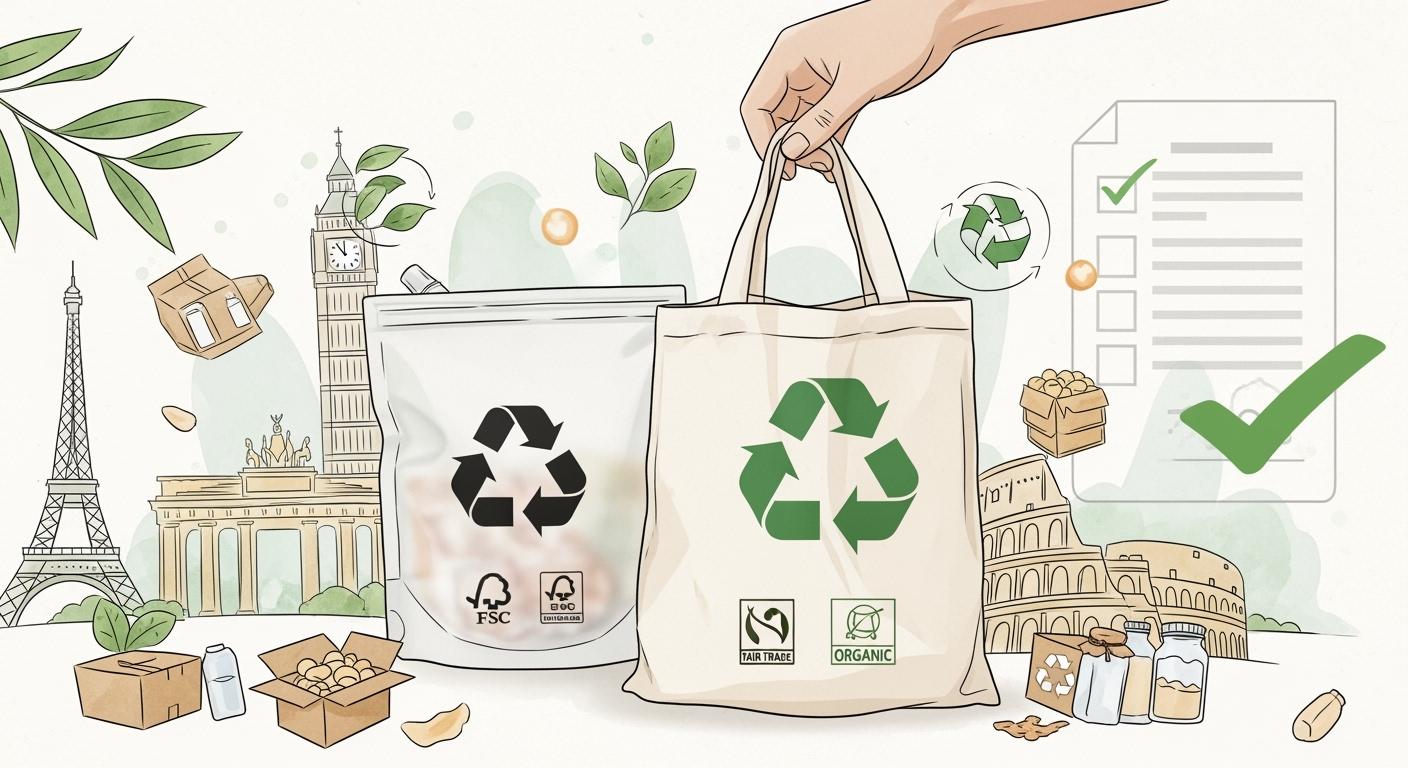
You see pouch and bag design changing fast. This happens because eu design-for-recycling standards want more recyclable materials. Eu design-for-recycling standards say all packaging must be recyclable by 2030. These standards help cut down waste. They also help eco-friendly choices get more popular. BN PACK is a leader with smart ideas. Look at this table:
Category | Detail |
|---|---|
Market Segment Growth Rate | Bags & pouches grow at 7.1% CAGR |
Revenue Share | Europe holds 35%+ in recyclable packaging |
Regulatory Impact | Waste reduced by 5% by 2030, 10% by 2035, 15% by 2040 |
Recyclability Requirement | All packaging recyclable by 2030 |
Eu design-for-recycling standards change what makers, brands, and you as a buyer expect.
EU Design-for-Recycling Standards Overview
Main Objectives and Timeline
The EU made design-for-recycling standards for a reason. These rules help people and companies make less packaging waste. They also protect nature. The main goals are to make all packaging recyclable. They want to use fewer single-use items. They also want more reusable systems. The EU wants everyone to use less material. They want people to pick eco-friendly choices.
Here is a table with the main goals and deadlines:
Objective/Deadline | Description |
|---|---|
Minimize packaging waste | The rules try to cut extra packaging and support green design. |
Recyclability by 2030 | All packaging must be recyclable in a way that works for the recycling system. |
Reuse promotion | The EU wants you to use reusable packaging systems. |
Binding reuse targets | You must meet targets to lower single-use packaging. |
December 19, 2024 | The regulation was officially adopted. |
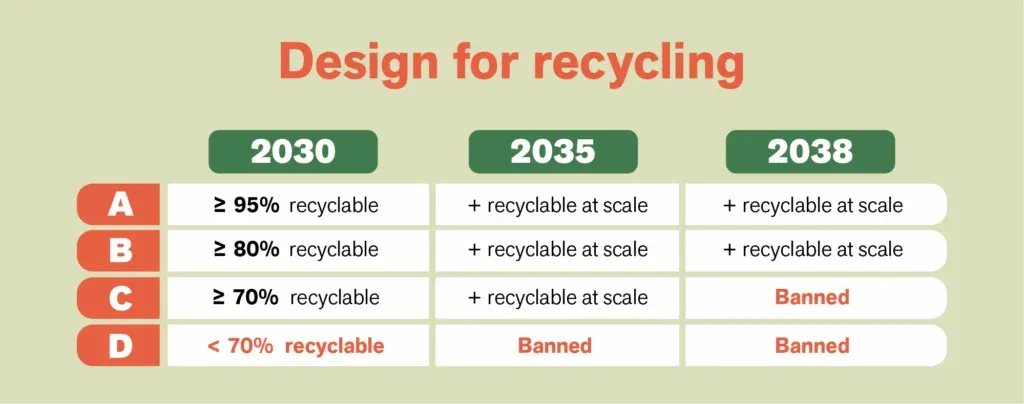
January 1, 2030 | All packaging must reach at least grade C recyclability. |
January 1, 2038 | Packaging must reach at least grade B recyclability for market placement. |
Key Packaging Waste Regulation Requirements
Packaging waste regulation changes how you pick and design packaging materials. You must follow strict rules so your packaging fits the recycling system. The rules set clear standards for recyclability, recycled content, and labeling. You also need to pay attention to extended producer responsibility. This means you are responsible for the waste your products make.
Key requirements include:
All packaging must be recyclable by 2030 and meet certain grades.
You must use recycled content in plastic packaging, like 30% for PET food packaging by 2030.
Clear labeling is needed to show recyclability and recycled content.
Fees depend on how well your packaging fits the recycling system.
The regulation makes you rethink how you design packaging. You need to use materials that work well in recycling. You should avoid materials that cause problems. This change helps support a circular economy. It also makes recycling easier for everyone. By following these rules, you help cut packaging waste and protect the planet.
Recyclability in Pouch and Bag Design
Material Choices and Mono-Materials
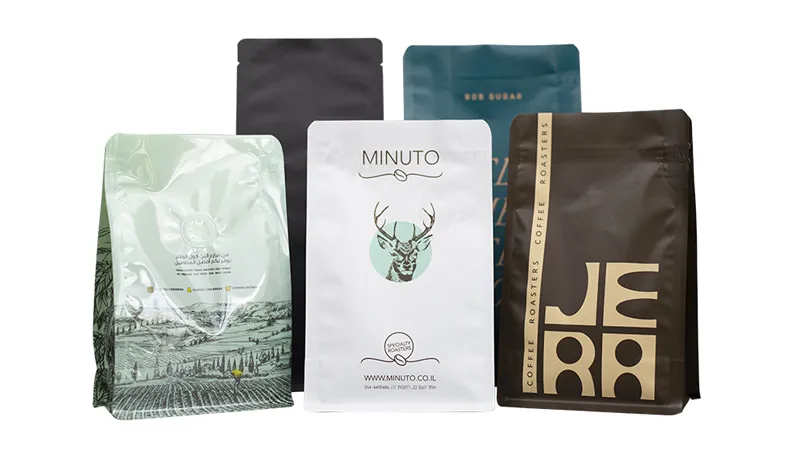
Pouch and bag design is changing a lot because of new EU rules. Brands pick mono-materials now to make recycling easier. Mono-materials use only one kind of plastic in the whole pouch or bag. This helps recycling and matches EU recyclability categories. There are two main mono-materials you see in the market:
Material Type | Characteristics | Applications |
|---|---|---|
Mono-PE | Very flexible, seals well, keeps out moisture | Food, snacks, dry products |
Mono-PP | Stiffer, handles heat better | Pet food, powders, household goods |
Mono-PE works well with polyethylene recycling.
Mono-PP fits into polypropylene recycling.
Using mono-materials helps recycling centers sort and process packaging. It also shows you care about the environment. Mono-materials have some good points over multi-layer materials:
Advantages | Disadvantages |
|---|---|
Easier to recycle | Not as good at blocking air or water |
Better for the environment | Harder to pick the right material |
Follows the rules | Can cost more |
Makes less waste | Might not work for all products |
When you use mono-materials, customers trust you more. They also feel loyal and want to help the planet. This shows you care about social responsibility.
Structural Changes for Recycling
You need to change how pouches and bags are built to recycle them better. Now, regulators check if your packaging can be recycled after use. “Compliant” now means it must be easy to recycle, not just made from the right material. If you use many materials glued together, recycling centers may not accept your packaging.
Here are some important things to think about:
- Make sure your pouch can go in store drop-off recycling bins.
Use clear labels like the How2Recycle “Store Drop-Off” label.
Check if zippers, valves, and inks work with PE recycling so they do not cause problems.
Make your design simple and remove extra layers or linings.
Use materials that work together so recycling centers do not reject them.
Give clear info about what your bag is made of and how to recycle it.
You should also think about zippers and spouts. Mono-material zippers help keep the pouch easy to recycle. Spout pouches with mono-material or less plastic spouts are better for recycling and still pour well. These features help you meet the best design for recycling and recyclability categories.
Printing and Labeling Adaptations
Printing and labeling are important if you want your packaging to be recycled. The EU says your packaging must be recyclable in today’s recycling systems. You should not use materials that make recycling hard. For example, do not use multi-material laminates, dark plastics that confuse machines, or parts that cannot be removed.
Starting in 2028, you must use simple, clear labels. These labels help people know how to sort their trash. Labels should say what the bag is made of and how to throw it away. You can also use QR codes or digital tools to give more info about sorting, recycling, and reuse.
The glue and ink you use matter too. Some glues do not come off easily during recycling and cause trouble. Inks made from fossil fuels can also make recycling harder. Pick glues and inks that help recycling work well. This helps you get good recyclability grades and supports the circular economy.
The EU’s Packaging and Packaging Waste Regulation has strict tests. All packaging must pass tests to show it can be recycled. The system uses grades like A, B, and C for recyclability. These grades decide if you can sell your packaging and how much you pay in fees. You must follow the rules and test your packaging to meet these standards.
Tip: Always check the newest testing rules and design ideas before you sell new plastic packaging. This helps you stay ahead in recycling and following the rules.
Every step, from picking materials to labeling, matters for recycling. You must focus on design, recyclability categories, and testing to do well in the new EU market.
Industry Response and BN PACK Solutions
How BN PACK Adapts to EU Standards
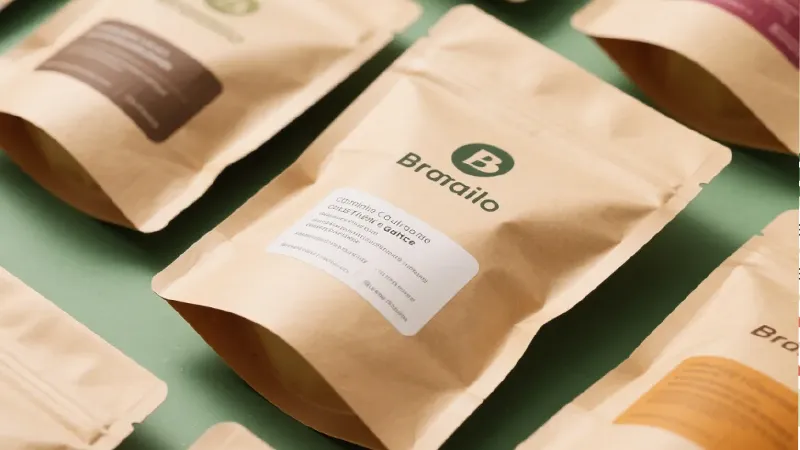
You need packaging that follows EU rules. BN PACK helps you with this. They focus on following rules and making new ideas. BN PACK uses a traceability system. This system tracks where each material comes from. You can find QR codes and NFC tags on products. These tags make tracking easy. Gas flush packaging saves 30% energy. You get certifications like FSC, EN 13432, and ASTM D6400. Each certification has a license number on datasheets. Third-party lab reports are ready if you ask. BN PACK gives you all documents for compliance. This shows your packaging meets recyclability, compostability, and reuse standards.
Note: The traceability system helps you fix compliance problems fast. It also builds trust with your customers.
Custom Recyclable Pouches and Innovation
BN PACK offers many custom recyclable pouch choices. You can pick the shape, printing, and special treatments. They use advanced sealing technology. This keeps products fresh and leak-proof. All pouches use certified compostable and recyclable materials. This supports your care for the environment.
Feature | Description |
|---|---|
Advanced Sealing Technology | Keeps products leak-proof and fresh. |
Customization Options | Lets you pick shape, printing, and special treatments. |
Sustainability Commitment | Uses certified compostable and recyclable materials. |
BN PACK spends money on research and development. This creates new materials and better pouch designs. The company uses AI to make packaging easier to recycle. You get packaging that helps the circular economy. It also meets international standards.
Implications for Brands, Consumers, and the Environment
Brand Compliance and Costs
Brands have new problems because of EU design-for-recycling standards. These rules make brands change how they design packaging. They must use materials that are easier to recycle. This can make costs go up and give brands more work to do.
Brands pay fees if their packaging is not easy to recycle.
They spend more money on research to meet the new rules.
If packaging does not meet the right grade by 2030, brands pay more.
Brands must buy certified recycled content, which can change where they get materials.
Key Point | Description |
|---|---|
Impact on Sourcing | Brands need to find recycled materials, which can change suppliers. |
Operational Costs | Brands spend more at first, but can earn trust and new buyers. |
Market Opportunities | Following the rules can make a brand a leader in being green. |
Brands must follow these rules to avoid extra costs. This also helps the planet.
Consumer Experience and Recycling Ease
People want packaging that is simple to recycle at home. New pouch and bag designs make this easier for everyone. Brands use one kind of material and give clear instructions. These things help you recycle better:
Pick pouches made from just one type of plastic or paper.
Look for easy-to-read recycling instructions on the package.
Use bags with fewer extra parts so you can recycle them locally.
Choose packaging with lots of recycled content for better reuse.
Stores also teach people how to recycle. Some countries give rewards when you return packaging. This helps you recycle more and keeps trash out of nature.
Environmental Impact and Circularity
You help the earth when you pick recyclable packaging. The new rules help the circular economy by keeping packaging in the recycling system. This means there is less trash and more things get reused. The packaging rules make brands design bags and pouches that fit recycling centers. More products can be recycled and turned into new things. Every time you recycle, you help keep the planet clean and support recycling.
Challenges and Opportunities Ahead
Technical and Economic Barriers
There are some big problems when making pouches and bags easy to recycle. Sorting machines have trouble with thin plastic films. Food left in bags can make recycling worse. Many people do not understand recycling rules, so they make mistakes. The table below shows the main problems:
Barrier Type | Description |
|---|---|
Sorting Challenges | Plastic films can jam sorting machines and get left out of recycling programs. |
Contamination from Food | Food or oil left in bags makes recycling less effective and lowers material quality. |
Consumer Confusion | Unclear labels and different rules make it hard for people to recycle correctly. |
Money is also a big part of the problem. Polypropylene can cost a lot. Compostable films are even more expensive. You might pay extra fees if your packaging cannot be recycled. These costs can get high, especially for big orders.
Polypropylene films cost between $1.32 and $1.70 for each kilogram.
Simple recyclable pouches cost about $4.20 for 1,000 pieces.
Compostable films can cost 20% to 50% more.
Extra fees are added for packaging that cannot be recycled.
Supply Chain and Innovation Trends
It can be hard to find enough green materials. Good suppliers are not always easy to get. Keeping prices low and finishing on time can be hard. You also need to make sure your packaging follows strict green rules.
Challenge | Description |
|---|---|
Sustainability Imperatives | You must reduce plastic waste to meet consumer and legal demands. |
Material Complexity | Multi-layer pouches make recycling harder. |
Supplier Reliability | Finding good suppliers for green materials can be difficult. |
The industry is changing quickly. More mono-material pouches are being used because they are easier to recycle. New barrier technology helps keep food fresh and still lets you recycle. Digital tools like QR codes now give clear recycling steps. Brands like BN PACK work with partners such as TerraCycle to set up collection spots. BN PACK also spends money on new materials, like marine-degradable polymers, to lead in green packaging.
EU design-for-recycling standards make brands use more recyclable materials. These rules say all packaging must follow strict recycling rules by 2030. BN PACK is a leader and offers eco-friendly pouches you can customize. These pouches help you reach recycling goals. Soon, you will see flexible packaging that is smarter and better for the planet. This packaging will fit into a circular economy.