
You see plastic bags a lot with food and other products. These bags are made from polymers like polyethylene and polypropylene. Most flexible packaging uses these materials for strength and safety. Pouches and laminated films also use them. BN PACK has a lot of experience with custom packaging. They care about quality and the environment.
In 2026, plastic was nearly 47% of this market.
The flexible packaging market was almost USD 294 billion in 2025.
Main Materials in Plastic Bags
Plastic bags for food and industry use special materials. Most of these bags are made from chemicals that come from petroleum. The main materials are polyethylene and polypropylene. These materials make plastic bags strong, bendy, and safe. BN PACK uses these polymers to make flexible packaging. They do more than just simple store bags.
Polyethylene: LDPE, HDPE, LLDPE
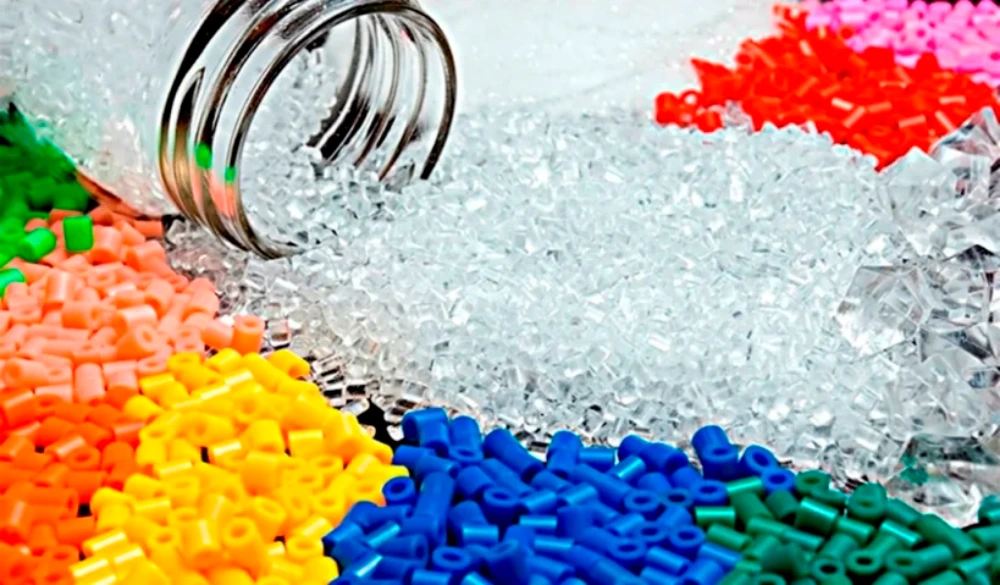
Polyethylene is the most common material in plastic bags. People make polyethylene by joining many ethylene molecules together. This process is called polymerization. Polyethylene is part of the polyolefin family of resins. There are three main types: LDPE, HDPE, and LLDPE.
Here is a table that shows how LDPE and HDPE are made and what makes them special:
Type of Polyethylene | Production Process | Characteristics |
|---|---|---|
Made from gaseous ethylene under high pressures (up to 350 MPa) and temperatures (up to 350 °C) with oxide initiators. | Flexible, with both long and short branches, melting point ~110 °C. | |
Synthesized using a catalyst that stabilizes radical sites at the ends of PE chains. | More rigid and crystalline structure compared to LDPE. |
LDPE is soft and can bend easily. HDPE is strong and stiff. LLDPE means linear low-density polyethylene. It has a straight backbone with short branches. This gives LLDPE both strength and flexibility. It also does not tear easily and can take hard hits. LLDPE is great for tough packaging.
Let’s compare their structures and uses:
Type | Structure Description | Density (g/cm³) | Crystallinity (%) | Performance Characteristics |
|---|---|---|---|---|
HDPE | Long linear molecules with few branches | 0.941 – 0.965 | 80 – 95 | High strength, rigidity, suitable for structural applications |
LDPE | Highly branched structure | 0.910 – 0.940 | 55 – 65 | Softer, flexible, ideal for impact resistance and transparency |
LLDPE | Linear backbone with short branches | N/A | N/A | Balance of strength and flexibility, excellent tensile strength and tear resistance |
HDPE makes plastic bags strong and stiff. LDPE makes bags soft and good at stopping damage. LLDPE mixes both, so bags are strong and flexible.
Polypropylene Films
Polypropylene is another key material for plastic bags. People make polypropylene by joining propylene gas together. This material also comes from petroleum. Polypropylene films are used a lot in food packaging because they have special features.
Here is a table that compares polypropylene and polyethylene in packaging:
Advantage | Polypropylene (PP) | Polyethylene (PE) |
|---|---|---|
Oxygen Barrier | Better oxygen barrier | Standard barrier |
Heat Resistance | High heat resistance | Lower heat resistance |
Clarity and Gloss | Crystal clear with high gloss | Less clarity |
Structure | Stiffer and more rigid | More flexible |
Polypropylene films block oxygen better. They also stand up to heat and look shiny and clear. These features make them good for snacks, baked goods, and foods that need to stay fresh.
PET and Specialty Polymers
PET stands for polyethylene terephthalate. People make PET by mixing ethylene glycol and terephthalic acid. PET is strong and clear. It is often used in laminated films for extra strength and to block air and water. Specialty polymers like EVOH and PA can be added. These materials help plastic bags block oxygen, water, and smells even better.
Tip: When you pick materials for your packaging, think about what your product needs. BN PACK can help you choose the right mix for strength, safety, and shelf life.
BN PACK uses these advanced polymers to make custom flexible packaging. You get bags that keep your products safe and looking good on the shelf.
Additives and Layers in Plastic Plastic Bags
Performance Additives
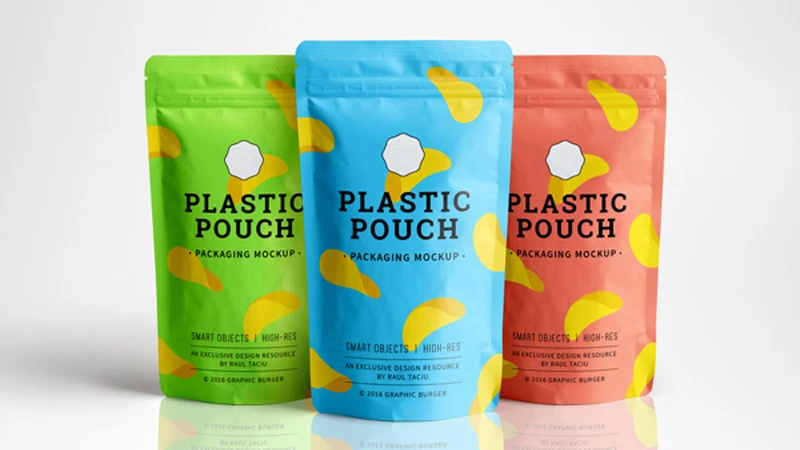
Plastic plastic bags need to be strong and safe. Makers add special ingredients called performance additives. These additives help bags not tear or stretch too much. Some additives make bags softer. Others make them stronger. Slip agents help bags open easily. They also stop bags from sticking together. Antistatic agents keep dust and dirt off the bag. UV stabilizers protect what is inside from sunlight. These additives help bags last longer. They also make bags work better for food and industry. If you pick bags that last longer, you help cut down on waste.
Barrier Layers
Plastic plastic bags have layers that protect products. These layers block air, water, and light. Barrier layers use materials like PET, AlOx coatings, and multilayer structures. Each layer does something special. PET gives strength and lets you see inside. AlOx coatings keep oxygen out and help food stay fresh. Multilayer structures use different materials to block air, water, and light. You find these layers in bags for snacks, coffee, and meat. For example: PET blocks some oxygen and is clear. AlOx coatings make bags almost airtight. Multilayer structures use each layer for a special job. Bags with these layers help keep food fresh longer. This means you throw away less food and packaging.
Food-Grade Standards
Plastic plastic bags for food must follow strict safety rules. These rules make sure no bad chemicals get into your food. BN PACK follows top food safety standards. Here is a table with some important standards:
Standard Type | Description |
|---|---|
FDA Compliance (U.S.) | Food packaging must follow FDA rules to stop bad chemicals from getting into food. |
ISO Compliance | Uses global food safety systems, which helps with international trade. |
EU Regulations | Makes sure no dangerous substances move from plastics to food. |
Third-Party Certifications | Certifications like BRC and SQF show the company follows food safety best practices. |
BN PACK gives you bags that meet these standards. You can trust your packaging to keep food safe. Picking safe bags helps the environment and cuts down on waste.
Laminated Film Structures
Multilayer Packaging Benefits
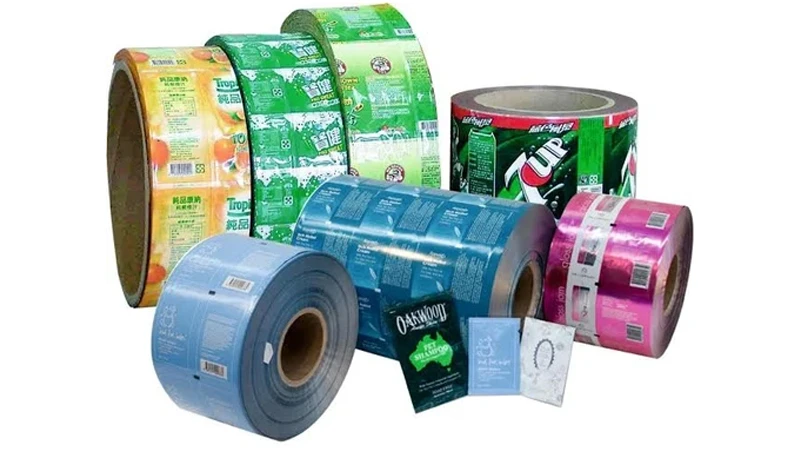
Packaging needs to keep things safe and fresh. Multilayer laminated films do this well. These films have many layers of plastic and other stuff. Each layer does something special. Some layers stop air and water from getting in. Other layers make the bag stronger or look nicer. This gives better protection for food and other products.
Here is a table that shows the main benefits of multilayer laminated film structures:
Benefit | Description |
|---|---|
Protects against moisture, oxygen, and light, crucial for food preservation. | |
Customization | Thickness and permeability can be adjusted for specific packaging needs. |
Waste Reduction | Extended shelf life leads to less food waste and improved consumer satisfaction. |
Multilayer films help keep food fresh longer and cut down on waste. You can pick the right thickness and barrier for your product.
Laminated Combination | Performance Characteristics |
|---|---|
Two-Layer Laminates (Duplex) | Moderate barrier protection, good print appeal for dry foods and personal care products. |
Three-Layer Laminates (Triplex) | Stronger protection, longer shelf life, higher resistance to moisture, oxygen, or aroma loss. |
High-Barrier Laminates | Superior barrier protection for sensitive items like coffee, spices, and pharmaceuticals. |

You can use a two-layer film for snacks or a high-barrier one for coffee. This helps you choose the best packaging for your product.
Custom Solutions by BN PACK
You want packaging that matches your brand and product. BN PACK gives you lots of choices for custom laminated films. Here is how BN PACK helps you:
BN PACK makes each package to fit your needs, like picking materials, design, and how it works.
The design team comes up with new ideas that fit your brand.
You can try samples before making a big order to see if you like them.
BN PACK has eco-friendly packaging for many businesses, so you can meet your green goals.
You get bags that look nice and keep your products safe. BN PACK uses new plastic technology to give you great packaging for food and industry.
Material Properties and Application
Flexibility and Strength
Packaging must keep your product safe. Flexibility and strength are very important for plastic packaging. High-Density Polyethylene makes packaging strong and stiff. You use it when you need something tough. Low-Density Polyethylene is bendy and soft. It works well for wraps or things that need to stretch. Many polymer materials do not tear or get holes easily. They keep their shape and seal, even if the temperature changes. These materials are good for hard jobs.
Polymer packaging materials bend easily and can be changed.
They are hard to tear or poke holes in.
They keep strong seals and last through hot and cold.
Barrier Performance
Barrier performance keeps food fresh and safe. You want packaging that blocks water and air. This stops food from going bad and keeps flavors inside. Companies test barrier performance with special tests. Here is a table with common tests:
Test Method | Description |
|---|---|
WVTR (Water Vapor Transmission Rate) | Measures how much water vapor goes through a material. |
OTR (Oxygen Transmission Rate) | Checks how much oxygen gets through the packaging. |
ASTM D3985 | Standard test for measuring OTR. |
ASTM F1249 | Standard test for measuring WVTR. |
Barrier performance is very important for plastic bags used for food and industry. It keeps your product safe from water and air, so it stays good.
Application Guidance
You need to pick materials that fit your product. Think about how your packaging looks, feels, and protects. Consider how your product travels from the factory to the customer. Make sure your packaging follows the rules and keeps your product safe. You also want packaging that looks nice and matches your brand. BN PACK helps you design special packaging. They help you pick the right materials, shapes, and features. BN PACK gives you choices that balance quality, being green, and price. You can trust BN PACK to help you make packaging that works for you.
Tip: Always think about the whole life of your packaging, from making it to throwing it away. This helps you follow safety rules and protect nature.
Sustainability and Recyclability
Mono-Material Films
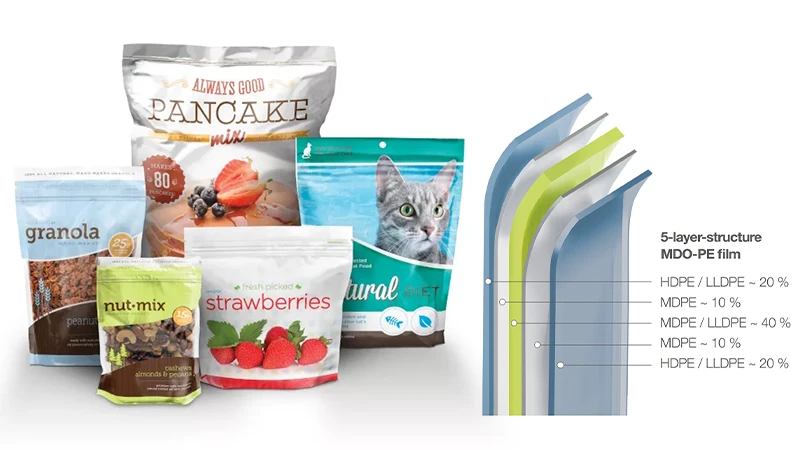
Mono-material films use only one kind of plastic. This makes recycling much easier. You do not have to separate layers. In 2023, people used about 24 million tonnes of mono-material films. This is a lot more than the 10 million tonnes of multi-material films. Mono-material films are better for the environment. They fit well into recycling systems. When you pick simple packaging, you help the planet.
Mono-material films make recycling simple.
They help cut down on waste and make packaging last longer.
You can use them for many things, like food and industry products.
Recyclable and PCR Options
There are many recyclable plastic bags now. Some bags use post-consumer recycled (PCR) content. PCR packaging uses less new plastic. This helps the environment. Here is a table that shows how these options compare:
Feature | Description |
|---|---|
Less Virgin Polymers | PCR pouches use 28% less new plastic than regular packaging. |
Uncompromised Performance | PCR pouches work as well as non-PCR packaging. |
Carbon Footprint Reduction | Using PCR films can cut greenhouse gas emissions by about 15.25%. |
Many recyclable bags use mono-materials. These bags are easier to recycle. They also help the environment. Some PCR bags use up to 90% recycled content. When you pick these bags, you help close the recycling loop.
Eco-Friendly Alternatives
You can pick eco-friendly choices instead of regular plastic. These choices include plant-based materials, compostable packaging, and reusable bags. The table below shows some popular options and how they work:
Eco-Friendly Alternative | Material Description | Performance Comparison |
|---|---|---|
Avocado Pit Bioplastic | Made from 60% avocado parts, good for forks and boxes. | Stays strong and helps the environment. |
Seaweed-Based Edible Films | Melts in water, so there is no trash. | Good for single-use, but not for everything. |
Popcorn-Based Insulation | Made from corn, breaks down in compost. | Keeps food safe like Styrofoam, great for shipping. |
Certified Compostable Packaging | Made from plants like PLA, breaks down in compost. | Safe for food, meets compost rules. |
Reusable Vessels | Bags and boxes you can use again and again. | Cuts waste and saves resources, helps people build good habits. |
Natural Fibers | Bamboo, jute, and palm leaves, break down and grow back. | Good for single-use, helps nature. |
Paper-Based Alternatives | Made from trees, can be recycled, and are stronger now. | Used instead of plastic, lowers harm to the planet. |
Switching to green choices can cut landfill waste by up to 80%. These choices often use less energy to make. This means less harm to the planet. Many companies see happier customers when they use green packaging. You can also use bags again to make less waste and help the planet.
Note: Green choices can cost more and may not work as well as regular plastic. They might not be as strong or keep out air and water as well. You should check if these choices are right for your product and market. BN PACK follows world rules to keep your packaging safe and good for the planet.
Manufacturing and Customization
Structure Design
You want packaging that fits your product well. BN PACK helps you design packaging that meets your needs. The team works with you to pick the best materials and structure. You can choose things like resealable zippers, spouts, or child-resistant closures. Engineers help you pick the right thickness and barrier layers. This makes sure your packaging protects your goods and shows your brand. BN PACK uses new technology so your plastic packaging stands out.
Tip: Custom structure design makes products look better on shelves and keeps them safe during shipping.
Food Safety Compliance
Food safety is important for every package. BN PACK follows strict rules to keep your products safe. The factory has ISO9001 and BRC certifications. These show that BN PACK meets world quality and food safety standards.
OEM Capabilities
BN PACK offers strong OEM options for custom packaging. You can order as few as 10,000 or 20,000 pieces. Engineers help you pick the best materials for your packaging. It takes about 15 days to make your order. Delivery by air takes 5 days. Delivery by sea takes 20 to 30 days. The factory uses solvent-free lamination to keep food safe. BN PACK has over 13 years of experience making packaging. The factory is close to Guangzhou and Shenzhen ports, so delivery is fast and easy.
You get packaging that works well for food, electronics, and special products. BN PACK’s goal is to give you packaging that fits your product and helps your business.
You now know that plastic bags use different polymers and designs. These help keep products safe and protect food. The table below shows how each plastic type works for safety and performance:
Polymer Type | Properties | Applications |
|---|---|---|
Polyethylene | Strong, flexible, safe | Grocery, industrial packaging |
Polypropylene | Durable, versatile | Food trays, lidding |
Picking the right material can help food last longer. It can also cut down on waste and help the planet. You should think about how your choice affects your product and nature. BN PACK can help you design packaging that fits your needs and follows safety rules. You can count on BN PACK to help you make good choices for your packaging.
Use the right plastic to keep products safe.
Help the environment by making smart choices.
Get custom packaging for your business.