
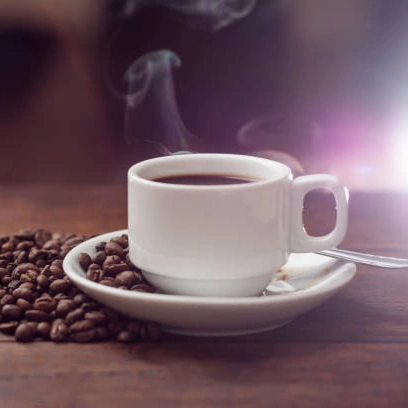

Why Coffee Aroma Matters
The captivating scent of coffee is often the first thing that draws a consumer in, serving as a powerful sensory prelude to the actual taste. In the specialty coffee market, aroma is not just a pleasant byproduct of brewing—it is a critical indicator of quality, freshness, and value. For roasters and brands, preserving this delicate sensory profile is paramount to maintaining customer loyalty and brand reputation.
What Creates Coffee Aroma?
Coffee aroma is a complex chemical symphony driven by volatile organic compounds (VOCs). During the roasting process, the green coffee beans undergo intense thermal transformations, including the Maillard reaction and Strecker degradation. These reactions turn tasteless precursors into hundreds of aromatic compounds.
- Pyrazines: Contribute to the nutty, roasty notes.
- Furans: Create the sweet, caramel-like scents.
- Esters and Ketones: Responsible for fruity and floral highlights.
Because these compounds are highly volatile, they evaporate quickly when exposed to the open environment, making protective packaging essential.
Why Aroma Is Important to Coffee Quality
Aroma acts as the backbone of a coffee’s overall flavor profile. Human flavor perception is heavily reliant on retronasal olfaction—the process where aromas travel from the back of the mouth to the nasal cavity during sipping.
| Sensory Component | Impact on Quality Perception |
|---|---|
| Fragrance (Dry Ground) | Sets the initial expectation of quality and origin characteristics. |
| Aroma (Wet/Brewed) | Confirms the complexity, sweetness, and acidity of the cup. |
| Flavor Definition | Without aroma, the tongue can only detect basic tastes (sweet, sour, bitter, salty). |
When a coffee loses its aroma, it tastes flat, stale, and woody, regardless of how high the initial bean quality was.
How Consumers Perceive Coffee Freshness Through Aroma
In the United States marketplace, consumers routinely use their sense of smell as a quick test for product freshness. A vibrant, robust burst of scent upon opening a bag signals that the coffee is fresh and rich in antioxidants. Conversely, a weak or rancid odor immediately flags the product as stale.
Key Insight: For coffee businesses, the aroma is your first handshake with the customer. If the package fails to preserve those volatile compounds, the consumer’s perception of your brand’s quality drops before they even take their first sip.
The Main Factors That Affect Coffee Aroma
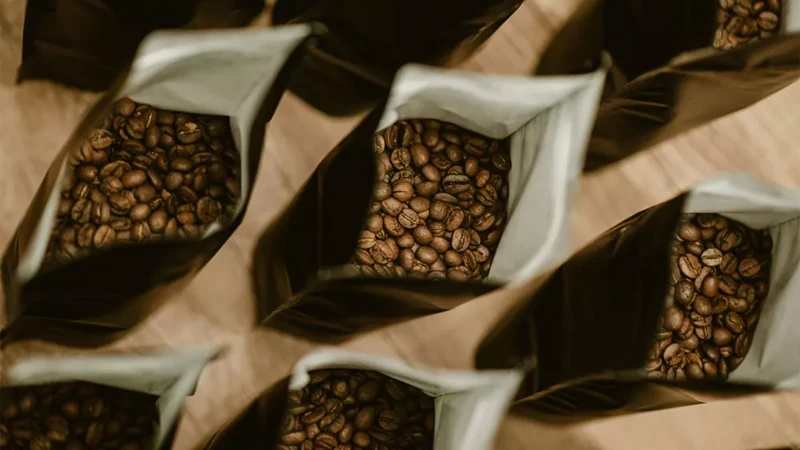
When we talk about what affects aroma coffee profiles, we are really talking about environmental vulnerabilities. Once coffee beans are roasted, they are on a ticking clock. The volatile compounds responsible for that rich, dark-chocolate or bright-citrus scent are incredibly delicate. If you want your coffee to retain its premium quality, you have to defend it against four major environmental enemies.
Oxygen Exposure
Oxygen is the absolute biggest threat to fresh coffee aroma. The moment roasted beans come into contact with air, oxidation kicks off. This chemical reaction robs the coffee of its volatile aromatic compounds, leaving you with a flat, stale brew. To stop this degradation, coffee roasters rely heavily on barrier pouches that lock out ambient air and seal in those essential oils. Without a strict oxygen barrier, even the highest-quality specialty beans will lose their signature scent within days.
Moisture and Humidity
Coffee beans are highly hygroscopic, meaning they act like a sponge for moisture in the air.
- Flavor Dilution: High humidity dissolves the delicate aromatic salts on the surface of the bean.
- Condensation Risks: Moisture trapped inside packaging accelerates spoilage and creates off-flavors.
- Mold Growth: Excessive moisture creates a breeding ground for bacteria, ruining the entire batch.
Keeping the beans perfectly dry is non-negotiable for preserving that authentic, fresh-ground smell.
Light and UV Radiation
It might look nice to store coffee beans in clear glass jars on a kitchen counter, but sunlight is a silent killer for coffee aroma. Ultraviolet (UV) rays break down the chemical bonds of the organic compounds inside the beans. This process, known as photodynamic degradation, destroys the delicate top notes of the coffee’s scent profile and turns the natural fats rancid. This is why opaque packaging materials are essential for long-term aroma retention.
Temperature Fluctuations
Heat accelerates chemical reactions, meaning warm storage speeds up the staling process. If your coffee is stored near a stove, oven, or in a spot that gets direct afternoon sun, the heat causes the oils inside the bean to sweat out and dissipate.
| Temperature Level | Impact on Coffee Aroma |
|---|---|
| Room Temp (60°F – 70°F) | Ideal. Preserves volatile aromatic compounds. |
| Warm/Hot (80°F+) | Speeds up oil sweating and rapid loss of top notes. |
| Fluctuating Temps | Causes condensation inside packaging, destroying flavor. |
To keep the aroma sharp and punchy, coffee must be stored in a cool, stable environment.
How Coffee Loses Its Aroma After Roasting
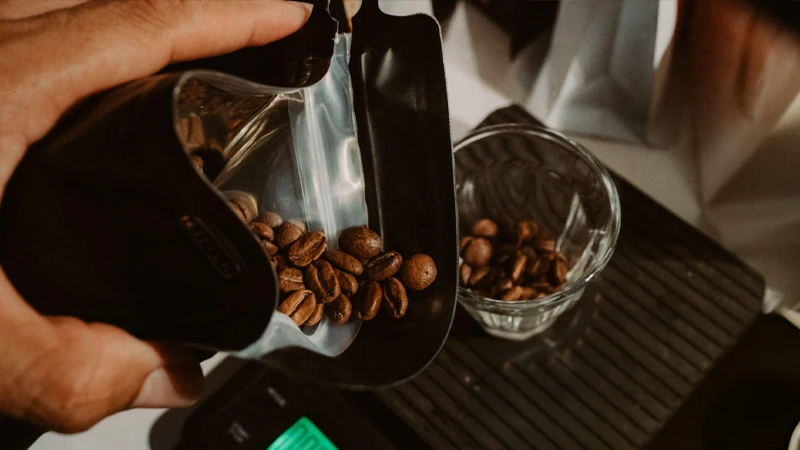
Once beans leave the roaster, a countdown timer starts. What affects aroma coffee quality most at this stage is time and exposure. While roasting develops those rich, complex scents, the post-roast environment can quickly strip them away if the coffee isn’t managed correctly.
The Degassing Process of Freshly Roasted Coffee
Right after roasting, coffee beans are packed with carbon dioxide ($CO_2$). For the first few days, they rapidly release this gas.
- The Good: Degassing prevents the coffee from tasting overly sour or sharp.
- The Bad: As $CO_2$ escapes, it carries volatile aroma compounds out with it.
- The Balance: If beans are left completely exposed during this phase, they lose their signature scent before they even reach a cup.
Oxidation and Flavor Degradation
Oxidation is the ultimate enemy of coffee freshness. When oxygen interacts with the delicate oils inside the roasted bean, it breaks them down rapidly.
- Staleness: High-quality aromas transform into flat, woody, or cardboard-like scents.
- Oil Spoiled: The essential oils that give specialty coffees their unique profiles become rancid.
- Speed: Ground coffee oxidizes within minutes, while whole beans buy you only a few weeks if unprotected.
Common Storage Mistakes That Reduce Aroma
Many coffee lovers and businesses ruin their beans entirely by accident through poor storage habits.
| Storage Mistake | Why It Ruins Aroma | Better Alternative |
|---|---|---|
| Using Clear Jars | Light and UV rays speed up the breakdown of flavor compounds. | Opaque, high-barrier bags. |
| Fridge or Freezer Storage | Frequent temperature drops cause condensation, introducing moisture. | Cool, dark pantry. |
| Leaving Bags Unsealed | Continuous oxygen exposure completely drains the aroma within days. | Resealable zippers and one-way valves. |
The Role of Coffee Packaging in Preserving Aroma
Excellent coffee beans deserve packaging that works just as hard to protect them. The container holding the beans isn’t just for branding; it is a critical shield that determines what affects aroma coffee quality over time. Without proper engineering, premium beans quickly turn stale and flat.
Why Barrier Protection Matters
The atmosphere is full of elements waiting to degrade coffee oils and scents. High-performing barrier protection keeps oxygen, moisture, and light out while locking volatile aromatic compounds in. Specialized multi-layer films act as a vault, ensuring that the distinct, rich notes of the roast survive transit and shelf life before finally hitting the consumer’s cup.
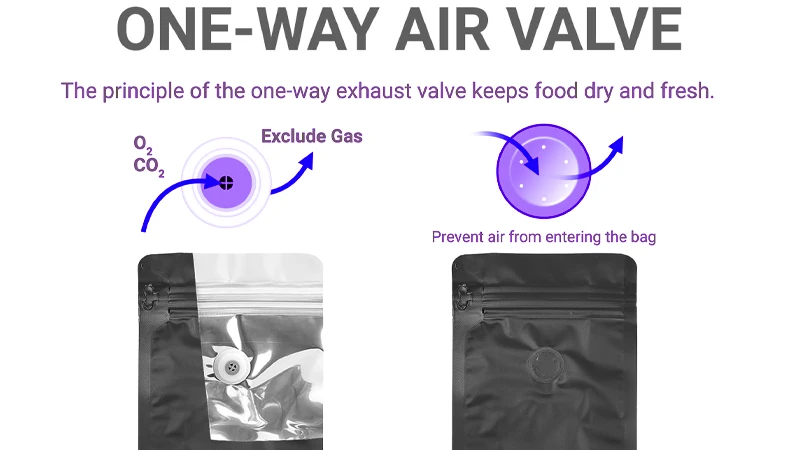
How One-Way Degassing Valves Protect Freshness
Freshly roasted coffee naturally releases carbon dioxide gas. If the bag is sealed tight without a vent, it will bloat and burst; if it is left open, oxygen rushes in and ruins the flavor profile. One-way degassing valves solve this dilemma by allowing trapped carbon dioxide to escape without letting outside air back inside. This mechanism is vital for maintaining the structural integrity of the bag and preserving peak freshness, especially when experimenting with specialized roasting styles like air-roasted coffee.
The Importance of Resealable Coffee Bags
Most coffee lovers don’t use an entire bag of beans in one sitting. Once open, the clock starts ticking on freshness. Resealable features—like heavy-duty zippers and pocket zippers—give consumers a reliable way to close the bag tightly after every use. This simple addition drastically slows down oxidation in the kitchen, keeping the morning brew consistently fragrant down to the very last scoop.
Choosing High-Barrier Packaging Materials
Not all packaging materials offer the same level of security. To truly lock in aroma, specific high-barrier structures must be utilized:
- Aluminum Foil Layers: The gold standard for a total barrier against light, oxygen, and moisture.
- Metalized Films (VMPET): Offers excellent barrier properties with a lighter weight and great flexibility.
- EVOH Coatings: A high-performing, clear option that blocks oxygen effectively while keeping the packaging recyclable.
- Kraft Paper Laminates: Combines a natural, eco-friendly aesthetic on the outside with a protective high-barrier polymer lining on the inside.
Choosing the Right Coffee Bags for Aroma Retention
The shape and structure of your packaging play a massive role in how well you preserve volatile aroma compounds. Different bag styles offer distinct advantages for shelf stability, filling efficiency, and retail display.
Here is how the top coffee bag styles stack up for aroma retention and market presence:
| Bag Style | Best For | Key Aroma Benefit |
|---|---|---|
| Flat Bottom Bags | Premium retail brands | Maximum structural stability, minimizing dead air space. |
| Stand-Up Pouches | Fast-moving inventory | Cost-effective, excellent barrier options, easy to reseal. |
| Side Gusset Bags | Traditional bulk & wholesale | Classic look, tight brick-packs that limit oxygen contact. |
Flat Bottom Coffee Bags
Flat bottom coffee bags are the gold standard for premium retail presentation and high-efficiency freshness. Combining the best features of a stand-up pouch and a side gusset bag, they feature a completely flat base that ensures they stay upright on shelves.
- Optimal Internal Space: The rectangular structure minimizes excess headspace, meaning less trapped oxygen inside the bag after sealing.
- Four-Panel Branding: Provides clean flat surfaces for labeling and clear structural integrity that prevents sagging over time.
- High-Barrier Compatibility: Perfectly supports thick multi-layer laminations to seal inside aromas while blocking external elements.
Stand-Up Coffee Pouches
Stand-up coffee pouches are highly popular in the United States market for their versatility and cost-efficiency. They feature a bottom gusset that expands when filled, allowing them to stand independently on retail shelves or kitchen counters.
- Reduced Material Waste: They offer a lightweight footprint, reducing shipping costs and storage space before filling.
- User-Friendly Design: Highly compatible with press-to-close zippers, making them a top choice for everyday consumers who value convenience.
- Flexible Volume Options: They handle varying fill weights exceptionally well without losing their structural appeal.
Side Gusset Coffee Bags
Side gusset bags represent the traditional, classic style of coffee packaging favored by roasters globally. These bags feature folds on both sides that expand when filled, while the top is typically folded over and sealed or secured with a tin tie.
- Efficient Palletization: Their brick-like shape when filled makes them incredibly efficient to pack into shipping boxes and wholesale pallets.
- Maximized Volume: They hold a larger volume of beans relative to their footprint, making them ideal for 2-pound or 5-pound bulk packaging.
- Aroma Preservation Note: They rely heavily on a secure top seal; pairing them with an airtight heat seal rather than just a tin tie is crucial to prevent oxygen ingress.
Frequently Asked Questions About Coffee Aroma and Packaging
How long does coffee retain its aroma after roasting?
Whole bean coffee keeps its peak aroma for about two to four weeks if stored in standard packaging. After this window, the volatile compounds that create that rich scent begin to fade. Using high-barrier packaging with a one-way degassing valve can extend this freshness for up to six months by blocking oxygen entry.
Does ground coffee lose its aroma faster than whole bean coffee?
Yes. Ground coffee loses its aroma significantly faster because grinding increases the surface area exposed to oxygen. This accelerates the oxidation process, causing ground coffee to lose its distinct flavor notes within days if not sealed tightly.
Can regular plastic bags preserve coffee aroma?
No. Standard plastic bags lack the necessary barrier properties to block oxygen, moisture, and light. To truly protect the aroma, you need specialized bags made from advanced composite layers. For a closer look at how protective layers work, you can explore the mylar bags composition materials that incorporate aluminum and polyester to create an airtight seal.
What is the purpose of the small valve on coffee bags?
The small hole is a one-way degassing valve. Freshly roasted coffee releases carbon dioxide (CO_2) naturally. The valve allows this gas to escape so the bag doesn’t burst, while simultaneously preventing outside oxygen from entering and staling the beans.
Should I store my coffee in the freezer to keep the aroma?
We do not recommend freezing your daily coffee. Moving coffee in and out of the freezer creates condensation inside the bag. This moisture destroys the delicate oils responsible for the coffee aroma. Instead, store your coffee at room temperature in a dark, airtight container or a high-barrier resealable pouch.
Conclusion
Understanding what affects aroma coffee is the secret to delivering a premium experience that keeps your customers coming back for more. From the moment those beans leave the roaster, they are on a countdown against oxygen, light, moisture, and temperature. Without the right protection, even the highest-quality roast will lose its soul and fall flat.
Investing in reliable, high-barrier food packaging bags equipped with one-way degassing valves is the ultimate way to lock in those delicate volatile compounds. By choosing the right bag style and material, you safeguard your brand’s reputation and ensure that every single brew delivers that rich, unmistakable freshly roasted scent. Don’t let your hard work fade away into stale air—protect your roast, preserve the aroma, and secure your profits.