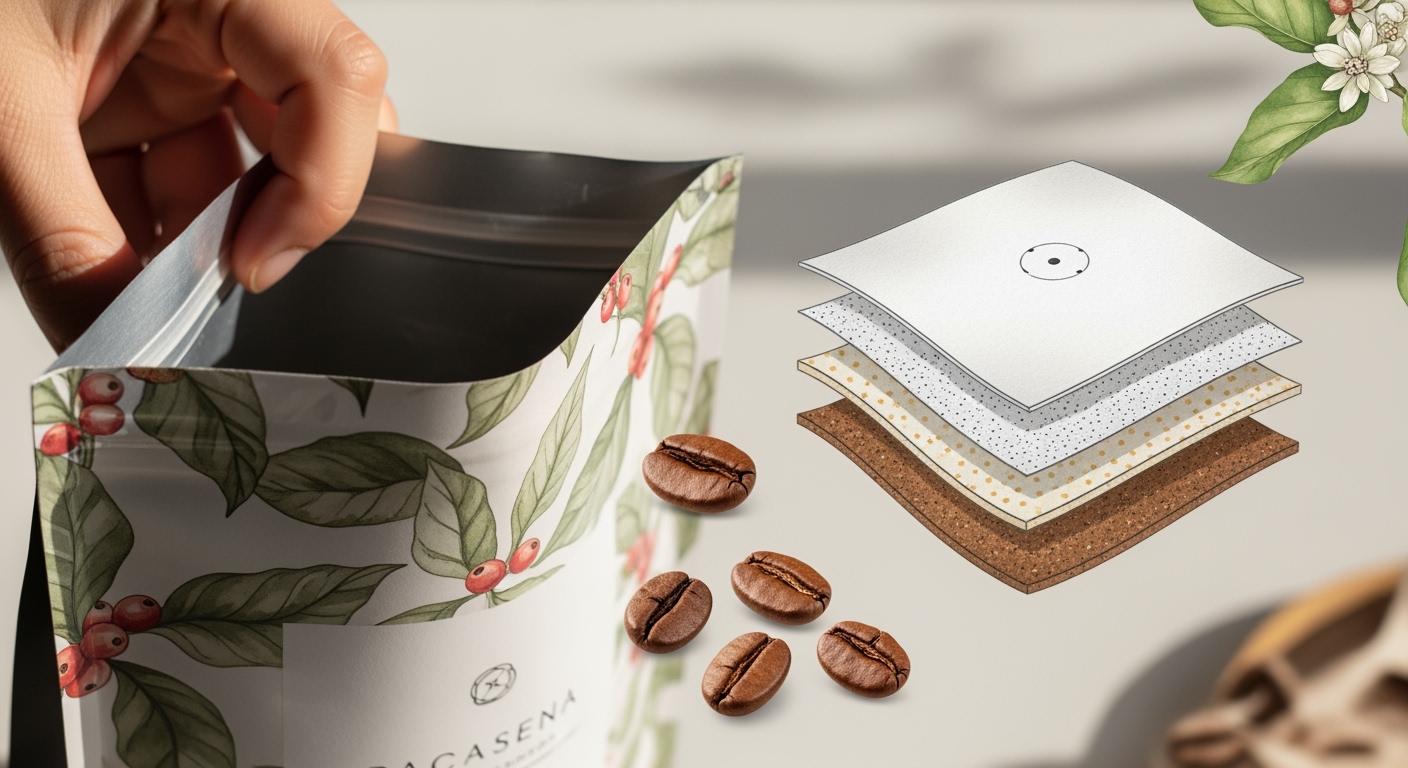
Roasted coffee bags often have two to four layers. These layers help keep your coffee fresh and safe. They protect it from air, light, and moisture. Each layer in the bag helps guard the beans. This means you get better flavor and smell. BN PACK makes custom bags with many layers. This helps your coffee stay good and helps the environment too.
Layers in Roasted Coffee Bags
Typical Layer Counts
Most roasted coffee bags have two to four layers. These layers work together to keep coffee safe. They block air, moisture, and light from getting in. More layers can help stop your coffee from going bad. Many brands use several layers to keep beans fresh longer. BN PACK has bags with different numbers of layers. You can pick what works best for you. Some bags have two layers for basic safety. Others have three or four layers for better quality. Picking the right number of layers helps your coffee taste and smell good.
Tip: If your coffee bag has more layers, your coffee can stay fresh longer and taste better.
Lately, some companies use simpler packaging. They use one material to make recycling easier. These new bags help cut down on waste. They also help the planet. Some bags have fewer layers but still protect your coffee well.
Materials Used
Roasted coffee bags use many kinds of materials. Each one helps protect your coffee in a special way. BN PACK mixes different materials to make strong bags. Here is a table that shows the most common materials and what they do:
Material | Properties | Usage |
|---|---|---|
Aluminum Foil | Great at blocking light, air, and water; very strong. | Used in bags with many layers for top-quality coffee. |
Kraft Paper | Breaks down easily; hard to tear; easy to print on. | Used on the outside of bags for organic or fancy coffee. |
Low-Density Polyethylene | Bends easily; keeps out water; seals well. | Used inside bags to keep out water and seal them shut. |
Polyethylene Terephthalate | Blocks air and water well; very strong. | Used in the middle or outside of bags to make them last longer. |
Polylactic Acid | Breaks down easily; keeps out water; can be composted. | Used in bags with many layers for eco-friendly brands. |
Rice Paper | Breaks down easily; light; lets air move through. | Used on the outside of special coffee bags for looks. |
Each material helps keep coffee safe in its own way. Aluminum foil stops light and air. Kraft paper gives a natural look. PET makes bags stronger. Some bags use films you can recycle or layers that break down to help the earth.
Here is another table that tells what these materials can do:
Property | Description |
|---|---|
Tensile Strength | Shows how much force it takes to break the material. |
Sealing Strength | Shows how strong the seal is between layers. |
Anti-Puncture Strength | Shows how well the material stops holes. |
Water Vapor Transmission Rate (WVTR) | Shows how fast water vapor goes through the material. |
Oxygen Transmission Rate (OTR) | Shows how much oxygen can get through the material. |
You want your coffee bags to seal well and not let in water or air. This keeps your coffee fresh and safe. BN PACK uses the best materials to make sure your coffee stays good.
Coffee Packaging Design and Function
Protection Features
You want your coffee to taste good and stay fresh. Multi-layer packaging helps protect coffee from light, air, and water. Each layer has a job to keep coffee safe. The outside layer stops light, so coffee keeps its taste. The middle layer blocks air and water. The inside layer keeps the smell in and coffee dry.
Multi-layer bags, like quad-seal bags, help coffee last longer. They can make coffee last up to 20% longer than normal bags.
These bags use foil and plastic to block air and light. This helps coffee stay fresh for more time.
High-barrier materials, like aluminum foil, stop oxygen from getting in. This keeps the flavor safe.
Resealable zippers let you close the bag after you open it. This keeps air and water out. Degassing valves, or one-way valves, let gas out of fresh coffee beans. They do not let air in, so the coffee keeps its smell and taste. These features help keep coffee fresh and good.
Customization by BN PACK
BN PACK lets you pick from many coffee bag designs. You can choose stand-up pouches, PET VMPET PE pouches, or foil-lined bags. Each bag type has special things that help protect coffee. You can pick the size, look, and features you want.
Bag Type | Features | Customization Options |
|---|---|---|
Stand-Up Pouches | Flat bottom, zippers, spouts, degassing valves | Size, look, special features |
PET VMPET PE Pouches | Strong barrier, can be recycled, blocks air and water | Pick size and look |
Foil Lined Coffee Bags | Barrier, looks nice | Custom brand and design choices |
BN PACK also uses earth-friendly materials for coffee bags. You can pick bags that can be recycled or break down in compost. These choices help people who want to buy green products. Special finishes, QR codes, and clear windows make the bags stand out and help customers. You get bags that keep coffee safe and help your brand.
Maintaining Freshness and Quality
Barrier Layer Benefits
You want your coffee to stay fresh until you drink it. Each layer in the packaging helps keep the coffee good. The outside layer blocks light and protects the beans from UV rays. The middle layer stops air and water from getting in. The inside layer keeps the smell in and the beans dry.
If you pick packaging with strong barrier materials, your coffee is safer. Aluminum foil and metalized polyester are strong shields. They stop air and water vapor from getting through. There are two important things to check:
Oxygen Transmission Rate (OTR) tells how much air gets in. Lower numbers mean better safety.
Water Vapor Transmission Rate (WVTR) shows how much water can get inside. A lower number keeps coffee dry.
BN PACK uses special barrier films like EVOH and aluminum. These layers stop your coffee from going bad. You can enjoy fresh coffee for a longer time. Some bags use vacuum sealing and nitrogen flushing too. Vacuum takes out the air. Nitrogen replaces oxygen and keeps beans fresh.
Packaging Type | Shelf Life |
|---|---|
Unlined or basic paper bags | A few days to a couple of weeks |
Non-foil multi-layer bags (plastic or kraft) | Around 1 to 3 months |
High-barrier plastic blends (without aluminum) | Up to 6–12 months, depending on storage |
Aroma and Shelf Life
You want your coffee to smell good every time you open the bag. Barrier layers help keep the smell and taste inside. Aluminum foil blocks light and keeps beans safe from UV rays. Plastic layers keep out water and air. Paper layers are good for printing and design.
BN PACK puts degassing valves in many coffee bags. These valves let carbon dioxide out but do not let air in. This keeps coffee fresh and stops the bag from puffing up. Nitrogen flushing and vacuum sealing work together to protect the smell and make coffee last longer. Nitrogen pushes out air, and vacuum sealing removes air, so coffee stays fresh.
You can trust BN PACK to use safe containers and smart features. Modified atmosphere packaging uses nitrogen and carbon dioxide instead of air. This helps keep coffee fresh. Your coffee will taste and smell like it was just roasted.
Tip: Pick coffee bags with many barrier layers, vacuum, and nitrogen flushing. This will help your fresh roasted coffee stay at its best.
Sustainability in Coffee Packaging
Eco-Friendly Materials
You help the planet when you pick green coffee packaging. Multi-layer coffee bags use PET, aluminum foil, and LDPE. These layers keep coffee fresh but make recycling tough. Single-layer bags are easier to recycle. They do not protect coffee as well. Companies now use new materials for freshness and the earth. You might see compostable films made from plants. Some bags use bio-based plastics from renewable sources. Others use mono-material recyclable laminates. These choices cut down on waste and help the environment.
Multi-layer coffee bags protect coffee well, but recycling is hard.
Single-layer bags are better for nature, but coffee does not stay fresh long.
New materials like PLA, rice paper, and corn starch composites help both freshness and the planet.
Compostable films break down on their own and are safe for home or industrial composting.
Bio-based plastics lower the carbon footprint of coffee packaging.
Mono-material recyclable laminates keep coffee fresh and make recycling simple.
Eco-friendly materials must keep out oxygen, moisture, and light. You want your coffee to taste good, so these materials need to be strong. The coffee industry is moving away from single-use items. It is choosing renewable and recyclable packaging. This change helps the earth.
BN PACK’s Green Solutions
BN PACK is a leader in green coffee packaging. You can pick bio-based barrier bags, recyclable monolayer pouches, or compostable kraft paper bags. BN PACK gives you many choices to match your needs and values. The company has important certifications to show its green promise.
Certification/Accreditation |
|---|
BN PACK ISO Certification |
Recyclability of Packaging Certification |
OK COMPOST HOME Certificate |
FSC Certification |
Biodegradable Bags Certificate From OWS |
The BRC Global Standard for Food Safety |
EU EVOH PE Food Grade Certificate |
FDA Certification |
Child Resistant Packaging Bag |
International Biodegradable Certification |
International Recyclable Certification |
BN PACK stands out by giving many green coffee packaging options. You get bags that protect coffee and help the planet. The company supports recycling and makes strong bags you can reuse. This helps build a circular economy and cuts down waste in coffee.
Tip: If you choose BN PACK’s green coffee packaging, you keep coffee fresh and help the world.
You usually find two to four layers in roasted coffee bags.
These layers help you keep roasted coffee bags fresh and safe from air, light, and moisture.
BN PACK gives you multi-layer coffee bags that protect your coffee and support your brand.
You can choose custom designs and eco-friendly options for better quality and sustainability.
Tip: Picking the right roasted coffee bags helps you keep your coffee tasting great.