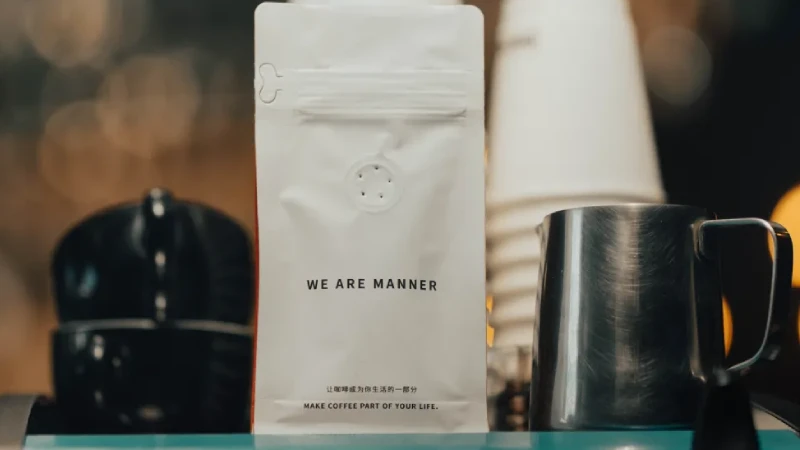
You want your coffee packaging to be safe. First, look for BPA-free labels on the product. Ask your supplier for papers that prove it is safe. One-way degassing valves touch your coffee, so they must be safe. Many companies now use BPA-free materials because rules are strict in North America and Europe. By 2025, new rules will need safer and greener packaging.
Why One-Way Degassing Valves Matter
Health and Safety Risks
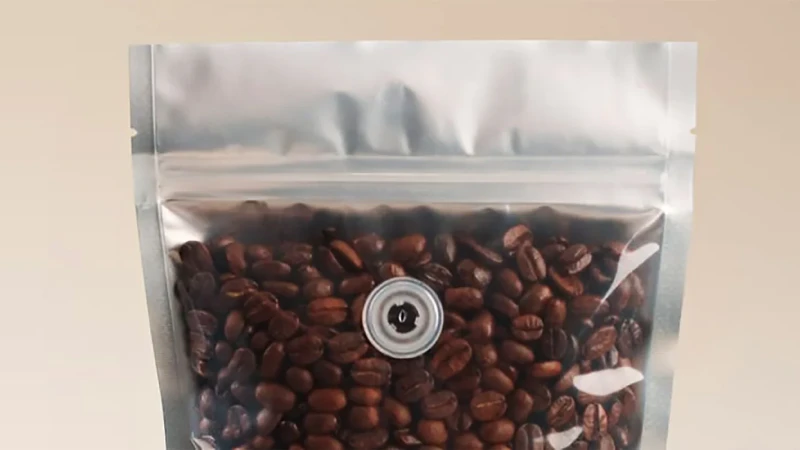
You want your coffee packaging to keep your coffee safe. One-way degassing valves are important for this job. If a valve has BPA, it can get into your coffee. This happens more if the package gets hot or scratched. BPA is bad for your health. It can mess with your hormones and cause sickness like type 2 diabetes. Kids and babies are in more danger from BPA. Many places do not allow BPA in baby bottles and limit it in food cans. Picking BPA-free valves keeps you and your customers safer.
BPA can move from packaging into food and drinks.
Young children and babies are more sensitive to BPA.
BPA-free valves lower the risk of harmful exposure.
Compliance and Regulations
You have to follow rules when picking coffee packaging. Many places have laws about what can touch food. These rules stop bad chemicals from getting into your coffee. The table below shows how different places make rules about BPA in packaging:
Region | Regulatory Body | Key Regulation |
|---|---|---|
United States | FDA | Food Contact Notification (FCN) required for substances in food packaging, regulated under Title 21 of CFR. |
Europe | EFSA | Regulation (EC) No 1935/2004 ensures materials do not transfer harmful constituents to food. |
Regulation (EU) No 10/2011 provides a Union List of authorized substances with specific migration limits. |
You need to make sure your one-way degassing valve follows these rules. This keeps your coffee packaging safe and legal.
Critical Contact Points in Coffee Packaging
The valve is an important part of coffee packaging. It lets gas out but stops air and water from getting in. This keeps your coffee fresh and stops the bag from breaking. Bad valves can let harmful chemicals into your coffee. Always use food-grade materials for every part of your packaging.
Degassing valves help keep coffee fresh by stopping oxidation.
They prevent packaging from breaking, which keeps your product safe.
Using BPA-free valves helps your coffee taste better and last longer.
Tip: Always ask your supplier about the materials used in every part of your coffee packaging, especially the one-way degassing valve.
Verify BPA-Free Valves
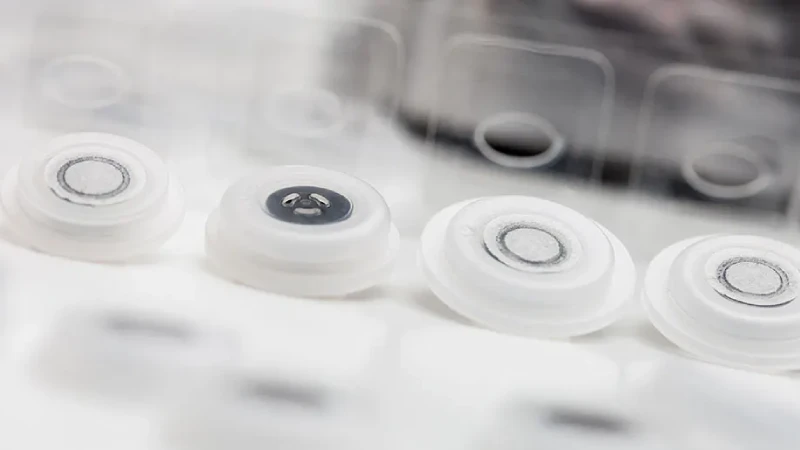
You want your coffee packaging to be safe. You need to check if the one-way degassing valves are BPA-free. Follow these steps to keep your product and customers safe.
Check Manufacturer Specs
Begin by reading what the manufacturer says about the product. Look for clear words that say the valve is BPA-free. Many companies tell you what materials they use for their valves. You should find phrases like “BPA-free food-grade material” or “nylon for filter valves.” These materials help keep your coffee fresh and safe.
Here is a table that shows common BPA-free materials used in coffee packaging:
Material Type | Description |
|---|---|
Nylon | Used for filter valves, it is strong and hard to break. |
Food-grade materials | These are safe materials that keep coffee fresh. |
Tip: If you do not see BPA-free in the details, ask for more information before you buy.
Request Certifications
Ask your supplier for papers that prove the valves are BPA-free. You should ask for things like FDA approval or food safety certificates. These papers show the valve meets health rules. Some suppliers, like XINDINGLI PACK, give FDA-approved and BPA-free products. Always keep copies of these papers for your records.
Ask Suppliers Directly
Contact your supplier and ask simple questions. You can say, “Are your one-way degassing valves BPA-free?” or “Can you send proof of BPA-free certification?” Good suppliers will answer fast and give you the papers you need. If the supplier cannot give you proof, you should look for another choice.
Ask for written proof.
Request test reports or safety papers.
Save all emails and papers for later.
Recognize BPA-Free Symbols
Look for BPA-free symbols on the package or in the product details. These symbols help you find safe products quickly. You may see a BPA-free logo, a food-safe mark, or a recycling symbol with a number that shows the plastic type. These signs make it easier to pick safe coffee packaging.
Note: Not every BPA-free product has a symbol. Always check the details and ask for papers if you are not sure.
You can use these steps to make sure your coffee packaging keeps your coffee fresh and safe. When you check details, ask for papers, talk to suppliers, and look for symbols, you protect your coffee and your customers.
Avoid Common Pitfalls
When you pick coffee packaging, you want to keep your product safe. You also want to protect your customers. There are some mistakes you should watch out for when checking one-way degassing valves.
Vague Product Info
Some suppliers do not give clear details about their packaging. If you see words like “high-quality” or “safe material,” be careful. These words do not tell you what the valve is made of. You need to know the exact materials in the one-way degassing valve. Look for clear words like “BPA-free” or “food-grade nylon.” If you do not see these words, ask the supplier for more facts.
Tip: Always read the product description carefully. If something is missing or confusing, ask questions before you buy.
Unverified Claims
Some suppliers say their packaging is BPA-free but do not show proof. If there are no certificates or test reports, be careful. You should ask for papers like FDA approval or BPA-free certification. Good suppliers will give you these papers. If a supplier cannot show proof, look for another choice.
Claim Type | What to Look For | What to Avoid |
|---|---|---|
BPA-Free | Certificates, test reports | No proof, vague claims |
Food-Grade | FDA, EFSA, or BRC certificates | Only verbal promises |
Low-Quality Valves
Bad one-way degassing valves can hurt your coffee packaging. You need to check for signs of good quality. Good valves have strong numbers for how they work. Look for an oxygen transmission rate under 0.1 cc/pkg/day. The moisture vapor transmission rate should be under 0.05 g/pkg/day. The valve should work well from -20°C to 50°C. Ask for papers like heavy metal migration testing and valve performance reports. You should also ask for shelf-life studies. Make sure the material has food-grade tinplate with BPA-free epoxy coatings.
Check for strong numbers that show good performance.
Ask for papers and test reports.
Make sure the valve works in hot and cold temperatures.
Note: Good valves help keep your coffee fresh and safe. They also help your brand look good.
You can avoid these mistakes by being careful and asking questions. Careful checks help you pick safe coffee packaging and keep your customers happy.
Checklist for Buyers
Picking safe coffee packaging needs a good plan. Use this checklist to make sure your one-way degassing valves are BPA-free before buying.
Step-by-Step Actions
Read the product details. Find clear words about BPA-free materials.
Look for food safety certificates like FDA, EFSA, or BRC.
Ask for test reports that show the valve is safe.
Search for BPA-free marks or symbols on the package.
Compare choices. Pick suppliers who give proof and clear facts.
Tip: Always check every part of your coffee packaging, not just the main bag.
Questions for Suppliers
You should ask your supplier direct questions. Here are some examples:
Is the one-way degassing valve BPA-free?
Can you give food safety certificates for the valve?
What material do you use for the valve?
Do you have test reports or migration studies?
How do you make sure your coffee packaging meets safety rules?
Question | Why Ask? |
|---|---|
Is the valve BPA-free? | Checks if it is safe |
Can you show certificates? | Proves it follows the rules |
What material is used? | Checks for food-grade quality |
Do you have test reports? | Shows how well it works |
How do you meet safety rules? | Checks for global standards |
Keep Documentation
Keep all papers and emails from your supplier. Save certificates, test reports, and product details. Store these documents in a safe spot. If you need to prove your coffee packaging is safe, you will have the records ready.
Note: Good records help you show you care about safe and green packaging.
Using this checklist helps you keep your coffee, your customers, and your brand safe. You make sure every part of your coffee packaging meets safety rules and supports a healthy product.
Sustainable Coffee Packaging with BN PACK
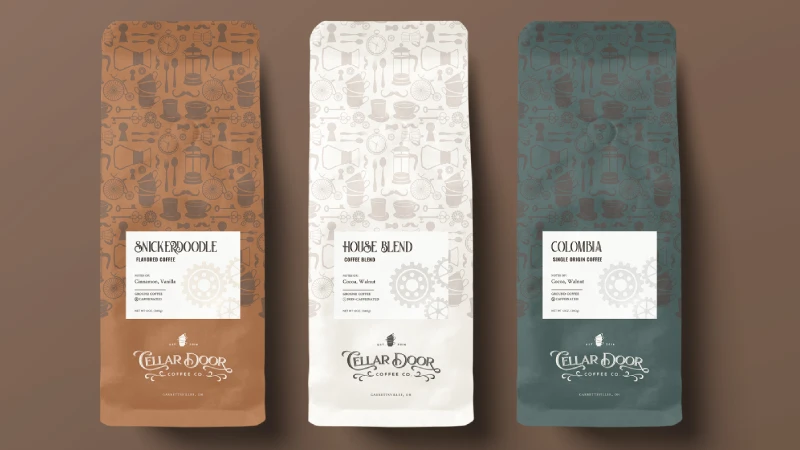
BN PACK’s BPA-Free Solutions
You want packaging that keeps coffee safe and helps the planet. BN PACK gives you choices that are good for the environment. Their degassing valves are BPA-free and can be recycled. These valves help your coffee stay fresh and taste good during shipping. You can trust your coffee will not go to waste and will taste great.
BN PACK makes packaging for many coffee needs. You can pick designs that work for different fermentation vessels. These options help with the fermentation process. The company’s packaging helps control how coffee beans ferment. This makes your coffee better and last longer. You get packaging that fits your brand and keeps coffee safe from air and water.
BN PACK has recyclable degassing valves for coffee.
These valves keep coffee fresh and tasty.
You can use packaging that helps with fermentation and shipping.
Commitment to Safety and Eco-Friendly Packaging
You want packaging that is safe and meets high standards. BN PACK has important certificates that show it cares about safety and the environment. The table below lists these certificates:
Certification | Description |
|---|---|
ISO9001 | Quality management system certification |
BRC | Global standard for food safety certification |
FDA | Approval for food contact materials |
FSC™ | Certification for responsible forest management |
TÜV Rheinland OK Compost Home | Certification for compostability in home settings |
BN PACK uses materials like corn starch and plant cellulose. These materials break down easily and help stop plastic pollution. The company checks every pouch to make sure it is fresh and breaks down well. You get packaging that cuts down on waste. BN PACK makes its products in ways that lower waste and help the planet.
You can count on BN PACK for packaging that helps your brand. The company sells packaging in many places around the world. You can pick eco-friendly packaging or packaging for fermentation vessels. BN PACK helps you keep your coffee safe and protect the earth.
Tip: Pick BN PACK for coffee packaging that is safe, green, and smart.
You can make sure your coffee packaging is safe if you follow some easy steps.
Look at the product details to see if it says BPA-free.
Ask for papers and test results that show it is safe.
Use a checklist for buyers before you buy anything.
Keep all your papers and emails in one place.
Tip: Pick trusted suppliers like BN PACK. They have certified BPA-free products. This helps you follow safety rules and keeps your customers safe.