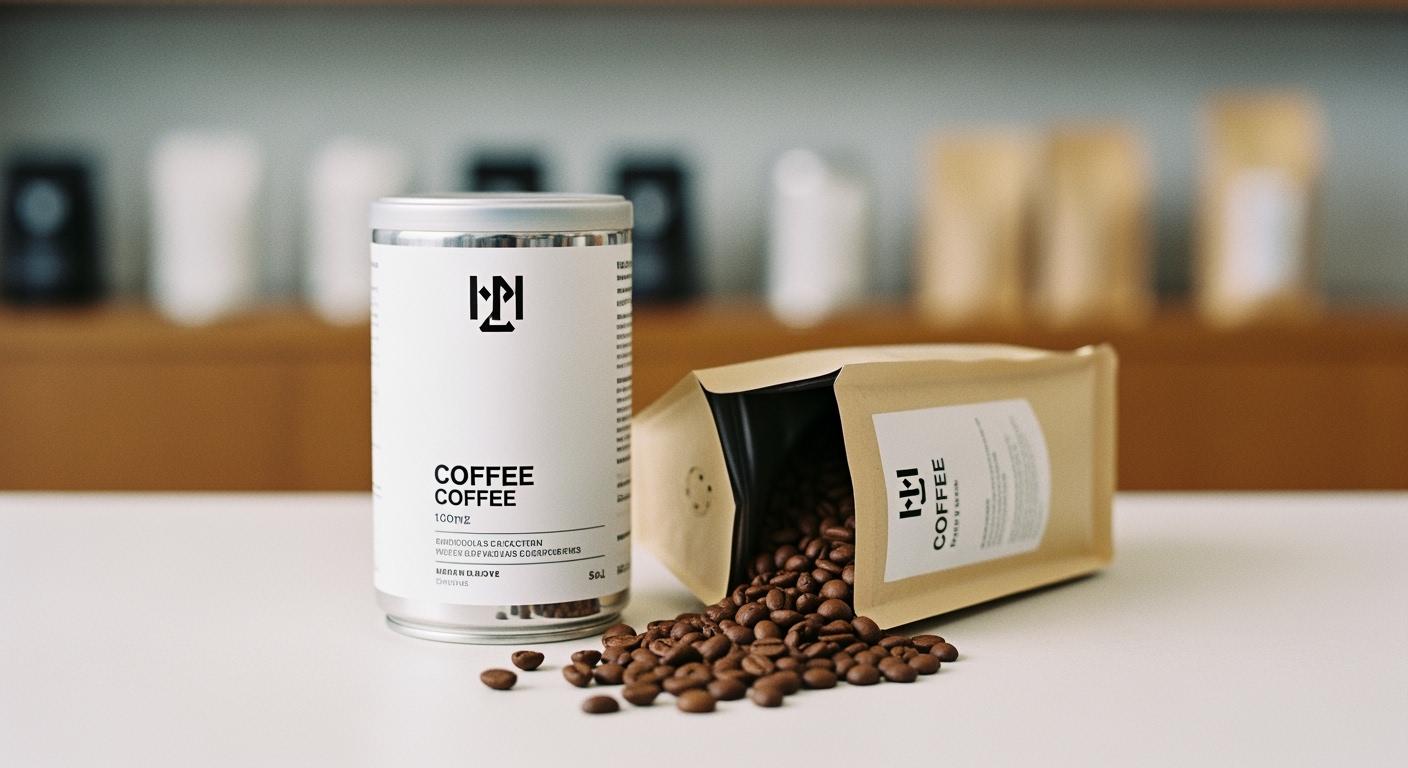
When considering Canned Coffee vs. Bagged Coffee, it’s important to evaluate how each option performs on the shelf. Canned coffee is typically used for ready-to-drink beverages, while bagged coffee is ideal for roasted beans and ground coffee. Experts emphasize that coffee packaging plays a crucial role in maintaining freshness and quality. Additionally, with 78% of consumers caring about the environment, choosing eco-friendly packaging can help your product stand out. Making the right packaging choice not only enhances your product’s appearance but also builds consumer trust.
Coffee Packaging Fit: RTD Cans vs. Roasted Coffee Bags
Product Use Cases
Typical applications for canned coffee
You usually see canned coffee in the ready-to-drink (RTD) section. These cans are perfect for people who want a quick caffeine boost without any brewing. You can grab a can from the fridge, pop the top, and enjoy it right away. Canned coffee works well for cold brews, sweetened lattes, and even nitro coffee. Many brands use cans to keep the drink fresh and easy to carry. If you want a product that is always ready, cans make sense.
Typical applications for coffee bags
Coffee bags shine when you want to sell roasted beans or ground coffee. You can find these bags in many shapes and sizes, from small sample packs to large bags for families. Most roasters use bags to keep whole coffee beans fresh and full of flavor. Bags also work great for ground coffee, letting you scoop out just what you need. If you love brewing at home, you probably reach for a bag of beans. Bags protect the coffee from air and light, which helps keep the taste strong.
BN PACK’s Custom Coffee Bag Solutions
Flexibility for different coffee products
BN PACK gives you a lot of choices for packaging your coffee. You can pick stand-up pouches, foam packaging, or even bagasse bags made from sugarcane. Each type helps protect your beans and keeps them fresh. Here’s a quick look at some options:
Material Type | Protection & Use Case | Sustainability Features |
|---|---|---|
Stand-up Pouches | Airtight, light protection for coffee aroma | 100% recyclable when made from sustainable films |
Foam Packaging | Impact protection for shipping | Compostable foams available |
Bagasse (Sugarcane) | Sturdy, compostable for food packaging | Fully compostable in industrial settings |
You can choose the best fit for your coffee, whether you sell whole coffee beans or ground coffee.
Branding and customization options
With BN PACK, you can make your coffee bags stand out. You might add a thank-you note or a brewing guide inside the bag. Secure closures and cool shapes help your beans stay safe and make your product feel special. You can even add QR codes so customers can learn more or join your loyalty program. The packaging tells your brand’s story with bright colors and custom printing. This helps people remember your coffee and shows you care about the planet.
Coffee Freshness & Shelf Life
Barrier Properties & Degassing
High-barrier materials in coffee bags
You want your coffee beans to stay fresh on the shelf. Coffee bags use high-barrier materials like PET, aluminum foil, or kraft paper to block out oxygen and moisture. These materials help protect your beans from losing their aroma and flavor. You can find coffee bags with layers that keep light away, which is important for preserving shelf life. If you choose a bag with a strong barrier, your beans will stay fresh longer. Still, scientific studies show that coffee tins, like cans, offer a nearly perfect barrier against oxygen, moisture, and light. Bags work well at first, but they can lose strength if handled roughly. Keeping oxygen out is key for maximum freshness.
Degassing valves and their benefits
Freshly roasted beans release carbon dioxide. If you pack them in an airtight container without a way for gas to escape, the bag can puff up or even burst. Degassing valves solve this problem. You can use a coffee bag with a one-way valve that lets gas out but keeps air from getting in. This keeps your beans safe and helps preserve freshness. You get the best flavor and aroma when your beans stay protected from air.
Shelf Life Comparison
Canned coffee shelf life advantages
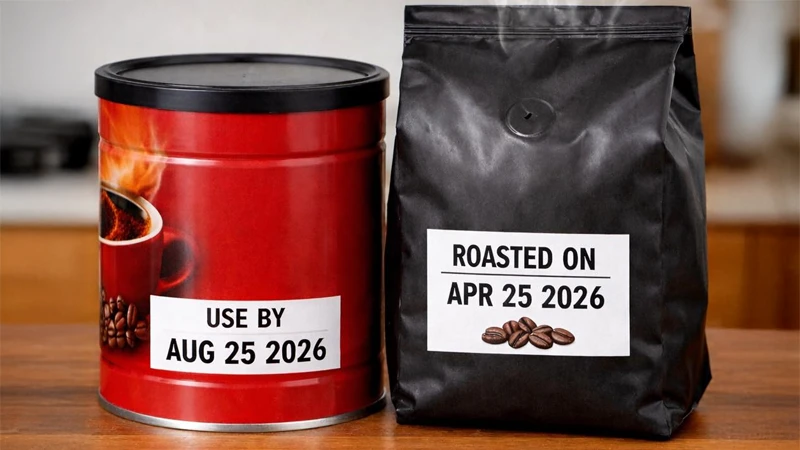
Canned coffee stands out for preserving shelf life. The can acts as an airtight container, blocking oxygen, moisture, and light. You can expect your coffee to stay fresh for months, sometimes even a year. Cans protect the drink inside and keep the flavor stable. If you want a product that lasts on the shelf, cans are a strong choice.
Coffee bag shelf life considerations
Coffee bags do a great job for roasted beans. You can keep your beans fresh for six to nine months if you use a high-barrier bag with a degassing valve. Bags are easy to reseal, so you can keep your beans safe after opening. Still, shelf life concerns come up if the bag gets damaged or exposed to air. You need to store your coffee in a cool, dry place for the best results.
Flavor & Aroma Preservation
Impact of packaging on coffee flavor stability
Packaging plays a big role in preserving shelf life and flavor. Sensory analysis research shows:
Old coffee beans lose volatile compounds, which affects flavor and can cause bitterness.
Aroma fades as beans lose fruity and floral notes, making the coffee smell dull.
Taste changes, with staleness and bitterness becoming more noticeable.
Extraction becomes inconsistent, so your brew might taste different each time.
You want your coffee to deliver the best flavor every time. Choosing the right packaging helps you keep your beans fresh and your shelf presence strong.
Branding & Shelf Appeal
Visual Impact & Display
Premium look and shelf presence of cans
Canned coffee grabs your attention right away. The metallic finish shines under store lights. You notice the weight when you pick up a can, which makes it feel special. Many people see cans as a sign of premium quality. The smooth surface lets brands use bold colors and sharp graphics. Cans often stand tall on the shelf, so you spot them from far away. This strong presence can help your coffee stand out in a crowded aisle.
Display advantages of coffee bags
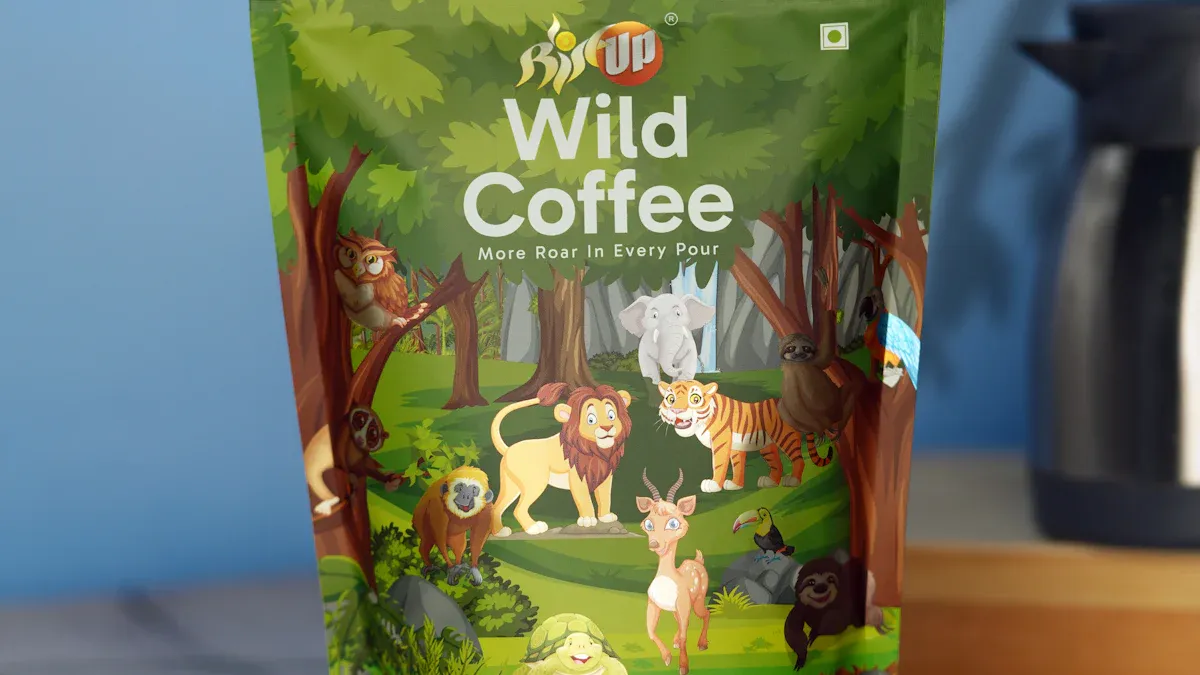
Coffee bags give you a lot of options for display. You can choose flat-bottom bags that stand up straight or side gusset bags that line up neatly. Bags come in many shapes and sizes, so you can fit more on the shelf. You can stack them, lay them flat, or hang them with a hook. This flexibility helps you use shelf space wisely. Bags also let you show off your brand with bright colors and custom designs.
Branding Opportunities
Custom printing and finishes for coffee bags
Custom-printed coffee bags offer significant branding opportunities due to their flexibility in design, storytelling potential, and ability to convey brand identity. They allow brands to provide detailed information about the product, such as roast type, flavor profile, and brewing methods, while also telling the brand’s story and emphasizing values like sustainability.
You can use every side of a coffee bag to share your message. Add tasting notes, brewing tips, or even a story about where your beans come from. This helps shoppers connect with your brand and see the importance of coffee packaging.
Eco-friendly branding options
You can show your commitment to the planet with eco-friendly coffee packaging. Choose recyclable or compostable bags to highlight your values. Many shoppers look for green options when picking coffee. Using sustainable materials sends a strong message about your brand’s care for the environment. This focus on eco-friendly packaging can boost your shelf appeal and build trust.
Consumer Perception
Convenience and gifting
Coffee cans are easy to grab and go. They make great gifts because they look neat and feel sturdy. Bags are lightweight and resealable, so you can keep your coffee fresh at home. Both formats offer convenience, but bags give you more choices for size and style.
Premium feel and market positioning
Studies show that packaging color can shape what people expect from coffee. A pink bag might make you think of fruity flavors, while a brown bag hints at rich, spicy notes. Cans often signal high quality because of their look and feel. People in the US and UK often see coffee in tins as a premium product. The importance of coffee packaging goes beyond looks—it shapes how you feel about the coffee before you even taste it. High-quality packaging can help your brand claim a top spot on the shelf and in the minds of shoppers.
Logistics & Storage Efficiency
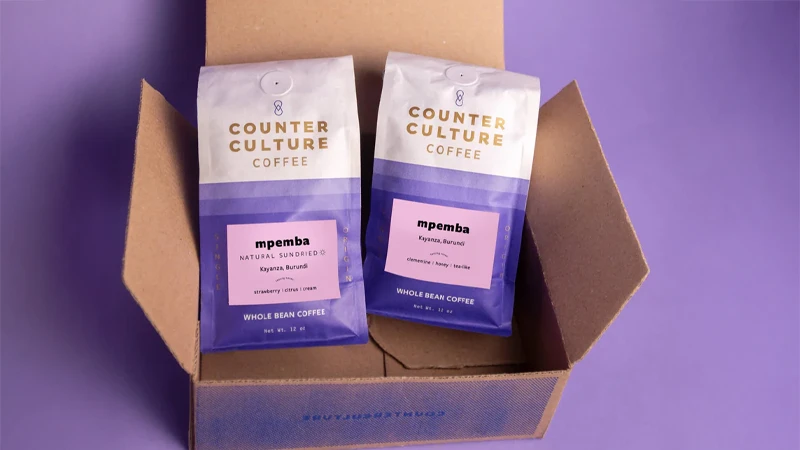
Shipping & Handling
Weight and fragility of cans
When you ship canned coffee, you deal with heavier loads. Cans add extra weight, which can increase shipping costs. You also need to watch out for dents and damage. Metal cans can get crushed if you stack them wrong or drop them. The importance of coffee packaging shows up here because you want your product to arrive looking perfect. If you plan to ship coffee over long distances, cans need careful packing.
Lightweight and flexible nature of bags
Coffee bags make shipping easier. They weigh less and take up less space. You can fit more bags in a box, which saves money. Bags bend and flex, so they handle bumps better. The importance of coffee packaging means you want your coffee to stay safe and fresh. Bags help you store coffee beans without worrying about breakage. You can move them around quickly and stack them in different ways.
Warehouse & Case Packing
Space efficiency for cans
Cans stack neatly, but they take up more room. You need shelves that can handle the weight. If you store coffee beans in cans, you use more space for each unit. The importance of coffee packaging affects how you organize your warehouse. Cans look great on display, but you need to plan for their size.
Space efficiency for bags
Bags give you more options. You can stack them flat or stand them up. They fit into tight spaces and let you store coffee beans in bulk. The importance of coffee packaging helps you maximize your storage. Bags work well for long-term storage because you can pack them close together.
Practical Considerations
Logistics for roasters
If you roast coffee, you want packaging that fits your workflow. Bagged coffee works with machines that handle many types and sizes. You can switch between products fast. Canned coffee needs extra steps, like sealing and custom printing. This takes more time and costs more. The importance of coffee packaging matters when you want to store coffee beans for different batches. Bags help you run small or large operations with less hassle.
Logistics for retailers
Retailers need packaging that looks good and stores well. Bags are easy to move and display. You can fit more on the shelf and keep your coffee fresh. Cans offer a premium look but need careful handling. The importance of coffee packaging helps you decide how to store coffee beans and keep them ready for customers.
Tip: If you want to save space and keep your coffee safe, bags offer flexibility for both shipping and storage. Cans work best when you want a premium feel and longer shelf life.
Cost & Production Considerations
Material & Manufacturing Costs
Cost structure for cans
Coffee cans usually cost more to make. Making metal cans needs special machines and more steps. This makes the price go up. You pay for the can, sealing, and printing. All these things add to the cost, especially for fancy finishes. Cans often look high-quality, but you need to plan for the extra money.
Cost structure for bags
Coffee bags are cheaper to make. They use less material and simple machines. You can pick kraft paper, recyclable films, or strong laminates. This helps you save money and still keep coffee safe. You get good packaging without spending too much. Bags let you spend more on your beans or ads.
Production Flexibility
Minimum order quantities
Want to start small or try new looks? Coffee bags let you do that. Some custom pouches have no minimum order. Others start at 2,500 units. Most custom bags need at least 2,000 pieces per SKU and take 5-7 weeks. Coffee cans do not always have a set minimum, but they need bigger orders because of the machines.
Product Type | Minimum Order Quantity | Lead Time |
|---|---|---|
Custom Coffee Bags | 2,000 pcs per SKU | 5-7 weeks |
Custom Coffee Cans | N/A | N/A |
Customization and turnaround times
You can make coffee bags with bright prints, zippers, or valves. You can change designs or sizes fast. Bags are made quicker, so you can follow trends or listen to customers. Cans take longer to make and change, so you might wait more.
Business Scale Suitability
Large-scale vs. small-scale operations
If you have a small coffee business, bags work well. You save money, ship for less, and make cool designs. Bags also help the planet, which many people like. Big companies may pick cans for their fancy look and long shelf life. Your packaging choice depends on your business size and goals.
Aspect | Benefit |
|---|---|
Cost-efficiency | Flexible packaging is cheaper, so you can buy better beans or do more ads. |
Lightweight nature | It costs less to ship and is easy to store. |
Customization options | You can make special designs to help your brand stand out. |
Sustainability benefits | You help the earth, which brings in eco-friendly shoppers. |
Tip: If you want something flexible, cheap, and good quality, coffee bags are a smart pick. Packaging is important for more than looks—it helps your business plan.
Sustainability & Eco-Friendliness
Recyclability & Compostability
Aluminum can recycling
Aluminum cans are easy to find in stores. People like them because you can recycle them almost anywhere. When you recycle a can, it can become a new can fast. This saves energy and keeps trash out of landfills. If you want packaging that helps the earth, cans are a good choice.
Compostable and recyclable coffee bags
Coffee bags have changed a lot over time. Old bags use plastic or foil, which do not break down and fill up landfills. Now, you can pick compostable or recyclable bags that help the earth. Compostable bags turn into natural stuff, but you must throw them away the right way. Some bags use plants, so they break down and are compostable. Here’s a quick look at how different coffee bag types compare:
Type | Material | Compostable | Biodegradable | Notes |
|---|---|---|---|---|
Plastic-Lined Bags | Paper + Plastic lining | No | No | Adds plastic waste |
Aluminum Foil Bags | Aluminum foil + paper | No | No | Not compostable, blocks oxygen and light |
Biodegradable Bags | Plant-based (like PLA) | Yes | Yes | Needs certification, reduces plastic waste |
Compostable bags are better for the environment.
You need to check for the right labels and throw them away correctly.
Not all “biodegradable” bags are compostable, so always read the label.
Eco-Friendly Packaging Solutions
BN PACK’s sustainable options
BN PACK gives you many green choices for coffee bags. You can pick recyclable bags, biodegradable materials, or compostable options. They use kraft paper, rice paper, or LDPE for packaging. BN PACK also uses special inks that are better for the planet. Their ReGen bags cut CO2 by 40% compared to old packaging. The DualGuard Coffee Bag keeps coffee fresh and helps lower waste.
Meeting sustainability goals
If you want your brand to be greener, BN PACK makes it easy. You can pick packaging that matches your values and attracts eco-friendly shoppers. The right packaging helps you stand out and shows you care about the earth.
Consumer Preferences
Demand for green packaging
More people want brands to help the planet. In fact, 52% of shoppers like brands that share their values, especially about the environment. When you use green packaging, you build trust and loyalty. People notice your choices and may pick your coffee instead of others.
Tip: Picking the right packaging is good for the earth and your business.
Choosing the Best Coffee Packaging Format
When you stand in front of the shelf, you might wonder which format wins in the battle of canned coffee vs. bagged coffee. The answer depends on your product, your brand’s story, and what your customers want. Let’s break down when each format shines and explore some new trends that are changing the game.
When to Choose Canned Coffee
Best for RTD products
If you want to offer ready-to-drink coffee, cans are your best friend. You can grab a can, open it, and enjoy café-quality coffee anywhere. Canned coffee is perfect for busy people—students, professionals, or anyone who wants a quick caffeine boost without brewing. The RTD market keeps growing because people love convenience and new flavors. Brands use cans to launch cold brews, lattes, and even drinks with functional ingredients like protein or vitamins. You can reach a wide audience with this format.
Long shelf life and premium branding
Cans keep your coffee fresh for a long time. They block out air, light, and moisture, so the flavor stays strong. If you want your product to last on the shelf, cans deliver. Here’s a quick look at how shelf life compares:
Packaging Type | Shelf Life (Months) | Notes |
|---|---|---|
Nitrogen-flushed coffee | 6 | Superior preservation compared to non-flushed coffee. |
Bagged coffee | 3 | Shorter shelf life without gas flushing. |
Vacuum packaged coffee | N/A | Lower staling rates than air-packed coffee. |
Cans also help your brand stand out. The shiny surface, bold graphics, and solid feel make your product look premium. You can tell your brand’s story right on the can. Many people see canned coffee as modern and high-quality. You also help the planet because aluminum cans are lightweight and recyclable, which lowers transport emissions and appeals to eco-conscious shoppers.
Cans grab attention with eye-catching designs.
You can share your brand’s values and story.
The format fits the fast-paced lifestyle of today’s consumers.
When to Choose Coffee Bags
Best for roasted/ground coffee
If you sell roasted beans or ground coffee, bags are the way to go. You can keep your beans fresh and full of flavor. Bags protect against air and light, which helps preserve aroma and taste. You can find bags in many shapes and sizes, from small sample packs to big family bags. Specialty roasters love bags because they work for both small batches and large orders.
Flexibility and eco-focus
Bags give you flexibility. You can change designs quickly, run small batches, or launch seasonal blends without high costs. Here’s how bags help you stay agile:
Benefit | Description |
|---|---|
Quick Design Refreshes | Update packaging designs fast to match trends. |
Flexible Batch Runs | Make different quantities without spending a lot. |
Low Setup Costs | Great for small runs and special products. |
You also get to show off your eco-friendly side. Many bags use less material and come in recyclable or compostable options. You can use bold graphics and custom shapes to make your brand pop. Bags are light, so you save on shipping and storage. If you want to connect with customers who care about the planet, bags make it easy.
Bags offer excellent protection for your beans.
You can switch up your look or launch new products fast.
Eco-friendly materials help you meet sustainability goals.
Hybrid & Emerging Trends
Hybrid packaging options
The world of coffee packaging keeps changing. Some brands now use hybrid formats that mix the best parts of cans and bags. You might see resealable can ends or advanced closures that keep coffee fresh after opening. Lightweight designs make it easy to carry your coffee anywhere. These new packages focus on keeping beans fresh, making them easy to use, and looking good on the shelf.
Resealability lets you keep coffee fresh after opening.
Portable, ergonomic designs fit busy lifestyles.
Advanced barriers protect flavor and aroma.
Market innovations
Coffee culture is booming, especially in places like Eastern Europe. Specialty shops are popping up everywhere, and young people with more money want unique, high-quality coffee. Brands are getting creative with packaging to stand out. You see more focus on sustainability, convenience, and bold branding. Here’s a look at how specialty coffee shops are growing:
Region | Growth of Specialty Coffee Shops | Year Range |
|---|---|---|
Romania | From 3 to over 120 | 2013 to 2021 |
Hungary | Over 150 | Recent years |
Eastern Europe | Increasing traction | Recent years |
“Emerging markets often feel more dynamic and innovative than their mature counterparts. Specialty coffee in these regions is at its most vibrant, driving demand, inspiring imitators, and fostering creative solutions.”
You can see that canned coffee vs. bagged coffee is not just about the package. It’s about how you want to connect with your customers, what story you want to tell, and how you plan to grow your brand. Whether you choose cans, bags, or something new, the right packaging helps your beans shine and keeps your coffee business moving forward.
Picking canned coffee or bagged coffee depends on your brand’s needs. Cans keep coffee fresh for a long time. They look fancy and are good for gifts. Cans are also great for storing coffee for months. Bags are flexible and save space. You can use degassing valves to keep coffee fresh. Bags let you pick eco-friendly materials. BN PACK can help you with green designs and resealable bags. They also offer custom branding for your coffee. The best choice fits your product, goals, and what your customers want.