
You might wonder if Wax Paper Bags are truly biodegradable. The answer depends on what materials you find in the bag. The paper usually breaks down in nature. The wax coating makes a big difference. If you see a natural wax like soy or beeswax, the bag will break down. Petroleum-based wax stops this process. You need to check the wax type when you look for sustainable options for your packaging.
Are Wax Paper Bags Biodegradable?

Material and Coating Factors
You have to check both the paper and the wax coating to know if wax paper bags break down in nature. The paper is usually made from natural fibers. This means it can rot with help from tiny living things. The wax on the bag changes how fast it breaks down. Some waxes, like soy or beeswax, let the bag rot. Other waxes, like paraffin, make it harder for the bag to break down.
Here is a table that lists the main things that affect how wax paper bags break down:
Factor | Description |
|---|---|
Type of wax | Natural waxes like soy and beeswax break down faster than fake waxes. |
Composting conditions | Water, air, and warmth help tiny living things break down the bag. |
Exposure time | More time in compost helps tough parts break down. |
Presence of microorganisms | Many types of tiny living things make the bag break down faster. |
Paper composition | Natural papers break down faster than papers with chemicals. |
Companies test wax paper bags in labs to see how fast they break down. They use tests like ISO 13432 or ISO 14995. These tests can last up to six months in big compost piles or twelve months at home. The bag must turn 90% of its carbon into CO2 by the end. They also check if the bag falls apart and if plants can grow in the compost. If the bag passes, it is safe for the earth.
Why Not All Wax Paper Bags Are Biodegradable
Not every wax paper bag will break down in nature. The kind of wax is the most important thing. Paraffin wax comes from oil and does not break down easily. This wax supports the oil business and adds to pollution. Wax paper with paraffin cannot be recycled or composted, so it makes more trash. Plant waxes, like soy or beeswax, are better for the earth. These waxes break down and help nature.
Here is a table that shows how different waxes change wax paper bags:
Type of Wax | Description | Biodegradability Impact |
|---|---|---|
Paraffin wax | Made from coal, oil, shale, or vegetable oil. You see it in many stores. | Breaks down slowly and is not good for nature. |
Soybean wax | Vegan and comes from plants. It is cheap for companies. | Breaks down fast and can be composted. |
Beeswax | Good for the earth, can be used again, but not vegan. It costs more. | Breaks down fast and can be composted. |
You can see that wax paper bags with plant waxes break down faster and make less trash. You should read the label before picking a bag for your business. If you want a bag that breaks down, pick one with soy or beeswax.
Tip: Always ask your seller about the wax used in wax paper bags. This helps you choose what is best for the earth.
What Are Wax Paper Bags Made Of
Base Paper Structure
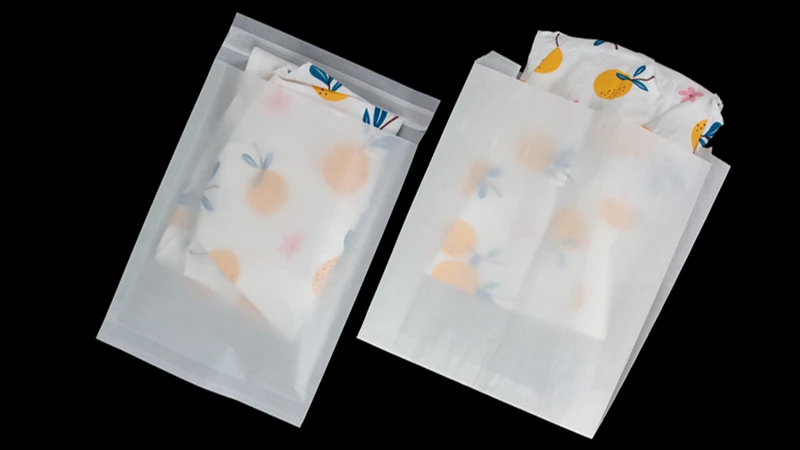
You start with the paper. Most wax paper bags use natural fibers like wood pulp. These fibers give the bag strength and flexibility. You can fold and shape the bag without tearing it. The paper must stay strong when you add wax. Some bags use unbleached kraft paper. This paper looks brown and feels sturdy. Other bags use bleached paper for a clean, white look. Both types work well for food packaging.
Types of Wax Coatings
You find wax coatings on the inside or outside of the bag. The wax makes the bag resist moisture and grease. This helps keep food fresh and stops leaks. You see wax paper bags used for sandwiches, baked goods, and snacks.
Here are the most common wax coatings you might find:
Paraffin wax: Used for moisture resistance in food packaging. You see it often in stores. It does not break down easily in nature.
Soy wax: Made from plants. It breaks down faster and is better for the earth.
Beeswax: Natural and compostable. It works well for food but costs more.
You should know that paraffin wax is less environmentally friendly than plant-based waxes. If you want a greener choice, look for soy or beeswax coatings.
Food Grade Requirements
You must make sure wax paper bags are safe for food. Food grade bags meet strict rules. These rules protect you and your customers from harmful chemicals.
Regulatory Standard | Description |
|---|---|
Migration testing | Ensures substances in the packaging do not migrate into food. |
Material safety | Packaging must not contain harmful chemicals or substances. |
Labeling requirements | Clear labeling for paper packaging used for food items is mandatory. |
Non-toxic materials | Must not contain harmful chemicals like lead, phthalates, or BPA. |
Odorless and tasteless | Packaging must not alter the taste or smell of food. |
Resistance to contamination | The paper must protect food from contaminants like moisture, oils, and grease. |
Tip: Always check for food-safe labels and certifications when you choose wax paper bags for your products.
Wax Types and Biodegradability
Paraffin Wax (Petroleum-Based)
Paraffin wax is used in many wax paper bags. This wax comes from oil. It keeps out water and grease very well. Many people think it is good for food packaging. But paraffin wax does not break down in nature. Tiny living things cannot eat it easily. If you throw away a bag with paraffin wax, it stays in landfills for a long time. This wax also uses fossil fuels, which makes pollution worse. Bags with paraffin wax cannot be composted or recycled in most places.
Note: Bags with paraffin wax look like paper, but they are not good for the earth.
Plant-Based Waxes (Soy, Beeswax)
You can pick soy or beeswax for a greener choice. These waxes come from plants and bees. They break down much faster than wax from oil. If you compost bags with soy or beeswax, they can rot in about 60 to 180 days with the right conditions. This means you can return these bags to nature without hurting it.
Containers with soy or beeswax can rot in about 60 to 180 days if conditions are right.
These waxes do not leave bad stuff in the soil.
You can use them for food and still follow safety rules.
Tip: If you want a bag that can rot, pick one with soy or beeswax.
Synthetic and Mixed Waxes
Some bags use synthetic or mixed waxes. These waxes help keep food fresh by blocking water. Some synthetic waxes take a long time to break down. They do not help make less waste. But new coatings use special biodegradable plastics. These let you recycle treated bags and help the planet.
Synthetic and mixed waxes help block water, which is important for packaging.
Natural waxes can replace oil-based waxes and lower pollution.
Using biodegradable plastics in coatings lets you recycle treated bags and helps the earth.
You should always check the label or ask your seller about the wax type. This helps you pick what is best for your business and the planet.
Compostability of Wax Paper Bags
Home vs. Industrial Composting
Not all wax paper bags break down in compost piles. The wax type matters a lot. Natural waxes, like soy or beeswax, let you compost the bag at home. Petroleum-based waxes do not break down in compost. You should not put these bags in your compost bin.
Home composting works best with bags that have natural wax. You can put these bags in your backyard pile. They break down with food scraps and leaves. Industrial composting uses more heat and mixing. Some bags need these special conditions to break down all the way. Most places do not take bags with petroleum-based wax. Always check your local rules.
Composting Timeframes
Paper bags with natural wax take time to break down. In your home compost, they can take months to disappear. This is slower than plain paper. Industrial composting can make the process faster. Sometimes, bags with special coatings break down in about 80 days. Most wax paper bags with petroleum-based wax will not break down in these places. Here are some important points:
Paper bags with natural wax take longer to break down than plain paper.
In a backyard pile, it takes months for the bag to disappear.
Industrial composting can speed up breakdown for certified compostable bags.
Most wax paper bags with petroleum-based wax are not accepted at composting centers.
Compostable vs. Non-Compostable Coatings
You must know the coating type before composting paper bags. Compostable coatings, like plant-based wax or aqueous coatings, break down and do not hurt the soil. These coatings meet strict rules, like ASTM D6400. This means they turn into safe compost and CO2 in lab tests. Non-compostable coatings, like paraffin or plastic, stay in nature and cause pollution. Here is what you should remember:
Aqueous coatings break down in home compost piles and are safer for the earth.
Compostable bags with these coatings can break down in about 80 days in commercial composting.
Non-compostable coatings add to waste and pollution.
Only real compostable paper bags meet composting rules and help the planet.
Note: Do not mix up wax paper with parchment or plastic-laminated paper. Only compostable paper bags with natural wax or aqueous coatings should go in your compost pile.
Recyclability and Disposal
Recycling Challenges
Wax paper bags are not easy to recycle. Most recycling centers will not take them. The wax or plastic coating makes recycling hard. It is tough to separate the paper from the coating. Food or oil stains can stop recycling too. Here are some main problems you might face:
Food or oil stains make wax paper bags non-recyclable.
Wax or plastic coatings make recycling harder.
Mixed materials are difficult to separate during recycling.
Recycling rules change depending on where you live.
Fast-food bags often have coatings recycling centers do not accept.
You might not notice mixed materials, so you throw them away wrong.
You should check your local recycling rules before putting wax paper bags in the bin.
Responsible Disposal Options
You can help the earth by picking the best way to throw away wax paper bags. The table below shows some choices:
Disposal Method | Description |
|---|---|
Reduce and Reuse | Use containers you can use again for food. Find new ways to use wax paper before tossing it. |
Composting | Some wax paper bags break down in industrial compost if your local center takes them. Home composting is not good because of the wax layer. |
Sustainable Alternatives | Try parchment paper or silicone mats. These are usually better for the earth and easier to recycle or compost. |

You can help by choosing eco-friendly options and making less trash.
Labeling for End Users
Clear labels help you know if a wax paper bag can be recycled or composted. Good labels help you make earth-friendly choices. Look for these things:
Requirement | Description |
|---|---|
Scientific Standard | The bag should meet ASTM D6400 for composting in big facilities. |
Certifier Logo | A logo from a certifier should be on the bag. |
Color Signal | The bag should use green, beige, or brown and say ‘compostable’. |
Labeling Options | The word ‘compostable’ should be big or on both sides with a colored band. |
Recycling Symbols | The bag should not use chasing arrows or other recycling signs. |
Compliance Declaration | The bag should be listed on a producer’s compliance declaration. |
Tip: Always read the label before you recycle or compost a wax paper bag. This helps you protect nature and pick the right way to throw it away.
Packaging Comparisons
Plain Kraft Paper Bags
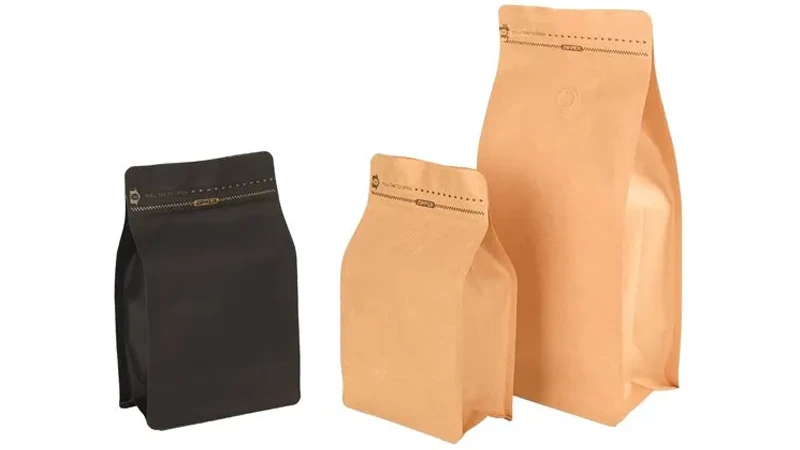
You see plain kraft paper bags in many stores. These bags use strong, uncoated paper. They work well for dry foods like bread or snacks. You can recycle them in most places. They break down quickly in compost piles. You do not find any wax or plastic in these bags. This makes them a simple choice for food packaging. You help the planet when you choose plain kraft paper bags.
Paraffin Wax Paper Bags
You find paraffin wax paper bags in many food packaging uses. These bags have a thin layer of wax made from petroleum. The wax keeps out moisture and grease. You often see them used for sandwiches, cheese, or baked goods. Paraffin wax does not break down in nature. You cannot compost or recycle these bags in most cities. When you use paraffin wax paper bags, you add to landfill waste. Modern food packaging now looks for better options.
Plant-Based Wax Paper Bags
You can choose plant-based wax paper bags for a greener option in food packaging. These bags use wax from plants like soy or bees. The plant wax helps keep food fresh and blocks grease. You can compost these bags at home or in industrial sites. They break down faster than bags with paraffin wax. Plant-based wax paper bags support the move away from plastic in food packaging. You help reduce pollution when you pick these bags. Modern wax paper uses plant-based coatings, which are more responsible for the environment compared to traditional paraffin wax. These alternatives often break down in compost and help lower plastic use in food packaging.
Wax + Plastic Laminated Bags
You see wax plus plastic laminated bags in some food packaging. These bags have both wax and a thin plastic layer. The plastic makes the bag strong and keeps out air and water. You find these bags used for greasy or wet foods. You cannot recycle or compost these bags. The plastic stays in landfills for many years. You should avoid these bags if you want eco-friendly food packaging.
Tip: Always check the label before you choose a bag for food packaging. This helps you pick the best option for the earth.
Guidance for Food Brands
When to Use Wax Paper Bags
You should choose wax paper bags when you need to protect food from air, moisture, or grease. These bags work well for sandwiches, baked goods, and snacks. You can use them for foods that need a short shelf life or do not need to be reheated. Wax paper bags also help your products look neat and fresh on the shelf.
Here is a table to help you decide if wax paper bags fit your needs:
Factor | Description |
|---|---|
Product Needs | Pick bags that match your food’s temperature and moisture needs. |
Shelf Appeal | Use bags with clear or custom designs to attract customers. |
Sustainability | Choose eco-friendly options to meet market and legal demands. |
Cost Considerations | Balance cost with quality. Durable bags can save money over time. |
When to Choose Compostable Alternatives
You should pick compostable bags if your brand values sustainability or if your customers ask for green packaging. Compostable bags work best for foods that do not need a long shelf life. You can use them for bakery items, produce, or snacks. Always check if the bag is certified as biodegradable and compostable. This helps you meet local rules and keeps your brand trusted.
Match the coating to the food’s heat, grease, and hold time.
Make sure the bag follows safety rules.
Pick the right coating for your food, like wax for cold foods or greaseproof for fried foods.
Tip: Always ask your supplier for proof of compostability and safety certifications.
Customization and Compliance
You can use custom designs to make your packaging stand out. Custom printing helps you show your brand’s values and attract eco-conscious buyers. You can choose colors, logos, and messages that fit your brand.
You must also follow important rules for food safety and the environment. Check this table for key compliance needs:
Compliance Requirement | Description |
|---|---|
FDA Food Contact Regulations | Makes sure bags are safe for food in the U.S. |
EU Regulation (EC) No 1935/2004 | Makes sure bags are safe for food in the EU. |
Certifications | Look for FSC, ISO 14001, or B Corp for responsible sourcing. |
PFAS and Heavy Metals | Make sure coatings do not have harmful chemicals. |
Recyclability Claims | Use third-party verified claims like TÜV OK Compost. |
You now know wax paper bags can break down if made with the right stuff. Choosing compostable or recyclable bags helps the earth and brings in buyers who care about nature. Lighter bags use less energy to make and move. Using eco-friendly wax paper means less trash and shows you care about the planet. Packaging experts can help you find new ideas, keep food safe, and reach your green goals. You should talk to manufacturers to get packaging that works for you and follows all the rules.