
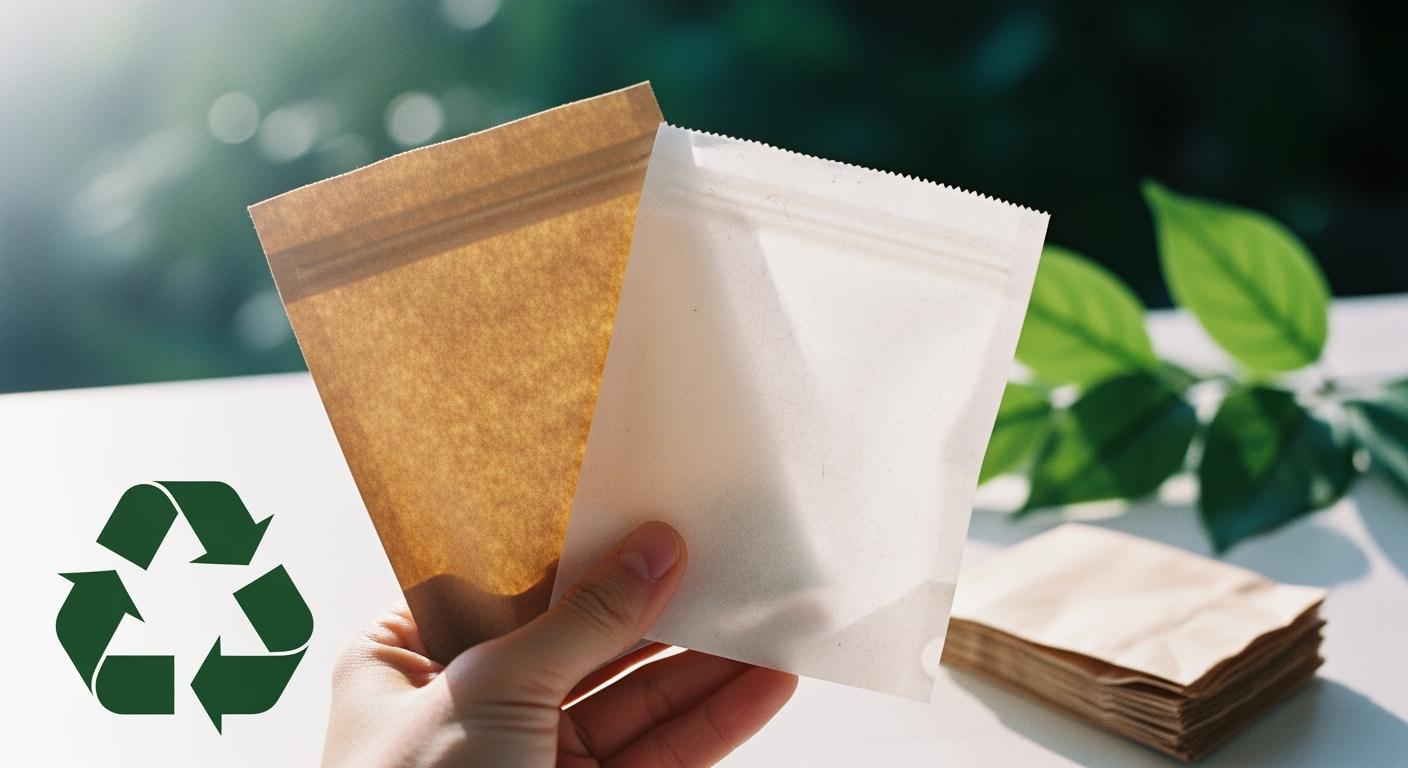
You might wonder if paper bags are recyclable. At BN PACK, we offer a variety of options such as kraft paper pouches, laminated kraft packaging, and rice paper pouches. These packaging solutions differ from the typical shopping bags found in stores. By choosing BN PACK’s products, you’re making smart decisions for your brand and the environment. Our kraft paper pouches are crafted from durable, eco-friendly materials, while our rice paper pouches feature unique textures and protective layers. The table below highlights how BN PACK describes Paper Bags Recyclable kraft paper pouches:
Feature | Description |
|---|---|
Material | Primarily made from Kraft paper, sourced from wood pulp. It’s strong, naturally decomposes, and supports recycling efforts. |
Sustainability | Considered more eco-friendly than plastic packaging. Made from renewable resources, Paper Bags Recyclable options can be recycled and break down naturally. |
Are Paper Bags Recyclable?
Kraft Paper Pouches and Recycling
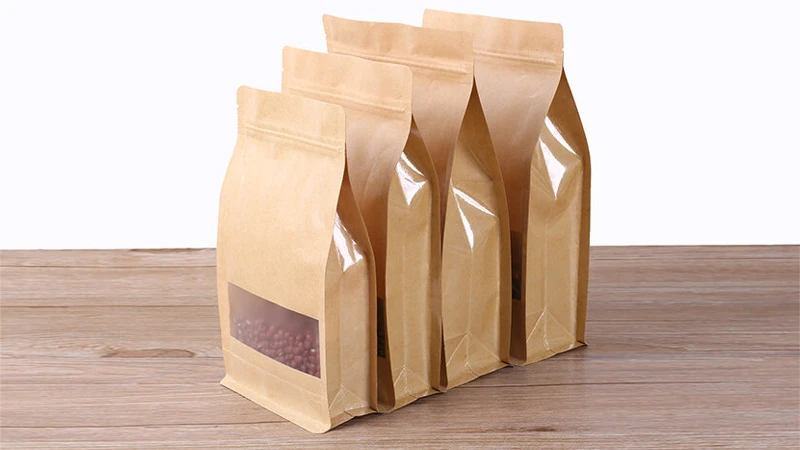
You might wonder if kraft paper pouches can be recycled. It depends on how the pouch is made. Plain kraft paper pouches are often accepted at recycling centers. These pouches use strong kraft fibers, like those in boxes. Recycling centers collect kraft paper bags and boxes together because they are similar.
When you pick kraft paper pouches, some rules decide if they can be recycled. The table below shows the main rules:
Criteria | Description |
|---|---|
Material Options | Light items use recycled kraft; heavy items need new or mixed kraft fibers. |
Compliance Documentation | You need papers from suppliers, test results, and food safety statements. |
Performance Characteristics | Strength and quality depend on fiber type and how it is made. |
Kraft paper pouches made from pure kraft fibers fit well in recycling systems. These pouches help make paper bags recyclable and support your green goals.
Rice Paper Pouches Recyclability
Rice paper pouches look different and feel special. You may ask if these paper bags recyclable options can be recycled. Most rice paper pouches have many layers. The outside is rice paper, and the inside is plastic or foil. This keeps your products safe and fresh.
But the layers are stuck together with glue. Recycling centers cannot separate them easily. Most rice paper pouches are not accepted as paper bags recyclable in regular recycling. Think about this when picking packaging for products that need strong protection.
Laminated Paper Packaging
Laminated paper packaging includes kraft and rice paper pouches with extra layers. These layers can be plastic or foil. You might pick laminated packaging to protect food or coffee. This helps keep products fresh but changes how paper bags recyclable options work.
Laminated layers make recycling hard. Glue holds the layers together and stops easy separation. Recycling centers are made for single-material items. Laminated packaging can cause problems in recycling. It is hard to get the paper or plastic back. Most centers remove these items and send them to landfill or burn them for energy.
Note: If you want your packaging to be recycled, pick mono-material kraft paper pouches. These pouches stay in the paper recycling stream and help your green goals.
Now you see that “are paper bags recyclable” depends on how the pouch is made. Plain kraft paper pouches are usually accepted. Laminated and multi-layer pouches, like most rice paper pouches, are not. Always check the pouch structure before choosing your packaging.
Kraft Paper Pouches: Material and Structure
Plain Kraft Paper Composition
Kraft paper pouches are strong and good for the planet. They are made from wood pulp. This gives them a brown color and tough fibers. People use kraft pouches for food, coffee, and store items. These pouches break down fast in compost. They do not leave anything bad behind. Kraft helps protect forests and lowers pollution.
Here are the main things in kraft paper pouches:
Kraft paper makes them strong.
Some have a simple paper handle to carry.
Vegetable inks are used for printing.
You can recycle kraft paper pouches many times. They break down in 2-6 weeks if composted right. In big compost places, kraft breaks down in 90-120 days.
Laminated Kraft Paper Layers
Sometimes, products need more protection. Laminated kraft pouches have layers like plastic or foil. These layers block water, air, and light. Lamination makes pouches stronger and keeps things fresh.
But lamination makes recycling harder. The coatings do not break down easily. Special recycling is needed to take the layers apart. Not all coatings can be recycled. For example, PLA needs special composting. If you want easy recycling, pick plain kraft pouches with no extra layers.
Layer Type | Barrier Function | Recyclability Impact |
|---|---|---|
Polyethylene (PE) | Blocks water and air | Makes recycling harder |
Aluminum Foil | Blocks light and smell | Very hard to recycle |
PLA | Compostable barrier | Needs special composting |
Customization and Eco Options
You can make kraft pouches fit your brand. BN PACK lets you add logos, colors, and sizes. You can pick pouches with spouts, windows, or zippers. Many companies like kraft for its natural look and green message.
Eco choices include:
Kraft pouches that break down naturally
Compostable pouches made from FSC kraft and PLA
Recyclable kraft pouches for less waste
Kraft pouches help cut down on single-use plastics. They give you a green way to pack products and help the planet.
Rice Paper Pouches: What Makes Them Unique?
Material and Construction
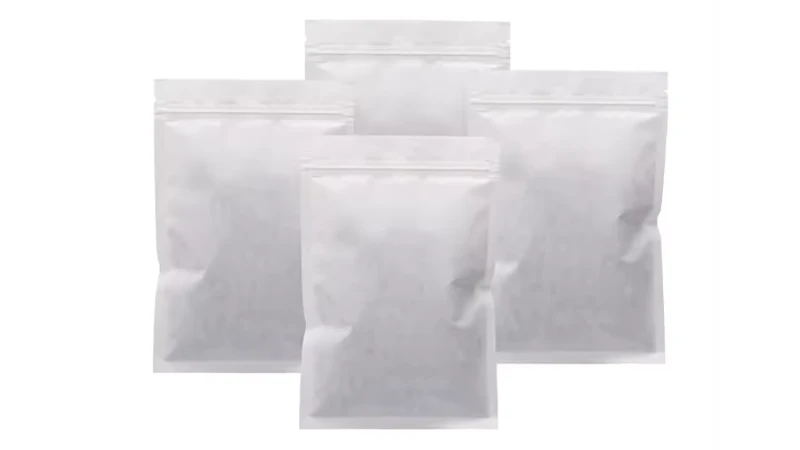
Rice paper pouches are special because of their materials. They look light and a little see-through. This is because they use rice starch and plant fibers. BN PACK makes rice paper from things like golden sandalwood bark and bamboo. The pouch feels soft and smooth. It almost looks handmade. It feels different from kraft paper. Kraft paper is made from wood pulp and feels tough. Rice paper makes your packaging look fancy and unique.
Rice paper is light and keeps out some water.
It is made from plants and breaks down in nature.
The pouch feels special and you can see through it.
You can use these pouches for coffee, tea, or fancy foods. The design helps your product get noticed in stores.
Barrier Properties and Lamination
Rice paper pouches do more than just look nice. They keep your products safe with extra layers. BN PACK puts layers inside the pouch. These layers can be plastic or foil. The layers stop air, water, and sunlight from getting in. This keeps food fresh and safe. Some pouches have a valve for coffee. The valve lets gas out but stops air from coming in.
Extra layers make the pouch stronger and keep water out.
The pouch can have zippers, windows, or heat seals.
You get a good-looking and useful package.
The extra layers make rice paper pouches good for products that need more care.
Recyclability and Disposal
You might ask if rice paper pouches can be recycled. Most rice paper pouches have many layers. The layers are stuck together and hard to pull apart. Most recycling centers do not take these pouches. The plastic or foil inside makes recycling tough. You should check your local rules before throwing them away.
Tip: If you want a greener choice, ask BN PACK about pouches made from one material or compostable ones.
Rice paper pouches look fancy and protect your products well. You get a special package that helps your brand. Always think about the pouch’s layers when you plan to recycle or throw it away.
How Laminations Affect Recyclability
Plastic and Foil Barriers
Many kraft and rice paper pouches have extra layers. These layers are often plastic or foil. They help keep food safe from air and water. Light cannot get in, so food stays fresh. The barriers make the pouch stronger and last longer. Plastic or foil sticks tightly to the kraft paper. This stops moisture and bad smells from getting in. The pouch works well for coffee, snacks, and tea. Brands use these pouches for special products. Kraft gives a natural look outside. The inside layer helps protect the food. Some kraft bags have clear windows made of plastic. These windows let people see what is inside. Kraft and plastic or foil together make a tough package.
Separation Challenges
Recycling laminated kraft and rice paper bags is hard. The layers are stuck together very tightly. Most recycling centers cannot pull them apart. The glue between layers is strong. Regular recycling machines cannot separate the materials. Special machines are needed for this job. Most recycling plants do not have these machines.
Laminated kraft bags have paper and plastic stuck together.
Glue is too strong for normal recycling.
Most recycling centers do not have the right machines.
The kraft layer cannot be recycled with other paper. The plastic or foil cannot be recycled either. Most laminated kraft and rice paper bags become waste.
Industrial vs Household Recycling
Some big recycling centers use special methods. They can sometimes get kraft fibers from some laminates. These methods cost more and are not used everywhere. Most home recycling bins cannot take laminated kraft or rice paper bags. Kraft paper in these bags does not break down in regular recycling. Always check your local rules before recycling laminated kraft bags. If you want easy recycling, pick plain kraft pouches. These go right into the paper recycling stream. You help the planet and make recycling simple.
Comparing Kraft and Rice Paper Pouches
Recyclability Differences
There are big differences between kraft and rice paper pouches. Plain kraft paper pouches can be recycled easily. Recycling centers take kraft paper bags because they are made of kraft fibers. Laminated kraft paper pouches have plastic or foil layers. These layers make recycling difficult. Most centers cannot pull the layers apart. Rice paper pouches often have plastic or foil inside. This stops them from being recycled. If you want simple recycling, pick plain kraft paper pouches.
Plain kraft paper pouches: Most recycling programs accept them.
Laminated kraft paper pouches: Not accepted in regular recycling.
Rice paper pouches: Not accepted in paper recycling.
Compostability Options
Compostability is another way to get rid of packaging. Plain kraft paper pouches break down in compost piles. Some kraft paper bags have coatings that can compost. Laminated kraft paper pouches need special composting if they use PLA. Rice paper pouches almost never compost because of plastic or foil layers. BN PACK has eco-friendly kraft options with compostable certifications.
Certification | Description |
|---|---|
BPI® | Biodegradable Products Institute certification |
CMA® | Composting Manufacturers Alliance certification |
USDA® BioPreferred | U.S. Department of Agriculture biobased certification |
EN 13432 | European standard for compostable packaging |
ASTM D6400 | American standard for compostable plastics |
TUV Austria OK Compost | Austrian certification for compostable products |
Tip: Choose certified compostable kraft paper pouches to help the planet.
Real-World Disposal Practices
You should know how to throw away each pouch type. Plain kraft paper bags go in the recycling bin. Laminated kraft paper pouches and rice paper pouches usually go in the trash. Compostable kraft paper pouches can go in special compost bins if they have certification. Always check your local rules before throwing away packaging. BN PACK helps you pick the right pouch for easy recycling or composting.
Recycle plain kraft paper pouches and kraft paper bags.
Compost certified compostable kraft pouches.
Trash laminated kraft paper pouches and rice paper pouches.
Note: BN PACK has kraft solutions for brands that want less waste and more recycling.
How to Recycle Bags Properly
Preparation Steps
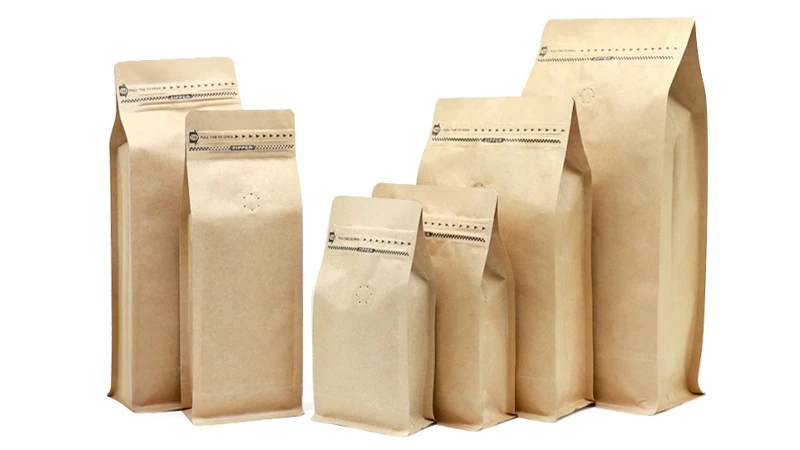
You can help the environment when you recycle bags the right way. Start by emptying all food or product leftovers from the pouch. Shake out crumbs or dust. If the bag has a zipper or valve, leave it attached. Most recycling centers can handle small parts like adhesive handles. Make sure the bag is dry. Wet or greasy bags do not recycle well. You should keep reusable bags clean and dry for the next use. If you use reusable bags for shopping, wash them often to keep them safe.
Tip: Always check for recycling symbols on the pouch. This helps you know if the bag belongs in the recycling bin or not.
Local Recycling Guidelines
Rules for recycling paper-based pouches can change by region. You need to know what your city or country allows. Some places have strict laws for brands and packaging. In the United States, states like California, Oregon, and Colorado have EPR laws. These laws make brands manage the whole life of their packaging. In Europe, the EU Packaging and Packaging Waste Directive sets recycling targets. It also asks for recycled content in packaging.
Region | Key Guidelines |
|---|---|
United States | EPR laws in states like California, Oregon, and Colorado require brands to manage packaging lifecycle. |
Europe | EU Packaging and Packaging Waste Directive mandates recycling targets and recycled content in packaging. |
You can recycle paper bags even if they have adhesive handles.
If a bag is wet or dirty, put it in the trash or compost. Do not recycle it.
You should always check your local recycling website for the latest rules. This helps you follow the law and protect the planet.
When to Choose Composting
Sometimes, composting works better than recycling. If you have a plain kraft paper pouch and it is dirty or greasy, composting is a good choice. Composting turns the bag into soil. You can use this soil for plants. Some bags have special compostable labels. These bags break down in home or industrial compost bins. If you use reusable bags, you do not need to compost them. Just keep using them again and again.
Note: Composting does not work for bags with plastic or foil layers. Only compost bags that say “compostable” on the label.
You can help your brand and the earth by following these steps. Clean, sort, and choose the best way to recycle or compost your packaging.
Sustainable Packaging Solutions from BN PACK
Mono-Material Paper Pouches
You can pick mono-material paper pouches for your brand. These pouches use just one material. This makes recycling much easier. Mono-material pouches do not mix paper with plastic or foil. They fit well in recycling bins. Choosing these pouches helps the environment. BN PACK makes sure these pouches meet high quality rules. You get strong packaging that keeps your products safe. These pouches also help you reach your green goals.
Mono-material paper pouches are easy to recycle and help cut waste.
Recyclable and Compostable Options
BN PACK has many recyclable and compostable packaging choices. You can choose pouches that break down on their own or can be recycled. These options help you protect the earth and lower your impact. The table below lists the main types:
Packaging Type | Description |
|---|---|
Recyclable Pouches | Pouches you can recycle, which helps the planet. |
Biodegradable Pouches | Pouches that break down by themselves and can go in compost. |
Biodegradable Bags | Bags made to rot away, so they do not harm nature. |
BN PACK’s packaging follows important rules for the environment. You can trust these pouches to meet global standards. Here are some certifications:
Compliance Standard | Description |
|---|---|
EN 13432 | European rule for compostable packaging. |
ASTM D6400 | American rule for biodegradable plastics. |
ISO Certification | International rule for quality. |
Recyclability of Packaging Certificate | Shows the material can be recycled. |
OK COMPOST HOME Certificate | Shows you can compost at home. |
FSC Certification | Shows paper comes from safe forests. |
Biodegradable Bags Certificate From OWS | Shows bags will break down. |
Customization for Sustainability
You can change the packaging to fit your brand and green goals. BN PACK lets you pick materials and features you want. You can choose hemp hybrid films, seaweed-based barriers, or recycled films. These materials help your brand look different and show you care about the earth. The table below explains some choices:
Material Type | Description |
|---|---|
Hemp Hybrid Films | Made from hemp and bio-PET, these are strong and break down easily. |
Seaweed-Based Barriers | Made from algae, these break down in the ocean and are good for salty places. |
Post-Consumer Recycled (PCR) Films | These have up to 70% recycled stuff and are safe for food. |
You can add things like zippers, windows, or special coatings. BN PACK helps you make packaging that fits your product and supports green values.
You help the planet when you pick packaging that is recyclable, compostable, and made for your needs.
Kraft paper pouches break down in nature and can be recycled. They use tough materials and help cut pollution. Rice paper pouches look special but are hard to recycle. This is because they have many layers.
Pick simple pouch designs for easy recycling.
BN PACK can help you find packaging that is good for the earth and fits your brand.
Begin by using more recycled materials and plan for reuse.
These steps help the planet and make your brand better.