
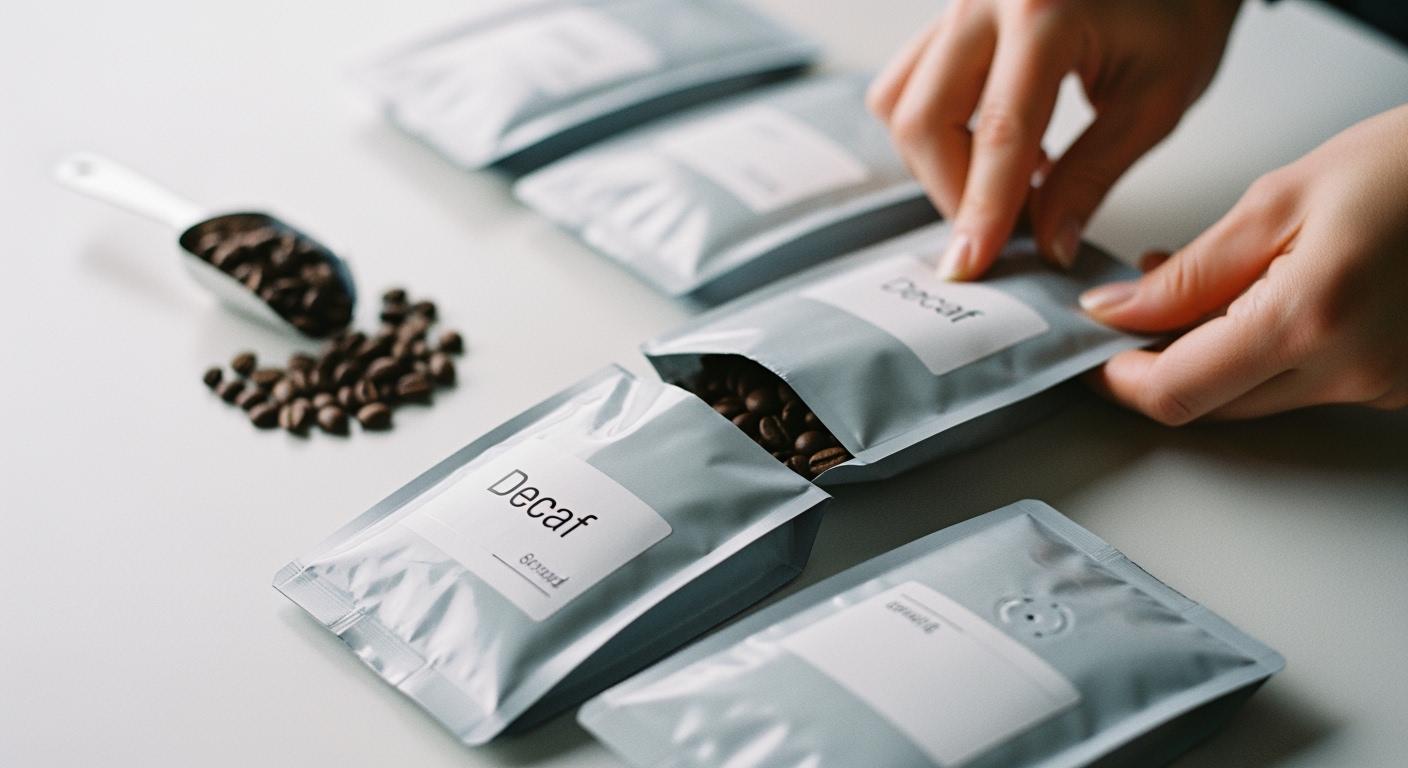
You may ask if decaf coffee packaging should be different from regular coffee. The answer is yes. Decaf coffee has the same problems with oxygen, moisture, and light as regular coffee. These things can make the coffee lose freshness and taste fast. Good packaging helps keep decaf safe and keeps it tasting good. Using Decaf Coffee Bags with strong materials and tight seals can keep it fresh longer. When you pick the right packaging, your coffee looks special on the shelf and your customers get the taste you promise.
Why Decaf Coffee Needs Special Packaging
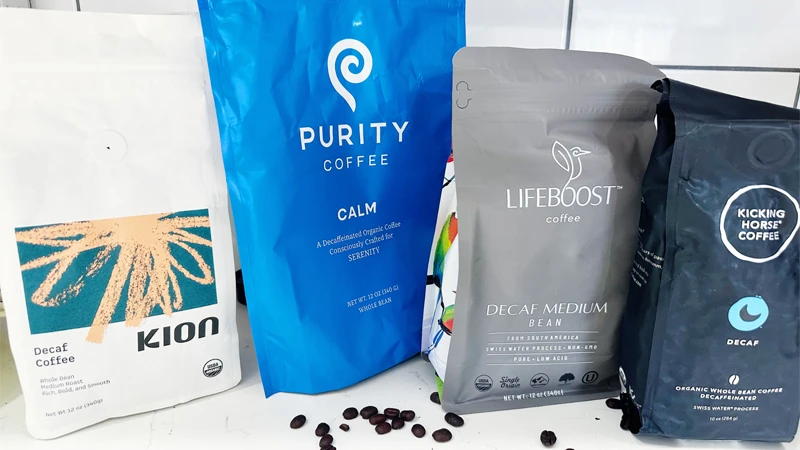
Decaf vs. Regular Coffee: Key Differences
Some people think decaf and regular coffee need the same packaging, but they do not. Decaf goes through a process that takes out caffeine. This process changes the coffee in big ways. Decaf coffee has a higher pH, so it is less acidic than regular coffee. People who care about acidity notice this difference. The process also takes away some natural oils and aroma compounds. Because of this, decaf has fewer aroma-active compounds like pyrazines. These changes make decaf more sensitive to air, moisture, and light. You need packaging that protects these flavors and keeps the coffee fresh.
Note: Decaf coffee loses its smell faster than regular coffee. You should pick packaging that keeps in the flavor and keeps out air.
Risks of Standard Packaging for Decaf
If you use regular packaging for decaf, you might lose quality and freshness. Decaf coffee bags need more care because decaf is easier to spoil. Here are some risks with regular packaging:
Decaf takes in moisture faster, which can cause mold or spoilage.
Oxygen can get inside and make the coffee taste old.
Light, especially UV rays, can break down the coffee and make it taste dull.
Regular packaging may not stop these problems, especially if you want your coffee to last longer.
You must keep decaf away from air, moisture, and light. Good coffee packaging uses barrier film for decaf coffee to block these dangers. This kind of packaging helps keep the coffee fresh and smelling good. If you want your decaf to taste good and last longer, you need packaging with strong barriers.
Tip: Always keep decaf coffee bags in a cool, dry place and use packaging that blocks air, moisture, and light. This will help your coffee stay fresh and taste good.
Decaf Coffee Bags: Packaging Challenges
Degassing and Shelf Life
Packaging decaf coffee after roasting is tricky. Decaf lets out carbon dioxide fast. This changes how it tastes and smells. Degassing means the coffee releases CO2. If you do not control this, the coffee gets old quickly. Too much degassing makes it taste flat. Not enough can make it taste sour. Temperature and humidity make degassing happen faster. You need to watch how you store your coffee.
After roasting, decaf coffee is more at risk from air, moisture, heat, and light. Air makes the coffee taste old. Moisture can cause mold and bad tastes. Heat takes away good smells, so the coffee tastes plain. Light, especially UV rays, breaks down oils and flavor. You need packaging that keeps out these dangers to keep decaf fresh.
Tip: Always check if your decaf coffee bags have degassing valves. These valves let CO2 out but keep air from getting in. This helps keep the smell and taste.
Moisture and Aroma Protection
Moisture and losing aroma are big problems for decaf coffee. Decaf beans soak up water from the air. This can make the coffee taste weak and not last long. Mold can grow if water gets inside the bag. You need strong packaging to stop water and keep the coffee safe.
Nitrogen flushing is a way to swap oxygen for nitrogen in the bag. Nitrogen does not change how the coffee tastes or feels. It makes a shield around the coffee. This keeps it fresh and smelling good while it is stored or shipped.
Here is a table that shows the best materials for keeping out water and saving aroma:
Material | Properties |
|---|---|
Aluminum | Stops oxygen and water |
Degassing valves | Let gas out, keep air from coming in |
Nitrogen-flushed bags | Swap oxygen, keep freshness and smell |
You should pick coffee packaging with strong barriers. Decaf coffee bags with aluminum, degassing valves, and nitrogen flushing help keep your coffee fresh and tasty.
Best Materials for Decaf Coffee Bags
High-Barrier Films and Laminates
Decaf coffee needs strong packaging to stay fresh. High-barrier films and laminates keep out air, water, and light. These materials help the coffee keep its taste and smell. Decaf coffee bags use layers to block things that can harm the coffee. The table below shows the most used materials:
Material Type | Description |
|---|---|
Metallized Cellulose Film | Gives great protection from oxygen, water, and light, so coffee stays good. |
Kraft Paper | Light, breaks down in nature, and can be composted; works for many products like coffee. |
Metallized Paper | Looks nice and protects; can be layered for better blocking. |
Metallized cellulose film and metallized paper protect coffee very well. Kraft paper is good if you want eco-friendly packaging. Pick the material that fits your coffee packaging needs.
Kraft, Foil, and Eco-Friendly Options
There are different materials for decaf coffee bags. Each one has its own good points:
Aluminum foil laminate is the best at blocking air and water. It keeps coffee tasting fresh for up to 12 months. Coffee flavor lasts longer in foil than in regular films.
Kraft paper breaks down in the environment and can be composted. It is good for green packaging, but does not block as well as foil.
Eco-friendly choices help you care for the planet. You can use bags made from recyclable or compostable materials.
You need to think about keeping coffee fresh, good quality, and helping the environment. Foil laminate keeps decaf safe the longest, but kraft and green materials are better for the earth.
BN PACK’s Custom Coffee Bag Solutions
BN PACK makes special packaging for decaf coffee. You can pick stand-up pouches, flat-bottom bags, or side gusset bags. BN PACK uses strong films, kraft paper, and foil laminates. You can add zippers, degassing valves, or clear windows to your bags. BN PACK helps your coffee stay fresh and taste great. You can make your packaging look the way you want and protect your decaf. BN PACK knows how to give you good, safe packaging for all your coffee.
Tip: Pick BN PACK for custom decaf coffee bags that keep coffee fresh, look nice, and last long on the shelf.
Choosing the Right Coffee Bag Format
Stand Up, Flat Bottom, and Gusset Bags
You have many choices when it comes to coffee packaging types for decaf. Each bag format offers unique benefits for your decaf coffee bags. The right choice helps protect flavor and keeps your coffee fresh. Here is a table to help you compare the main options:
Bag Type | Advantages | Disadvantages |
|---|---|---|
Stand-Up Pouch | Easy to store and reseal, maintaining freshness. | May not be suitable for larger quantities needed for big gatherings. |
Flat Bottom Pouch | Provides stability and can stand on shelves, appealing for display. | Limited in size options compared to other types. |
Gusset Bag | Offers more volume and flexibility in packaging, ideal for various sizes. | Can be bulkier and less convenient for storage compared to stand-up pouches. |
Stand-up pouches work well for small batches of decaf. Flat bottom pouches give your coffee a strong shelf presence. Gusset bags fit more coffee and suit larger orders. You should pick the format that matches your needs and the amount of decaf you want to sell.
Customization for Brand Appeal
Coffee packaging design plays a big role in how customers see your decaf. You can use creative packaging to make your coffee stand out. BN PACK offers many ways to customize your packaging. You can choose playful designs, bright colors, or even add a window to show off your coffee. Some brands use cartoon-inspired art to catch the eye. Others let customers add their own photo or message to the bag. These options help your decaf look special and boost your brand.
Good coffee packaging design also protects quality and flavor. You can add resealable zippers or degassing valves to keep your decaf fresh. BN PACK supports you with flexible choices for size, shape, and finish. This helps your coffee look great and stay fresh on the shelf. When you pick the right packaging, you show customers that you care about quality and taste.
Tip: Creative packaging and smart design help your decaf coffee bags attract attention and build trust with buyers.
Degassing Valves in Decaf Coffee Packaging
When to Use Valve Coffee Bags
You want your decaf to stay fresh and full of flavor. After roasting, decaf coffee keeps releasing carbon dioxide. If you seal it in a bag without a way for gas to escape, the bag can puff up or even burst. More importantly, trapped gas can change the taste of your coffee. You need a solution that lets the gas out but keeps air, moisture, and odors from getting in.
One-way degassing valves solve this problem. These small valves let carbon dioxide escape from the bag while blocking oxygen and moisture. This keeps your decaf beans fresh and aromatic. You should use valve coffee bags for whole bean decaf, especially right after roasting. This is when the beans release the most gas. Using these bags helps you manage gas release and maintain the quality of your coffee.
Valve-sealed bags allow carbon dioxide to escape without letting moisture or oxygen in.
This helps maintain the freshness and taste of the coffee beans.
Good roasters use these bags so the coffee can breathe out while staying protected.
Whole bean decaf benefits most from valve packaging after roasting.
Tip: Always choose airtight bags with one-way degassing valves for your decaf to keep it tasting its best.
Valve Placement and Quality
The placement and quality of the valve matter for effective coffee packaging. You want the valve near the top of the bag, above the coffee level. This spot lets gas escape quickly and keeps the bag airtight. If you place the valve too low, it may get blocked by the beans or ground coffee.
Choose high-quality one-way degassing valves. Cheap valves may leak or let in air, which can spoil your decaf. A good valve keeps your packaging airtight and protects the coffee from outside air and moisture. Always check that the valve works before you fill the bag.
Place the valve above the coffee for best results.
Make sure the valve is airtight and does not leak.
Test the valve before sealing your decaf coffee bags.
Note: Using airtight packaging with reliable one-way degassing valves is key to keeping your decaf coffee fresh and flavorful.
Labeling and Shelf Appeal for Decaf Coffee
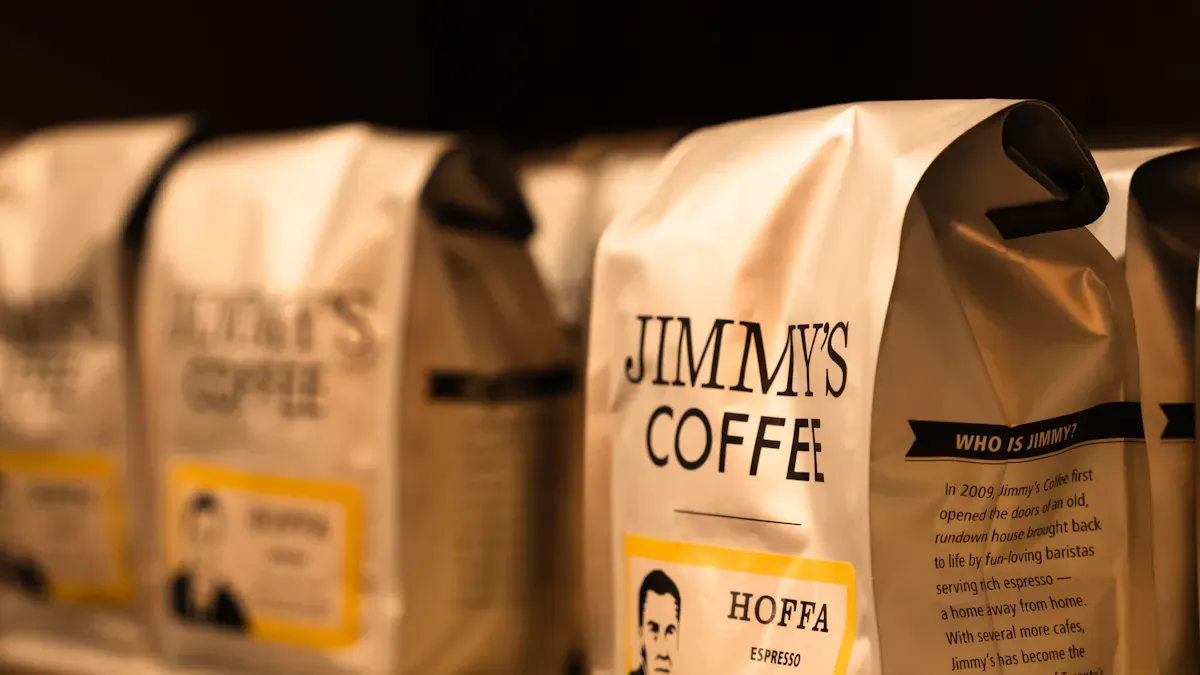
Decaffeination Method and Compliance
You need to follow rules when you label decaf coffee. Honest labels help people trust your coffee. Every decaf coffee bag must say it is decaf. You should also tell how the caffeine was removed, like the Swiss Water Process. Many people want to know this. If you use a special way, put it on the front of the bag.
Here is a table to remind you what to put on your decaf coffee bag:
Requirement | Description |
|---|---|
Statement of Identity | Clearly state the product is decaf coffee |
Net Quantity | Show weight in metric and U.S. units |
Ingredient List | List all ingredients by weight |
Nutrition Facts Panel | Needed if you add flavors or other ingredients |
Allergen Declaration | List any allergens |
Company Information | Add your company name and address |
Decaffeination Method | State the method used (e.g., Swiss Water Process) |
Origin or Health Claims | Make sure all claims are true and supported |
State or Country Warnings | Add warnings if required (like California’s Proposition 65) |
You also need to use the right name for your coffee. If your decaf has flavors, say so in the name, like “Artificially Flavored Decaf Coffee.” Always check the rules if you sell in other countries.
Tip: Telling people how you remove caffeine helps them trust you and makes your decaf special.
Visual Design and Differentiation
Your decaf coffee bag should look nice and show what makes it different. Use bright colors so people notice your coffee. Big, bold letters help shoppers see it is decaf. Modern designs make your bag look new and cool.
Try these ideas to make your decaf coffee bag stand out:
Pick bright colors that are easy to see.
Use big, clear letters for the word “decaf.”
Add a modern logo or art to show your brand.
Show the decaffeination method with a badge or icon.
Many brands use bold words and bright colors so people can find decaf fast. Good design gets attention and helps buyers feel good about their choice.
Note: A decaf coffee bag with clear labels and bright colors can help you sell more and make customers come back.
Ordering Checklist for Decaf Coffee Bags
When you buy decaf coffee bags, you need to keep your coffee fresh. You also want your bags to look good and follow the rules. This checklist helps you pick the best packaging for your decaf.
Material and Format Review
First, look at the materials and bag types for your decaf coffee. Picking the right ones keeps your coffee fresh and helps the planet. Check the table below before you order:
Key Factor | Details |
|---|---|
Material Composition | Coffee bags use paper and plastic for strength and safety. |
Brewing Format | Medium or coarse grind works best for decaf and tastes good in 3-4 minutes. |
Sustainability | Pick BioWeb mesh or other compostable materials for green packaging. |
Recycling | Choose PE 4 pouches because they are easy to recycle and help the earth. |
BN PACK has many bag styles like stand-up, flat bottom, and gusset bags. You can pick materials that fit your brand and help the environment.
Valve and Closure Options
Next, think about how to keep your decaf coffee fresh after opening. Good closures and valves are important. Use this table to see your choices:
Feature | Description |
|---|---|
High Barrier Properties | Stops air, water, and light so decaf keeps its taste and smell. |
One-Way Degassing Valves | Lets carbon dioxide out but keeps air out, so coffee stays fresh. |
Resealable Closures | Lets you close the bag tight after each use to protect your decaf. |
BN PACK lets you add these features to your bags. This helps you give your customers the best coffee.
Branding and Compliance
You want your decaf coffee to stand out and follow the rules. Make sure you:
Put clear labels with ingredients, weight, and where the coffee is from.
Follow FDA rules for the main label and info panel.
Use colors, fonts, and pictures that match your brand and look nice on shelves.
BN PACK helps you make custom coffee bags that follow the rules and show off your brand. With the right choices, your decaf coffee bags will look great and keep your coffee fresh.
Tip: Use this checklist before you order to make sure your decaf coffee bags keep coffee fresh, help the planet, and make your brand strong.
Common Mistakes in Decaf Coffee Packaging
You want your decaf coffee to taste good and look nice. Many roasters make mistakes with decaf coffee bags. These mistakes can make the coffee taste bad and not last long. They can also hurt your brand. You can stop these problems if you know what to look for.
Overlooking Barrier Needs
Barrier needs are important for decaf coffee. If you use weak materials, air, water, and light can get in. Oxygen makes coffee taste old. Water can cause mold and bad smells. Light can break down oils and smell. You need strong barriers for your decaf coffee bags. Some roasters pick colors that do not fit decaf. Light blue can make people think something is missing. This color may make buyers think decaf is not as good. You should use colors that fit your brand and make your coffee look special.
Air, water, and light can ruin decaf taste.
Weak barriers let coffee lose smell and freshness.
Strange colors can change what people expect.
Tip: Always pick strong materials and good designs for your decaf coffee bags.
Ignoring Degassing
Degassing matters for decaf. After roasting, coffee lets out carbon dioxide. If you forget degassing, bags can puff up or even pop. Gas inside can change the taste. You need one-way valves to let gas out and keep air out. Many roasters skip this step. Your decaf will stay fresh longer if you use degassing valves.
Decaf lets out gas fast after roasting.
One-way valves keep flavor and stop bag damage.
Skipping degassing makes coffee go bad faster.
Note: Check your bags for degassing valves before you close your decaf.
Neglecting Shelf Appeal
Shelf appeal helps your decaf get noticed. Some roasters use plain bags or tiny letters. Shoppers may not see your coffee. Bright colors, big labels, and cool art get attention. You want people to spot your decaf and want to try it. Good packaging makes your coffee easy to find and builds trust.
Mistake | Impact | Solution |
|---|---|---|
Weak barrier | Old coffee, mold, smell loss | Use strong barrier materials |
No degassing valve | Bag pops, taste loss | Add one-way degassing valves |
Bad shelf appeal | Fewer sales, weak brand | Use bold designs and big labels |
Remember: Smart packaging keeps your decaf safe and helps your coffee stand out on the shelf.
You can keep decaf coffee safe with strong packaging. Compostable materials are good for the earth. Try to keep the smell and quality inside the bag. Use degassing valves to let gas out but keep air away. Clear labels can show the swiss water process. Compostable bags help the planet and keep coffee fresh. If you do these things, your coffee will smell and taste better. BN PACK makes custom decaf coffee bags that look special and keep your coffee tasting great.