Coffee is a small detail in the hotel experience, but guests notice it more than many operators expect. A forgettable in-room coffee setup can make the room feel generic. A well-presented private label coffee pack, on the other hand, can make the experience feel more thoughtful, branded, and premium. That is why more hotels, resorts, boutique properties, and hospitality groups are paying closer attention to coffee packaging.
Hotel private label coffee packaging is not only about putting a logo on a pouch. It is about turning a daily guest touchpoint into part of your brand story. It can support in-room service, welcome amenities, retail sales, event gifting, and even loyalty-building after the guest leaves. For properties that want a more polished and memorable presentation, the packaging matters almost as much as the coffee itself.
If your team is exploring a branded coffee program, choosing the right format, material, and design approach is the first step. The right custom coffee bag can help hotels deliver a more consistent, professional, and marketable coffee experience.
What Is Hotel Private Label Coffee Packaging?
Hotel private label coffee packaging refers to coffee packed under the hotel’s own brand rather than under the roaster’s consumer-facing label. The coffee may still be sourced from a local roaster, a regional supplier, or a large private label partner, but the packaging is designed to reflect the hotel’s identity.
In practice, this means the guest sees the hotel name, logo, colors, and brand style on the coffee pack. Instead of feeling like a generic room amenity, the product becomes part of the hotel’s overall presentation. This is especially valuable for boutique hotels, luxury resorts, wellness retreats, golf resorts, and branded hospitality groups that want every guest-facing item to feel intentional.
Private label coffee packaging can also cover more than single-serve in-room items. It may include retail coffee bags in the lobby shop, coffee pouches for welcome gifts, packaging for special events or conferences, and branded packs for seasonal promotions. In other words, it can be a flexible packaging program that supports both hospitality service and brand merchandising.
Why Hotels and Resorts Are Investing in Branded Coffee Programs
Hotels are paying more attention to coffee because guest expectations are changing. Travelers increasingly compare hotels not only by room size and location, but also by the quality of the overall stay experience. Small items such as toiletries, slippers, bottled water, and coffee all contribute to how the guest remembers the property.
Coffee is especially important because it is part of a daily routine. Many guests use the coffee station early in the morning, before breakfast, and often before interacting with hotel staff. That makes it one of the first branded product experiences of the day. If the coffee packaging looks premium and consistent with the property’s style, it reinforces the impression that the hotel cares about details.
A branded coffee program also helps strengthen visual identity. When the coffee packaging matches the hotel’s wider design language, it creates a more unified brand experience across the guest room, restaurant, café corner, front desk, and retail area. This consistency is valuable not only for luxury properties, but also for midscale and lifestyle hotels trying to build a stronger brand presence.
There is also a commercial reason. Hotel-branded coffee can move beyond room amenities and become a retail product. Guests who enjoy the coffee during their stay may be more likely to purchase a bag in the hotel gift shop or take home a branded coffee gift set. In that sense, coffee packaging can support both guest satisfaction and incremental revenue.
Main Coffee Packaging Formats for Hospitality Programs
Not all hotel coffee packaging serves the same purpose. The right format depends on how the coffee will be used, where it will be displayed, and how long it needs to stay fresh.
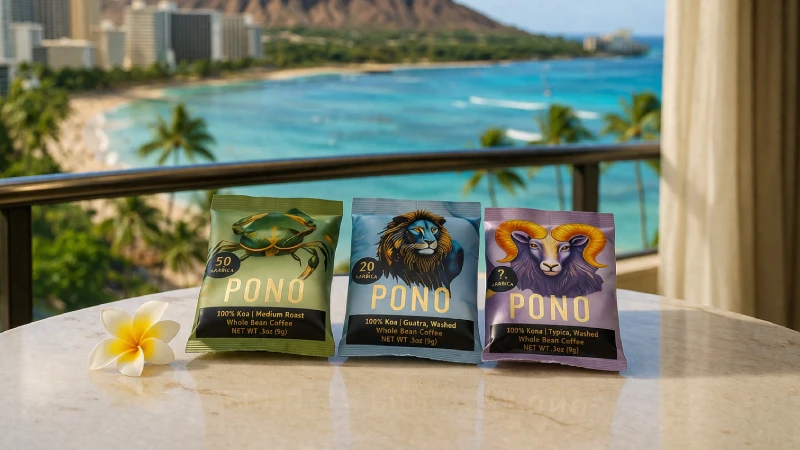
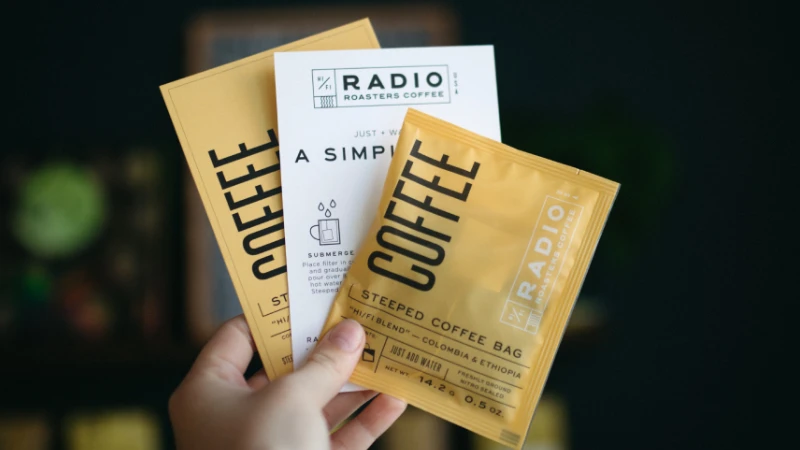
Single-serve coffee packs are common for guest rooms. These are designed for individual use and must be compact, easy to open, and efficient to store. Because the print area is limited, the design usually needs to be simple and recognizable. The main goal is to deliver a clean branded look while preserving enough freshness for amenity use.
Portion packs for in-room brewing systems are another important category. Some hotels use specific pod, sachet, or filter-compatible systems, which means the packaging must match the machine requirements. In these cases, the structure, dimensions, and sealing performance are just as important as the printed design.
Retail coffee bags are different. These are usually sold in hotel gift shops, lobby retail areas, or café spaces. They often require larger pack sizes, stronger barrier performance, and more complete product information. Features such as resealable zippers, one-way degassing valves, and premium surface finishes are more relevant here because the product is intended for retail display and longer consumer use.
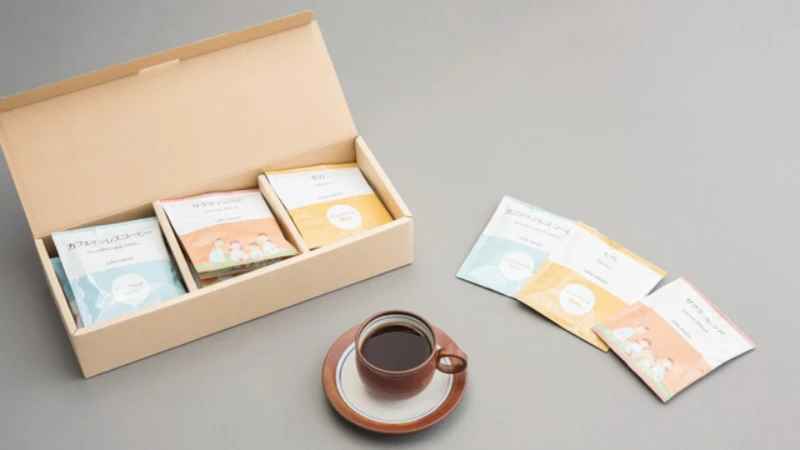
Gift boxes and sampler sets are also popular in hospitality programs. These are useful for VIP guests, seasonal promotions, conferences, corporate gifting, and resort welcome packages. For this format, packaging needs to balance presentation value with practical handling and storage.
How Hotel Coffee Packaging Differs From Standard Retail Packaging
Hotel coffee packaging has different priorities from regular supermarket or café retail packaging. In many cases, the inventory cycle is longer. A hotel may order packaging in batches, store it across multiple departments, and distribute it gradually over time. That means freshness protection becomes a more important decision factor, especially in warmer climates or high-humidity destinations.
Brand consistency is another key difference. Hotels, especially multi-property groups, need packaging that looks consistent across locations and reorders. Color accuracy, print quality, and material appearance matter because the packaging must support a controlled brand image. A mismatch in finish or logo color may be a minor issue in some markets, but in hospitality it can weaken the premium perception.
MOQ flexibility also matters more in hotel programs. A large retail coffee brand may order high volumes of one format, but a boutique hotel may need smaller runs, multiple SKU sizes, or different versions for room use and retail use. This makes supplier flexibility very important. Hotels often need a packaging partner that can support mixed applications rather than just mass-volume commodity production.
How to Choose the Right Coffee Bag Structure for Hotel Use
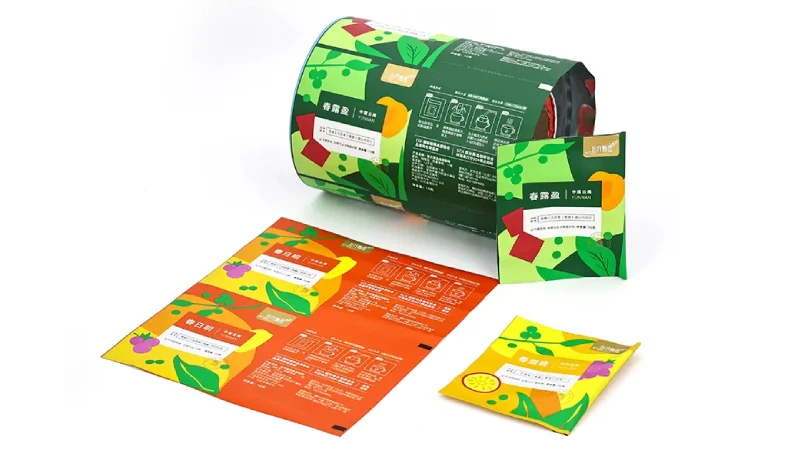
Material choice should be based on actual usage conditions, not only on appearance. If the coffee will be stored for longer periods or shipped across long distances, a higher barrier structure is usually the safer option. Foil coffee bags provide strong protection against oxygen, moisture, and light, making them suitable for long shelf life and demanding distribution environments.
METPET structures are often chosen when hotels want a practical balance between cost and barrier performance. They can provide good protection while controlling packaging costs, especially for larger projects.
EVOH-based structures may be useful when the hotel wants a more modern or lighter visual effect, including partial product visibility or a less metallic look. These can work well for selected retail products or gift-oriented packaging where presentation is a stronger factor.
The bag features also matter. For retail formats, a one-way degassing valve is often important for roasted coffee beans. A zipper improves convenience for the guest after opening. Tear notches support easy access. Matte or soft-touch finishes can enhance the premium feel, which is especially valuable for luxury and boutique hospitality brands.
Design Tips for Hotel Private Label Coffee Bags
Hotel coffee packaging design should be clear, controlled, and brand-led. In-room coffee packs usually work best with a simple layout. The logo, product type, and a small number of essential design elements are often enough. Too much text can make small packs feel crowded and reduce visual impact.
Retail coffee bags give more room for storytelling. These can include tasting notes, roast style, bean origin, brewing suggestions, or a short message about the hotel brand. When done well, the bag becomes both a coffee package and a branded keepsake.
Premium surface finishes can make a significant difference in perceived value. Matte lamination, soft-touch finishes, metallic accents, or understated embossing can help the packaging feel more upscale. This is especially useful for resort brands, design hotels, and properties that position themselves around luxury or curated lifestyle experiences.
It is also important to design from the correct packaging template. Every format has panel limits, sealing zones, and technical areas that should not be ignored. Working from the supplier’s dieline from the beginning helps avoid layout problems, wasted revisions, and production delays.
How to Start a Hotel Private Label Coffee Packaging Program
A successful hotel coffee packaging project usually starts with clear positioning. First, define what role the coffee plays in your brand. Is it a practical room amenity, a premium guest experience, a retail product, or all three? That decision affects the packaging format and material structure.
Next, choose the formats you need. Some hotels only need single-serve packs. Others need both room packs and retail pouches. Resorts and lifestyle properties may also want gift-ready packaging for events or VIP use.
Then work with a packaging supplier to confirm MOQ, material options, print method, lead time, and finishing details. This stage is where many projects succeed or fail. A supplier that understands hospitality packaging needs can help simplify the decision process and reduce unnecessary back-and-forth.
Finally, plan your inventory timing carefully. Packaging should arrive in line with product launch schedules, peak travel seasons, and reorder cycles. Hotels often underestimate the importance of coordinating coffee supply, printing approval, and packaging lead time. Good planning helps prevent shortages and keeps the program consistent.
Why Custom Coffee Bags Help Hotels Build a More Memorable Brand Experience
Hotel private label coffee packaging works because it transforms a routine product into a brand asset. It helps the coffee feel connected to the property instead of borrowed from an outside supplier. It strengthens consistency, improves presentation, and creates opportunities for retail and guest loyalty.
From the guest room to the gift shop, the packaging tells guests that the hotel pays attention to the details. That matters in hospitality, where perception is built one touchpoint at a time. A well-designed coffee bag may seem small, but it can influence how polished, premium, and memorable the overall stay feels.
For hotels and resorts that want to build a more distinctive coffee program, investing in the right packaging is a practical place to start. If you are planning a branded hospitality coffee line, explore the right custom coffee bag options to support both guest experience and long-term brand value.