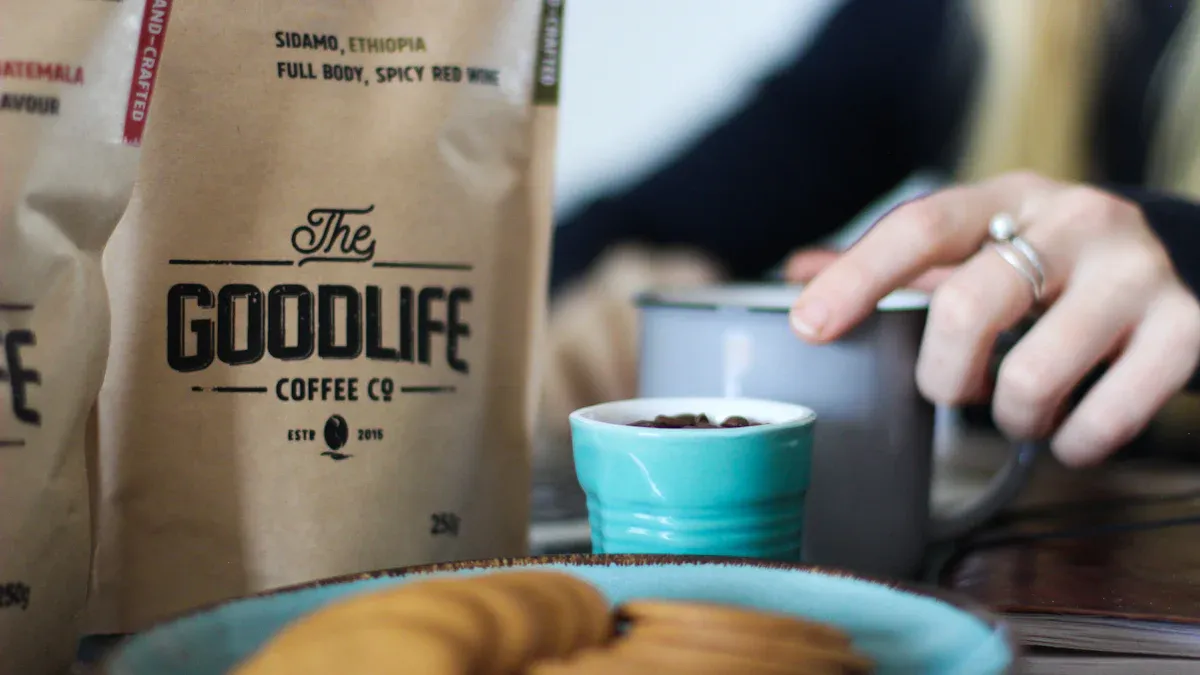
You see coffee packaging everywhere, but it does more than hold beans. Packaging acts as a silent salesman, shaping how you feel about a brand. Nearly 70% of shoppers sometimes pick coffee based only on the packaging. Coffee packaging marketing starts with protection and communication. It keeps beans fresh and tells you a story. The colors and textures change how you expect the coffee to taste. Look at the table below, which shows how packaging color affects what people are willing to pay:
Consumer Group | Preference for Pink Bag | Preference for Brown Bag | Willingness to Pay More |
|---|---|---|---|
Cluster 1 | High | Low | Yes |
Cluster 3 | Low | High | Yes |
Cluster 2 | High for both | High for both | Yes |
Key Takeaways
Coffee packaging acts as a silent salesman, influencing your choice and perception of the brand.
Good packaging keeps coffee fresh and communicates important details like origin and roast level.
Unique and eye-catching designs help brands stand out and build customer loyalty.
Transparent packaging builds trust by allowing you to see the quality of the coffee inside.
Eco-friendly packaging options attract customers who care about the environment and can boost sales.
Packaging’s Role
Protection and Communication
You want your coffee to taste fresh every time you open a bag. Good packaging keeps air, moisture, and light away from the beans. Research shows that polymeric materials like PE-EVOH and PP-PVC can keep coffee fresh for up to a year. These materials work well during shipping and storage. Natural fiber bags, on the other hand, only protect coffee for about two months. If you care about quality, you should look for brands that use strong packaging.
Coffee packaging does more than protect beans. It also tells you important things about the product. When you pick up a bag, you see the brand name, roast level, and origin. You might notice symbols that show the company cares about the environment. Many brands now use compostable or recyclable bags. They want to show you that they use less plastic and care about the planet. This helps you trust the brand and feel good about your choice.
Coffee packaging acts as the first touchpoint, shaping how you see a brand.
It shows brand identity and highlights efforts to be eco-friendly.
You get key details about the coffee, which makes your shopping experience better.
First Impressions Matter
The look and feel of coffee packaging can change what you think about the coffee inside. You might choose one bag over another because of its colors or design. Brands use matte finishes, bright colors, or fun illustrations to catch your eye. These choices can make you believe the coffee is high quality or made with care. When you see the same design in stores and online, you start to remember and trust the brand.
Successful brands use packaging to tell stories and share emotions.
Visual elements can suggest quality and craftsmanship.
Consistent design builds trust and helps you recognize the brand.
Coffee packaging marketing uses these tools to stand out on the shelf. When you see a package that looks special, you are more likely to try it. That first impression can turn you into a loyal customer.
Coffee Packaging Marketing Impact
Brand Identity in Coffee Packaging Marketing
You see coffee packaging everywhere, but each brand tries to stand out. Coffee packaging marketing helps you recognize brands quickly. When you look at a bag or cup, you notice colors, logos, and graphics. These details tell you what the brand stands for. You can spot your favorite coffee from across the store because the design matches the brand’s personality.
Aspect | Description |
|---|---|
Unique Identity | Packaging must convey the company’s unique identity and values to establish a strong brand presence. |
Instant Recognition | Effective design allows customers to recognize the brand instantly, even from a distance. |
Alignment with Values | Color scheme, typography, and graphics should align with the brand’s personality and values. |
Coffee packaging marketing uses storytelling to connect with you. Many brands share their story on the package. You might read about where the beans come from or how the company supports farmers. This storytelling triggers emotions and helps you remember the brand. When Blind Dog Coffee Roasters redesigned their packaging, they shared their values and story. Customers noticed the change and felt more connected to the brand. The new look improved customer perception and helped the company grow.
Packaging has long served as the ‘silent salesman’, communicating brand values and persuading customers to purchase products without any human interaction.
Building Loyalty and Trust
You trust brands that show honesty and care. Coffee packaging marketing builds trust by sharing clear information. You see details about the origin, roast level, and certifications. Some brands use transparent packaging so you can see the beans. This makes you feel safe and confident about your choice.
Transparent packaging lets you see the product, which reduces uncertainty and builds trust.
You feel more comfortable buying coffee when you can see its quality.
Brands that use transparency often gain loyal customers.
When you see a brand that shares its values and origin, you feel connected. You know what you are buying and who you are supporting. Pink Carrot redesigned their cold cups with eye-catching visuals. Customers often complimented the cups and asked about the product. The new design made the cups a conversation starter, showing how packaging can build loyalty and trust.
Packaging as Direct Marketing
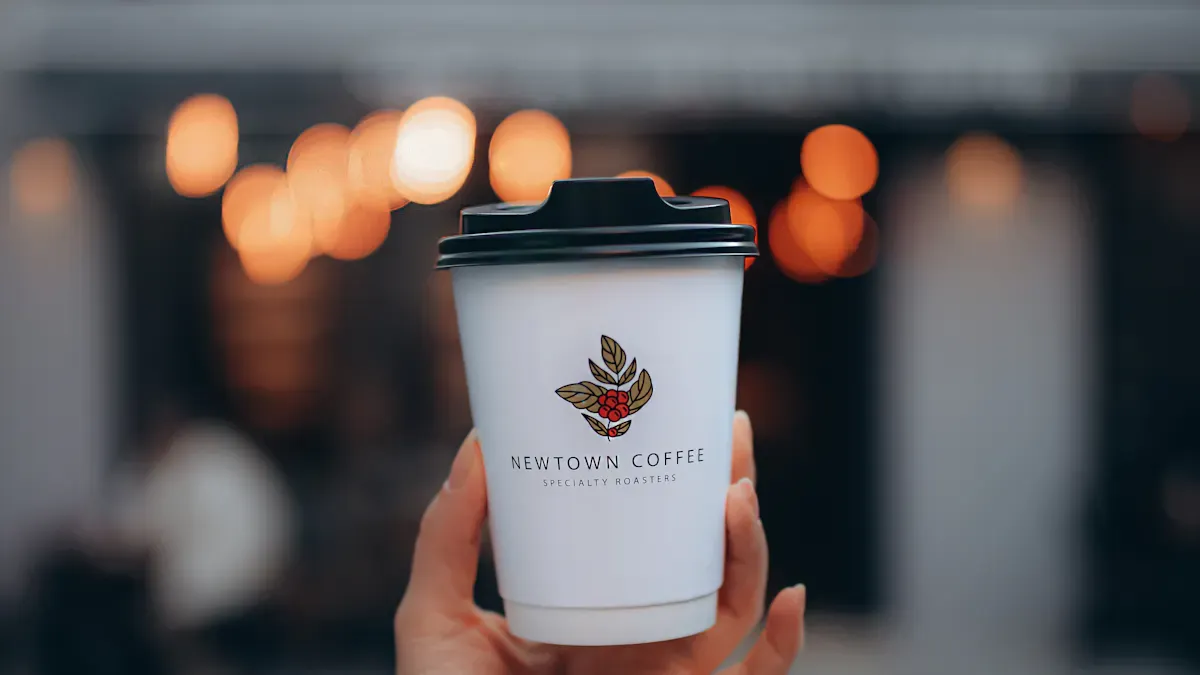
Coffee packaging marketing acts as a direct marketing tool. You carry branded cups and bags in public, which makes the brand visible to others. Packaging works like a mobile advertisement. People notice the design and ask about the coffee. Unlike ads on TV or social media, packaging feels personal and less intrusive.
Disposable cups and bags provide high visibility in public spaces.
Branded packaging creates a personal connection with you.
Well-designed packaging increases brand recognition and loyalty.
When Mythoz Café switched to custom packaging, their sales doubled. The new design caught people’s attention and made the brand stand out. Coffee packaging marketing helps brands reach new customers and keep old ones. You remember brands with unique packaging and share your experience with friends.
Coffee packaging marketing shapes how you see, trust, and remember coffee brands. It helps brands tell their story, build loyalty, and market directly to you every day.
Custom vs. Stock Packaging
Custom Packaging Benefits
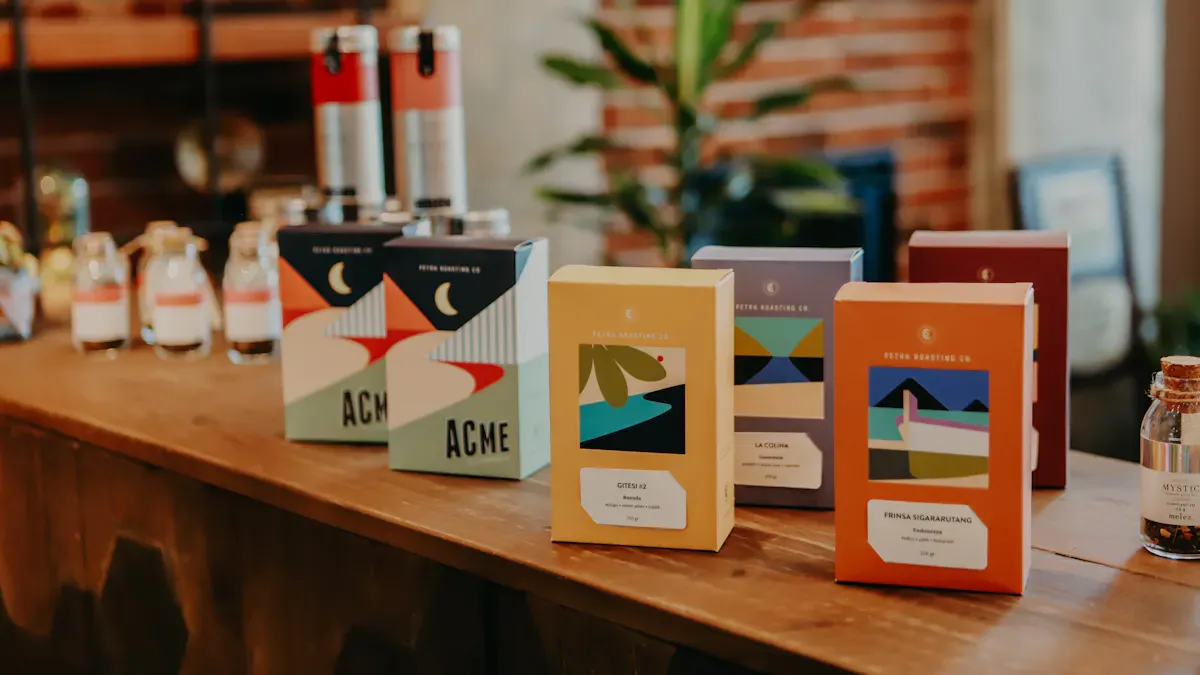
Custom packaging gives you many marketing advantages. You can create a unique look that helps people remember your brand. Custom designs let you share your story and connect with customers. You can also use eco-friendly materials to show you care about the environment. The table below shows how custom packaging stands out:
Advantage | Description |
|---|---|
Brand Identity | Custom designs help customers instantly recognize your brand on store shelves or online. |
Differentiation | Unique packaging sets you apart in a crowded market, grabbing attention and communicating quality. |
Customer Engagement | Packaging can share your brand’s story and connect emotionally with buyers, building trust. |
Eco-Friendly Options | Using sustainable materials resonates with eco-conscious customers and enhances brand image. |
Marketing Opportunities | Custom bags can feature seasonal designs and interactive elements like QR codes for engagement. |
Custom packaging can use materials like kraft paper or plant-based films. These choices help you attract customers who want sustainable products.
When to Use Stock Packaging
Stock packaging works well when you start your coffee business. It costs less and does not require large orders. You can test new blends and flavors without spending much money. Stock bags give you flexibility and let you focus on growing your brand.
Here are some challenges you might face with custom packaging:
High minimum order quantities can tie up your cash.
You may need to order 10,000 bags or more at once.
Custom packaging costs more and needs careful planning.
Using generic packaging for too long can make it hard to stand out.
Custom options require a bigger commitment and investment.
The table below compares stock and custom packaging:
Type of Packaging | Initial Cost | Flexibility | Branding Options | Minimum Order Quantities |
|---|---|---|---|---|
Stock Coffee Bags | Lower | High | Limited | None |
Custom Coffee Bags | Higher | Lower | Extensive | Yes |
Case Study Insights
Many brands have switched from stock to custom packaging as they grow. Lavazza moved to fully recyclable coffee bags. This change improved their image as a sustainable company. Peet’s Coffee started using compostable bags made from plants. This choice attracted customers who care about the environment.
As your brand grows, you can start with stock packaging and move to custom options. You can also use new packaging types, like K-Cups, to reach more customers. Working with the right manufacturer helps you scale your packaging as your business expands. Coffee packaging marketing evolves with your brand, helping you stand out and build loyalty.
Packaging Challenges
Cost and Scalability
You face many cost challenges when choosing coffee packaging. Kraft paper bags cost less and break down naturally, but they may not attract customers who want a premium look. If you want to customize these bags, you pay extra. Balancing eco-friendly materials with profit can also raise your costs. Poor packaging choices can increase shipping expenses and even hurt your brand’s reputation if products arrive damaged.
Kraft bags are affordable and biodegradable, but may not appeal to high-end buyers.
Customization adds to your expenses.
Choosing sustainable materials can increase costs.
Inefficient packaging can lead to higher shipping fees and damage your brand image.
As your business grows, keeping quality consistent becomes harder. You might struggle to meet demand and keep your packaging looking sharp. Many brands work with contract manufacturers. These partners help you scale up by using their quality systems and mass-production skills. You can also pay per unit, which helps you manage costs as your sales grow.
Adapting for Markets
When you sell coffee in new markets, you need to adapt your packaging. Different countries and regions have unique tastes and rules. You may need to change your design, materials, or even the language on your bags. The table below shows how brands adapt:
Strategy Type | Description |
|---|---|
Product Adaptation | Change packaging features to fit local and foreign markets. |
Business Strategy | Align packaging with your business goals to boost sales and performance. |
Customer Preferences | Adjust packaging to match what local customers want, improving your export results. |
Modern packaging trends focus on design, storytelling, and eco-friendly materials. Many shoppers want compostable or recyclable bags. Packaging now acts as the first handshake between you and your customer. It builds trust and shows you care about quality and the planet.
Solutions for Small Brands
If you run a small coffee brand, you have smart options for packaging on a budget:
Stock Bags with Custom Labels: These bags cost less, have low minimum orders, and let you launch quickly.
Digitally Printed Custom Bags: You can order fewer bags, update designs easily, and get high-quality prints.
Drip Coffee Sachets (Single-Serve): These are great for samples and make it easy for customers to try your coffee.
Eco-Friendly Packaging: Kraft paper bags with compostable liners or recyclable materials attract eco-conscious buyers.
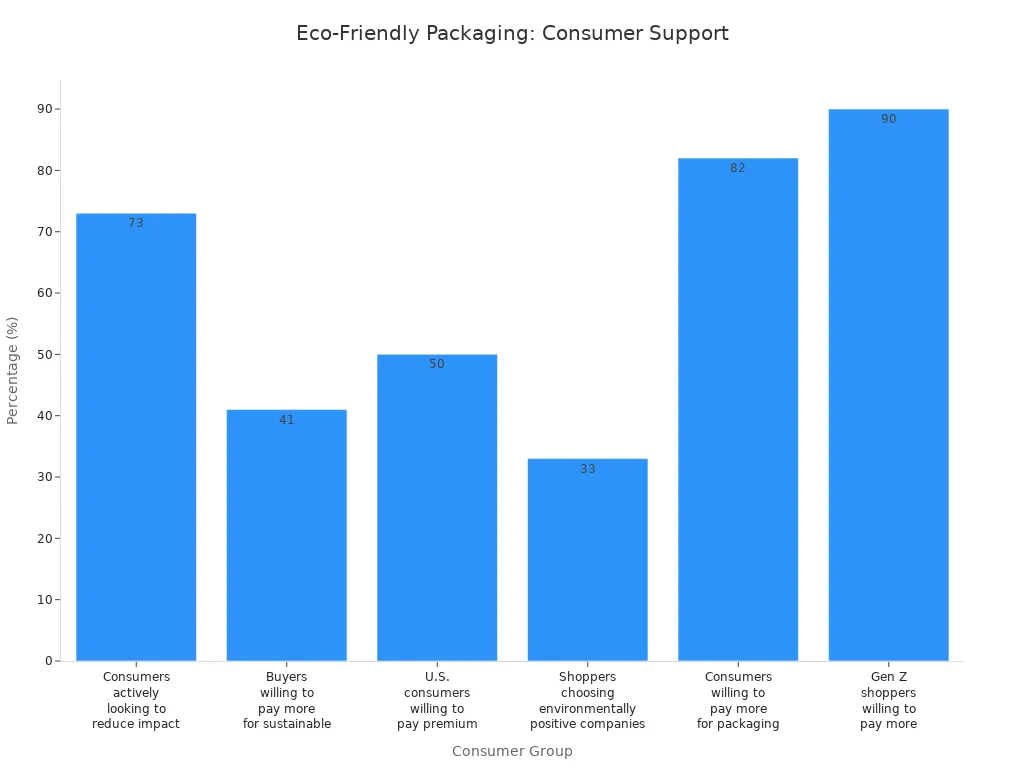
You can start simple and upgrade your packaging as your business grows. Many shoppers—up to 82%—say they will pay more for sustainable packaging. If you choose eco-friendly options, you can attract more customers and build a strong brand.
Coffee packaging shapes your brand’s story and influences how customers choose their coffee. You should match packaging with your brand goals and market needs. Try these steps:
Invest in bold, brand-aligned designs.
Keep messaging clear and prioritize important details.
Use high-quality materials for freshness and usability.
Strategy | |
|---|---|
Packaging Reduction | Minimize waste and carbon emissions. |
Reusable Packaging | Overcome barriers to scaling reuse. |
Standardized Design | Enhance sustainability through recycling. |
Keep testing designs and listening to feedback. Regularly review your packaging to stay ahead and maximize marketing impact.
FAQ
What makes coffee packaging important for marketing?
Coffee packaging grabs your attention first. It shows you the brand’s story and values. Good packaging helps you remember the brand and makes you want to try the coffee.
How does packaging help build customer loyalty?
You trust brands that use clear, honest packaging. When you see details about the coffee’s origin and quality, you feel safe buying it. This trust can turn you into a loyal customer.
Can small coffee brands use custom packaging?
Yes! You can start with stock bags and add custom labels. As your business grows, you can switch to fully custom designs. This helps you stand out without spending too much at first.
What eco-friendly options exist for coffee packaging?
Many brands use compostable or recyclable bags. You can also find packaging made from plant-based films or kraft paper. These choices help protect the planet and attract eco-conscious buyers.