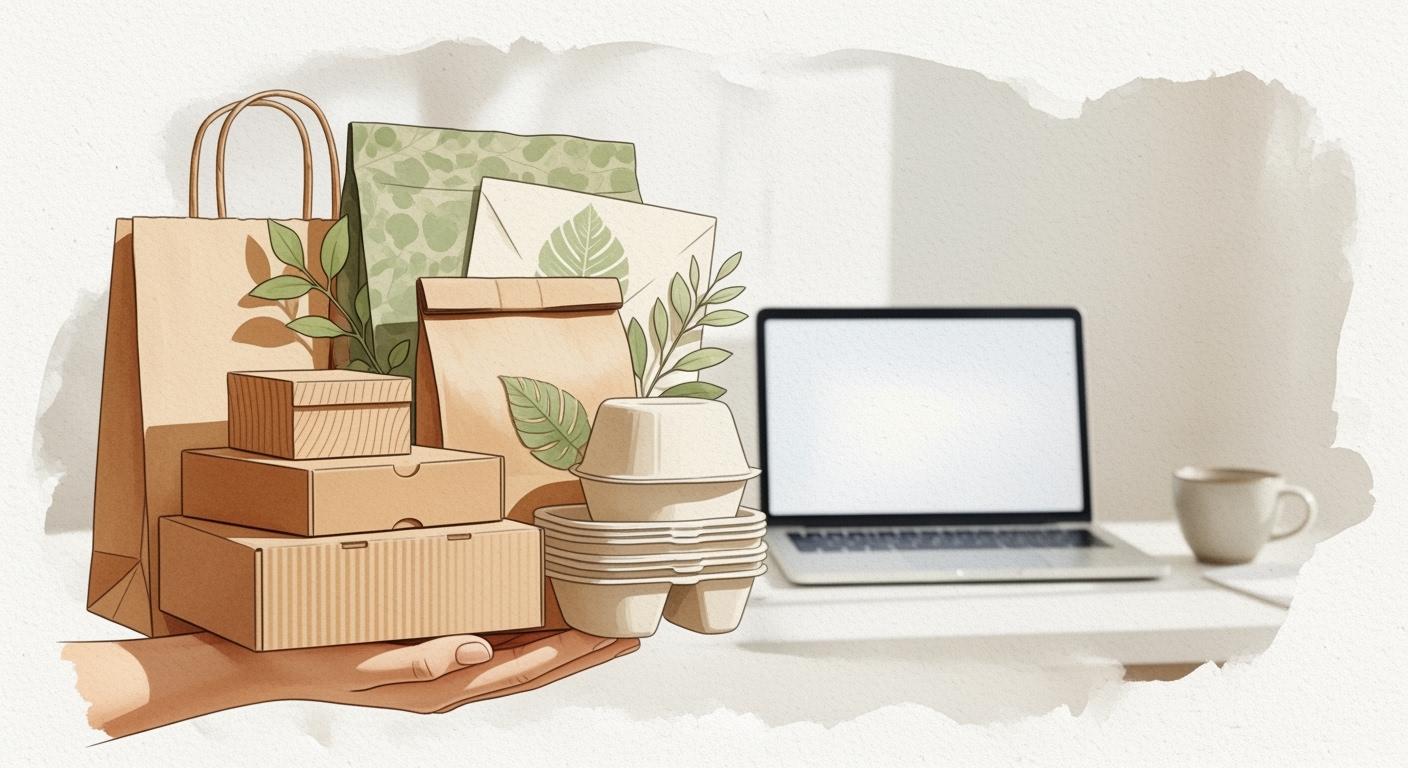
You see more products in stores featuring Eco Friendly packaging every day. Eco Friendly packaging uses materials that are safe for the planet, helping your business stand out from the competition. With a growing demand for sustainable packaging solutions, more people are seeking Eco Friendly options. Take a look at how the market is expanding:
Year | Market Size (USD Billion) | CAGR (%) |
|---|---|---|
2025 | 256.64 | N/A |
2026 | 276.57 | 7.8 |
2035 | 536.16 | 7.6 |
Eco Friendly packaging reduces waste and attracts customers who care about the environment. It can also help you save money by lowering waste disposal costs. By choosing Eco Friendly packaging, you support your business and the planet with greener solutions.
What Makes Packaging Eco Friendly
When you pick packaging, you want it to help your business and the planet. Not all packaging is good for the environment. You need to know what makes packaging eco friendly. Let’s look at the details.
Criteria | Description |
|---|---|
Renewable resource base | Made from materials that nature can replace quickly |
Minimal processing impact | Uses less energy and makes fewer emissions during production |
Functional performance | Keeps products safe without making extra waste |
End-of-life optimization | Easy to recycle, compost, or let break down safely |
Supply chain efficiency | Light and saves space, which lowers shipping emissions |
Renewable and Sustainable Materials
You want packaging made from materials that nature can renew. These materials come from plants or recycled paper. For example, PLA and kraft paper with compostable coatings are popular choices. These options break down into natural parts, so they do not fill up landfills. Using recycled paper also saves water and energy compared to new paper. Aluminum and glass are other examples because you can recycle them many times.
Recyclable and Compostable Options
Recyclable packaging keeps resources in use and out of landfills. In many places, over 70% of paper gets recycled. Compostable packaging, like compostable mailers and utensils, turns into soil when composted. Biobased plastics, made from plants, absorb CO₂ as they grow and release less carbon than regular plastics. When you pick recyclable or compostable options, you lower your environmental impact and help a circular economy.
Non-Toxic and Safe Packaging
Safe packaging is important for you and your customers. Non-toxic materials do not release harmful chemicals into food or the environment. You want packaging that is safe to touch and does not pollute. BN PACK cares about this. The company uses certified environmentally friendly packaging materials that meet strict safety standards. You can trust BN PACK to give you sustainable packaging that protects your products and the planet.
Tip: Not all sustainable packaging works the same. Some options are better for certain products. Always check if the packaging fits your needs and values.
Types of Environmentally Friendly Packaging Materials
You have lots of choices for sustainable packaging. Each kind helps your business and the planet in different ways. Let’s look at some top options and see how they are different.
Recycled Paper and Cardboard
Recycled paper and cardboard are very popular for green packaging. You see them used for boxes and food containers. These materials come from old paper and boxes. They get cleaned and made into new things. Using recycled packaging saves trees and keeps trash out of landfills.
Recycled cardboard can be used many times. It is a smart pick for corrugated packaging.
Recycled paper packaging uses up to 60% less energy than making new paper.
Over 70% of paper gets recycled in most places. This means it is good for the environment.
You can use recycled paper and plastic for shipping, stores, and food. Kraft paper is another good choice. It is strong, can be recycled, and often has recycled parts. Corrugated packaging made from recycled stuff is tough and protects your products.
Note: Recycled paper is good for the earth, but it still needs water and energy to make. Pick suppliers who use clean ways to make it.
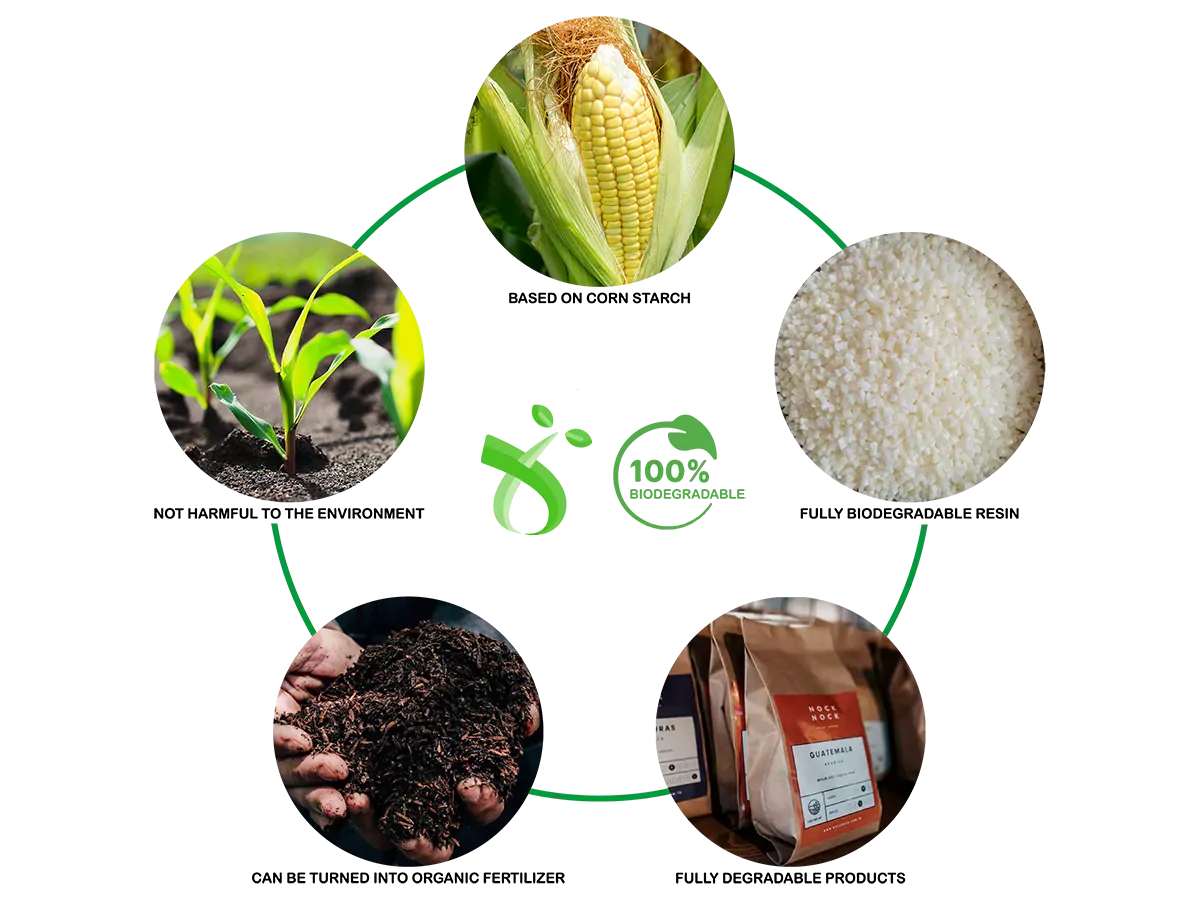
Biodegradable Bags by BN PACK
If you want bags that break down on their own, try BN PACK’s Biodegradable Bags. These bags use plants like corn and starch. They turn into water, CO2, and natural stuff. Nothing bad is left behind. The bags are strong and work for food, coffee, clothes, and pet food.
Feature | BN PACK’s Biodegradable Bags | Other Biodegradable Options |
|---|---|---|
Composition | Made from plant-based sources | Varies, often includes synthetic materials |
Decomposition Process | Breaks down into water, CO2, and organic matter | May leave harmful residues |
Strength and Durability | Engineered for high performance | Varies widely, often less reliable |
You can make these bags special for your brand. They are certified to break down and compost. When you pick BN PACK, you show customers you care about the earth and quality.
Plant-Based and Compostable Packaging
Plant-based and compostable packaging is getting more popular. These materials come from things like corn, sugarcane, and bamboo. They break down on their own, so they do not fill up landfills. Compostable packaging turns into healthy soil if treated right.
These materials help lower pollution.
Customers like green packaging, so they trust your business more.
Compostable bags use plant starch and do not make anything bad.
You can use plant-based packaging for food, takeout, and things you throw away after one use. Cornstarch packaging is great for single-use items. Bamboo and hemp are good for strong containers and trays. Some compostable packaging needs special places to break down.
Tip: Check if your town has composting before you pick compostable packaging.
Mushroom and Seaweed Packaging
Mushroom packaging is a cool new idea. It uses mycelium, which is the root part of mushrooms, to grow shapes. You can use mushroom packaging for electronics, breakable things, and makeup. It gives good padding and breaks down all the way.
Seaweed packaging is another neat choice. It comes from sea plants that grow fast and do not need land or fertilizer. Seaweed packaging breaks down in just weeks. It can even help clean the ocean by taking in CO2. You find seaweed packaging in edible wrappers, films, and small boxes.
Mushroom packaging gives strong, light protection.
Seaweed packaging is great for single-use things and is safe for nature.
Both types help the world use less plastic.
Did you know? Mushroom and seaweed packaging are growing fast in the green packaging market.
Reusable and Recyclable Packaging
Reusable packaging is a smart way to make less trash. You can use glass jars, strong boxes, or cloth bags again and again. This kind of packaging works for food, drinks, and shipping. If you set up a return system, customers can bring back packaging to use again.
Recyclable packaging, like paper and some plastics, keeps materials in use. Corrugated packaging made from recycled stuff is easy to recycle and strong for shipping. Kraft paper bags and boxes can be recycled and are popular in stores.
Packaging Type | Contribution to Waste Reduction |
|---|---|
Reusable packaging | Cuts down on single-use waste and saves money |
Recyclable packaging | Keeps materials out of landfills and in the loop |
You can keep track of how much packaging you reuse or recycle. Strong materials and easy return systems make reusable packaging good for your business and the earth.
Callout: Pick reusable packaging for things you sell a lot. It helps you keep customers and shows you care about green packaging.
You have lots of choices for green packaging. Recycled paper and cardboard, BN PACK’s Biodegradable Bags, plant-based and compostable options, mushroom packaging, seaweed packaging, and reusable packaging all help the planet. Each type works for different things, so you can find what fits your products and your customers.
Choosing Sustainable Packaging for Your Business
Product Needs and Packaging Types
You want your packaging to fit your products and your values. Start by thinking about what your products need. Some items need strong protection, like electronics or glass. Others, like snacks or coffee, need to stay fresh. You should look for packaging that keeps your products safe during shipping and storage. Moisture barriers and cushioning can help with this.
Next, think about how your customers will get rid of the packaging. Some towns have composting, while others focus on recycling. Choose packaging that matches what your customers can actually use. You can also pick packaging that shows off your brand. Custom designs and eco-friendly messages help you stand out.
Here’s a quick checklist to help you pick the right sustainable packaging:
Does it protect your product?
Can your customers recycle or compost it?
Does it match your brand’s look and values?
Is it made from renewable or recycled materials?
Can you test it with a small order first?
Cost, Supply Chain, and Certifications
You want your packaging to be affordable and easy to get. Sustainable packaging can save you money over time. Lighter materials cost less to ship and can lower your supply chain costs. Before you switch, check the price for different order sizes. Try a pilot program to see how it works for your business.
Certifications matter, too. Look for packaging with trusted eco-labels. These show your customers that you care about the planet. Certifications also help you follow rules and stand out in the market. Many shoppers will pay more for products with real eco-friendly labels.
Tip: Work with suppliers who know about sustainable packaging. They can help you find the best materials and handle shipping.
Customer Expectations and Brand Image
Your customers care about the planet. Many people want to buy from brands that use sustainable packaging. In fact, about half of shoppers will pay more for products with eco-friendly packaging. When you choose green materials, you show that you listen to your customers.
Sustainable packaging can boost your brand’s image. People trust companies that protect the environment. If you use packaging that is safe and green, you can build loyalty and attract new buyers. Brands in food and cosmetics use eco-friendly materials to keep customers coming back.
BN PACK makes it easy for you to find the right sustainable packaging. You can customize your packaging to fit your needs and show off your brand. With many options and expert help, you can meet your goals and make a positive impact.
Benefits of Eco Friendly Packaging
Environmental Impact and Waste Reduction
Using sustainable packaging helps the planet in many ways. Lighter materials mean trucks use less fuel. This lowers pollution from shipping. When you pick recycled or renewable materials, you save natural resources. Compostable and biodegradable packaging breaks down by itself. This means less trash goes to landfills.
Here’s how sustainable packaging helps:
You use fewer raw materials and save trees.
Carbon emissions go down, especially with recycled cardboard.
Biodegradable and compostable materials break down and keep the earth clean.
Using the right size packaging cuts waste and lowers shipping pollution.
BN PACK’s eco-friendly packaging follows strict world standards. The company uses certified materials for a cleaner, greener world.
Brand Reputation and Customer Loyalty
When you use sustainable packaging, you show you care about the earth. People notice when you pick eco-friendly materials. Many shoppers want to buy from brands that make green choices.
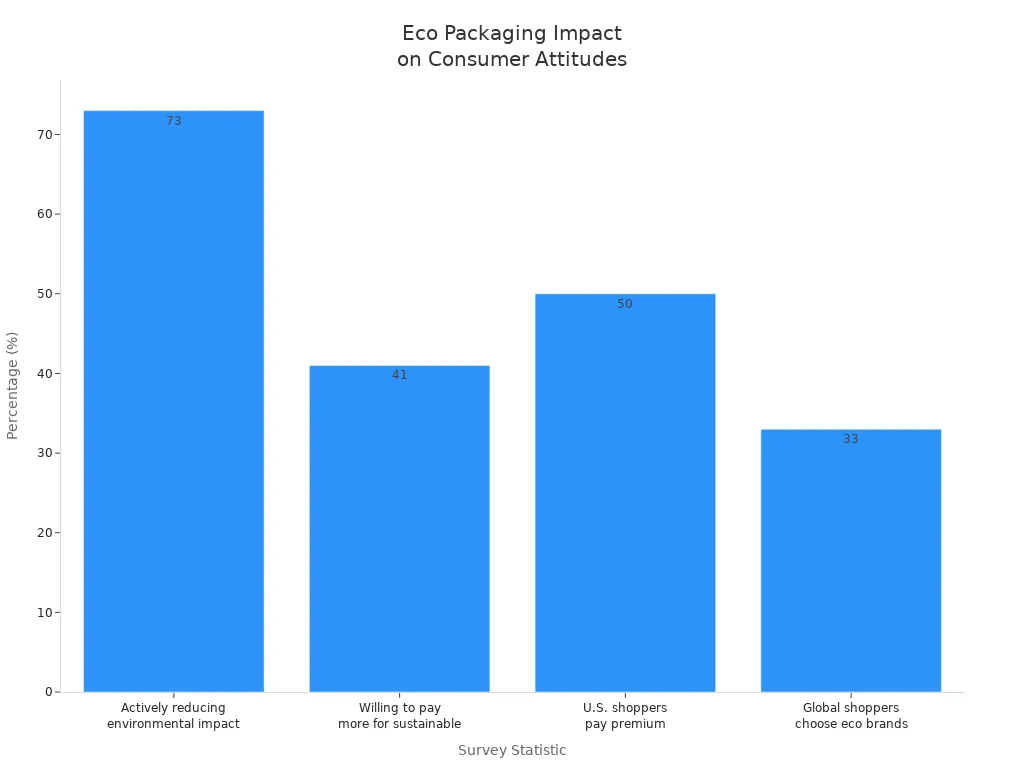
Look at these facts:
Statistic | Percentage |
|---|---|
Consumers actively looking to reduce environmental impact | 73% |
Consumers willing to pay more for sustainable packaging | 41% |
U.S. shoppers willing to pay a premium for sustainable packaging | 50% |
Global shoppers choosing products from environmentally responsible companies | 33% |
Eco-friendly packaging builds trust and keeps customers coming back. You can make your brand stronger and stand out in a busy market. BN PACK’s certifications and work with top brands show that green choices lead to success.
Compliance and Market Advantage
You want your business to follow the rules and stay ahead. Many countries have laws about packaging and waste. These rules make companies use recyclable, compostable, or renewable materials. Governments give tax breaks and grants for using sustainable packaging.
Here’s what matters:
Regulatory Aspect | Description |
|---|---|
Sustainable Packaging Regulations | Focus on saving resources and recycling. |
Extended Producer Responsibility (EPR) | Makes companies use responsible packaging. |
Consumer Demand | More people want compostable and biodegradable options. |
Use of Renewable Materials | Rewards for using low-carbon, plant-based materials. |
When you use eco-friendly packaging, you follow the rules and get ahead in the market. You attract customers who care about the planet and show your business is ready for the future. BN PACK’s ISO9001 and BRC certifications prove you can trust their packaging to meet world standards.
Tip: Picking sustainable packaging is good for the earth and your business. You can save money, build loyalty, and stay ahead of new rules.
Steps to Transition to Sustainable Packaging
Switching to sustainable packaging can feel like a big project, but you can break it down into simple steps. Here’s how you can make the change smoothly and see real results for your business and the planet.
Assess Current Packaging
Start by looking at what you use now. Make a list of all your packaging. Check what materials you use, how much gets recycled, and what ends up as waste. Think about rules in your area and what your customers expect. You can set goals, like using less plastic or adding more recycled content. Try a life cycle analysis to see the impact from start to finish. This helps you spot where you can improve and build a strong sustainable packaging strategy.
Review your packaging and materials.
Set clear goals for reducing waste and using better options.
Compare your packaging to what others in your industry use.
Research Suppliers and Materials
Next, look for suppliers who offer sustainable packaging. Make sure the packaging protects your products and matches your brand. Check if your customers can recycle or compost it where they live. Ask about costs and if you can customize the look. BN PACK gives you lots of choices, from biodegradable bags to compostable and recyclable options. You get expert help and flexible solutions that fit your needs.
Check product protection and end-of-life options.
Look for branding and customization.
Compare costs and order sizes.
Pilot Programs and Staff Training
Before you switch everything, try a pilot program. Pick one product or location to test new packaging. Train your team on how to use it and talk to customers about the change. Watch how the packaging works in real life. Get feedback from staff and customers. Make changes if needed. BN PACK supports you with training, setup, and testing, so you feel confident every step of the way.
Test in real situations.
Train staff on new materials.
Monitor results and adjust as needed.
Educate Customers and Measure Impact
Let your customers know about your new sustainable packaging. Add clear instructions for recycling or composting. Share your commitment to the environment on your website and packaging. Offer rewards for returning or reusing packaging. Track how much waste you reduce and ask for customer feedback. You’ll see more loyalty and a stronger brand.
Tip: 68% of shoppers care about sustainability when they buy. Show them you’re making a difference!
If you want a partner who understands sustainable packaging, BN PACK is ready to help you every step of the way.
You can help the planet by picking eco friendly packaging for your business. Many companies have had great results. For example, a drink company started using biodegradable bags and used less plastic. A cosmetics company chose sustainable materials and became more popular. Walmart changed its packaging and saved money all over the world. When you make green choices, you show others how to help the earth. Are you ready to make your brand better? BN PACK can help you get started.