
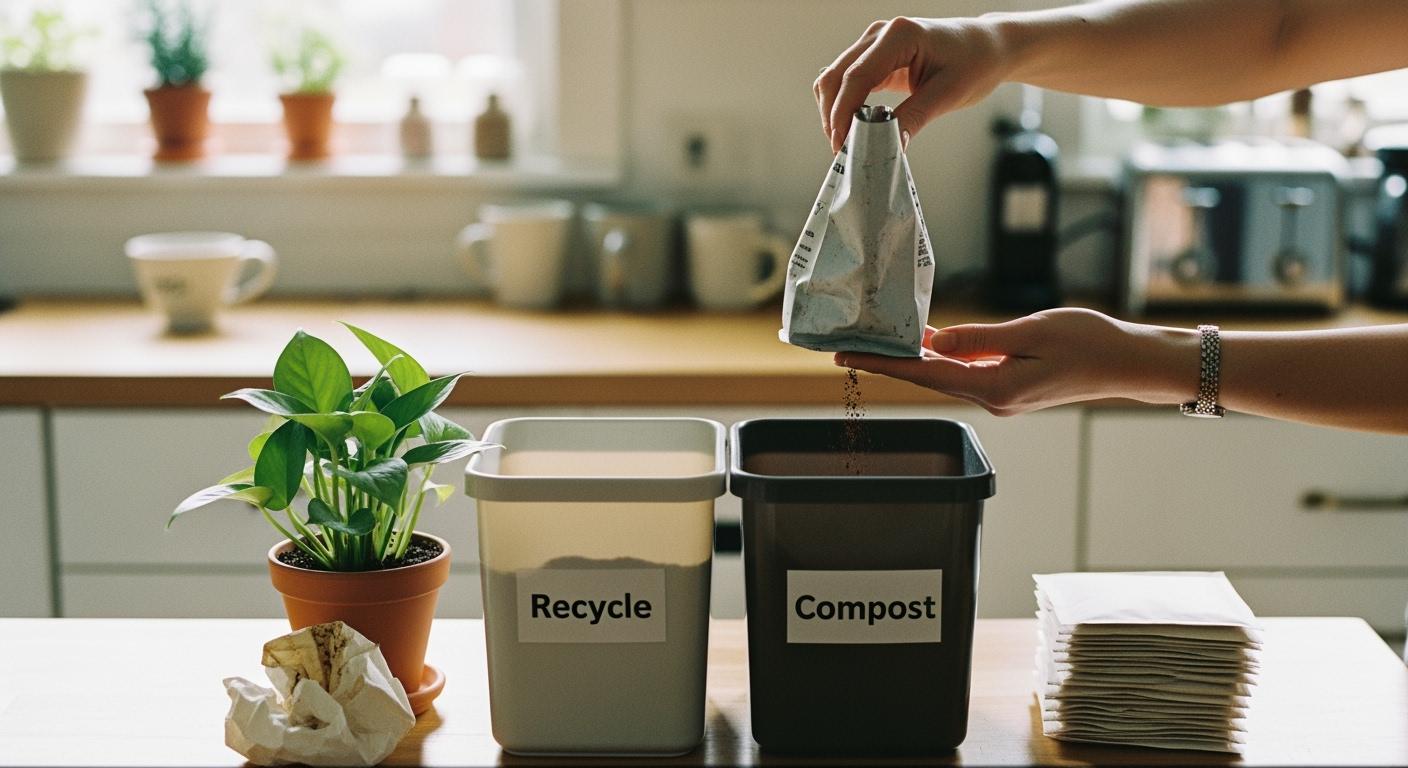
You finish your coffee and stand in the kitchen. You hold an empty coffee bag. Should you throw it in the trash or recycling bin? Many people feel confused at this moment. Coffee bag disposal can be hard. These bags have layers of plastic, foil, and paper. This mix makes it tough to know what to do for the planet. Here are some common problems:
Issue | Description |
|---|---|
Multi-layered Composition | Coffee bags have plastics, metals, and paper. This makes disposal harder. |
Recycling Challenges | Mixed materials can cause contamination. Many bags end up in landfills. |
Composting Limitations | Most composting places cannot handle some coffee bag materials. |
Knowing your bag type and local rules helps a lot. Stay here for easy steps and tips to make eco-friendly choices.
Coffee Bag Disposal Challenges
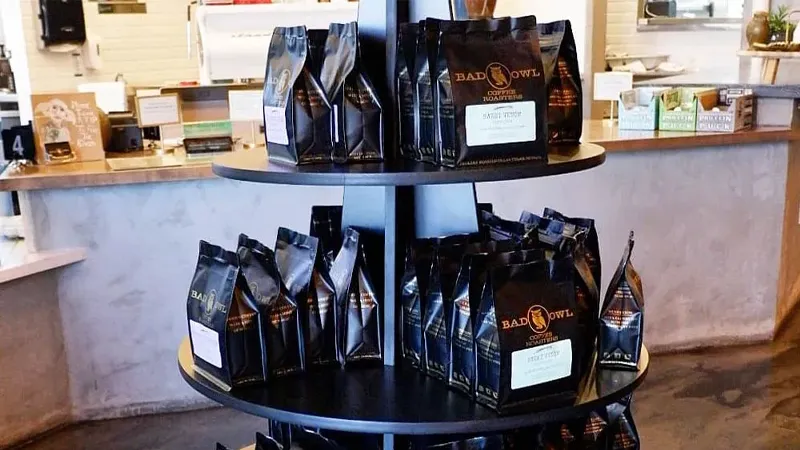
Multilayer and Mixed Materials
Coffee bags are strong and look nice. They have many layers to protect coffee beans. Here is what you find in most coffee bags:
Kraft paper is on the outside. It looks natural and lets brands add cool designs.
Aluminum foil is in the middle. It keeps out light and air. This helps coffee stay fresh.
Food-grade plastic is inside. It seals the bag and stops moisture.
Some bags use BOPP film for shine. AlOx PET gives a clear barrier. LDPE helps seal the bag. PLA film is biodegradable and good for the planet. These layers are stuck together tightly. You cannot pull them apart. This makes throwing away coffee bags hard.
Mixed materials make recycling hard. Most recycling centers cannot separate paper, foil, and plastic. If you put a coffee bag in the recycling bin, it can mess up other recyclables. It might jam sorting machines.
Why Most Bags Aren’t Curbside Recyclable
You may ask why coffee bags do not go in the curbside bin. The answer is the layers. Look at this table:
Material Layer | Description |
|---|---|
Exterior Paper Layer | Gives structure and branding |
Center Aluminum Foil | Blocks light and air, keeps coffee fresh |
Inner Plastic Layer | Seals the bag, protects from moisture |
Degassing Valve | Lets CO2 out, keeps oxygen away |
Most recycling programs skip bags with foil or plastic inside. Special recycling is not common. Bags often end up in landfills.
The Role of Degassing Valves and Tin Ties
Degassing valves and tin ties keep coffee fresh. Valves let gas out but block air. Tin ties seal the bag after you open it. These parts can be confusing when you throw away coffee bags. Some valves can be recycled or composted. Many do not have clear instructions. Tin ties might be recycled or composted, depending on what they are made of. BN PACK uses eco-friendly options when possible. This helps you make greener choices and keeps your coffee tasting good.
Identifying Your Coffee Bag Type
You may not know what your coffee bag is made of. It can be tricky, but you can find clues if you look closely. Let’s make it simple so you can help the planet.
Reading Labels and Certifications
First, check the bag for labels or stamps. Many brands put certifications right on the bag. These marks tell you if the bag is compostable, recyclable, or from sustainable sources. Here’s a quick guide to common certifications:
Certification | Type | Description |
|---|---|---|
TUV | Compostable | Home and industrial compostable certifications with specific breakdown criteria. |
ABA | Compostable | Focuses on safe decomposition and environmental impact. |
BPI | Compostable | U.S. certification for industrial compostability, ensuring no toxic residues. |
GRS | Recycled Content | Certifies products made with a specified percentage of recycled materials. |
FSC | Paper | Ensures sustainable sourcing of wood and paper products. |
If you see these marks, you are making a good choice. BN PACK’s coffee bags often have these certifications. This makes picking the right bag easier.
Recognizing Compostable Coffee Bags
You can spot compostable coffee bags by checking for certain words and materials. Look for “compostable” or “biodegradable” on the bag. See if the bag uses plant-based plastics or plain paper. Brands like BN PACK often show compostable bags on their packaging.
Compostable coffee bags break down safely if conditions are right. Choosing these bags helps the earth.
Spotting Recyclable and Biodegradable Packaging
You can use visual clues to find eco-friendly bags. Bags that say “compostable,” “biodegradable,” or “100 percent recyclable” are easy to spot. You might see paper textures or natural colors. These signs show the brand cares about the planet. Recycled symbols also help you trust the product.
BN PACK has many biodegradable and compostable coffee bags. Their biodegradable bags use plant-based materials and meet strict rules. Picking these bags helps keep the planet clean.
Tip: If you are unsure, check the brand’s website or ask your local recycling center for help.
How to Recycle Coffee Bags

Throwing away coffee bags can be confusing. You can help the planet by following simple steps. Let’s learn how to recycle coffee bags, find recycling programs, and deal with bags that cannot go in the bin.
Preparing Bags for Recycling
You want to recycle coffee bags the right way. Here is an easy guide to help you:
Empty the Bag: Make sure the bag has no coffee left. Shake out all the grounds. If you have ground coffee, compost it or use it in your garden.
Clean and Dry: Wipe the bag so it is clean. Make sure it is dry. Clean bags help recycling centers work better.
Remove Extras: Take off degassing valves, tin ties, and zippers if you can. These parts are made from different materials.
Check the Label: Look for recycling signs or instructions. Some bags, like BN PACK, use recyclable materials and show it on the package.
Separate Materials: If you can pull apart the layers, do it. This helps recycling centers sort the materials.
Check Local Guidelines: Every city has its own rules. Some places take certain bags, others do not.
Tip: Always ask your local recycling program before you recycle coffee bags. This helps you avoid mistakes and keeps recycling clean.
Local Recycling Options and Drop-Offs
Not all curbside bins take coffee bags. You still have choices. Many recycling programs and drop-off spots help you recycle coffee bags and coffee pods. Here are some popular programs and what they need:
Program Name | Requirements |
|---|---|
Dunkin’ | Make a TerraCycle account, sign up online, fill a box with Dunkin’ bags, and ship with a free UPS label. |
Don Francisco’s | Join TerraCycle’s program for Don Francisco’s coffee bags and pods. |
TerraCycle Zero Waste | Buy a Zero Waste Box for coffee-related recyclables, including coffee bags. |
You can also find drop-off spots at coffee shops and roasters. Here are some places in California where you can recycle coffee bags:
ASIP Coffee Roaster Co. (Merced)
DRINK COFFEE DO STUFF (Truckee and South Lake Tahoe)
Linea Coffee Roasting + Caffe (San Francisco)
Ragamuffin Coffee Roasters (Newbury Park and Oxnard)
Retrograde Coffee Roasters (Sebastopol)
Captain + Stoker Coffee Roasteries (Monterey and Pacific Grove)
Note: Some programs let you recycle coffee pods with bags. Always check what is allowed before you drop off your items.
BN PACK makes recyclable coffee bags that work with many recycling programs. Their bags use mono-layer recyclable films. This makes recycling coffee bags easier and supports eco-friendly habits.
What to Do with Non-Recyclable Bags
Sometimes, you find a bag that cannot be recycled. Multi-layer packaging and some plastic films make coffee bag disposal harder. Coffee grounds left inside can also cause trouble for recycling centers.
If you cannot recycle coffee bags, look for compostable or biodegradable bags. Here is a table showing some eco-friendly choices and their benefits:
Compostable Material | Benefits |
|---|---|
Plant-based plastics | Breaks down into healthy soil without bad leftovers. |
Unbleached Kraft Paper | Cuts waste and lowers carbon footprint while staying strong. |
Cellulose-Based Films | Made from plant fibers, giving a green option. |
Polylactic Acid (PLA) | Keeps out moisture and air while being compostable. |
You can also try these ideas:
Pick coffee bags labeled compostable or biodegradable for easier coffee bag disposal.
Support brands like BN PACK that use green packaging.
Reuse old bags for crafts or storage at home.
Callout: Multi-layer bags and non-recyclable plastics often go to landfills. By picking compostable or recyclable bags, you help cut waste and protect the planet.
If you want to recycle coffee bags or coffee pods, always check with your local recycling programs. You might find new choices in your area. When you recycle coffee, you help make the world cleaner for everyone.
Composting Coffee Bags at Home and Commercially
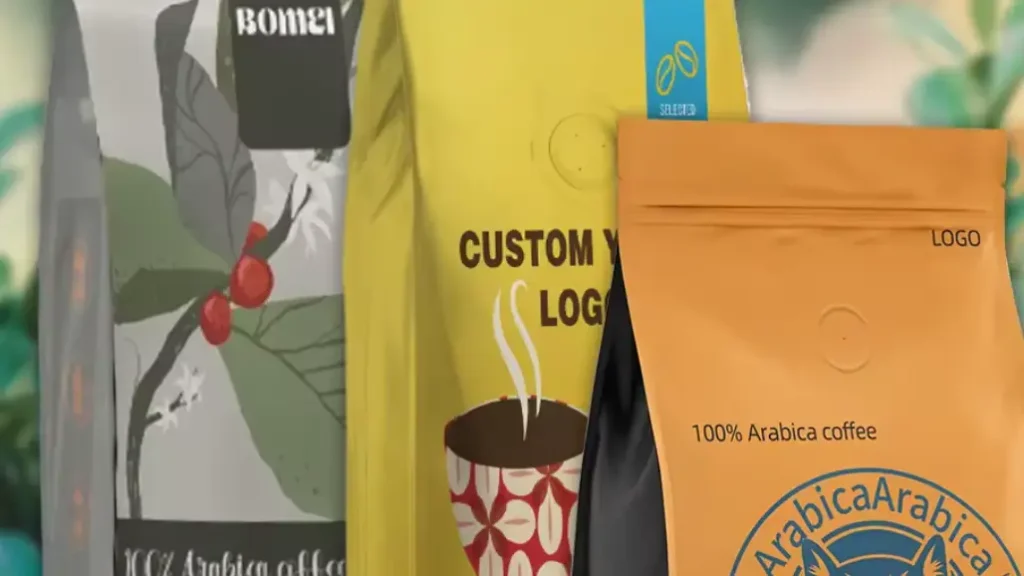
You want to use coffee bags in a good way. Composting helps you handle sustainable coffee waste and make healthy soil. Let’s learn the basics so you can choose what is best for your compost pile at home or at a commercial site.
Compostable Coffee Bags vs. Biodegradable Bags
You see “compostable” and “biodegradable” on coffee bags. They look alike, but they are not the same. Compostable packaging breaks down quickly and leaves safe soil. Biodegradable bags take longer and may leave microplastics or toxins.
Here’s a simple comparison:
Feature | Compostable Bags | Biodegradable Bags |
|---|---|---|
Breakdown Time | 90-180 days (industrial composting) | Months to years (no set time) |
End Product | Safe, nutrient-rich soil | May leave toxins or microplastics |
Environmental Impact | Positive, enriches soil | Unpredictable, sometimes harmful |
Compostable packaging is best for composting. You get clean soil and help the planet. Biodegradable bags may not break down well in home compost. They could leave things you do not want.
BN PACK has compostable packaging with certifications like BPI and TÜV Austria. These compostable products break down safely and help manage sustainable coffee waste. You can trust BN PACK’s compostable packaging to help your compost and protect nature.
Tip: Always check for compostable certifications on coffee bags. Look for BPI, TÜV Austria, or ABA marks. These labels mean the bag will break down safely in composting systems.
Home Composting Steps
You want to compost coffee bags at home. Follow these steps to help compostable packaging break down right:
Check Certification
Find compostable labels like BPI or TÜV Austria. Only certified compostable products go in your home compost pile.Prepare the Bag for Composting
Remove parts that are not compostable, like plastic zippers or degassing valves. Cut the bag into small pieces. This helps compostable packaging break down faster.Add to Your Compost Bin
Mix the cut bag with green waste (like old coffee grounds, fruit peels, and grass) and brown waste (like leaves, cardboard, and paper). This balance keeps your compost healthy.Monitor Decomposition
Keep your compost moist but not wet. Turn it often to add air. Compostable packaging breaks down in three to six months.
Here’s a table showing which materials work for home composting:
Material | Compostable at Home | Notes |
|---|---|---|
PLA | No | Needs industrial composting; won’t break down in home compost. |
Yes | Lightweight and perfect for home compost; found in artisanal bags. |
BN PACK’s compostable packaging uses rice paper and plant-based films. These compostable products fit well in your home compost routine. You can add old coffee grounds and compostable coffee cups for more sustainable coffee waste.
Composting tips: Cut compostable packaging and mix it with organic waste. This makes breakdown faster and keeps your compost pile healthy.
Commercial Composting Requirements
Some compostable packaging needs special conditions to break down. Commercial composting centers use high heat, moisture, and air flow. These places handle materials like PLA and thick plant-based films.
If your coffee bag says “industrial compostable,” do not put it in your home compost. Take it to a commercial composting facility. These centers accept certified compostable products and turn them into good compost.
You can find commercial composting programs in many cities. Check your local waste website for drop-off spots. BN PACK’s compostable packaging meets commercial composting standards, so you know it will break down safely.
Note: Always read the label. If your coffee bag uses PLA or other industrial-only materials, use commercial composting. This keeps your home compost pile clean and avoids unwanted residues.
Common Composting Mistakes
You want your compost pile to work well. Avoid these mistakes when composting coffee bags and grounds:
Not Balancing Greens and Browns
Too many coffee grounds or compostable coffee cups without enough leaves or paper can ruin your compost. Keep a good mix.Ignoring Moisture Levels
Dry compost will not break down. Wet compost smells bad. Check moisture often.Lack of Aeration
Compost needs air. Turn your pile every week. This helps compostable packaging and organic waste break down.Adding Inappropriate Materials
Do not add plastic, metal, or things that are not compostable. These cause pests and odors.Impatience with the Process
Composting takes time. Do not use unfinished compost. Wait until everything breaks down into dark, crumbly soil.
Callout: Composting coffee bags and old coffee grounds helps you create sustainable coffee waste. You turn trash into treasure and support a cleaner planet.
BN PACK’s compostable packaging makes composting easy. You get certified compostable products that break down fast and leave healthy soil. Add old coffee grounds, compostable coffee cups, and organic waste to your home compost pile. You help the earth and cut waste every day.
Sustainable Coffee Packaging Solutions
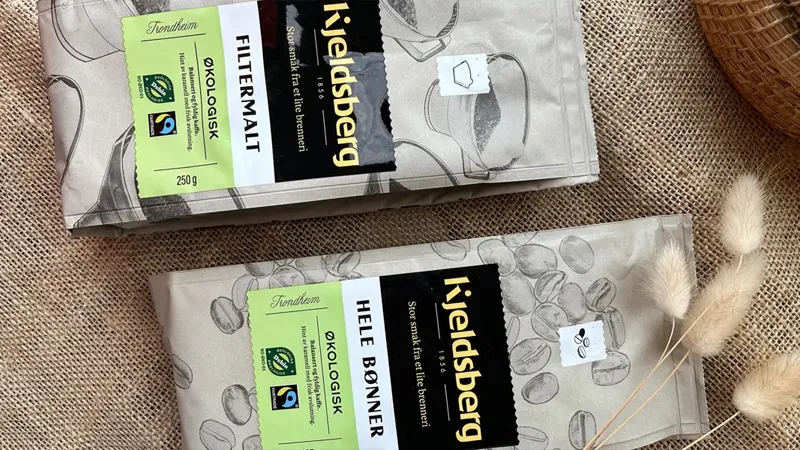
Choosing Compostable Packaging
You want to help the planet with your coffee. Compostable packaging is a simple way to do this. It uses natural materials that break down easily. You do not leave any waste behind. You stop plastic waste from hurting animals and filling landfills. Compostable packaging keeps coffee beans fresh and tasty. You support farms that use safe methods. You avoid bad chemicals found in regular plastic. When you pick compostable packaging, you help coffee makers use better ways.
Compostable packaging turns into soil, not garbage.
You keep animals safe and oceans clean.
Coffee stays tasty and fresh.
You help farms that care about nature.
You skip harmful chemicals.
Upcycling and Reusing Coffee Bags
You can use old coffee bags in fun ways. Upcycling means turning trash into useful things. Try these ideas at home:
Make planters for your house plants.
Sew a tote bag for shopping or gym clothes.
Cut coffee bags to make coasters for your table.
Use coffee bags as wrapping paper for gifts.
Create wall art with bright coffee bag designs.
Tip: Upcycling coffee bags saves money and keeps trash out of landfills. You turn waste into something cool.
Brands Leading in Sustainability (Including BN PACK)
Many brands use eco-friendly coffee packaging. They pick compostable packaging and recycling to help the planet. Here are some brands doing great things:
Brand | Innovation Description |
|---|---|
Mother Parkers Tea & Coffee | Boardio® fiber-based recyclable packaging cuts plastic and helps shipping. |
Savor Brands | COMPOST+ industrial compostable packaging supports green habits. |
BN PACK | Recyclable films, bio plastics, compostable materials, and valves for fresh coffee. |
BN PACK is known for recyclable and biodegradable choices. You get packaging that helps the earth and lowers your impact.
How Consumers Can Support Eco-Friendly Packaging
You can make a difference as a coffee fan. Your choices help change the coffee world. Here’s how you can help:
Pick compostable packaging to support green habits.
Join recycling programs in your area.
Learn about eco-friendly habits and share them.
When people ask for compostable packaging, coffee roasters listen. You help cut waste and support a cycle where things get reused. Brands like Pact Coffee and Colonna use compostable film and paper bags that break down well. Your actions help make good changes.
You can make a big impact by disposing of coffee bags responsibly. Start by checking your bag’s material and reading local recycling rules. Choose compostable or recyclable bags whenever you can. Support brands like BN PACK that offer eco-friendly packaging.
Compost coffee grounds to enrich your garden.
Buy coffee in bulk to cut down on packaging waste.
Look for recycling instructions on brand websites.
Pick bags made from plant-based materials to lower your carbon footprint.
Don’t forget to check your local recycling programs. Try upcycling old coffee bags or composting them at home. Every small step helps the planet.