When you see a recycle bag logo on packaging, you notice more than just a picture. This logo shows that you care about the environment and making good choices. Correct recycling logos help your brand follow the law in important places:
Region | Legal Requirements | Symbols Used |
|---|---|---|
EU | You must use labels for deposit systems, reusable packaging, and EPR rules. | Green Dot, Triman logo, Universal Recycling Symbol |
US | Hard plastic containers need a resin identification code. | Recycling triangle with numbers and letters |
Using the right recycle bag logo helps people trust your brand. People will pay more for things with green packaging. You also help manage plastic waste and protect nature by being clear and honest about recycling. This way, your brand stays safe from legal trouble and helps real recycling happen.
What Is a Recycle Bag Logo?

Definition & Purpose
A recycle bag logo is a small picture on bags. This logo shows if the bag can be recycled. It also tells if the bag uses materials that help the earth. When you look at packaging, these symbols give you helpful facts. They help you decide what to do with the bag after using it.
Recycling symbols act like guides for you.
They show you how to handle waste the right way.
They make sure companies obey the rules.
They tell you if the bag is recyclable, compostable, or biodegradable.
When you see these symbols, you know your actions matter. You learn how packaging affects the planet.
Where Logos Appear on Packaging
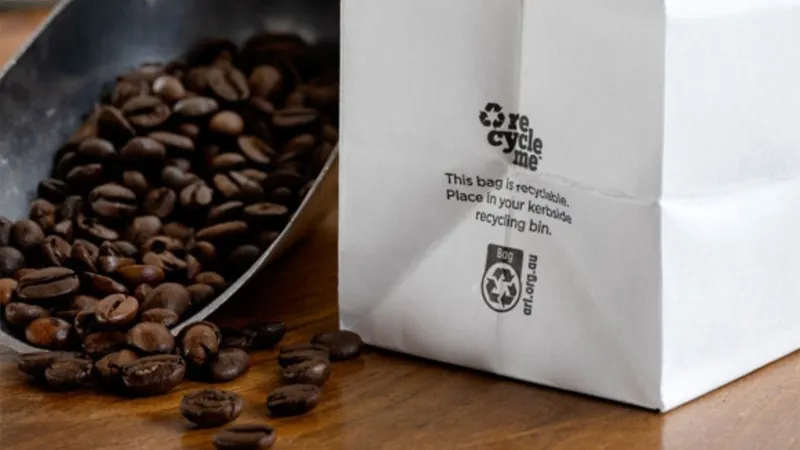
You can find recycling symbols in easy-to-see spots. Most bags have these symbols on the back or bottom. Sometimes, they are near product details or next to disposal instructions. Companies put these symbols where you can notice them fast.
Where the logo is placed is important. If you see a recycling symbol quickly, you are more likely to recycle the bag. Studies show people recycle more when they spot green images or recycling symbols. This simple step cuts down on waste and helps protect the environment.
Why Accurate Logos Matter
Using the correct recycling symbols is very important for everyone. If a company uses the wrong logo, it can confuse you. You might think a bag is recyclable when it is not. This mistake can cause more waste and hurt nature.
“Many people want to help the earth during pollution problems, and circular products seem good to them. But recycling claims on packaging can trick people into thinking a plastic-wrapped product is a green choice.”
“Consumer protection law says businesses must be clear if a product harms the environment. This lets authorities challenge these claims legally.”
“The city says these labels trick people into thinking buying plastic bags does not make waste, as long as they try to recycle them.”
When you see correct recycling symbols, you can trust the info. This trust helps you recycle the right way. It also helps brands stay out of legal trouble. In places like California, new laws make sure only real recyclable items have the recycling symbol. This change builds trust and can boost real recycling.
Recycling symbols are now a big part of our lives. Most people think recycling is a good way to help the earth. When you see these symbols, you feel sure you are making a difference.
Universal Recycling Symbol & Other Key Logos
Mobius Loop Meaning
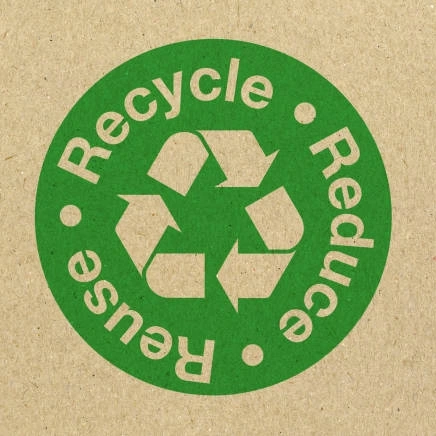
You see the universal recycling symbol almost everywhere. It looks like three arrows in a triangle. Gary Anderson made it in 1970 for Earth Day. The symbol means reduce, reuse, and recycle. People around the world know this logo. You find it on glass, metal, and plastic packages. The symbol shows how waste can be reused. Some companies put it on things that cannot be recycled. This makes people confused. Many think everything with this logo can be recycled. But only a small amount of plastic waste gets recycled. The symbol was first used for paper recycling. Now, you see it on many materials.
Resin Identification Codes
Plastic recycling symbols help you know what kind of plastic you have. Resin identification codes are numbers inside the recycling symbol. These codes tell you the type of plastic. You see numbers from 1 to 7. Each number stands for a different plastic. For example, 1 means PET. 2 means HDPE. You find these codes on bottles and containers. Thirty-nine states require these codes. They help you and waste workers sort plastics the right way. When you know the code, you can recycle or throw away the item correctly. The codes make sorting easier. They help improve recycling rates.
Paper, Compostable, and Biodegradable Logos
You see green packaging symbols on paper, compostable, and biodegradable products. These logos show the packaging breaks down safely. Standards guide these claims. Look at the table below to see common standards:
Standard | Description |
|---|---|
EN 13432 | Oversees commercial compostability and biodegradability claims in the EU |
ASTM D6400 | Covers plastics for aerobic composting in industrial or municipal facilities |
ASTM D6868 | Pertains to products with biodegradable plastic coating or film |
When you pick biodegradable bags from BN PACK, you get packaging that meets international standards like BPI. These bags break down in months in composting places. They help cut down landfill waste. They support a healthier ecosystem. You can use biodegradable products for food, coffee, clothes, and pet food. These bags show the right logo. You know they are safe for the environment. BN PACK’s biodegradable bags give you peace of mind. They help your business make greener choices.
Packaging Structure & Recycling Claims
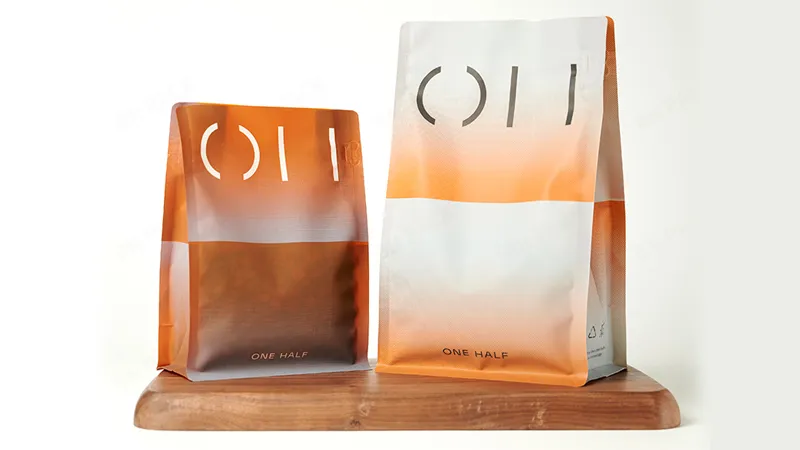
Mono-Material vs. Laminated Bags
It is important to know how packaging affects recycling. Mono-material bags use just one material. Laminated bags have layers of different materials. This makes recycling each bag different.
Mono-material bags are easy to recycle. You can put them in bins without sorting.
Laminated bags are tough to recycle. The layers are hard to separate.
Mono-material laminates go into recycling streams easily. They help make good recycled materials.
BN PACK makes mono-material and recyclable packaging. These bags help the earth and cut down on waste.
Local Recycling Limitations
Recycling works differently in each place. Some areas have good recycling systems. Other places do not have the right tools or centers.
Some bags are hard to recycle because of their materials.
Food left in bags can stop recycling.
Rural places may not have recycling centers.
Some machines cannot recycle all plastics.
Local rules can make recycling confusing. Sometimes, logos do not match what you can recycle nearby. You need clear facts to avoid mistakes. Learning and better laws help you know what you can recycle.
Certification & Compliance
You must follow rules to use recycling logos. Certifications show if your packaging is recyclable or compostable.
Certification | Description |
|---|---|
FSC | Materials come from safe forests or recycled sources |
GRS | Shows recycled content in products |
BPI | Indicates compostability |
TÜV Austria | Verifies environmental claims |
ABA | Certifies recycled materials |
BN PACK follows global standards. You get bags with EN 13432, ASTM D6400, ISO, and FSC certifications. These certificates prove your bags are recyclable, compostable, or biodegradable. You can trust BN PACK to help you follow the rules and support real recycling.
Common Logo Mistakes in Recycling
Misleading or Incorrect Symbols
Brands sometimes use recycling logos the wrong way. Many companies put symbols that do not match their packaging. This makes you confused and recycling becomes harder. A study showed 67.75% of manufacturers give wrong recycling instructions. Another report said 98% of recycling labels are false or used for greenwashing. If a logo does not fit the material, you might throw it in the wrong bin. Clear recycling labels help you trust brands and recycle right.
Mistake | Impact on Consumers |
|---|---|
Too much plastic in packaging | Makes you question eco claims |
Misleading recyclability claims | Causes confusion |
Incorrect labeling | Leads to wrong disposal |
Lack of clarity | Makes recycling harder |
Overstating Recyclability
Some brands say their packaging is more recyclable than it really is. You may see a logo that says “recyclable,” but most places cannot recycle the bag. For example, a yogurt container may have a recycling code, but few centers take it. Sometimes, a package says it is recyclable, but it can only be burned. These false claims can cause legal problems. Complaints say recycling bags can break machines and make work unsafe. Lawsuits have made brands change their packaging claims.
Example | Description |
|---|---|
1 | Product says ‘recyclable’ but does not show what part is recyclable |
2 | Yogurt container has a recycling code but few places recycle it |
3 | Container can only be burned but is called recyclable |
4 | Paperboard package says it is recyclable where facilities exist, but this is not true everywhere |
Placement & Clarity
Recycling logos need to be clear and easy to find. Most people look at product labels for recycling info. Still, 63% feel confused after reading them. If you cannot find the logo or instructions, you may not recycle the bag. Countries like Germany have clear recycling instructions and recycle more packaging waste. You should look for written instructions and simple steps. Clear language and good placement help you recycle right. When you see a logo in a visible spot, you feel sure about your choices.
Tip: Always check for clear recycling instructions before buying. Simple steps and visible logos help everyone recycle better.
Practical Guidance for Brands

When to Use a Recycle Bag Logo
You should only use a recycle bag logo if your packaging meets strict rules. The logo must not be on bags unless they are really recyclable. You need to check if your packaging fits the right design or follows important advice. Sometimes, you have to do lab tests or get expert reviews. Responsible innovation means you need trials and proof that there are no problems. The table below shows when you can use the logo:
Path | Criteria |
|---|---|
Preferred Design | Must be on the List of Preferred Design Recognition Categories, requires technical review and may need lab testing. |
Critical Guidance | Must be compatible with specific materials, requires third-party lab testing and technical review. |
Responsible Innovation | Requires trials and testimonials confirming no issues, along with technical review. |
By 2030, all packaging must be recyclable in a way that makes sense for money. You cannot put a recycling symbol if your bag is not actually recycled. Packaging makers must use recyclable materials to meet national goals.
Verifying Materials & Claims
You need to check your materials and claims before using any recycling logo. Follow these steps to make sure your packaging is really recyclable and good for the earth:
Make an account on the How2Recycle Member Platform.
Sign the membership agreement.
Pay the setup fee and yearly dues.
Send in detailed packaging info for each SKU, including material types and parts.
Wait for How2Recycle to check your submission and send you the approved label artwork.
You must check every material and claim. This process helps you avoid mistakes and makes sure your packaging is both recyclable and good for the planet.
Working with BN PACK for Compliance
BN PACK helps you with packaging that follows the rules. You can pick from many green options, like recyclable pouches, reusable zip pouches, rice husk packaging, plant-based plastics, and paper-based flexible bags. The table below shows how BN PACK helps you reach your recycling and green goals:
Packaging Type | Benefits |
|---|---|
Recyclable pouches | Made from post-consumer recycled plastic, reducing virgin plastic usage and promoting recycling. |
Can be consumed or composted, reducing waste for food brands. | |
Reusable zip pouches | Extends the life cycle of packaging, reducing single-use waste and offering cost savings. |
Rice husk packaging | Fully biodegradable and compostable, using agricultural byproducts to reduce waste. |
Plant-based plastics | Reduces reliance on fossil fuels and lowers carbon footprints. |
Paper-based flexible | Fully recyclable and biodegradable, made from renewable sources. |
Water-soluble packaging | Dissolves in water, leaving no waste behind. |
Sustainable lamination | Uses water-based coatings, reducing harmful emissions. |
Upcycled fabric packaging | Diverts waste from landfills by repurposing fabric scraps. |
Bamboo packaging | Biodegradable alternative to plastic, made from fast-growing bamboo fibers. |
Plant-based inks | Eco-friendly alternative to petroleum-based inks. |
BN PACK makes sure all materials meet strict world standards for food safety, biodegradability, and compostability. Compostable packaging keeps organic waste out of landfills, which lowers greenhouse gas emissions. You can trust BN PACK to help you make packaging that is recyclable, green, and follows the rules.
Tip: Always check your packaging and claims before using a recycle bag logo. Work with trusted partners like BN PACK to make sure your packaging is really green and recyclable.
Recycle bag logos help people trust your brand. They show you care about the earth. Using the right labels keeps your brand safe. It helps you follow new rules. You can get partners and investors who want to protect nature. Many buyers pay extra for products with green labels. You should ask experts like BN PACK for help. They make sure your packaging meets important standards. Clear instructions and honest words make recycling simple. When you use easy-to-see logos, you help the planet. You also connect better with your customers.