

Coffee is a highly sensitive product. From the moment coffee beans are roasted, they begin to release carbon dioxide and slowly lose aroma when exposed to oxygen, moisture, light, and heat. This makes packaging a critical factor in preserving freshness, flavor, and shelf life.
In recent years, flexible coffee packaging has become the dominant choice for coffee brands, roasters, and retailers worldwide. Compared with traditional rigid packaging such as tins or glass jars, flexible packaging offers better barrier protection, lower transportation costs, and greater design flexibility.
This article explains what flexible coffee packaging is, how it works, what materials and formats are used, and why it has become essential in today’s coffee industry.
What is Flexible Coffee Packaging
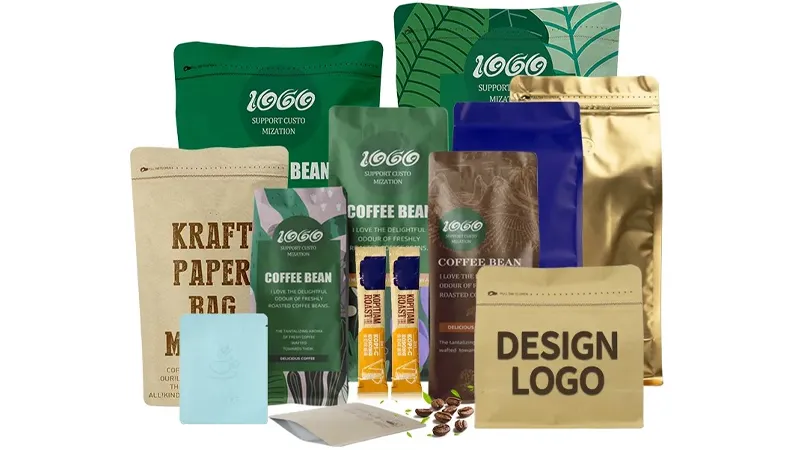
Flexible coffee packaging refers to packaging made from non-rigid, bendable materials designed to protect coffee while offering convenience and efficiency. Unlike rigid containers, flexible packaging can change shape, fold, and compress without losing its protective function.
Most flexible coffee packaging is made from laminated films that combine multiple layers, each serving a specific purpose. These layers work together to block oxygen, moisture, and light—three major factors that degrade coffee quality. Flexible packaging is commonly used for whole bean coffee, ground coffee, and single-serve portions.
Typical examples include stand-up pouches, flat bottom bags, side gusset bags, sachets, and rollstock film. These formats can be customized with features such as resealable zippers, tear notches, and one-way degassing valves, making flexible coffee packaging both functional and consumer-friendly.
The Evolution of Coffee Packaging
Historically, coffee was packaged in simple materials such as jute sacks or paper bags, mainly for bulk transportation rather than long-term freshness. As coffee consumption shifted toward retail and specialty markets, packaging needed to do more than hold the product—it had to protect flavor and communicate brand identity.
Metal tins and glass jars were once popular for retail coffee packaging, but they proved heavy, costly, and less efficient for large-scale logistics. Over time, advances in flexible materials and lamination technology enabled lightweight packaging with superior barrier performance.
Today, flexible coffee packaging dominates both mass-market and specialty coffee segments. It supports longer shelf life, modern branding, and global distribution while meeting the practical needs of roasters, distributors, and consumers.
Common Types of Flexible Coffee Packaging
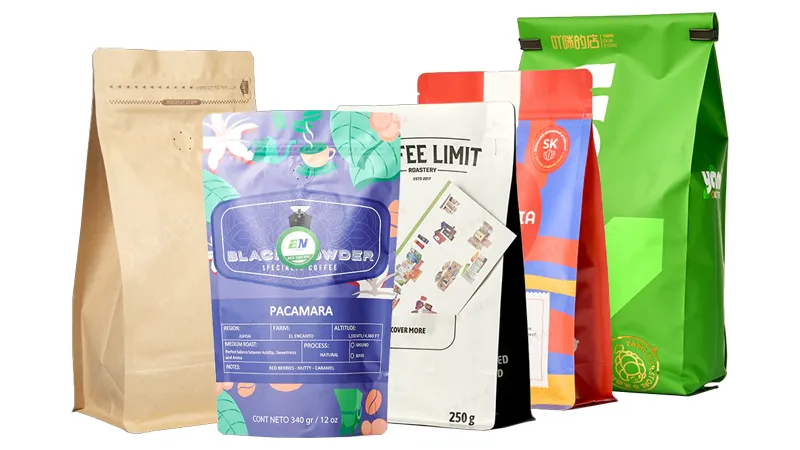
Several flexible packaging formats are widely used in the coffee industry, each serving different market needs.
Stand-up pouches, also known as doypacks, are among the most popular. Their stable base allows them to stand upright on retail shelves, while their large printable area supports strong branding.
Flat bottom coffee bags offer a premium appearance and excellent shelf stability. They are commonly used by specialty coffee brands seeking a high-end presentation.
Side gusset bags are often used for larger volumes and wholesale coffee packaging. They expand to hold more product while maintaining a compact footprint.
Rollstock film is used on form-fill-seal machines for high-speed packaging operations. It is ideal for large-scale production and single-serve formats such as sachets or stick packs.
Functional Features That Preserve Coffee Freshness
Preserving coffee freshness is the primary goal of flexible coffee packaging. To achieve this, several functional features are commonly integrated into coffee bags.
Barrier protection is critical. Multi-layer films block oxygen, moisture, and light, preventing oxidation and flavor loss. High-barrier structures are especially important for roasted coffee.
One-way degassing valves are another essential feature. Freshly roasted coffee releases carbon dioxide, and without a valve, gas buildup can cause packaging to swell or rupture. Degassing valves allow CO₂ to escape while preventing oxygen from entering.
Resealable closures, such as zippers, improve consumer convenience. They help maintain freshness after opening and reduce the need for secondary storage containers.
Together, these features ensure that coffee remains fresh from production to final consumption.
Materials Used in Flexible Coffee Packaging
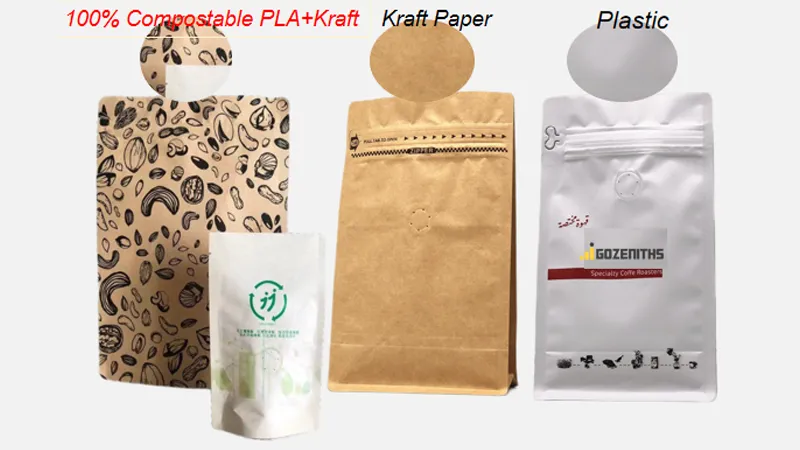
Flexible coffee packaging relies on carefully selected materials to balance protection, durability, and cost. Common materials include PET, aluminum foil, PE, and various specialty films.
PET is often used as the outer layer because it provides strength, puncture resistance, and excellent print quality. Aluminum foil is used as a high-barrier layer to block oxygen, moisture, and light. PE is typically used as the inner sealing layer due to its food safety and heat-sealing properties.
In recent years, alternative materials such as recyclable mono-material structures and bio-based films have gained attention. These materials aim to reduce environmental impact while maintaining acceptable barrier performance.
Material selection depends on factors such as coffee type, shelf life requirements, distribution conditions, and sustainability goals.
Benefits of Flexible Coffee Packaging
Flexible coffee packaging offers several advantages over rigid packaging options.
- First, it provides excellent protection while using less material. This results in lighter packaging, lower transportation costs, and reduced carbon footprint.
- Second, flexible packaging offers superior design flexibility. Brands can use bold graphics, matte or gloss finishes, and custom shapes to stand out in competitive markets.
- Third, it improves operational efficiency. Flexible packaging takes up less storage space and is compatible with automated filling and sealing equipment.
- Finally, flexible packaging enhances consumer convenience. Easy-open features, resealable closures, and portable formats improve the overall user experience.
These benefits make flexible packaging the preferred choice for modern coffee brands.
Sustainability and Environmental Considerations
Sustainability is an increasingly important topic in coffee packaging. Traditional multi-layer flexible packaging can be difficult to recycle due to mixed materials, which has raised environmental concerns.
In response, the industry is developing recyclable and compostable alternatives. Mono-material structures are designed to be recycled through existing systems, while bio-based films offer renewable material options.
Flexible packaging can also reduce environmental impact by minimizing material usage and lowering transportation emissions due to its lightweight nature.
Choosing sustainable flexible coffee packaging involves balancing environmental responsibility with performance requirements. Brands must consider local recycling infrastructure, product shelf life, and consumer education when selecting materials.
How Coffee Brands Use Flexible Packaging Today
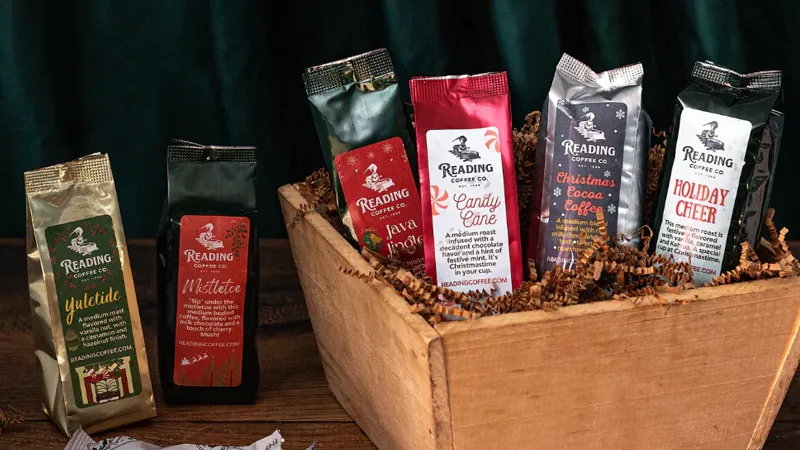
Flexible coffee packaging is used across a wide range of coffee products and markets. Specialty coffee roasters use it to showcase brand identity and preserve freshness for premium beans. Large-scale producers rely on flexible packaging for efficiency and consistency in high-volume operations.
In e-commerce, flexible packaging offers durability and reduced shipping costs. For single-serve and on-the-go consumption, sachets and small pouches provide convenience and portion control.
Consumers increasingly associate flexible packaging with freshness, modern design, and ease of use, reinforcing its role in the global coffee market.
Conclusion
Flexible coffee packaging has become an essential part of the modern coffee industry. It combines protection, efficiency, branding, and convenience in a way that rigid packaging cannot easily match.
As materials and recycling technologies continue to evolve, flexible packaging will play an even greater role in sustainable coffee packaging solutions. Future innovations will focus on improved recyclability, reduced material usage, and enhanced barrier performance.
For coffee brands, flexible packaging is no longer just a container—it is a key component of product quality, brand identity, and customer experience.