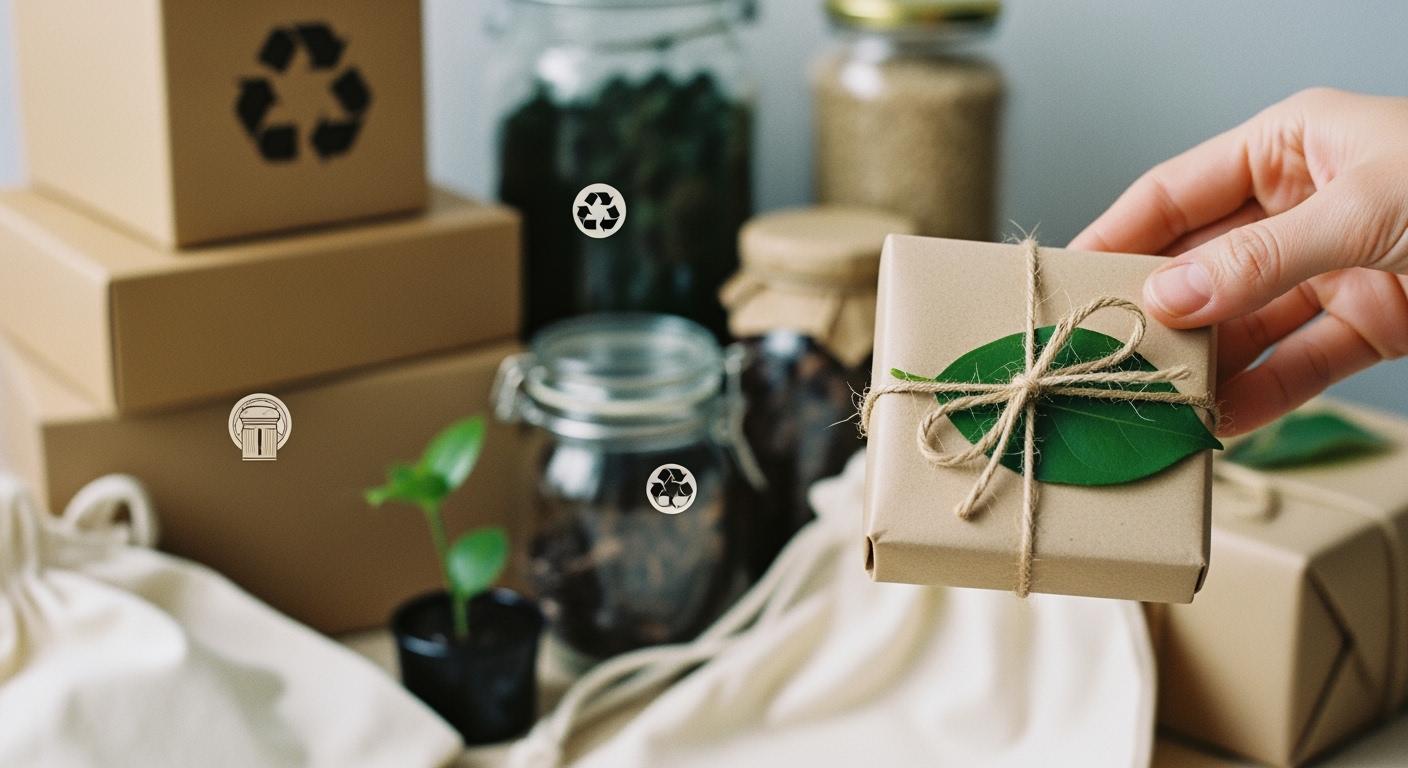
Sustainable packaging uses materials and designs that are good for the environment. You pick sustainable packaging to make less trash and save resources. When you use eco-friendly choices, you help the planet and do something good. Many businesses save money and build a better brand image. People see and like brands that use sustainable packaging. BN PACK is a leader and gives new ideas that fit your needs and help the world.
Companies that use recycled content save money and make less trash.
70% of people want packaging that clearly shows it is sustainable.
Sustainable Packaging Criteria

Environmental Principles
Sustainable packaging tries to protect the environment. Picking eco-friendly packaging helps cut down on waste. It also lowers harm to nature. Groups around the world set rules for packaging. These rules help you make smart choices for your business and the earth.
Uses materials that are good for the environment.
Makes less trash by using recycled and compostable stuff.
Looks at every step, from making to throwing away.
Uses less material by making packaging simple and strong.
Uses ways to make packaging that need less energy.
Tip: You help the planet by choosing packaging that uses fewer things and breaks down safely. Eco-friendly packaging often uses things that can grow again and be recycled. This means less pollution and less trash in landfills.
Functional & Economic Aspects
Sustainable packaging needs to work well for you and your customers. It should keep products safe, look nice, and not cost too much. You want packaging that keeps food fresh and protects items from water. It should also be strong enough to handle shipping. Eco-friendly packaging can do these things and save resources.
Small and light packaging saves space and fuel when shipping.
Using recycled stuff can lower carbon emissions by almost 40%.
Biodegradable packaging makes less trash and is better for the earth.
Using just enough packaging saves money and cuts waste.
Better design makes it easier to move and handle packages.
Sometimes, sustainable packaging costs more than regular packaging. It can cost 20–50% more because it needs special ways to make it. Regular packaging is cheaper because it is easier to get. But you can save money over time. New rules, like the UK’s Plastic Packaging Tax, make regular packaging cost more. Many people will pay extra for eco-friendly products, which helps your brand.
Note: Sustainable packaging can change how long products last. Eco-friendly materials keep out air, water, and light. You should check if these materials keep things fresh and safe. Good design helps keep quality and stops waste.
Life Cycle Approach
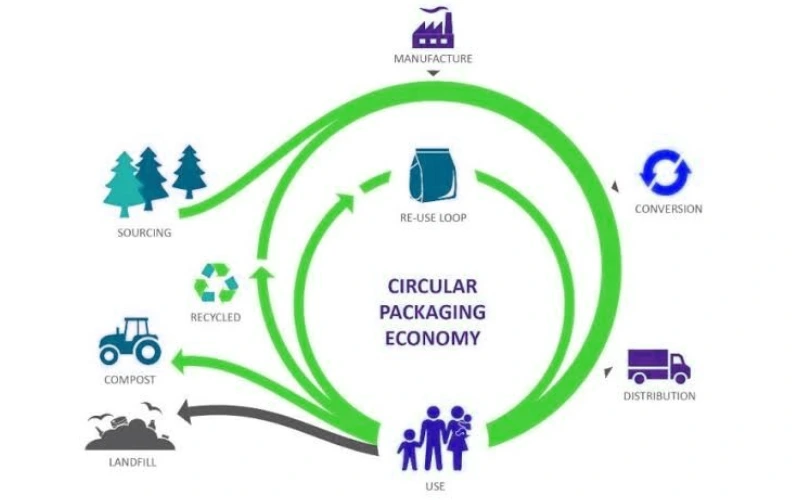
You should think about the whole life of packaging. This helps you see how packaging affects the earth from start to finish. Life cycle assessment (LCA) is a way to check every step.
Stage | Purpose | Key Activities |
|---|---|---|
Goal and Scope | Set limits | Find important steps and worries |
Life Cycle Inventory | Gather facts | Track materials, energy, and pollution |
Impact Assessment | Study effects | Look at harm to the environment |
Interpretation | Make plans | Find ways to do better |
First, you set goals and decide what to check. Next, you gather facts about what goes in and comes out. Then, you study how it affects the earth. Last, you use what you learn to make packaging better.
Life cycle checks compare biodegradable and recyclable packaging. Biodegradable stuff can fix some problems, but recyclable stuff is not always worse. Recycling rates are different for each material. Paper fiber is recycled 82% of the time. Metal and glass are recycled 76%. Plastic is recycled 38%. Recycling needs more energy each time, so using things again can be better.
Remember: When you pick packaging, think about its whole life. Eco-friendly and recyclable materials help you make less harm and support the earth.
Environmental Impact of Packaging

Issues with Conventional Packaging
You see packaging everywhere you go. Most regular packaging is bad for the environment. When you use packaging made from fossil fuel-based plastics, you make more pollution and trash. Making these materials uses a lot of energy. It also releases greenhouse gases that cause climate change. Many companies do not recycle packaging the right way. So, most packaging waste ends up in landfills or pollutes nature.
Making packaging uses a lot of energy and makes climate change worse.
Throwing away packaging the wrong way causes litter and pollution. This hurts animals and their homes.
Most packaging waste is plastic. Plastic uses up resources and harms the earth.
91% of packaging waste goes to landfills or the environment. This makes pollution even worse.
Getting resources for plastic packaging can cause forests to be cut down and hurt nature.
Every year, about 1 to 2 million tonnes of plastic go into the oceans. Half of all plastic waste in the world goes right to landfills. About 20% of plastic waste is not handled right. It does not get recycled or stored safely. These facts show how much packaging hurts the environment and your impact on nature.
How Eco-Friendly Solutions Help
You can help by picking eco-friendly packaging. Sustainable packaging uses recyclable, biodegradable, and renewable materials. These choices help lower pollution and protect nature. When you pick packaging with sustainable design, you help the earth and support sustainability.
Eco-friendly packaging, especially when made from biodegradable materials, cuts down on greenhouse gas emissions. It uses fewer fossil fuels. Recycling packaging waste can lower emissions by about 348.1 kg CO2-eq for every ton of waste. If you recycle all packaging waste, you can stop over 60% of greenhouse gas emissions from waste. Studies show that recycling and using sustainable packaging help fight climate change and support packaging sustainability.
You help the planet when you choose packaging that is recyclable or biodegradable. These choices lower your impact on nature and support sustainability. Eco-friendly packaging also gives people what they want—products that are good for the earth. You can use sustainable design to make packaging that works well and protects the environment.
Tip: Pick eco-friendly packaging to make less waste, save resources, and help the earth. Your choices are important for the planet’s future.
Benefits & Challenges
Business & Consumer Advantages
You get many good things when you pick sustainable packaging. Companies build stronger brands and workers feel happier. More than half of people around the world pay extra for sustainable packaging, even when money is tight. Gen Z and Millennials do this even more. Using eco-friendly packaging shows you care about the planet and brings in more customers.
Evidence | Details |
|---|---|
Consumer Willingness | More than half of people will pay more for sustainable packaging, even when times are hard. |
Packaging Reflects Value | 48% of people think packaging shows how good the product is. |
Quality Perception | 69-80% of people see cardboard and paper packaging as better quality. |
Your workers feel proud when they help the planet. About 74% of workers feel happier when they make a difference for the earth and society. Many people want jobs at companies that care about sustainability. Using recyclable, biodegradable, and reusable materials makes your brand look good and helps nature.
Eco-friendly choices like biodegradable and recyclable packaging help reach sustainability goals. You make less harm to the earth and show you care. Good packaging design with sustainable materials makes recycling easier for everyone.
Tip: Using sustainable packaging helps your business and the planet. You also give people what they want—eco-friendly products.
Common Challenges
Changing to sustainable packaging can be hard. You may pay more because sustainable materials cost extra. You might need new machines or teach your workers new skills. Some customers do not want to pay more for eco-friendly packaging, so your sales may drop.
Cost implications: Sustainable materials cost more.
Technical challenges: You may need new machines or training.
Regulatory compliance: New rules need better labels and more recycled content.
Consumer acceptance: Not everyone wants to pay more for sustainable choices.
Problems in the supply chain can slow you down. Sometimes, you cannot get enough sustainable materials because of shortages or new rules. These problems happen in many industries and places. You need smart ideas to beat these problems and keep your sustainability goals moving forward.
Note: You can do well by using sustainable design, making recycling easier, and picking eco-friendly materials. These steps help you make less harm and support packaging sustainability.
Sustainable Packaging Solutions by BN PACK
Eco-Friendly Materials & Innovations
You want packaging that helps the earth and your business. BN PACK gives new ideas for sustainable packaging. You can pick eco-friendly choices like biodegradable plastics, recycled content, and compostable materials. These options replace bad packaging with better ones. BN PACK uses reusable materials and recyclable designs for many industries.
Biodegradable plastics break down on their own.
Recycled content makes less trash and saves resources.
Compostable packaging turns into safe biomass.
BN PACK works with partners like BASF to make bio-based barrier coatings. You get packaging that meets strict rules, like FSC for forests and FDA for food safety. The ReGen coffee bags cut CO2 emissions by 40% compared to regular laminates. You see smart packaging with QR codes that show sustainability facts. Eco-friendly boxes and mono-material designs make recycling simple and help you reach zero waste goals.
Tip: When you pick BN PACK, you help the earth and get packaging that fits your needs.
Biodegradable Bags for Businesses
You need packaging that keeps products safe and helps the earth. BN PACK’s biodegradable bags use eco-friendly materials like starch and cellulose. These bags break down naturally and help you follow your sustainable packaging policy. You can trust their quality because they are certified by SGS, TUV, and FSC.
Feature | Compostable Bags | Biodegradable Bags |
|---|---|---|
Breakdown Time | 3-6 months | Several months to years |
Residue | None, turns to biomass | Possible microplastics |
Compost Compatibility | Yes | Sometimes |
BN PACK’s products meet EN 13432 standards for compostable materials. You avoid bad emissions from landfills and burning. You find packaging for coffee, food, clothing, and pet products. BN PACK helps your sustainability goals with new ideas for sustainable packaging. You get packaging that is strong, useful, and safe for the earth.
Note: BN PACK helps you pick packaging that supports recycling, composting, and sustainability for many industries.
Standards & Certifications
Key Guidelines & Labels
You see lots of labels on packaging today. These marks show if a package follows important rules for the environment. When you pick products with these labels, you help the planet and make smart choices.
Here is a table with some well-known guidelines and labels for sustainable packaging:
Certification/Label | Description |
|---|---|
How2Recycle | Tells you if packaging can be recycled and how to do it. |
Forest Stewardship Council (FSC) | Makes sure paper and fiber come from good sources. |
Global Recycled Standard (GRS) | Checks recycled content and tracks it through the supply chain. |
Biodegradable Products Institute (BPI) | Certifies compostable packaging for industrial composting. |
EcoLogo | Shows products meet tough environmental standards. |
FTC Green Guides | Gives rules to stop false environmental claims. |
Toxics in Packaging Clearinghouse (TPCH) | Cuts down toxic substances in packaging. |
Sustainable Forestry Initiative (SFI) | Supports good forestry practices. |
You can look for these labels when you shop. They show that the packaging meets strong safety and ecological standards. These guidelines also help companies use better designs and materials.
Supporting Sustainability
Certifications are more than just a label. They prove that packaging meets high environmental standards. Groups like the Forest Stewardship Council and Biodegradable Products Institute check the materials and how they are used. This builds trust and stops companies from making false claims.
When you see a certified label, you know the packaging supports recycling or composting. These certifications teach you how to throw away packaging the right way. They also help brands stand out. Companies with certified packaging often get loyal customers who care about the earth.
You help the planet when you pick certified packaging. These choices cut down waste and support ecological goals. They show you care about smart design. As more people want sustainable packaging, brands work harder to meet these standards. This change leads to better packaging for everyone.
Tip: Look for trusted labels on packaging. They help you make choices that protect the earth and support sustainability.
You help save nature and make less trash when you pick sustainable packaging. This choice helps the earth and makes your brand look better. Many people spend more money on products that care about the planet. BN PACK is a leader and gives green choices that fit what you need.
You can begin by using biodegradable materials and teaming up with trusted partners.
- Sustainable packaging helps fight climate change and supports a zero-waste life.You can help the planet and your business by picking sustainability every time you choose packaging.