For coffee co-packers and private-label operators, standardizing packaging across clients and SKUs isn’t just about aesthetics—it’s about repeatability, shelf-life performance, and predictable costs.
This guide lays out an auditable, step-by-step order process and explains where custom coffee packaging pricing actually moves, with add-ons like valves, zippers, finishes, and specialty materials as the clear cost drivers.
You’ll also get a worked pricing walkthrough for a 250 g stand-up pouch in recyclable mono-PE with CMYK print, valve, and zipper at 1,000 units shipping China → US West, plus a simple landed-cost sensitivity you can adapt to your own quotes.
Order flow overview
An efficient, auditable workflow prevents rework and keeps costs traceable from quote to delivery:
- Spec intake and definition
- Artwork and dieline proofing
- Sampling and validation
- Production and in-process QC
- Final QA, packing, and shipping
- Landed-cost calculation and sensitivity
Each step below includes practical deliverables and verification points so your team can document acceptance criteria and replicate results.
Step 1: Spec intake and definition
Start with a signed spec that engineering, production, QA, and procurement can all read the same way. At minimum, confirm:
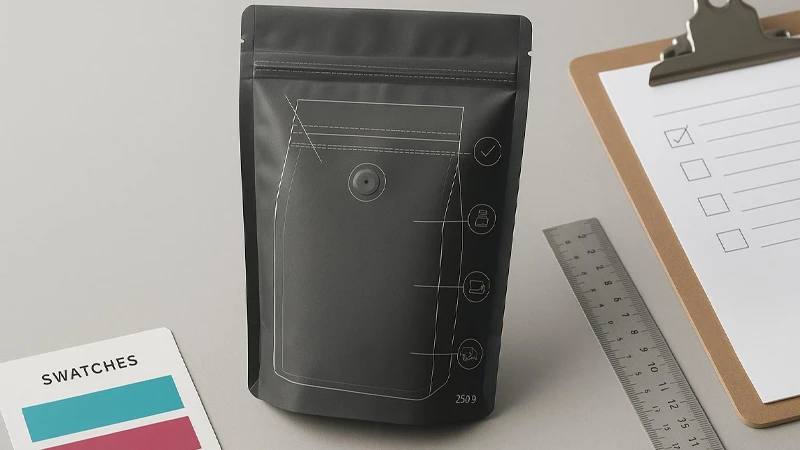
- Bag style and size: stand-up pouch sized for 250 g whole bean or ground coffee; net fill assumptions; finished dimensions and gusset.
- Material choice and barrier intent: recyclable mono-PE with EVOH barrier, aluminum-foil laminate, or compostable options. Record expected OTR/MVTR bands and light protection needs.
- Add-ons: one-way degassing valve type and placement; resealable zipper type.
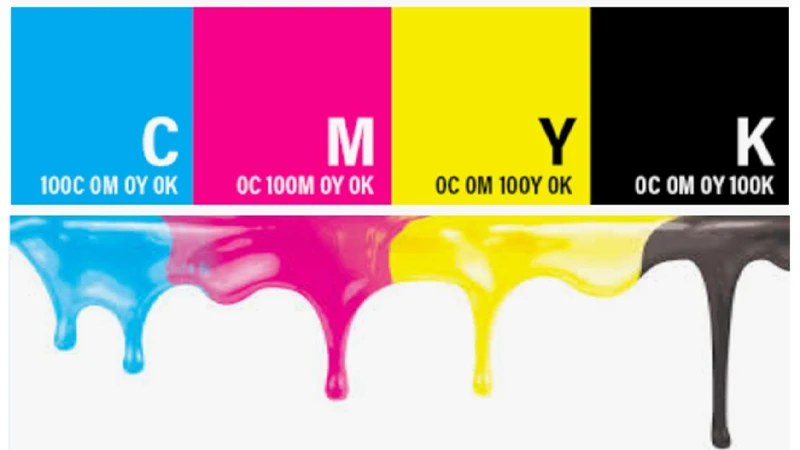
- Print and color intent: CMYK process vs spot brand colors (Pantone), target color tolerances, registration notes.
- Art files: layered vector artwork, barcodes, legal marks, and safe zones.
- QA requirements: test methods to be used during sampling and production; acceptance criteria.
Verification notes
- Dieline fit: check trims, bleeds, and safe zones; confirm zipper and valve do not overlap critical artwork or barcodes.
- Labeling: confirm country-of-origin statements and any recycling marks you plan to use.
- Barrier expectations: align shelf-life assumptions with chosen structure before moving to proofs.
Step 2: Artwork and dieline proofing
Run a proper preflight on fonts, overprints, transparencies, and image resolution. For color control, set expectations early:
- Color tolerances: For brand-critical spot colors, many packaging programs target ΔE around 2; CMYK composites are often managed in a wider band (roughly ΔE 4–6) depending on process and substrate. Industry guidance around G7/GRACoL/SWOP is summarized by Idealliance; see their overview in the Guide to Print Production for program-level practices and targets described under G7 calibration and control. For context on digital packaging color management at scale, PackagingDigest’s editorial on modern digital print programs discusses managing tight tolerances across technologies. See Idealliance’s overview in the Guide to Print Production (2026) and PackagingDigest’s piece on digital printing and brand color control.
- Proofs: Approve a marked digital proof; where color is brand-critical, request a contract proof and define what constitutes pass/fail.
- Registration: Confirm fine type and trap settings suit the print process and film stretch characteristics.
Step 3: Sampling and functional validation
Validate function before committing to the run.
- Samples: Request at least one bench sample and one production-simulated sample with valve and zipper installed.
- Valve behavior: Confirm one-way degassing and observe CO2 release on filled packs; industry primers explain why valves are standard for roasted coffee due to outgassing and aroma retention—see the context in MTPak’s guide to the best way of packing coffee for shipping (2026).
- Seals and zipper: Verify seal integrity and zipper alignment/closure consistency. Use ASTM F88/F88M as the method reference for seal strength testing and record temperature/dwell/pressure used to achieve an acceptable window on your chosen film.
- Drop and vibration checks: If you ship filled packs, perform a simple filled-drop test and visual inspection to catch brittle seals or valve dislodgement.
Document acceptance criteria and retain golden samples for future color and fit matching.
Step 4: Production and in-process QC
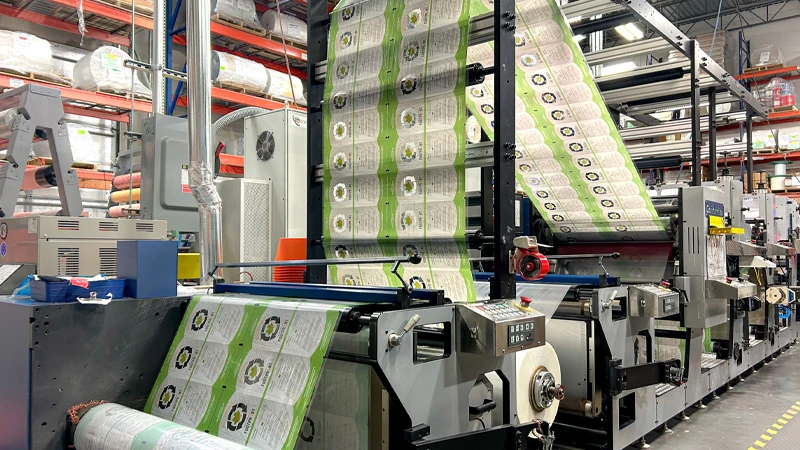
Confirm a production plan with defined checkpoints and sampling frequencies.
- AQL sampling: Many teams use a general inspection level II plan with an AQL around 2.5 for major defects as a baseline; adjust for risk. Record sampling results per lot.
- In-line checks: Reconfirm seal integrity, valve position, zipper engagement, and print registration at defined intervals. Keep logs and retain samples by roll/lot.
- Traceability: Label cartons with lot IDs, material COA reference, and production date to support audits and client claims.
Step 5: Final QA, packing, and shipping
Before dispatch, compile a clean dossier:
- Final inspection report and photos of the packed goods.
- Packing list with lot IDs and carton count.
- COAs for barrier films and valves, if applicable.
- HS code guidance for customs: empty plastic pouches are often classified under HTSUS 3923.21.00 (of polymers of ethylene), but classification is fact-specific; confirm with your broker and check current entries via the USITC HTS search portal. If importing from China, assess any Section 301 entries under Chapter 99 with your broker.
On freight lead times and volatility: around Lunar New Year and other peak periods, carriers may change schedules and apply surcharges. Trade press and carrier advisories illustrate how surcharges and demand can disrupt planning; for example, Maersk’s January 2026 advisories outline peak season surcharges on certain corridors to the US West Coast. See Maersk’s rate and surcharge advisory (2026) for qualitative context.
Step 6: Build your landed-cost model
Here’s a simple structure you can adapt to your quotes. The emphasis is transparent custom coffee packaging pricing—especially add-ons.
- Base pouch cost: the printed film, lamination, and converting for your chosen structure.
- Add-ons: valve, zipper, and finish (matte, gloss, soft-touch). These move the needle most at small runs because they add materials and assembly steps.
- Print/setup: digital printing avoids cylinders; you still account for prepress and proofing.
- Sampling: include courier and handling for approvals.
- Freight and insurance: courier vs air vs LCL sea.
- Duties and taxes: HTS classification, Section 301 (if applicable), MPF/harbor fees.
- Contingency: a small buffer for rework or freight changes.
Transparent custom coffee packaging pricing for add-ons
Why do add-ons swing per‑unit costs at 1,000 units?
- Valves: One-way valves introduce an extra component and insertion step. Industry education and stock catalogs typically bundle valves in the bag price rather than itemize them, but you still pay for the part and application. For functional context on valves and coffee outgassing, see MTPak’s coffee shipping best practices (2026).
- Zippers: Reseal features vary in cost by type and installation. As a directional floor, TricorBraun Flex lists resealable tape at roughly $48.70 per 1,000 (about $0.049 per unit) as a component—not the same as an integrated pouch zipper but a useful lower‑bound proxy for reseal functionality; see TricorBraun Flex’s bag closures and equipment (2026).
- Finishes: Matte and soft-touch laminations add material layers and handling; they rarely have public per‑unit premiums at low MOQs, but you’ll see them reflected in quotes.
- Specialty materials: Recyclable mono-PE with barrier layers or compostable structures can change cost and yield; confirm OTR/MVTR needs and shelf‑life expectations before choosing.
Mechanics at low MOQs: setup, handling, and waste amortize over fewer units, so each add-on’s fixed and semi-fixed components have a larger per‑unit impact.
Worked pricing walkthrough: 250 g SUP, recyclable mono‑PE matte, CMYK, valve + zipper, 1,000 units, ship China → US West
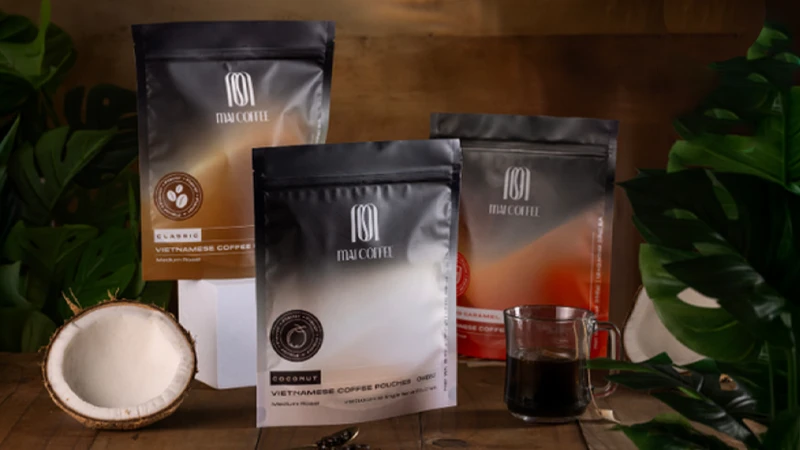
This is a quote‑driven template you can populate with supplier numbers. Ranges below are directional and for planning only; validate with live quotes and current freight.
Assumptions
- Structure: recyclable mono‑PE with EVOH barrier; matte finish; CMYK process print
- Features: one-way degassing valve; press‑to‑close zipper
- Run size: 1,000 units
- Ship-to: US West, commercial address with receiving
Cost components (directional template)
| Component | What it covers | Directional note |
|---|---|---|
| Base pouch | Printed film, lamination, converting | Quote-specific; varies by structure, ink coverage, and print process |
| Valve add-on | Valve part + insertion | Typically bundled; plan as a distinct line for transparency |
| Zipper add-on | Integrated zipper and application | Directional floor proxy: resealable tape ≈ $48.70/1,000 (TricorBraun Flex proxy) — integrated zippers differ |
| Finish | Matte/soft-touch lamination | Incremental material/handling; verify in quote |
| Prepress/proof | File prep, color proofs | Digital printing avoids cylinders; still allow for proofing |
| Sampling | Pre‑production samples + courier | Budget for at least one iteration |
| Freight | Courier, air, or LCL sea | Mode selection drives landed cost and lead time |
| Insurance | Cargo insurance | Small but prudent for international legs |
| Duties/taxes | HTS classification, Section 301 if applicable | Confirm with broker; HTSUS 3923.21.00 often used for empty plastic pouches |
| Contingency | 3–7% buffer | Covers rework or rate swings |
Freight mode sensitivity (qualitative)
- Courier: fastest door-to-door (about 3–5 days end-to-end), highest $/kg; simple paperwork.
- Air freight: roughly 3–7 days port-to-door when well coordinated; lower $/kg than courier; needs pickup/terminal handling.
- LCL sea: approximately 25–45 days including consolidation and deconsolidation; lowest $/kg for volumes like 1–2 CBM; watch for surcharges and schedule variability. Early‑year trade updates and carrier advisories (e.g., Maersk’s January 2026 notices) illustrate volatility around peak periods.
How to use this table
- Insert your actual quotes for base, each add‑on, and the chosen freight mode.
- Derive a per‑unit landed cost and run a sensitivity by toggling freight modes and add‑on choices.
- Share the model with clients so they can see exactly how valves, zippers, and finishes shape their price at small runs.
Materials and barrier trade-offs
Choosing structure is a performance decision first, then a cost decision. A few engineering cues and sources:
- Recyclable mono‑PE with barrier: Engineered PE laminates (e.g., MDOPE/BOPE/APE with EVOH) can deliver competitive moisture and oxygen barriers for coffee while enabling recyclability; technical posts show MVTR and OTR examples indicating how far PE structures have progressed toward metallized-film performance. See VP‑Packaging’s explainer on sustainable PE coffee packaging (2025).
- Aluminum‑foil laminates: PET/AL/PE or similar remains the high‑barrier benchmark for oxygen, moisture, and light—the classic choice when maximum shelf-life and light-blocking are non‑negotiable. VP‑Packaging’s application notes describe foil’s barrier role in coffee packs; see their overview of aluminum‑based coffee laminates (2025).
- Compostables: Kraft/PLA structures often need metallization or multi‑layer tweaks to be viable for roasted coffee; standalone PLA films exhibit much higher OTR/WVTR. For a technical snapshot, see VP‑Packaging’s note on metallized PLA for coffee packaging (2025). Align shelf‑life expectations accordingly.
Think of it this way: barrier picks shelf life; add‑ons fine‑tune user experience; print and finish pick brand feel. Your spec balances all three.
Co‑packer practices that cut risk and cost
- Batch intelligently: Group SKUs with shared structures and features to amortize setup and stabilize color. Stagger variable data (origin/roast date) via labels if needed.
- Document to repeat: Keep a single source of truth—approved dielines, proofs, golden samples, seal settings, and QC logs—so repeats match without a new learning curve.
- Traceability matters: Lot label every carton and keep material COAs. When a client calls about a defect, you’ll know which day and which roll to audit.
Troubleshooting and escalation
- Seal issues: Reconfirm temperature/dwell/pressure, clean seal bars, and rerun ASTM F88 tests on current film. If failures persist, revisit film’s sealant layer and contamination controls.
- Valve problems: Check insertion jig and alignment; validate one-way flow on filled packs; swap valve type if roast outgassing overwhelms the current spec.
- Zipper misalignment: Inspect rail engagement and placement; if drift occurs, increase in‑line checks and fixture controls.
- Color drift: Measure ΔE against your retained golden sample; for spot colors, aim near ΔE ≈ 2; for CMYK, tolerance bands are wider per your program. If drift exceeds thresholds, pause and investigate press conditions.
- When to escalate: If critical defects exceed your AQL threshold or color falls outside agreed ΔE limits, hold affected lots, document, and engage a corrective action review.
Practical example and disclosure
Here’s how a neutral supplier integration might look in practice. During spec intake, a converter reviews your 250 g mono‑PE CMYK design, confirms valve and zipper placements, runs a color soft‑proof, and ships a functional sample for seal/valve checks. Upon approval, production proceeds with in‑process QC and a pre‑shipment inspection before booking freight. Disclosure: BN Packaging is our product.