Packaging is one of the biggest contributors to modern waste streams. The OECD says global plastic waste reached 353 million tonnes in 2019, and only 9% was ultimately recycled after accounting for recycling losses. In the EU alone, plastic packaging waste totaled 16.16 million tonnes in 2022. That is why more food, beverage, and household brands are rethinking not just what they sell, but how they pack it.
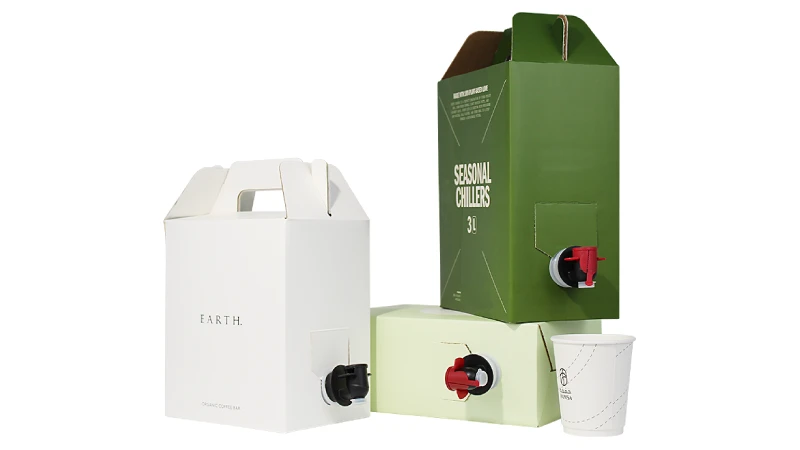
One format gaining renewed attention is eco-friendly bag in box packaging. For many liquid products, Bag in Box offers a practical way to reduce material use, cut transport emissions, and lower plastic waste compared with heavy rigid packaging. It is not simply a cheaper alternative to bottles or jerrycans. In many applications, it is a more resource-efficient packaging system from the start.
The Problem With Rigid Packaging
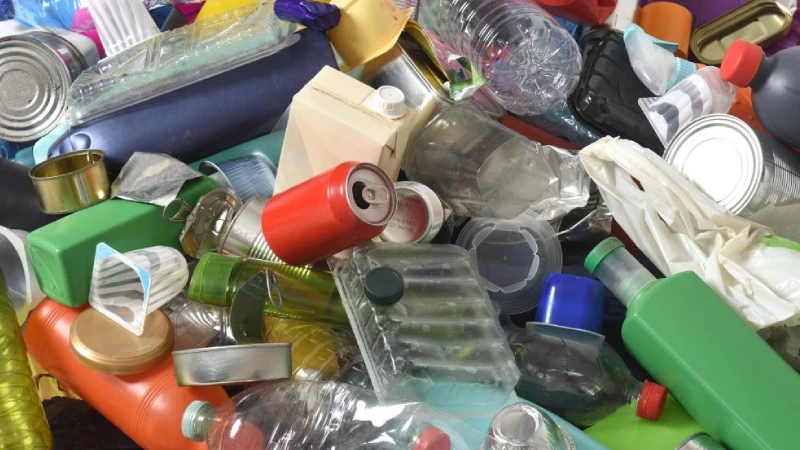
Rigid packaging still has clear strengths, especially for premium presentation, refill systems, and certain retail formats. But from a materials-efficiency perspective, it often carries a penalty. Glass production requires very high temperatures and considerable energy, and even though glass is recyclable, its weight still affects manufacturing and transport impacts. The U.S. Department of Energy notes that glass production requires considerable energy to maintain the temperatures needed to melt the glass batch.
Plastic bottles can also look efficient on paper, but real-world recovery rates remain limited. In the United States, the EPA reports that PET bottles and jars had a recycling rate of 29.1% in 2018. In the EU, 40.7% of plastic packaging waste was recycled in 2022, which still means a large share was not returned to the materials loop. At the same time, Europe is tightening the rules: the EU Packaging and Packaging Waste Regulation entered into force on 11 February 2025 and will generally apply from 12 August 2026.
Another issue with rigid formats is the material-to-product ratio. To move one liter of liquid, a rigid bottle or can usually requires more packaging mass than a flexible inner bag plus paperboard outer box. That extra mass increases raw-material demand, pallet weight, storage volume, and transportation emissions across the supply chain. Life-cycle studies on beverage packaging consistently show that single-use glass performs worst among common options, while bag-in-box performs among the best.
What Makes Bag in Box an Eco-Friendly Alternative?
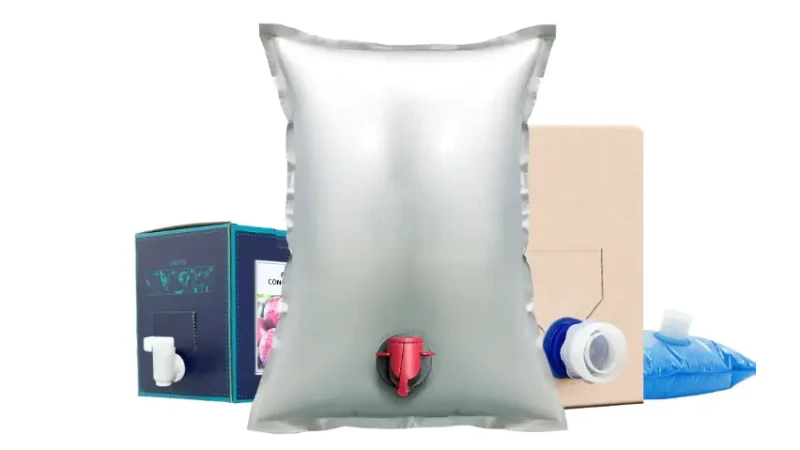
A Bag in Box pack combines two components: a lightweight flexible inner bag and a corrugated outer carton. This structure uses material more efficiently than many rigid alternatives because it delivers the same product volume with far less packaging weight. That is one reason sustainable liquid packaging teams increasingly evaluate Bag in Box for wine, juice, dairy, sauces, edible oil, and foodservice liquids.
The environmental benefit is not just about using “less plastic.” It is about using less total packaging material per liter, shipping more product with less dead weight, and improving distribution efficiency. According to Smurfit Kappa’s published Bag-in-Box figures, one truck transporting empty 5-liter bags and boxes can replace more than seven trucks transporting the equivalent 75 cL bottles, and filled Bag in Box formats can also improve transport efficiency versus glass.
This is why a well-designed recyclable bag in box system can help brands reduce plastic packaging waste even when the inner bag still contains plastic. The total system is lighter, more space-efficient, and often lower impact over its life cycle than glass-heavy or rigid-plastic alternatives. Academic LCA literature cited in a 2020 review found that bag-in-box had 60% to 90% lower impact than single-use glass bottles in the studied scenarios.
Material Breakdown — What’s Inside a Green Bag in Box
Recyclable Inner Bags
The inner bag is the technical core of the format. Traditional high-barrier structures often use multilayer laminates, but the market is steadily moving toward mono-material designs where product requirements allow it. In PE-based flexible packaging, the Association of Plastic Recyclers notes that PE flexible mono-material structures can be compatible with flexible-film collection streams, especially when the pack is predominantly PE by weight.
That said, recyclability is not only about the film structure. It also depends on local collection, sorting, and reprocessing systems. In the U.S., flexible packaging is still not widely accepted in curbside programs, although PE film collection exists through store drop-off and other dedicated systems in many markets. So when promoting recyclable Bag in Box packaging, brands should always match the recycling claim to the local disposal pathway.
Biodegradable and Compostable Inner Bags
Some brands also explore biodegradable flexible packaging or compostable inner bags for niche applications. These structures are often based on PLA or other compostable materials, but they should only be marketed with care. “Biodegradable” by itself is too vague. For sourcing and labeling, recognized compostability standards matter more. ASTM D6400 covers plastics designed to be composted in municipal or industrial aerobic composting facilities, and TÜV Austria’s OK compost INDUSTRIAL program is based on EN 13432.
In practice, compostable inner bags are usually best suited to brands that already sell into systems where industrial composting is available and clearly communicated. For many mainstream liquid applications, recyclable mono-material solutions may be the more scalable choice.
Recycled Outer Boxes
The paperboard outer box is another sustainability advantage. It can be made with recycled fiber content, and FSC-certified options are available for brands that want stronger sourcing credentials. The FSC Recycled label means the product is made from 100% recycled materials. That gives buyers a straightforward way to verify recycled-content claims on the carton side of the pack.
Carbon Footprint Comparison
When brands compare packaging formats, weight matters. A lighter package usually needs fewer raw materials and less fuel to move through the supply chain. Smurfit Kappa reports that Bag-in-Box can deliver up to 86% plastic reduction versus some rigid plastic alternatives, and its published wine data shows a carbon footprint 8.8 times lower than 75 cL glass bottles in the referenced study set.
Independent academic work points in the same direction. ScienceDirect and MDPI sources summarizing comparative LCA studies found bag-in-box to be the most environmentally sound alternative in the assessed wine-packaging systems, with single-use glass as the worst performer and bag-in-box often substantially lower in impact because of lower package weight and better pallet efficiency.
There is also an indirect sustainability benefit: product protection. The right barrier structure can extend shelf life before opening, and for some categories such as wine, the dispensing format can help preserve the product after opening by limiting air ingress. FAO has also highlighted packaging as a tool to help reduce food loss and waste.
Certifications That Back It Up
Sustainability claims are only credible when they are supported by documentation. For Bag in Box sourcing, buyers should typically verify three things: product safety compliance, manufacturing-system certification, and environmental claim support. On the food-safety side, the FDA regulates food contact substances, including packaging materials and their components, while the EU’s food-contact framework sets general safety and inertness requirements for food contact materials.
On the manufacturing side, ISO 9001 is still a useful baseline for process consistency, while BRCGS Packaging Materials is a stronger packaging-specific benchmark because it is designed for packaging producers and focuses on quality assurance, legal compliance, and product authenticity. For compostable claims, buyers should ask for certification aligned with standards such as ASTM D6400 or EN 13432, depending on the market. And for fiber-based outer boxes, FSC documentation helps verify responsible or recycled sourcing.
Real-World Applications of Eco Bag in Box
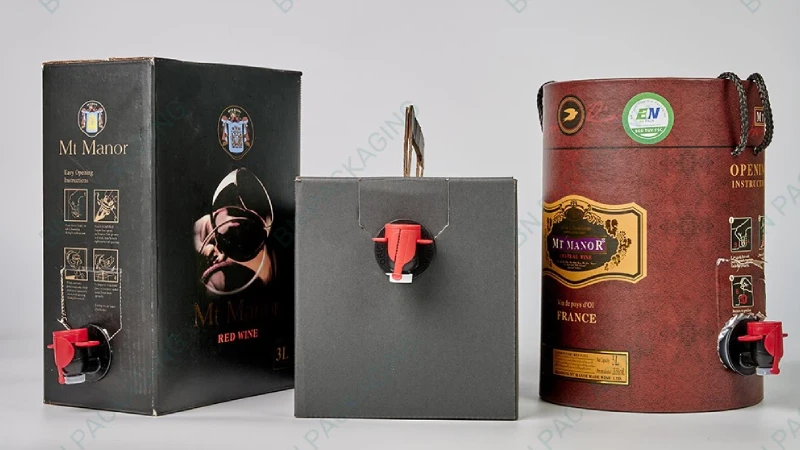
Bag in Box is no longer limited to low-cost wine. It is now widely used across wine, juice, post-mix syrup, dairy, edible oil, liquid eggs, water, detergents, and foodservice concentrates. Organic and sustainability-led brands often use it to lower transport emissions and reduce overall packaging mass without sacrificing filling efficiency.
For B2B buyers, the appeal is even clearer. A lighter format means lower pallet weight, better cube efficiency, less breakage than glass, and easier handling in warehouses and export shipments. For retail and foodservice, it can also reduce single-use packaging intensity per liter delivered.
How to Make Your Bag in Box Even Greener
The greenest Bag in Box is usually not the one with the most marketing claims. It is the one designed for the actual product, market, and disposal system. Start by choosing a mono-material inner bag where barrier requirements allow. Then specify recycled or FSC-certified board for the outer carton. Make sure any recyclability or compostability claim matches the collection infrastructure in the destination market.
Finally, work with a supplier that can provide real compliance documents rather than generic eco wording. That includes food-contact documentation, quality certifications, and clear support for any recycled-content, recyclable, or compostable claim.
Conclusion
If your goal is to reduce plastic packaging waste without giving up performance, Bag in Box deserves serious consideration. Compared with rigid packaging, it uses less material, lowers shipping weight, improves logistics efficiency, and often delivers a better life-cycle result, especially versus single-use glass.
In other words, eco-friendly Bag in Box is not a compromise format. It is often a smarter packaging system. For brands looking for practical sustainability, better freight efficiency, and scalable sustainable liquid packaging, it can be one of the strongest options available today.
Explore BN Pack’s eco-friendly Bag in Box and flexible packaging solutions to find a format that fits both your product and your sustainability goals.