You need the coefficient of friction to help your packaging lines work well. This factor decides how your film moves with your machines. Using the right COF stops slipping, jamming, and feeding problems. For example, good COF values—inside 0.200 to 0.300 and outside 0.300 to 0.400—help you avoid belt damage, sealing issues, and uneven package sizes. You get better machine performance and steady product quality when you keep COF in these ranges.
Key Takeaways
Keep the coefficient of friction (COF) between 0.200 and 0.300. This helps machines work well. It stops problems like slipping and jamming.
Know the difference between static and kinetic COF. Static COF helps things start moving. Kinetic COF keeps things moving smoothly.
Test your film’s COF often before you start making things. This helps you find problems early. It makes sure your packaging stays good every time.
Pick the right film for how fast your machine goes. Faster machines need lower COF values. This stops tearing and keeps things lined up.
Work with packaging experts like BN PACK. They help you choose films that fit your machine. This makes your work faster and better.
Understanding the Coefficient of Friction

Static vs. Kinetic COF
You should know the difference between static and kinetic coefficient of friction when using roll stock packaging. The table below explains what each one means:
Coefficient Type | Definition |
|---|---|
Static Coefficient of Friction (μs) | This is the friction between two things that are not moving. It shows the smallest force needed to get something to start moving. |
Kinetic Coefficient of Friction (μk) | This is the friction between two things that are already moving. It is usually less than μs because it takes less force to keep something moving than to start it. |
The static coefficient of friction tells you how much force you need to make your packaging film start moving. This helps keep the film still before it moves. The kinetic coefficient of friction tells you how much force is needed to keep the film moving after it starts. You want both values to be just right. If the static value is too high, the film can stick and jam. If the kinetic value is too low, the film can slip and lose control when running fast. In high-speed packaging, having the right balance between static and kinetic values helps stop jams and keeps the film lined up. This keeps your line running smoothly.
COF Measurement Methods
You can measure the coefficient of friction in a few common ways. The most used lab tools are in this table:
Method Type | Description |
|---|---|
Sled-type testers | A sled is hooked to a sample and pulled across a surface to see how much friction there is. |
Inclined plane testers | Measures the angle where a film starts sliding down a ramp. This shows how slippery or sticky it is. |
You should use international rules for cof testing, like:
ISO 8295
ASTM D1894
These rules help you get results that are correct and can be repeated. Cof testing lets you check if your packaging film cof is in the right range for your machines. You should also know that temperature and humidity can change the coefficient of friction. When it gets hotter, the film can get softer and friction goes up. High humidity can also make the film softer, which makes friction go up even more. Always test your films in the same conditions as your production line for the best results.
COF’s Impact on High-Speed Roll Stock
Machine Speed and Material Flow
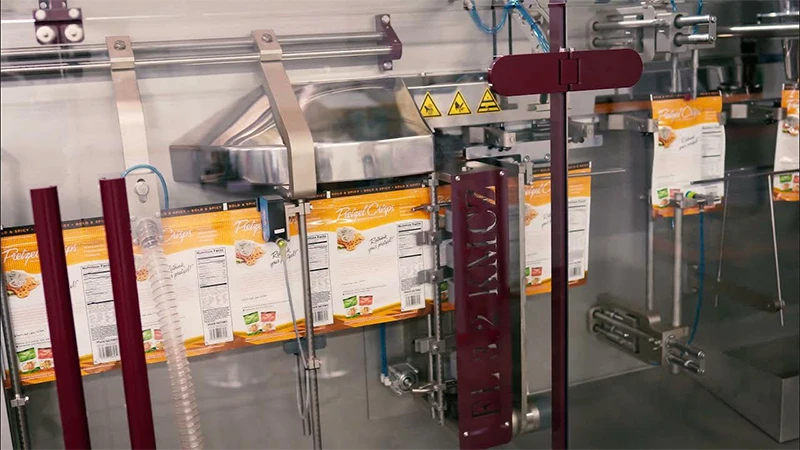
You need to control the coefficient of friction to keep your roll stock packaging line running at top speed. This value tells you how slippery or sticky your film is as it moves through the machine. If you set the coefficient of friction too high, you will see more tension and resistance. Your machine will slow down, and you may notice the film pulling too hard or even tearing. If you set it too low, the film can slip, causing poor tracking and misalignment.
Here is how the coefficient of friction affects your packaging line:
High values can slow down your machine and cause jams.
Low values let your film move faster and smoother.
Too much friction can lead to film misalignment or tearing.
Too little friction can cause slack and poor film tracking.
You must match the film’s smoothness to your machine speed. For example, a line running at 60 bags per minute (bpm) can handle a higher coefficient of friction. A line running at 120 bpm needs a lower value for smooth, fast movement. If you use the wrong film, you may see wire drawing, pile-up, or even film breakage. You can reduce the risk of vffs film issues by choosing the right film for your speed.
You should also know that different film materials behave in unique ways. BOPP films, for example, need a wide heat-sealing range and high slip performance. These features help them work well in high-speed packaging. The coefficient of friction measures how these films interact with each other and with machine parts. When you get this value right, you boost your line’s performance and keep your output steady.
Common Issues from Incorrect COF
If you do not control the coefficient of friction, you will face many problems on your packaging line. The table below shows the most common issues, what they mean, and what causes them:
Operational Issue | Description | Possible Causes |
|---|---|---|
Film unwind fault | The film does not unwind smoothly. The film web may snap or stop. | – Coefficient of friction is too high |
Bad vertical/cross seals | The package seals are weak or incomplete. This can lead to leaks or open packages. | – End of the film roll |
You may also see jams, uneven package sizes, or poor seals if you use the wrong coefficient of friction. These problems can stop your line and waste materials. You can avoid these issues by testing your films and adjusting the values for your machine and speed.
Tip: Always check your film’s coefficient of friction before starting a new run. This simple step can save you time and money.
When you understand and control this value, you keep your packaging line running smoothly. You also protect your product quality and reduce downtime.
Optimizing COF with BN PACK Rolls Film Packaging

Customization for Machine Compatibility
You want your packaging film to fit your machines well. BN PACK’s rolls film packaging works smoothly on fast machines. The film uses special layers to keep the coefficient of friction between 0.2 and 0.3. This helps the film unwind easily and move without sticking or slipping. The surface layers make the film slide better, so it is great for high-speed packaging.
You can pick films that match your machine’s speed and what you are packing. BN PACK gives you custom sizes and finishes, so you get the right slip level for your job. The film works with both up-and-down and side-to-side systems. This helps you stop jams and keeps the film lined up. When your film fits your machine, you see better results and less downtime.
Tip: Always pick roll stock films with the right slip level for your machine speed. This easy step keeps your line running well.
COF Control for Efficiency and Quality
You need to test and change the coefficient of friction to keep your line working well. BN PACK suggests these steps:
Watch and control the coefficient of friction using rules like ASTM D1894.
Test films often to find small changes in friction that can cause tracking or tension problems.
Change slip levels to fit your machine’s speed and what you are packing.
Get ready for operator checks if friction changes during production.
Testing often lets you set slip levels for each run. High slip is best for fast filling. Lower slip helps keep pallets steady. This helps stop pack failures and line stops, making your line work better for a long time.
BN PACK’s rolls film packaging has layers that block water, air, and light. The film is FDA-certified, so it is safe for food and medicine. Rules say you must control friction strength, so BN PACK’s quality checks help you follow these rules. You get packaging that works for fast lines and keeps your products safe.
New technology lets you watch friction during production. This helps you spot changes early and stop machine problems. You keep your line working well and your products looking good.
You can make your packaging line work better by watching COF. When you control COF, you stop slipping and keep the film moving right. This also helps your machines run longer without stopping.
Easy material movement helps your machines stay fast.
Steady film feed makes every package look good.
Less machine stopping means you save money.
You should team up with packaging experts like BN PACK to keep your line working well and your products high quality.
FAQ
What is the best COF range for high-speed roll stock?
You should keep the COF between 0.2 and 0.3 for most high-speed lines. This range helps your film move smoothly and prevents jams or slippage.
How often should you test the COF of your packaging film?
Test your film’s COF before each production run. You should also check after any material change or if you see machine issues.
Can you use BN PACK roll stock film on any packaging machine?
You can use BN PACK roll stock film on most vertical and horizontal FFS machines. Customization options help you match the film to your machine’s speed and needs.
What happens if the COF is too high or too low?
COF Value | What You See
Too High | Jams, tearing, slow feed
Too Low | Slipping, misalignment
You should adjust the COF to avoid these problems.