
Quick Answer: How Long Do Oats Last in Mylar Bags?
How long do oats last in mylar bags? Packed with oxygen absorbers and sealed properly, rolled oats last 15 to 25 years in mylar bags, and quick-cooking oats reach up to 30 years because their smaller, thinner flakes stabilize faster in low-oxygen storage. Left in the original paper canister, the same oats stale within months. The table below shows what to expect by oat type and packaging method.
| Oat Type | Pantry (Original Packaging) | Mylar Bag + Oxygen Absorbers |
|---|---|---|
| Rolled oats (old-fashioned) | 6–12 months | 15–25 years |
| Quick-cooking oats | 6–9 months | 20–30 years |
| Steel-cut oats | 12–24 months | 10–15 years |
| Instant oatmeal packets | 3–6 months | 8–12 years |
| Flavored oatmeal | 3–6 months | 3–5 years (dairy and fruit bits spoil first) |
Three numbers explain this gap: oxygen, moisture, and light. Mylar (metallized PET film, known industrially as BoPET) blocks virtually all of them, which is why food banks and long-term storage programs rely on it. If you want the material science, our guide to what a mylar bag actually is breaks down the film layers. So how long do oats last in mylar bags in practice? The storage method matters more than the oat brand — here is exactly why.
This guide answers how long do oats last in mylar bags for every oat type, with the numbers bakers and preppers actually need.
In this guide:
- Why oats last so long in mylar bags
- What you need before packing
- Step-by-step sealing instructions
- How many oxygen absorbers to use
- Does the oat type change the answer?
- FAQ
Why Oats Last So Long in Mylar Bags
Oats are naturally low in oil compared with brown rice or whole-wheat flour, so they do not go rancid quickly. Their main enemies are oxygen (stale, cardboard flavor), moisture (mold above roughly 12% water activity), light (vitamin degradation), and pantry pests. A mylar bag removes all four attack vectors at once:
- Oxygen barrier: a 5-mil mylar bag transmits far less oxygen than any plastic pail liner or vacuum bag, so one 2000cc oxygen absorber can hold the headspace below 0.1%.
- Moisture barrier: dry oats at 8–10% moisture stay stable for decades as long as humidity cannot creep back in.
- Light barrier: the foil layer stops UV and visible light from degrading B vitamins and natural oils.
- Pest barrier: weevils and moths cannot chew through metallized film the way they chew paper or thin plastic. Remove those four risks and how long oats last in mylar bags stops being a food-safety question and becomes a flavor question.
This is the same chemistry that lets rice last for decades in mylar bags, and it applies to sugar and flour with only small adjustments.
What You Need Before Packing
Wondering how long do oats last in mylar bags with basic gear? This five-item list is all it takes.
- Mylar bags: 5 mil or thicker for 5–6 gallon sizes; 3.5–4 mil works for 1-gallon portions. Thin 2-mil bags puncture too easily — every serious answer to how long do oats last in mylar bags starts with 5 mil film for a reason.
- Oxygen absorbers: 300cc per 1-gallon bag, 2000cc per 5-gallon bag. Add them within 30 minutes of opening the package.
- Heat source: a household clothes iron on its highest setting or a bag heat sealer with a 5–8 mm seal bar. A weak seal is the number-two reason how long oats last in mylar bags disappoints in practice.
- Straight edge: a ruler or board to press a flat, wrinkle-free seal.
- Bucket (optional): a 5-gallon food-grade bucket protects filled bags from rodents and punctures.
Get this short list right and the question of how long do oats last in mylar bags answers itself: decades, not months.
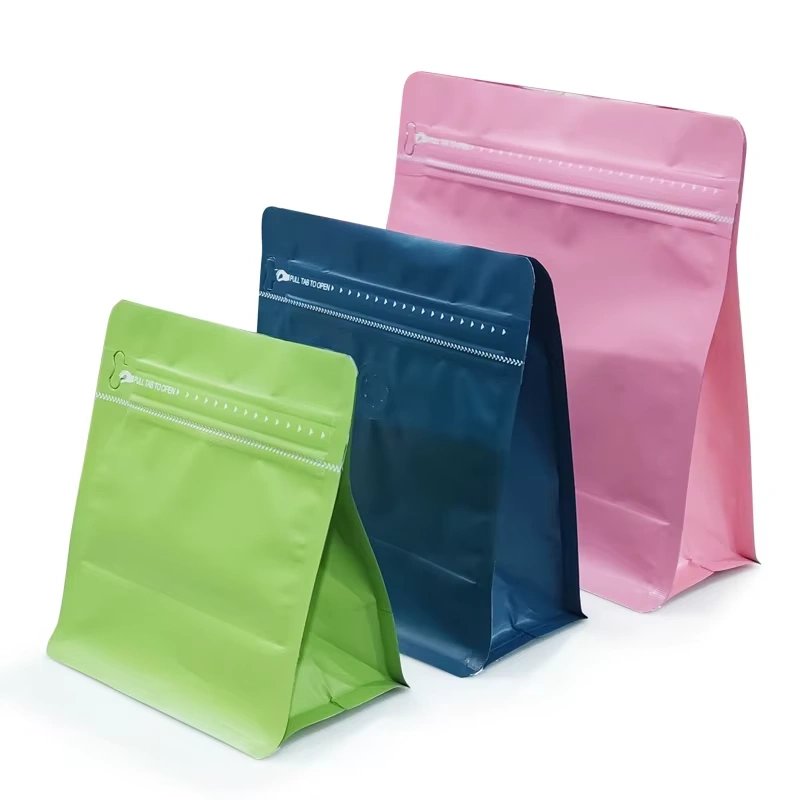
Step-by-Step: Sealing Oats in Mylar Bags
Step 1 — Condition the oats
Check that the oats are dry and cool. Freshly milled or warehouse-warm oats release moisture as they cool, which can condense inside the bag. Let them sit sealed in their original sacks for a week indoors first.
Step 2 — Fill and settle
Fill the mylar bag to about 80% full. A 5-gallon bag holds roughly 20 pounds (9 kg) of rolled oats. Shake gently to level the flakes so the seal line is clean.
Step 3 — Drop in the oxygen absorber
Place one 2000cc absorber (or two 1000cc) on top, then press out excess air. Work fast: absorbers heat up and lose capacity within 20–30 minutes of exposure. Fresh absorbers are the single biggest factor in how long do oats last in mylar bags, so never reuse an opened packet.
Step 4 — Heat-seal the bag
Press the bag opening flat against a board and run the iron or sealer across it twice, leaving a solid 5 mm+ weld. If you are new to this, our mylar bag sealing guide covers iron temperatures and seal testing, and the heat-sealing walkthrough shows seal-bar settings by film thickness.
Step 5 — Verify the vacuum
After 24 hours a properly sealed bag should feel brick-hard as the absorber pulls a partial vacuum. Soft bags mean a leaking seal or a spent absorber — recheck and reseal. This single check is what turns how long do oats last in mylar bags from a guess into a 20-year guarantee.
Step 6 — Label and store
Write the oat type and packing date on the bag, then store below 75°F (24°C), away from concrete floors. Every 10°F cooler roughly doubles the practical shelf life. Skip the cool, dark spot and how long oats last in mylar bags drops from decades to a handful of years.
How Many Oxygen Absorbers for Oats?

Oats are bulky and full of air gaps between flakes, so headspace matters more than weight. Use these per-bag targets: 300cc per gallon-sized bag, 1000cc per 2–3 gallon bag, and 2000cc per 5–6 gallon bag. If you skip the absorber, how long oats last in mylar bags falls from 20+ years to about 3 — the bag alone only slows oxygen damage. Our full chart on how many oxygen absorbers to use per mylar bag size lists every common capacity.
Does the Oat Type Change the Answer?
Charts that promise one number for how long do oats last in mylar bags ignore processing, and processing is everything.
Ask ten storage experts how long do oats last in mylar bags and you will get a range, and it comes down to processing.
Steam-killed rolled and quick oats are pre-cooked and shelf-stable by design. Steel-cut oats keep more of the oil-rich germ of the oat grain, so their ceiling is shorter even in perfect packaging. Instant and flavored packets contain dairy powder, sugar bits, or dried fruit that go stale first, which caps them at a few years no matter how good the bag is. That processing difference is why the honest answer to how long do oats last in mylar bags is a range, not a single number. For long-term stores, buy plain rolled oats in 50-pound sacks — they are the cheapest calories per year of storage life you can get.
FAQ
Do oats need oxygen absorbers in mylar bags?
How long do oats last in mylar bags without them? Only a few years. Technically the bag alone slows staleness, but without an absorber, 20.9% of the trapped headspace is still oxygen and the oats will stale within a few years. One 2000cc absorber per 5-gallon bag brings residual oxygen under 0.1% and is what makes the 20+ year numbers possible.
Can I vacuum-seal oats instead?
Vacuum bags work for 1–3 years but most household vacuum film is oxygen-permeable over long periods, and hard oat flakes can puncture it. Mylar plus an absorber beats vacuum alone. We compare the two methods in mylar bags vs vacuum sealing.
How do I know stored oats have gone bad?
Smell first: stale oats smell like cardboard or old crayons. Check for clumping (moisture), webbing or holes (pests), and any off or sour odor. Discolored but dry and normal-smelling oats are usually still safe — oats rarely become unsafe, they just get unpalatable. When in doubt, rotate: whatever the exact number for how long oats last in mylar bags, tasting a spoonful from a years-old bag tells you more than any chart.
How long do oats last in mylar bags after opening?
Once the seal is broken, how long do oats last in mylar bags stops being a 20-year question. Reseal with the zipper or a fresh short iron seal, keep the bag cool and dry, and finish the contents within 12 months for best flavor. Oxygen exposure, not time, now drives staling — so smaller portion bags beat one big opened bag every time.
Should oats be refrigerated after opening?
For daily use, a sealed mylar bag with a zipper top on a cool pantry shelf is enough for 12–24 months. Refrigeration adds condensation risk every time the bag is opened, so it only helps in hot, humid climates. Divide bulk oats into gallon bags so how long do oats last in mylar bags stays measured in years for the bags you have not opened yet.
The Bottom Line
So, how long do oats last in mylar bags? Plan on 15 years for rolled oats, 25 for quick oats, and treat anything beyond that as a bonus depending on your storage temperature.
How long oats last in mylar bags comes down to three habits: 5-mil film or better, a fresh oxygen absorber matched to bag size, and a complete heat seal. Get those right and a $10 bag of oats quietly becomes a 20-year pantry asset. If you are building retail or gift packaging instead of home storage, our team manufactures custom food-grade pouches in any size — see the aluminum foil stand-up zip food bag for a ready example, or ask us for a sample kit.