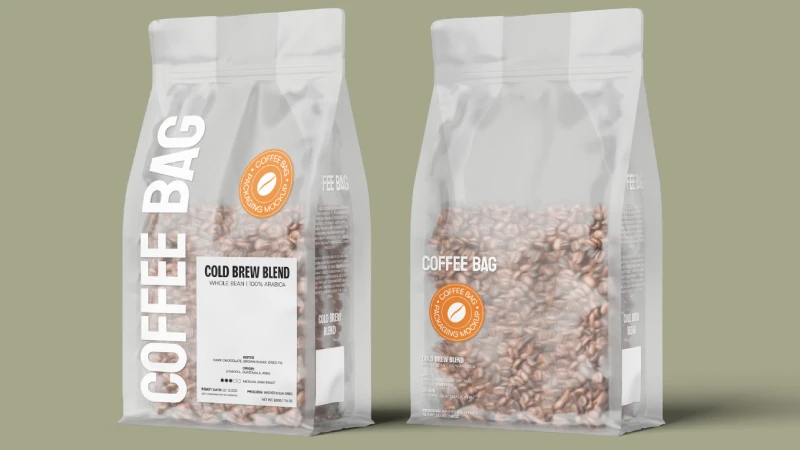
Coffee packaging has changed a lot in recent years. For a long time, foil-heavy bags dominated the market because they offered a strong barrier and a familiar “premium” look. Today, however, more coffee brands are choosing packaging that feels lighter, cleaner, and more visually open. Transparent, clear, and frosted coffee bags are becoming more common on retail shelves, in online product photography, and in specialty coffee launches.
This shift is not only about appearance. It reflects a broader change in how coffee brands present quality, build trust, and connect packaging design with the product itself. With the help of EVOH barrier structures, transparent-style coffee packaging is no longer seen as just a visual experiment. It is becoming a practical option for brands that want both product visibility and reasonable protection.
For coffee roasters, private label brands, and packaging buyers, the real question is no longer whether these bags look attractive. The better question is why they are trending, what makes them different from traditional options, and when they are the right choice for a coffee product line. If your brand is considering transparent coffee bags or exploring more premium-looking frosted bags, understanding this trend can help you make a better packaging decision.
Why Transparent Coffee Packaging Is Becoming More Popular
One of the biggest reasons transparent and frosted coffee bags are trending is simple: consumers like to see what they are buying. In many product categories, visible packaging creates a sense of honesty. It reduces uncertainty and lets the product speak for itself. Coffee is no exception.
For roasted beans, visibility can become part of the brand experience. The shape of the beans, the roast color, and even the overall appearance of the product can reinforce a perception of freshness and quality. For some brands, especially in specialty coffee, showing the coffee directly feels more authentic than hiding it behind a fully printed barrier bag.
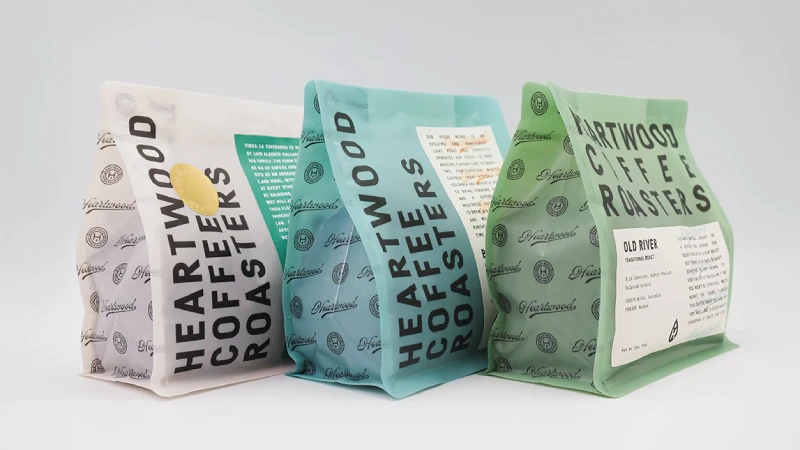
Another reason is aesthetics. Coffee branding has moved toward cleaner, more minimal packaging. Many modern brands prefer softer finishes, simple typography, muted color palettes, and packaging that feels less crowded. Transparent and frosted finishes fit that direction very well. They create a premium, modern look without requiring heavy graphics on every surface of the bag.
This trend is also influenced by the wider premium food and beverage market. Packaging is increasingly expected to do more than protect the product. It must also support storytelling, shelf impact, and digital presentation. A frosted or clear coffee bag photographs well, feels contemporary, and can help a brand stand out in a crowded market where visual style matters almost as much as technical performance.
What EVOH Adds to Transparent Coffee Packaging
In the past, one of the main concerns about clear coffee packaging was protection. Standard transparent structures can look attractive, but coffee is sensitive to oxygen, moisture, and light. Without the right material structure, visible packaging may not provide the freshness protection needed for roasted beans.
This is where EVOH becomes important. EVOH, or ethylene vinyl alcohol, is used in flexible packaging as a high-barrier material layer. Its main value lies in its oxygen barrier performance. When incorporated into a multilayer coffee bag structure, EVOH helps improve freshness retention compared with lower-barrier clear materials.
For coffee brands, this creates a more practical middle ground. Instead of choosing between strong barrier foil and visually open packaging, they can consider a solution that provides a clearer appearance while still offering meaningful protection. That is one reason EVOH coffee bags are gaining attention. They make transparent-style packaging more commercially usable.
Of course, EVOH does not mean every clear bag performs the same. Material structure, thickness, sealing quality, valve design, zipper performance, and storage conditions all affect the final result. But the presence of EVOH helps explain why transparent and frosted coffee packaging is no longer treated as just a niche style choice. It has become a more realistic option for coffee packaging programs that need both branding value and functional performance.
Clear, Transparent, and Frosted: What Is the Difference?
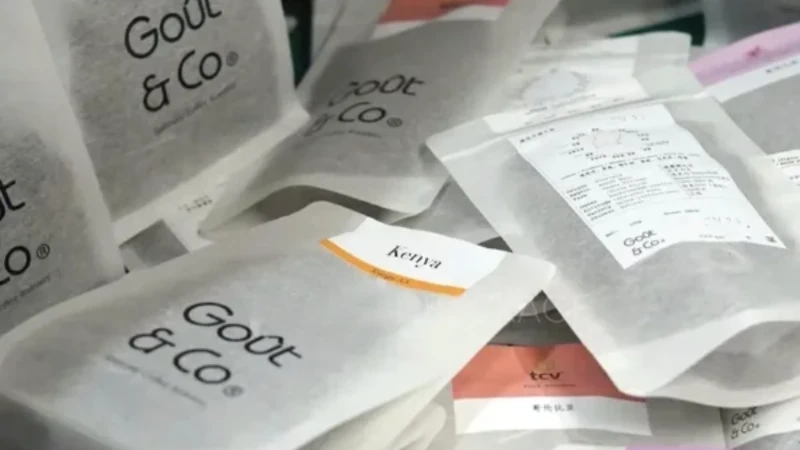
Although these terms are often used together, they do not describe exactly the same visual effect.
Transparent or fully clear coffee bags offer the highest level of visibility. They make the product easy to see and create a direct, open presentation. This style works especially well when the beans themselves are part of the appeal. It can also be effective for product lines that want a natural, simple, and trustworthy feel.
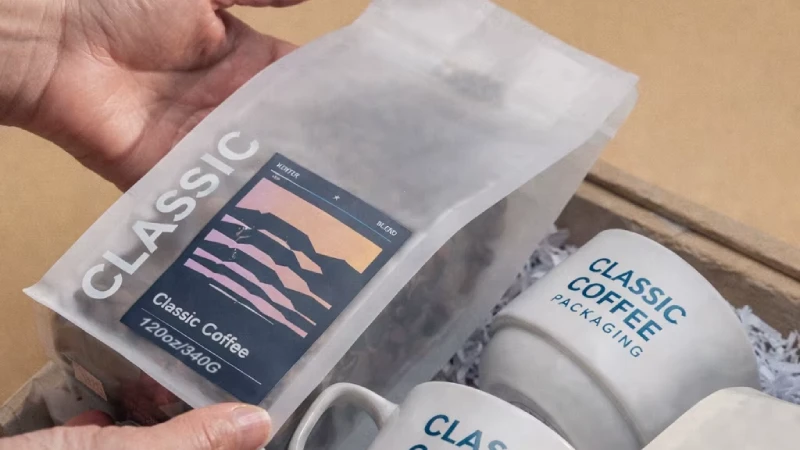
Frosted coffee bags take a softer approach. Instead of full clarity, they create a semi-transparent appearance with a diffused finish. The product may still be partially visible, but the overall look is more refined and understated. Many coffee brands prefer frosted finishes because they balance product visibility with a stronger premium feel. They often look less exposed than fully transparent bags and support more elegant visual branding.
Clear and frosted options are not only visual decisions. They also affect how the package is perceived by the customer. Clear bags feel direct and product-focused. Frosted bags feel more curated and design-led. If your goal is to emphasize the coffee itself, transparent coffee bags may be the better fit. If you want a softer, more upscale presentation, frosted bags may align better with your brand style.
Why These Bags Fit Specialty Coffee So Well
Specialty coffee brands are often more willing to experiment with packaging because their buyers notice details. Roast profile, origin, processing method, freshness, and visual identity all matter more in this segment. Packaging therefore becomes part of the value proposition, not just a shipping container.
Transparent and frosted EVOH coffee bags work well in this environment because they support both premium branding and product differentiation. A roaster launching a microlot, seasonal release, or limited-edition blend may want packaging that feels more exclusive and visually memorable. A frosted finish can create that impression immediately. A transparent section can also help make the coffee feel more tangible and real.
These bags are also useful in retail environments where first impressions happen quickly. On crowded shelves, minimalist packaging can sometimes stand out more than loud packaging. A well-designed frosted coffee bag with restrained printing can feel modern, confident, and premium without looking overly commercial.
Online selling is another factor. Product photography plays a major role in coffee marketing, especially for direct-to-consumer brands. Transparent and frosted bags often perform well in images because they show texture, depth, and subtle visual contrast. That makes them appealing not only in stores, but also on ecommerce pages and social media.
The Performance Question: Are They Good Enough?
Even with EVOH, transparent-style coffee packaging must be chosen carefully. Coffee is still sensitive to environmental exposure, and visibility always involves trade-offs.
The biggest concern is light. While EVOH can help with oxygen barrier performance, transparent and frosted materials do not block light in the same way as full foil structures. That means brands need to think realistically about product shelf life, storage conditions, and sales channels. For products that move quickly, are sold in controlled retail settings, or are part of short-run specialty launches, this may be completely acceptable. For long storage periods or harsher distribution conditions, a traditional high-barrier opaque bag may still be the safer choice.
That does not mean transparent packaging is weak. It means the packaging decision should match the business model. A coffee brand with fast turnover and strong shelf presentation goals may gain more from transparent or frosted EVOH bags than from standard foil bags. A brand shipping internationally with long lead times may prioritize maximum barrier performance first.
In many cases, the best solution is not an either-or decision, but a product-line decision. Some brands use clear or frosted EVOH bags for selected SKUs, gift sets, seasonal products, or premium collections, while keeping foil structures for core items with longer shelf demands.
Why This Trend Will Keep Growing
Transparent, clear, and frosted EVOH coffee bags are trending because they reflect what many modern coffee brands now want from packaging. They want protection, but they also want visibility. They want function, but they also want design flexibility. They want packaging that feels fresh, modern, and aligned with premium consumer expectations.
As coffee brands continue to focus on product storytelling, shelf appeal, and cleaner visual identity, this packaging direction is likely to keep growing. It gives roasters and private label brands more ways to differentiate without abandoning practical performance. That is why transparent and frosted coffee packaging is no longer just a style trend. It is becoming a serious packaging format for brands that understand how to use it well.
If your business is developing a new coffee line or updating an existing one, this is a good time to compare options and evaluate how presentation, barrier needs, and brand positioning work together. For brands that want higher product visibility, transparent coffee bags can create a more open and product-centered look. For those aiming at a softer and more premium visual effect, frosted bags offer a strong alternative.