High-barrier paper can serve as a strong alternative to plastic for dry food and coffee packaging. You now see more brands choose sustainable packaging because consumers want products that are better for the planet. According to Bain & Company, half of all shoppers now include sustainability among their top purchase factors. Packaging matters even more as e-commerce and food delivery grow. BN PACK leads the way with innovative solutions that support your brand’s commitment to the environment.
Key Takeaways
High-barrier paper protects food from oxygen, moisture, and light, keeping it fresh and safe.
Choosing high-barrier paper supports sustainability by being biodegradable and recyclable, reducing environmental impact.
High-barrier packaging offers strong protection and can match or improve upon the performance of plastic packaging.
Brands using high-barrier paper can enhance customer trust by aligning with eco-friendly values and providing quality packaging.
Innovations in barrier coatings make high-barrier paper even more effective and environmentally friendly.
High-Barrier Paper: Definition and Properties
What Makes High-Barrier Paper Unique
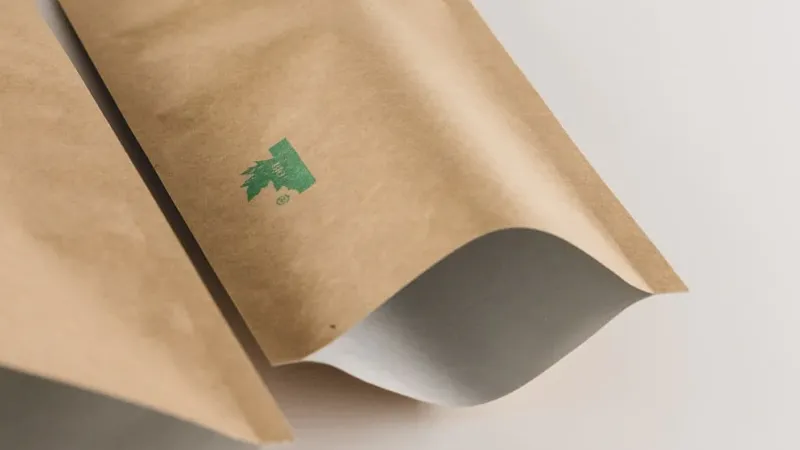
You want your food and coffee to stay fresh and safe. High-barrier paper helps you achieve this goal. This material stands out because it protects products from oxygen, moisture, and light. These barriers keep food from spoiling and help coffee keep its flavor and aroma. You also get protection from dust and germs, which means your food stays clean and safe to eat.
Tip: High-barrier paper uses special coatings or layers to block out things that can harm your food.
Here are the main features that make high-barrier paper different:
Oxygen barrier: Stops air from getting in and keeps food from going stale.
Moisture barrier: Blocks water and humidity, so snacks do not get soggy.
Light barrier: Shields products from sunlight, which can damage taste and color.
Contaminant barrier: Keeps out dust and germs for extra safety.
How High-Barrier Paper Is Manufactured
You might wonder how high-barrier paper is made. Manufacturers use advanced technology to add special coatings or layers to the paper. These layers give the paper its strong barrier properties. The process can include adding plant-based coatings, thin films, or even a mix of materials. Each type of barrier works best for different products.
Here is a table that shows the types of barriers and where you might see them:
Barrier Type | Description | Applications |
|---|---|---|
Medium Barrier | High sealability and medium water vapor protection. | Industrial, eCommerce, personal care |
High Barrier | Medium oxygen and water vapor barrier, high grease and mineral oil barrier. | Frozen foods, chocolates |
Very High Barrier | Excellent protection from water vapor and oxygen, ensuring long shelf life. | Coffee, cereals, confectionery |
You can see that high-barrier paper is a smart choice for packaging when you want to keep food fresh and safe.
High-Barrier Packaging vs. Plastic
Protection and Shelf Life
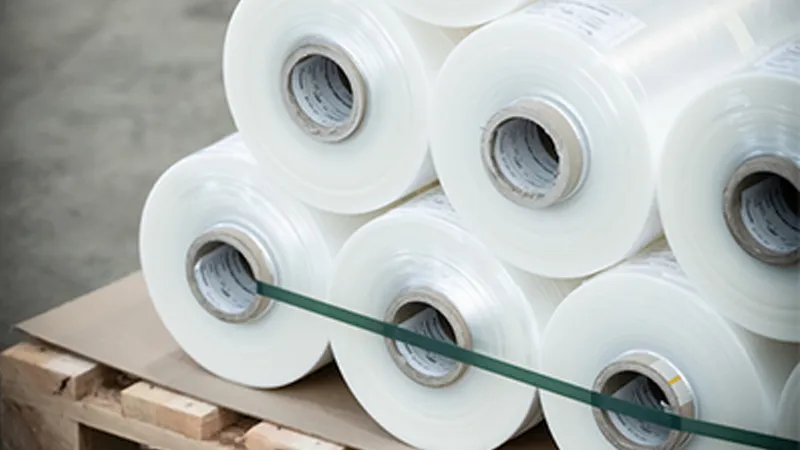
You want your food and coffee to stay fresh for as long as possible. High-barrier packaging helps you reach this goal by blocking out oxygen, moisture, and light. These barriers stop your dry foods from going stale and keep your coffee beans full of flavor. Plastic packaging also protects food well, but high-barrier packaging uses advanced coatings and layers to match or even improve on this protection.
You need to think about what your product needs. Some foods are sensitive to moisture. Others lose quality when exposed to air. High-barrier packaging gives you the right level of defense for each product. For example, coffee needs to keep its aroma locked in. High-barrier packaging with special valves and layers can do this job. You also see this type of packaging used for cereals, snacks, and dried fruits.
Here is a quick comparison:
Feature | High-Barrier Packaging | Plastic Packaging |
|---|---|---|
Oxygen Protection | Excellent | Excellent |
Moisture Barrier | Excellent | Excellent |
Aroma Retention | Very Good | Good |
Light Protection | Very Good | Good |
Shelf Life Extension | Yes | Yes |
Eco-Friendliness | High | Low |
You see that high-barrier packaging gives you strong protection and helps your products last longer. You also get the added benefit of using materials that are better for the environment.
Consumer Experience
You care about how easy it is to use and handle packaging. High-barrier packaging made from paper feels familiar in your hands. You know how to open, close, and recycle it. Many people like the look and feel of paper packaging because it feels natural and safe.
When you choose packaging, you often think about price and product quality first. You want your food to taste good and stay fresh. Even though you care about the environment, you may not always put packaging at the top of your list. Still, you notice when packaging is easy to recycle or compost. High-barrier packaging gives you this option, which makes you feel good about your choice.
Here are some things you might consider when picking between high-barrier packaging and plastic:
You want packaging that keeps food fresh and safe.
You look for packaging that is easy to recycle.
You like packaging that feels good and looks nice.
You care about the impact on the environment.
You want to know that your coffee or snacks will last a long time.
You may notice that paper packaging can be heavier and take up more space than plastic. This can mean more energy used in transport. Many people still choose high-barrier packaging because they know how to recycle it and want to help the planet.
Note: You can find high-barrier packaging in many forms, such as flexible packaging for coffee, snacks, and dry foods. This type of packaging gives you the best mix of protection, convenience, and sustainability.
Sustainability of High-Barrier Paper
Environmental Impact
You want to know how your packaging choices affect the planet. High-barrier paper stands out as a sustainable packaging option. When you use this material, you help reduce waste and support resource conservation. Here are some important points to consider:
Paper packaging is biodegradable and recyclable. This means it breaks down naturally and can be used again.
High-barrier paper production uses energy, water, and chemicals. Responsible sourcing helps protect forests and nature.
Plastic packaging does not break down. It stays in the environment for a long time and adds to pollution.
Plastic relies on petroleum, which increases greenhouse gas emissions.
Studies show that paperboard packaging can have much lower fossil emissions than plastic. In some cases, plastic packaging creates 2.5 to 95 times more fossil emissions than paperboard. When you switch from plastic to paperboard, you can almost remove the carbon footprint of your packaging. This makes high-barrier paper a smart choice for the environment.
Research also shows that paper-based packaging is seen as more eco-friendly. It has a much smaller impact on the planet compared to plastic, especially when you recycle it the right way.
Recyclability and Compostability
You want packaging that is easy to recycle and safe for the earth. High-barrier paper gives you both. You can put most high-barrier paper in your recycling bin. Many cities accept this type of packaging because it is recyclable. Some types can even break down in compost, turning into soil instead of waste.
Flexible packaging made from high-barrier paper often uses plant-based coatings. These coatings help keep food fresh and still let you recycle the packaging. When you choose recyclable packaging, you help save resources and keep trash out of landfills.
Tip: Always check your local recycling rules. Some areas have special guidelines for flexible packaging.
You make a big difference when you pick packaging that is recyclable and compostable. You help protect the planet for future generations.
Real-World Applications: Dry Food and Coffee Packaging
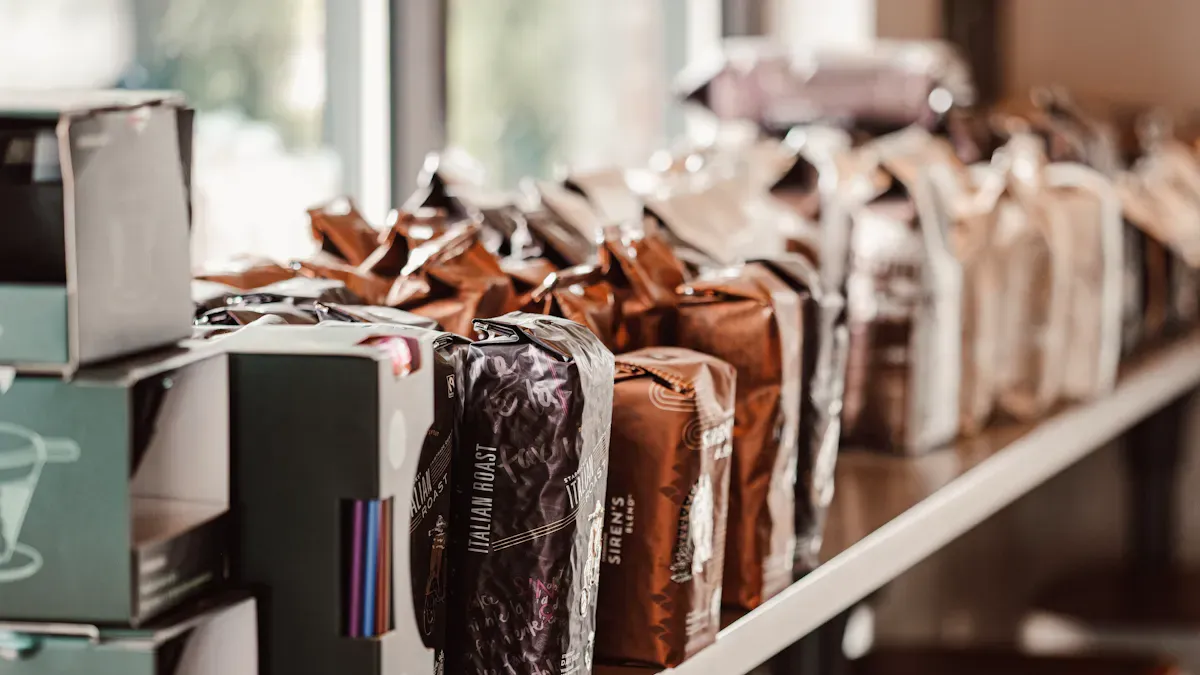
BN PACK Coffee Bag Solutions
You want your coffee to stay fresh and taste great. High-barrier packaging helps you reach this goal. BN PACK offers coffee bags that use high-barrier paper to protect your beans from air, moisture, and light. You can choose from different bag styles, such as stand-up pouches, flat-bottom bags, and side gusset bags. Each style gives you a strong seal and keeps your coffee safe.
You see that BN PACK’s coffee bags use natural kraft paper and other high-barrier materials. These bags lock in aroma and flavor. You can also pick bags with resealable zippers and one-way degassing valves. These features help you open and close the bag many times without losing freshness. You may notice that some bags have transparent windows. This lets you see the coffee beans inside. Many customers like this because it shows the quality and freshness of the product. You feel more confident when you can see what you are buying.
You also care about the environment. BN PACK gives you options for recyclable and compostable materials. You can choose packaging that matches your brand values and helps the planet. Many brands now use eco-friendly materials because more people want sustainable packaging. You can trust that BN PACK’s coffee bags meet international safety and sustainability standards.
Here are some reasons why you might choose BN PACK’s high-barrier packaging for your coffee:
You want to keep coffee fresh for a long time.
You like packaging that is easy to open and close.
You prefer bags that let you see the coffee beans.
You care about using recyclable and compostable materials.
You want clear labeling and ethical practices.
You can find BN PACK coffee bags in many sizes, from small sample packs to large 1kg pouches. You can also customize the design, finish, and printing to match your brand. Many customers say that clear labeling and ethical practices make them loyal to a brand. You can build trust with your customers by choosing the right packaging.
Industry Examples and Case Studies
You see high-barrier packaging used by many leading brands in the food packaging industry. Companies want to protect their products and show their commitment to the environment. You can look at these examples to understand how high-barrier paper works in real life.
Starbucks uses high-barrier paper for some of its coffee products. You see their packaging keeps coffee fresh and looks attractive on the shelf.
Lavazza, a well-known coffee brand, also uses high-barrier paper packaging. You notice that their products stay fresh and have a long shelf life.
You find high-barrier packaging in many types of food packaging. Dry foods like cereals, snacks, and dried fruits often use this type of packaging. You see that brands choose high-barrier paper because it protects food from air and moisture. This helps keep food safe and tasty.
You may notice that brands now use clear, frosted, and EVOH materials in their packaging. These materials give you a good view of the product and help keep it fresh. You also see a growing demand for packaging that is easy to use. Many brands add features like tear notches and resealable zippers. You find these features in BN PACK’s coffee bags and other food packaging solutions.
Here is a table that shows how high-barrier packaging helps in different food packaging applications:
Product Type | Packaging Feature | Benefit |
|---|---|---|
Coffee | High-barrier paper, valve | Keeps aroma and flavor |
Cereals | Moisture barrier | Prevents sogginess |
Snacks | Light and oxygen barrier | Maintains crunch and taste |
Dried Fruits | Resealable zipper | Easy to use, stays fresh |
You can see that high-barrier packaging gives you many benefits. You get longer shelf life, better product quality, and a positive experience for your customers. You also help the planet by choosing recyclable and eco-friendly options.
Tip: When you pick high-barrier packaging for your food products, you show your customers that you care about quality and the environment.
Challenges and Innovations in High-Barrier Packaging
Cost and Performance Factors
You may notice that high-barrier packaging offers many environmental benefits, but it also brings some challenges. One main challenge is cost. High-barrier paper often needs more material to match the protection that plastic gives. Studies show that you need about 4.6 times more high-barrier paper to get the same effect as plastic. This means you might spend more on materials and shipping.
Performance is another important factor. You want your packaging to keep food safe during storage and transport. Here is a table that compares high-barrier paper and plastic:
Property | High-Barrier Paper Packaging | Plastic Packaging |
|---|---|---|
Barrier Properties | Limited, permeable to air and moisture | Excellent, impermeable to air and moisture |
Susceptibility to Moisture | High, can absorb water | Low, resists moisture |
Strength and Durability | Limited, can tear | High, strong and durable |
You see that plastic still leads in strength and moisture resistance. High-barrier paper works well for many foods, but you need to consider these limits.
Advances in Barrier Coatings
You benefit from new technology that makes high-barrier packaging better. Companies now use special coatings that improve how paper blocks water, oil, and air. Some new coatings are PFAS-free and plastic-free, making them safer for you and the planet. For example:
Water-based coatings keep out moisture and oil.
Bio-based coatings use plants instead of fossil fuels.
Some coatings work with regular paper machines, so they are easy to use.
These advances help make high-barrier packaging more recyclable and compostable. You can now find packaging that protects food and is easier to recycle.
BN PACK’s Approach to Innovation
You want packaging that is safe, sustainable, and high-performing. BN PACK leads with smart solutions. Here are some of their top innovations:
Innovation Name | Description | Key Features |
|---|---|---|
ReGen | Recyclable coffee bags with mineral-based barriers | Cuts CO2 by 40%, recyclable curbside |
DualGuard Coffee Bag | Patented dual zipper and one-way valve for freshness | Airtight, extends shelf life by 30% |
EcoLock | Compostable bags with biodegradable PLA valves | Breaks down in 12 weeks, certified compostable |
HempGuard | Hemp-based, uses less water | 50% less water than cotton-based materials |
Bio-based Coatings | Uses plant-based coatings instead of fossil fuels | Sustainable, supports recycling |
You also want to trust that your packaging meets safety rules. BN PACK holds certifications like FSC, FDA, and TÜV Rheinland. These show that your packaging is safe, responsibly sourced, and meets world standards. BN PACK uses PFAS-free materials to protect your health. You can feel confident that your packaging is both safe and eco-friendly.
Tip: Government rules now push for less plastic and more recyclable options. BN PACK stays ahead by meeting these rules and offering packaging that fits your needs.
You see that high-barrier paper can effectively replace plastic in dry food and coffee packaging. Modern coatings and barrier technology let you match plastic’s strength and moisture resistance. When you choose paper, you support sustainability, meet regulations, and build brand loyalty.
You align with consumer demand for eco-friendly packaging.
You gain branding and customization options.
You help reduce environmental impact.
BN PACK leads with advanced, recyclable, and compostable solutions. Future innovations will bring even better fiber content, barrier protection, and recyclability to your packaging choices.
Feature | Benefit |
|---|---|
High Fiber Content | Boosts sustainability and recyclability |
Barrier Protection | Preserves aroma and product quality |
Curbside Recyclability | Meets consumer demand for easy recycling |
FAQ
What is high-barrier paper packaging?
High-barrier paper packaging uses special coatings or layers. You get strong protection from air, moisture, and light. This helps keep your food and coffee fresh for longer.
Can you recycle high-barrier paper packaging?
You can recycle most high-barrier paper packaging. Always check your local recycling rules. Some coatings make recycling easier. You help the planet when you recycle your packaging.
How does high-barrier paper keep coffee fresh?
High-barrier paper blocks air, moisture, and light. You keep coffee beans fresh and full of flavor. Many bags also have one-way valves. These let gas out but keep air from getting in.
Is high-barrier paper packaging safe for food?
Yes, high-barrier paper packaging is safe for food. You get packaging made from food-grade materials. BN PACK meets international safety standards. You can trust your food stays protected.
Why should you choose BN PACK for coffee packaging?
You get custom options, eco-friendly materials, and strong protection. BN PACK offers resealable zippers, clear windows, and compostable choices. You can match your brand and help the environment.