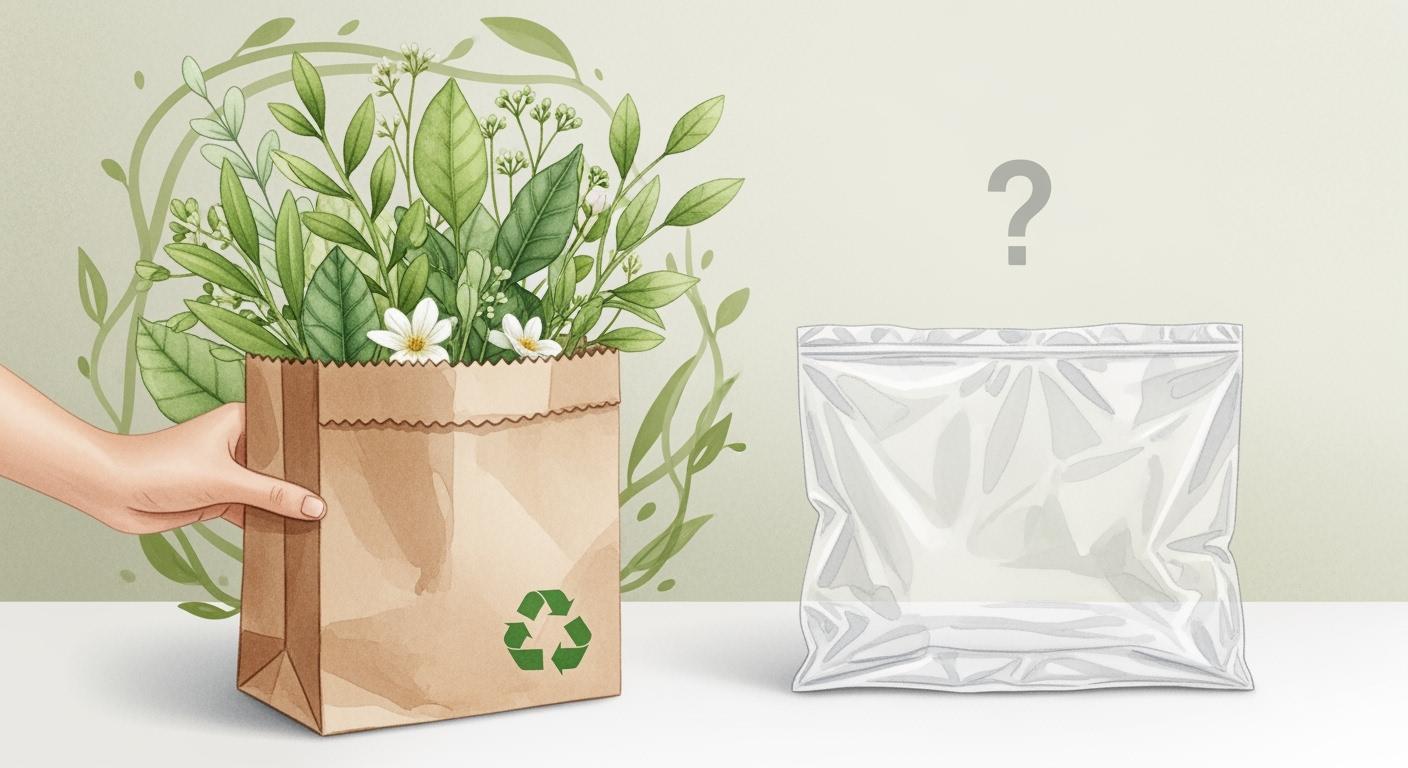
You may think paper-based packaging is always good for the planet. But the truth is not so simple. Many people pick these bags because they look green. They also make people want to buy more. But studies show making a paper bag uses much more energy than plastic. It also causes more air and water pollution. Here are some facts:
Aspect | Impact |
|---|---|
Resource Use | Paper-based packaging uses four times more energy than plastic. |
Pollution | They cause 70% more air and 50% more water pollution than plastic. |
CO₂ Emissions | They make 3-6 times more CO₂ than other green choices. |
Recycling Issues | It is hard to recycle them with food or coatings. |
Landfill Breakdown | They break down slowly in landfills, especially with coatings. |
Think about the real pros and cons before you switch to these bags.
Why Choose Paper-Based Packaging?
Renewable Materials and Sustainability
You want packaging that helps the planet. Paper-based packaging uses things like wood pulp and plant fiber. These materials come from plants and trees. They can grow back after being used. Plastic comes from fossil fuels, which do not grow back. Paper-based packaging uses materials that are better for the earth. This makes it a good choice for the planet.
Here is a quick look at how paper and plastic compare:
Feature | Plastic Packaging | Paper Packaging |
|---|---|---|
Material Origin | Fossil fuel-based | Wood pulp, plant fiber pulp |
Environmental Impact | High, low recycling rate | Biodegradable, higher recycling rates |
Consumer Perception | Negative | Positive, eco-friendly |
Studies show paper-based packaging often hurts the environment less. It breaks down faster than plastic. It is easier to recycle. When you pick sustainable packaging, you help keep the world clean.
Consumer Perception and Market Trends
You care about what your customers think. Many people see paper-based packaging as a sign of a good brand. This makes people feel better about your products. It matches what customers want in green products. Using sustainable packaging shows you care about the planet.
Brands choose paper-based packaging because:
Customers want eco-friendly options.
It makes your brand look modern and caring.
It keeps food safe and fresh.
It avoids health risks from plastic toxins.
It can save money by avoiding plastic bans.
These packaging features make people want to buy more. People are more likely to buy from you if you use eco-friendly materials. You meet what customers expect and build trust.
Reducing Plastic Use with BN PACK Solutions
You can use less plastic with BN PACK’s paper-based packaging. BN PACK has Kraft Paper Pouches made from FSC-certified paper and PLA liners. These pouches can be composted at home. They have a 40% lower carbon footprint than regular plastic bags. They work for snacks, coffee, and other uses. They help you reach your sustainability goals.
BN PACK’s custom solutions help you meet customer needs for eco-friendly packaging. You can pick biodegradable PLA pouches that fit your needs. This makes your brand stand out and makes people want to buy from you.
Complexities of Sustainable Paper-Based Packaging
You might think using sustainable paper-based packaging is easy. But there are many things to think about. You have to know how coatings, layers, and recycling systems change the impact on the earth.
Laminates and Barrier Coatings
Packaging needs to keep food safe and fresh. To do this, companies put special coatings or laminates on the paper. These layers stop water, air, and grease from getting in. They help protect snacks, coffee, and other foods. Some common coatings are:
Polyethylene (a kind of plastic)
Ethylene vinyl alcohol (EVOH)
Polypropylene
These coatings make the packaging strong. They keep out moisture. They also stop oils and smells from leaking out. Some new papers, like Koehler NexPlus Advanced, use special layers. These layers block oxygen and grease. You can recycle these papers with regular paper. This helps the environment.
Not all coatings are the same. Some coatings make recycling harder. Others are made to be better for the earth. When you pick sustainable paper-based packaging, check what coating is used.
Multi-Layer Structures in Rice Paper Bags
Rice paper bags may look simple. But they often have many layers. Each layer does something important. The outside layer looks and feels natural. The inside layers keep the food safe. BN PACK’s Rice Paper Bag is a good example of this design.
Here is a table that shows how BN PACK’s Rice Paper Bag works:
Feature | Description |
|---|---|
Material | Eco-conscious recyclable rice paper stand up pouches |
Sustainability | Designed for sustainability without compromising quality |
Barrier Layers | Robust barrier layers that preserve product freshness and minimize impact |
Recyclability | Options for recyclable structures available upon request |
Your products get strong protection. You also help the planet. When you use paper-based packaging with many layers, you keep food safe and help the earth.
Recyclability and Compostability Challenges
You may want to recycle or compost your packaging. But this is not always easy with paper-based packaging. Many bags have plastic coatings or use different materials. These things make recycling harder. Here are some problems you might see:
It is hard to take coatings off the paper when recycling.
Plastic coatings can mess up recycled paper.
Composting centers may not take bags with plastic layers.
Polyethylene coatings do not break down and can block machines.
Composting places may have trouble with lots of coated paper.
You should check if your local recycling can handle these bags. Some new paper-based packaging is easier to recycle. Others need special composting centers. Always ask your supplier how to throw away your packaging the right way.
You help the planet when you pick the right packaging. You also show your customers you care about recycling and the earth.
Are Kraft Paper Bags Eco-Friendly?
Mono vs Laminated Kraft Paper Bags
You can find many kinds of kraft paper bags in stores. Some bags have just one paper layer. Others have extra layers like plastic or foil. These layers help keep food fresh. The type of bag matters for the earth. Mono kraft paper bags use only paper. You can recycle or compost them without trouble. Laminated kraft paper bags have plastic or foil inside. These layers make recycling much harder. They also hurt the environment more.
Here is a simple table to compare the bags:
Type of Bag | Recyclability | Environmental Impact |
|---|---|---|
Mono Kraft Paper Bags | Easily recyclable and compostable | Lower environmental impact |
Laminated Kraft Paper Bags | Complicated recycling process | Higher environmental impact due to plastic/foil layers |
If you want to help the earth, pick mono kraft paper bags. They match the goals of paper-based packaging.
Recycling Infrastructure in the US and EU
It is important to know how recycling works where you live. In the US and EU, most cities take clean mono kraft paper bags in recycling bins. Laminated bags usually end up in landfills. This is because recycling centers cannot split the layers. Some places have special programs for coated bags, but these are not common. Always check your local rules before recycling bags.
Tip: Take out any food or grease before recycling kraft paper bags. Clean bags are more likely to get recycled.
BN PACK Kraft Paper Bag Advantages
When you choose BN PACK kraft paper bags, you get more than just a bag. You pick eco-friendly material made from things that break down. These bags keep water out, so your products stay dry. They are strong and protect your items during shipping. You also save money because these bags cost less. You can add your logo or design to the bags. The natural look is nice for people who care about the earth.
BN PACK kraft paper bags often have certifications like FSC or PEFC. These show the paper comes from forests that are managed well. Compostable certifications mean the bags break down in compost, not in landfills.
Certification | Description |
|---|---|
FSC | Shows that paper bags come from well-managed forests. |
PEFC | Makes sure forests are managed in a good way. |
Compostable | Means the bags break down in compost and make less landfill waste. |
You help the planet and make recycling easier when you use BN PACK kraft paper bags. This is good for your brand and the earth.
Paper-Based Packaging vs Plastic: Carbon Footprint
Production Energy and Water Use
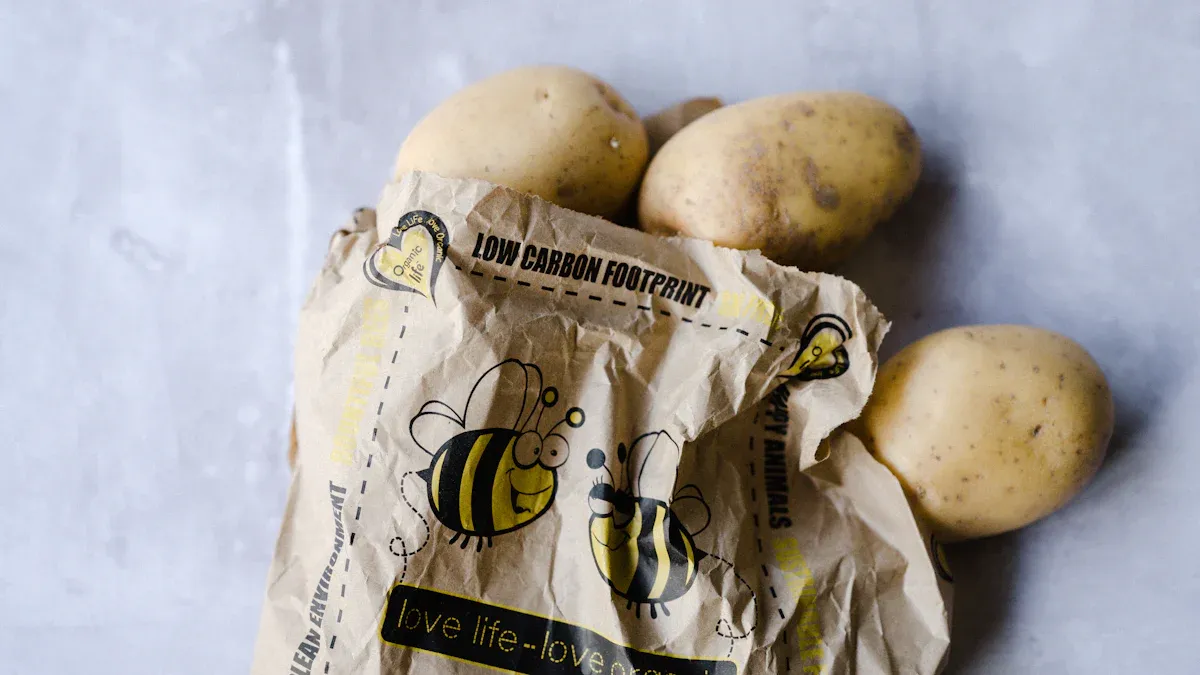
Some people think paper-based packaging is always better for the earth. But it is not that simple. Making paper bags uses a lot more energy and water than making plastic bags. The numbers show a big difference between them.
Making one paper bag makes about 5.52 kg of CO2. A single-use plastic bag makes only 1.58 kg of CO2.
The paper industry in the United States gives off 150 million tons of CO2 every year.
It takes four times more energy to make a paper bag than a plastic bag.
Making 1,000 paper bags uses 3.4 times more energy than making 1,000 plastic bags.
Paper packaging uses over 25 times more water than plastic packaging.
Making paper products makes 3.5 times more greenhouse gases than making plastic packaging.
Paper packaging creates seven times more solid waste than plastic.
Here is a table to help you compare:
Packaging Type | Energy Use (relative) | Water Use (relative) | Greenhouse Gas Emissions (relative) | Solid Waste (relative) |
|---|---|---|---|---|
Paper Packaging | 3.4 times more | 25 times more | 3.5 times more | 7 times more |
Plastic Packaging | 1 | 1 | 1 | 1 |
When you pick packaging, you should look at these facts. Using lots of energy and water can hurt the planet. You want to use less and still reach your goals for sales and recycling.
Transport and Weight Considerations
You might not think about how heavy packaging is, but it matters. Paper and cardboard weigh much more than plastic. This means trucks need more fuel to move them. For the same number of bags, you need seven trucks for paper, but only one for plastic. More trucks mean more pollution and higher costs.
Plastic packaging is lighter and thinner. This makes it easier to store and move. You save space and money. You also make less pollution. If you use paper-based packaging, you need to plan for more emissions.
Recycling paper more often can help lower some of these problems. You should always try to recycle to help the earth and your business.
Lifecycle Analysis
You want to know which packaging is best for the earth. Lifecycle analysis looks at every step, from making the bag to throwing it away. Studies show plastic packaging often has a lower carbon footprint than paper-based packaging. Plastic uses less material to do the same job. This means less waste and fewer emissions.
When you put paper in a landfill, it makes less carbon than if you burn it or compost it. Composting paper sends some carbon back into the air. Recycling helps lower the impact of both paper and plastic. You should always recycle when you can.
Here are some key points to remember:
Plastic packaging usually has a lower carbon footprint than paper-based options.
Paper-based packaging needs more material to work as well as plastic.
Recycling is important for both types of packaging.
Your choice affects the planet and your brand’s sales.
You can make people want to buy from you by showing you care about recycling and the earth. Picking the right packaging helps the planet and makes your brand stronger.
Tip: Always check if your packaging can be recycled where you live. This helps you lower your carbon footprint and reach your green goals.
When Paper-Based Packaging Works Best
Ideal Use Cases for Kraft and Biodegradable Bags
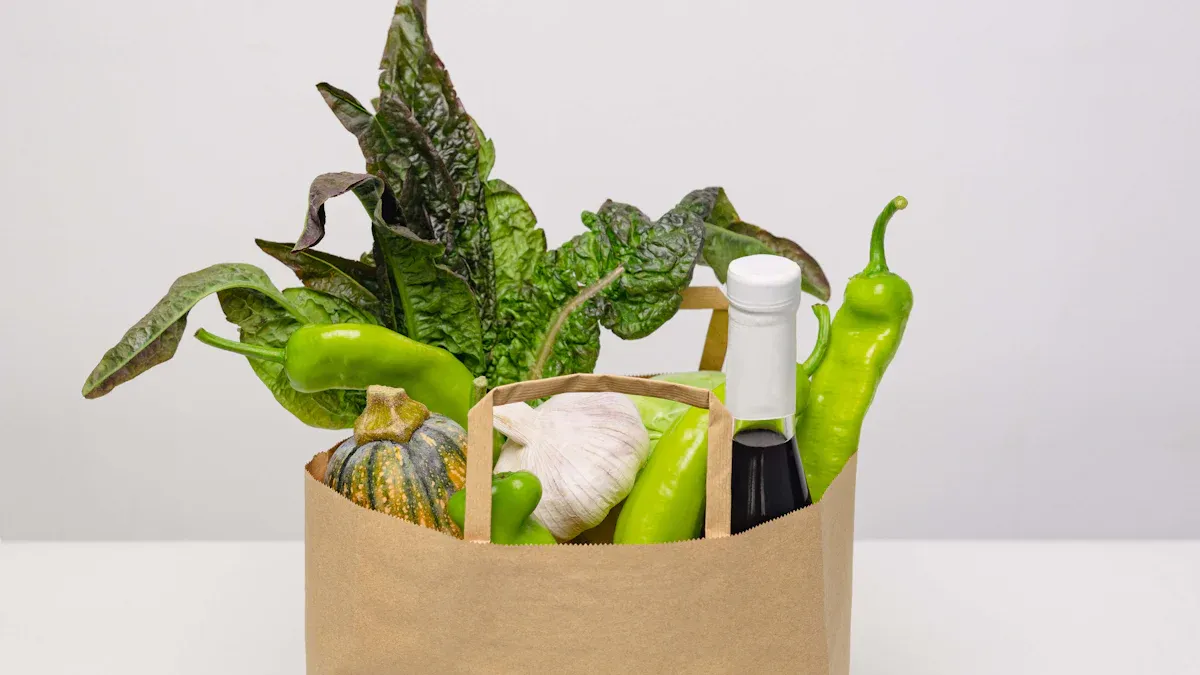
You might wonder when kraft and biodegradable bags are best. These bags are good for many daily uses. You can use them for groceries, shopping, or takeout food. Many stores pick kraft paper bags because they are strong. You can print your logo on them. This makes your brand look caring and green. Customers see this and want to buy more.
Here are some reasons why kraft and biodegradable bags are special:
You can add your logo, which helps your brand and makes people want to buy.
They break down and can be recycled, so you help the earth every time you use them.
The wood pulp comes from forests that are taken care of, so they are a renewable choice.
Making these bags uses less energy and makes less pollution.
Kraft paper bags can hold more weight than plastic bags and lower the chance of suffocation.
More stores use these bags to show they care about the planet. This often makes eco-friendly shoppers want to buy more.
Low Barrier Needs and Product Suitability
You should use paper-based packaging for things that do not need strong protection from air or water. These bags are good for many items you use every day. Here is a table to show which products fit best:
Product Type | Benefits of Low-Barrier Paper-Based Packaging |
|---|---|
Food and Beverage | Keeps food fresh, cuts waste, helps food last longer |
Pharmaceuticals | Keeps medicine safe and stable, protects people |
Cosmetics | Keeps products good, makes customers happy |
General Packaging | Uses less material, helps the earth, supports green choices |
You can use these bags for dry foods, bread, fruits, or small gifts. When you pick the right packaging for your product, you help the planet and make people want to buy. Customers like brands that make smart and green choices.
When Paper-Based Packaging Falls Short
High Barrier Needs: Coffee, Snacks, Pet Food
You want your products to stay fresh and safe. Some items, like coffee, snacks, and pet food, need strong protection from air, moisture, and light. Paper-based packaging does not always give enough of this protection. You may see food lose its taste or crunch if air gets inside. Moisture can make snacks soggy. Pet food can spoil faster without a good barrier.
Plastic packaging works better for these products. It keeps out air and water. It also blocks smells and keeps food safe. When you use plastic, you help your products last longer on the shelf. This can increase purchase intent because customers trust that your food stays fresh. If you use paper-based packaging for these items, you may see less purchase intent. People want to buy products that look and taste good.
Product Quality and Shelf Life
You need packaging that keeps your products in top shape. Paper-based bags work well for some things, but not for all. They do not always keep out moisture or protect against damage. This can lead to food waste and unhappy customers.
Here is a table to show how paper and plastic compare:
Packaging Type | Strengths | Applications |
|---|---|---|
Paper | Biodegradable, good for some uses | Construction, agriculture |
Plastic | Durable, moisture protection, extends shelf life | Food processing, chemical making |
Plastic packaging helps keep food safe from germs and dirt. It also helps food last longer, which means less waste. You want your customers to get the best quality. When food stays fresh, people are more likely to buy again. This boosts purchase intent and helps your brand grow.
Note: If your product needs to stay fresh for a long time, you should think about the type of packaging you use. The right choice can make a big difference for your business.
Beyond Paper: BN PACK’s Sustainable Packaging Solutions
Biodegradable Bags and Compostable Options
You want packaging that helps the earth, not just looks green. BN PACK has biodegradable bags and compostable choices for your business. These bags break down on their own and do not leave bad waste. You can use them for food, coffee, clothes, or pet food. Picking these bags shows customers you care about the planet. This can make people want to buy from you because they trust good brands.
BN PACK’s biodegradable bags have important certifications. These prove the bags follow strict rules for breaking down in compost.
Certification | Focus | Description |
|---|---|---|
BPI Certification | Biodegradation | Products break down in special compost places with no bad leftovers. |
CMA Certification | Real-world composting | Bags break down in many compost places and are tested for real life. |
You can also make these bags special for your brand. You can add your logo or a message to help people remember you. Custom designs make your products easy to spot and can make people want to buy more. Using the same packaging builds trust, especially for delivery and takeout. You can pick the bag style that fits your brand and what you sell.
Innovations in Sustainable Paper-Based Packaging
You want packaging that works well and is good for the planet. BN PACK is a leader in new ideas for green paper-based packaging. You get choices that keep your products safe and help your green goals. BN PACK checks every part of the packaging’s life. This means you get safe, strong, and earth-friendly packaging.
Here is how BN PACK makes sure your packaging is really green:
You look at your packaging now and see if you can use recycled stuff.
You choose suppliers who give you good recycled materials.
You test the packaging to make sure it works and keeps things safe.
You change how you make the packaging to keep it high quality.
You tell your customers about your green choices to make them want to buy.
You can also pick custom printing and designs. This helps your brand stand out and shows what you care about. When you use BN PACK’s solutions, you get packaging that fits your needs and helps the earth.
You should think about every step when picking paper-based packaging. Look at what materials are used and how you use the bags. Think about what happens to them after you finish using them. Make sure to check what suppliers say and try out the packaging in real life. Pay attention to recycling, composting, and what your product needs. If you work with companies like BN PACK, you can make your packaging good for the earth and still useful. Making smart choices helps people trust your brand and can make them want to buy more.