
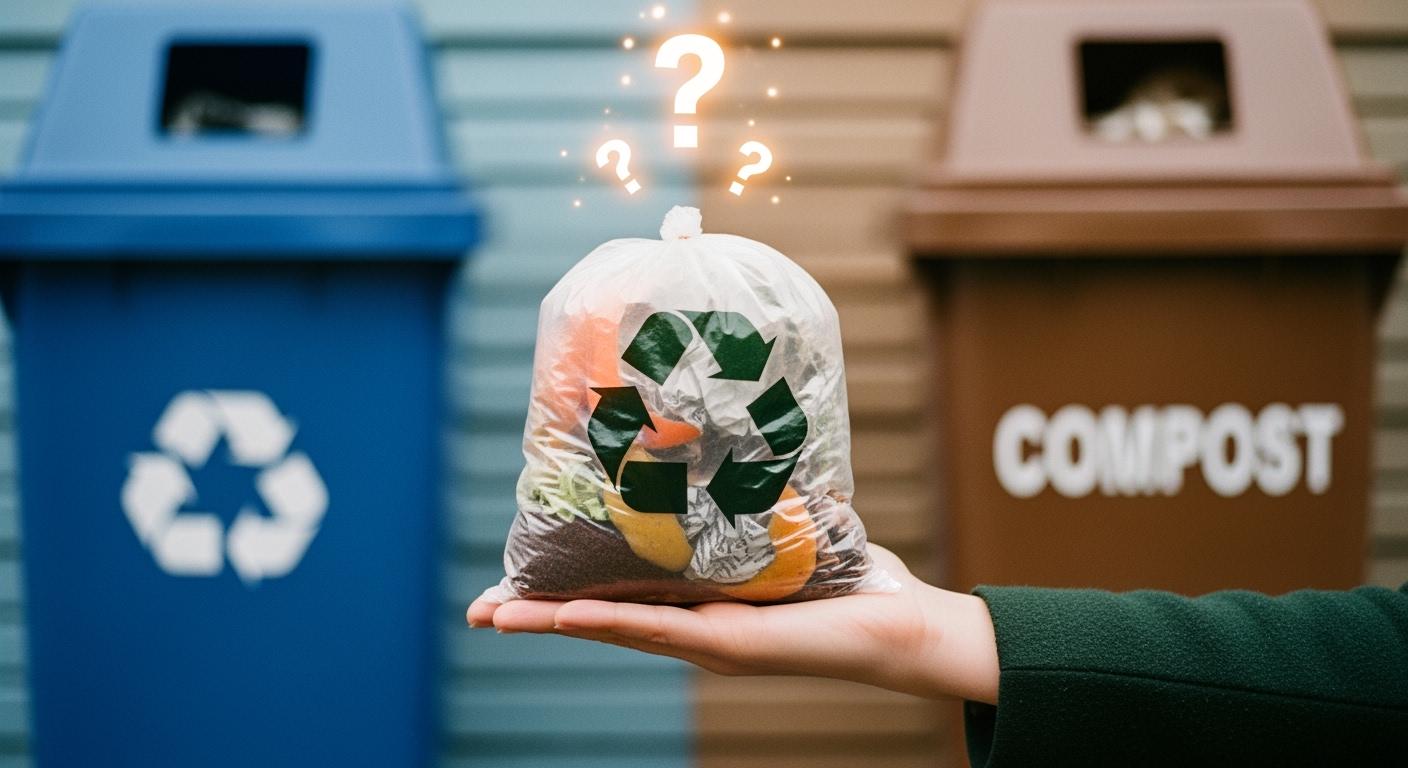
You might wonder about the recycling conundrum surrounding biodegradable packaging and whether it can be recycled with regular recyclables. The answer is no; biodegradable packaging cannot be recycled. Understanding the differences between biodegradable, recyclable, and compostable packaging is crucial for protecting the environment and making informed choices. Here’s a quick comparison:
Packaging Type | Material Composition | End-of-Life Processing |
|---|---|---|
Biodegradable | Made from natural materials | Breaks down on its own in nature |
Recyclable | Made from materials you can reuse | Turned into new products |
Compostable | Made from organic materials | Needs special places to turn into compost |
If biodegradable bags are mixed with recyclables, it can negatively impact the environment. Microplastics and harmful chemicals may leach into nature. Brands must understand these distinctions, as 81% of consumers desire eco-friendly packaging, yet 42% are confused about proper disposal methods. By using biodegradable packaging correctly, you contribute positively to environmental conservation.
The Recycling Conundrum Explained
Are Biodegradable Bags Recyclable?
There are many kinds of packaging. Some are called biodegradable, recyclable, or compostable. This makes the recycling conundrum hard to understand. You cannot put biodegradable packaging with recyclable packaging. Biodegradable bags do not go in the recycling bin. They break down in a different way than recyclable packaging. If you mix them together, you can ruin the whole batch. This means new products cannot be made from the recycled materials. Even a little bit of biodegradable packaging can spoil a lot of recyclable packaging.
Why Recycling Biodegradable Bags Fails
The recycling conundrum happens because biodegradable and recyclable packaging are made differently. Sorting machines at recycling centers cannot always tell them apart. Compostable and biodegradable bags look like recyclable packaging. But they act differently when recycled. Mixing compostable or biodegradable bags with recyclable packaging causes problems:
Compostable bags break down at lower temperatures than recyclable plastics. This makes recycled materials weaker.
Gases can form bubbles and weak spots in recycled products.
Sticky stuff from biodegradable packaging can block recycling machines.
Mixing the wrong bags makes new recyclable packaging less strong.
Contaminants from biodegradable bags can ruin a whole batch.
This is why the recycling conundrum is a big problem for recycling centers. Compostable and biodegradable packaging cannot be recycled with regular recyclable packaging. They need special handling to keep the recycling process safe and protect the environment.
Tip: Always read the label on your packaging. If it says biodegradable or compostable, do not put it in the recycling bin.
BN PACK’s Approach to the Recycling Challenge
BN PACK knows about the recycling conundrum and wants to help you. The company uses its skills to make packaging that works for you and the planet. BN PACK puts clear labels on all packaging. You can see if it is biodegradable, compostable, or recyclable packaging. This helps you sort your packaging the right way and keeps recycling clean.
BN PACK also teaches brands and teams about the recycling conundrum. The company explains that biodegradable bags often end up in landfills if not handled right. Most cities do not have special composting places. So, compostable and biodegradable packaging may not break down as planned. BN PACK wants you to use the right bin for each kind of packaging. The company cares about the planet and wants to make less waste.
Biodegradable bags can confuse people who sort trash and machines.
Even a small amount of biodegradable packaging can ruin a batch of recyclable packaging.
BN PACK’s certified packaging helps you avoid these problems and supports a circular economy.
You can count on BN PACK to help you with the recycling conundrum. The company’s packaging helps you protect the planet and reach your green goals.
Biodegradable vs. Recyclable Packaging
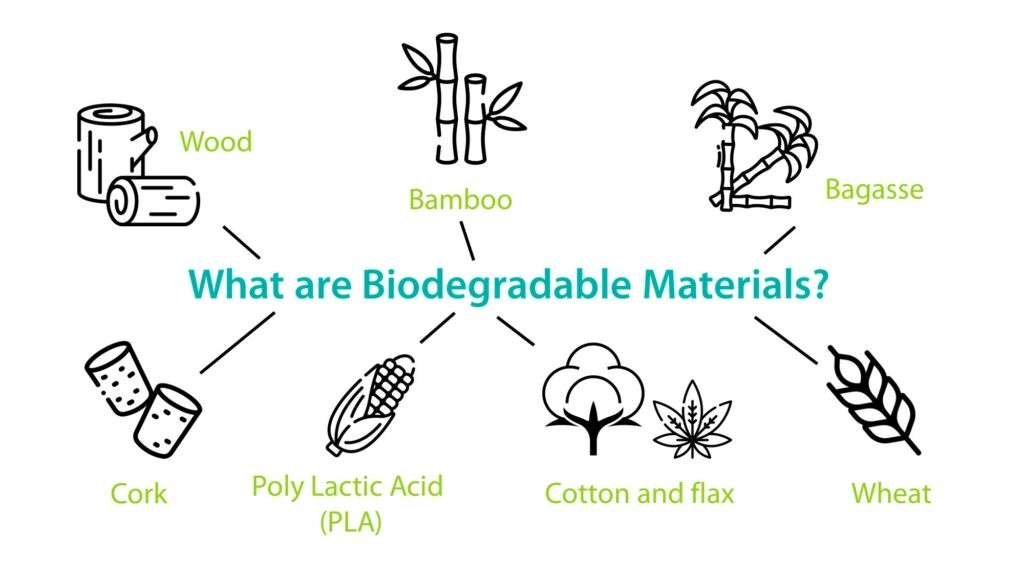
What Makes Packaging Biodegradable?
Many products say they use biodegradable packaging. This means the packaging can break down in nature. Microbes, heat, and moisture help it break down. Not all biodegradable materials are exactly the same. To be called biodegradable, packaging must pass tough tests. Here is a table that shows what makes packaging truly biodegradable:
Criteria | Description |
|---|---|
Characterization | Material must have at least 50% volatile solids. Heavy metal content must meet certain levels. |
Biodegradability | At least 90% of the material must break down in air within 12 months at 25 ± 5°C. |
Disintegration | After 180 days, at least 90% must fit through a 2 mm sieve and look like compost. |
Compost quality | The compost made must not hurt plants or worms. |
Biodegradable packaging uses plant starches or compostable polymers. These materials help cut down on waste. But you need the right conditions for them to break down.
What Defines Recyclable Packaging?
Recyclable packaging uses materials you can collect and reuse. You help save resources when you pick recyclable packaging. It also keeps trash out of landfills. The most common materials in recyclable packaging are:
Metals like aluminum cans and tin cans
Glass bottles and jars
Paper and cardboard, such as boxes and newspapers
Some plastics, like PET, HDPE, and PP
Recyclable packaging goes through sorting and cleaning. Then it becomes raw material for new products.
Material Differences and Impacts
People often mix up biodegradable and compostable packaging. Biodegradable packaging breaks down in nature. Compostable packaging needs special composting places. Both types use biodegradable materials. But only compostable packaging turns into safe compost in the right place.
Recyclable packaging is different because you can use it again. It helps save new resources. Biodegradable packaging needs the right environment to break down. In landfills, it can make methane, which is a greenhouse gas. Studies show compostable packaging breaks down well in composting sites. It can reach high rates of breaking down. But if you mix biodegradable packaging with recyclables, it can cause problems at recycling centers.
Note: Always check your local waste rules. Sorting your trash the right way helps recycling and composting work better.
Compostable Packaging and Recycling Systems
Compostable vs. Recyclable Bags
You might see compostable packaging and recyclable bags at the store. They look alike, but they do not work the same way. Compostable packaging breaks down into natural things in a composting system. Recyclable bags are turned into new products in recycling centers. If you put compostable garbage bags in the recycling bin, it causes problems for recycling centers. Here is what can happen:
Sorting machines get confused by compostable bags because they look like plastic.
Compostable materials can mix with recyclables and ruin the whole batch.
People sometimes put compostable garbage bags in the wrong bin, which causes more contamination.
This confusion can hurt the recycling process and the environment.
Always check the label before throwing away any packaging. This helps keep the environment safe and makes recycling and composting work better.
Industrial Composting Requirements
Compostable packaging needs special places to break down. Most compostable garbage bags and compostable bioplastics need high heat, moisture, and the right microbes. These things are found in industrial composting facilities. Here is a table that shows the main standards for composting:
Certification / Standard | Region | Composting System | Applies To | Typical Use Cases |
|---|---|---|---|---|
EN 13432 | EU | Industrial composting | Packaging & bags | Retail packaging, food waste liners |
OK Compost INDUSTRIAL | EU / Global | Industrial composting | Finished products | Bin liners, food service packaging |
ASTM D6400 | USA | Industrial composting | Plastics | Compostable bags & packaging |
BPI Certification | USA | Industrial composting | Finished products | Retail & municipal acceptance |
AS 4736 | Australia | Industrial composting | Plastics & packaging | FOGO programs, councils |
You should only use compostable garbage bags where composting centers accept them. Home composting does not always break down these bags. Industrial composting makes sure the bags turn into safe compost and do not hurt the environment.
BN PACK’s Certified Compostable Solutions
BN PACK makes compostable packaging that meets tough international rules. The company uses compostable bioplastics and other compostable materials to make strong and safe packaging. You can trust BN PACK’s compostable garbage bags because they have these certifications:
Certification | Description |
|---|---|
EN 13432 | Makes sure materials are compostable in industrial places. |
ASTM D6400 | Shows compostability in city and industrial composting. |
BN PACK makes compostable packaging that breaks down safely in composting places.
The bags have BPI certification, so you know they work in compost bins.
You can use these compostable garbage bags for food waste and other things that need composting.
BN PACK helps you lower your impact on the environment by offering packaging that supports composting and a circular economy.
You can pick BN PACK’s compostable packaging to help the planet. The right packaging helps you protect nature and reach your green goals.
Identifying and Disposing of Packaging Types
How to Recognize Biodegradable, Recyclable, and Compostable Bags
You can tell what kind of bag you have by looking at the label. Companies put easy-to-see symbols on their packaging. If you see the How2Recycle® label, it means you can recycle the bag. This label gives you simple steps for recycling. Compostable bags usually have a mark from the US Composting Council. This mark shows the bag is safe for composting. Some biodegradable garbage bags have special certifications from Vincotte. These might say OK compost or OK biodegradable. These symbols mean the bag meets tough composting rules. Always look for these labels before you throw away any bag. This helps you put plastic waste in the right bin.
Bag Type | Common Label or Symbol | What It Means |
|---|---|---|
Recyclable | How2Recycle® | Can go in the recycling bin |
Compostable | US Composting Council logo | Safe for composting |
Biodegradable garbage bags | OK compost / OK biodegradable | Breaks down in the right conditions |
Proper Disposal Methods for Each Type
It is important to know how to throw away each bag. Put clean and dry recyclable packaging in your recycling bin. Do not put biodegradable garbage bags in the recycling bin. These bags break down best in special composting places. Compostable bags need to go to an industrial composting center. You should call your local composting service to ask if they take compostable bags. Always follow your city’s sorting rules. If you do not sort bags the right way, you lose the good effects of compostable and biodegradable garbage bags. Recycling and composting work best when you sort bags correctly. This keeps plastic waste out of landfills and helps the earth.
Tip: Always check with your local waste service before throwing away biodegradable garbage bags or compostable packaging.
Avoiding Recycling Contamination
You can keep recycling clean by sorting your bags the right way. Do not put biodegradable garbage bags or compostable bags in the recycling bin. These bags can ruin all the recyclables in a batch. Dirty or wrong items make recycling harder and cost more money. Sometimes, recycling centers must throw away everything because of contamination. You can stop this by reading labels and sorting your bags carefully. Recycling and composting need your help to work well. When you sort bags the right way, you help the planet and make the future cleaner.
Practical Guidance for Brands
Choosing the Right Packaging with BN PACK
You want packaging that helps the earth and your brand. When you look at biodegradable, recyclable, and compostable packaging, you should check how each one breaks down. You also need to know what each type needs to break down and how it affects nature. The table below can help you pick the best green packaging for your needs:
Factor | Description |
|---|---|
Decomposition Rates | Different materials break down at different speeds. Temperature and humidity matter a lot. |
Conditions for Breakdown | Biodegradable plastics need warmth and moisture to decompose well. |
Consumer Education | You must teach customers how to dispose of packaging the right way for it to break down. |
You should also think about how each packaging type affects the planet and how much energy it uses from start to finish. BN PACK gives you green choices like plant-based biodegradable bags, recyclable pouches, and compostable packaging. You can find paper hybrids with FSC certification and films that are safe for food in their products. BN PACK puts QR codes on labels so you can check how green each package is.
Note: It can be hard to tell the difference between biodegradable, compostable, and recyclable packaging. You need to know what these words mean so you do not get tricked by greenwashing and can make choices that really help the planet.
Regulatory Compliance and Certifications
You need to follow rules when you pick green packaging. The United States and the European Union have different rules for compostable packaging. The table below shows the main rules:
Area | United States | European Union |
|---|---|---|
Regulatory style | Federal and state-level approach | Unified EU regulation |
Main standards | ASTM D6400 / D6868 | EN 13432 |
Key focus | Claims must not mislead consumers; technical performance by ASTM | Claims must match waste systems; technical compostability by EN 13432 |
You can look for trusted labels to make sure your packaging follows the rules:
Certification Name | Certifying Body | Description |
|---|---|---|
BPI CERTIFIED COMPOSTABLE | Biodegradable Products Institute | Shows the packaging breaks down in commercial composting sites. |
OK compost HOME & INDUSTRIAL | TÜV AUSTRIA | Meets Europe’s EN 13432 compostability standard. |
FSC® CERTIFIED Materials | FSC® | Shows paper comes from forests that are managed well. |
BN PACK’s packaging meets these rules, so you can trust it is safe and good for the earth.
Supporting a Circular Economy
You help the planet when you pick compostable or other green packaging. Compostable packaging can help collect and recycle food waste, which is still not common in many places. This matters a lot for food and drink brands. You need to know that compostable packaging only works well if there are good ways to collect and process it. BN PACK helps the circular economy by using recycled materials and making packaging that keeps waste out of landfills. You might face problems like higher prices or learning new rules, but green packaging helps the earth and matches your brand’s values.
Tip: Always think about the whole life of your packaging. Green choices today make the world cleaner for the future.
You should learn how each packaging type is different. The table below helps you see how recyclable, compostable, and biodegradable packaging are not the same:
Type of Packaging | Definition | Key Characteristics |
|---|---|---|
Recyclable | Uses materials that can be reused after processing. | Can be processed and reused, reducing waste. |
Compostable | Made from natural sources that decompose into compost. | Breaks down without leaving toxic residue; can be industrially or home composted. |
Biodegradable | Decomposes naturally but may leave residues. | Made from sustainable sources; decomposition conditions vary. |
You cannot recycle biodegradable bags. Each packaging type needs to be thrown away the right way. Always read the claims and follow your city’s rules. If you want packaging that follows the rules and helps the earth, ask BN PACK for help.