
You want your organic food brand to be noticed for good reasons. Most shoppers today want packaging that helps the planet. Over 75% of people say eco-friendly packaging is important to them. Almost as many people would change their buying habits for it. You must also follow strict rules. These rules include using packaging that avoids synthetic pesticides.
They also want less empty space and support recycling goals. Smart Organic Food Packaging builds trust with customers. It also helps you meet these standards. BN PACK is a certified partner trusted by brands worldwide. They deliver safe and sustainable solutions.
Why Sustainable Packaging for Organic Food?

Building Brand Trust
You want people to trust your products. Using sustainable packaging shows you care about the earth and your customers. Shoppers notice when you pick eco-friendly materials and use easy-to-read labels. Most people think cardboard and paper packaging looks nicer. They believe brands that use green packaging are better, even if they do not always buy organic food. If you use too much plastic or hard-to-understand labels, people might stop trusting you. Some may even return your products.
Eco-friendly packaging helps people stay loyal to your brand.
Clear labels help shoppers pick what is best for them.
Fancy packaging makes your brand special.
Tip: A special packaging plan can make customers happier and willing to pay more for your organic food.
Supporting Organic Certification
You must follow tough rules to keep your organic certification. Your packaging has to meet USDA organic standards. Do not use things like PVC, chlorine-bleached paper, or anything treated with ionizing radiation. Always pick FDA food-grade materials that the USDA says are okay. Good choices are kraft paper, plastic apple bags, or mesh bags that let air in. Make sure glues and closures are on the USDA National List of Allowed and Prohibited Substances. Store your packaging in clean, dry places away from non-organic items so nothing gets mixed up.
Only use materials that are allowed for Organic Food Packaging.
Keep packaging supplies clean and away from non-organic things.
Meeting Market Demands
Things are changing quickly. More people want sustainable and organic food and drinks. Companies use eco-friendly packaging to get these shoppers. Online grocery delivery is growing, so you need packaging that keeps food safe and is easy to recycle or compost. New technology gives more green packaging choices. Many brands now use compostable or recyclable packaging for foods that spoil fast. This helps you give customers what they want and follow new environmental rules.
Eco-friendly packaging is a smart way to market your brand.
Compostable and recyclable packaging is now needed for Organic Food Packaging.
Lowering your impact on the environment helps your brand get bigger.
Key Requirements for Organic Food Packaging
Food Safety and Compliance
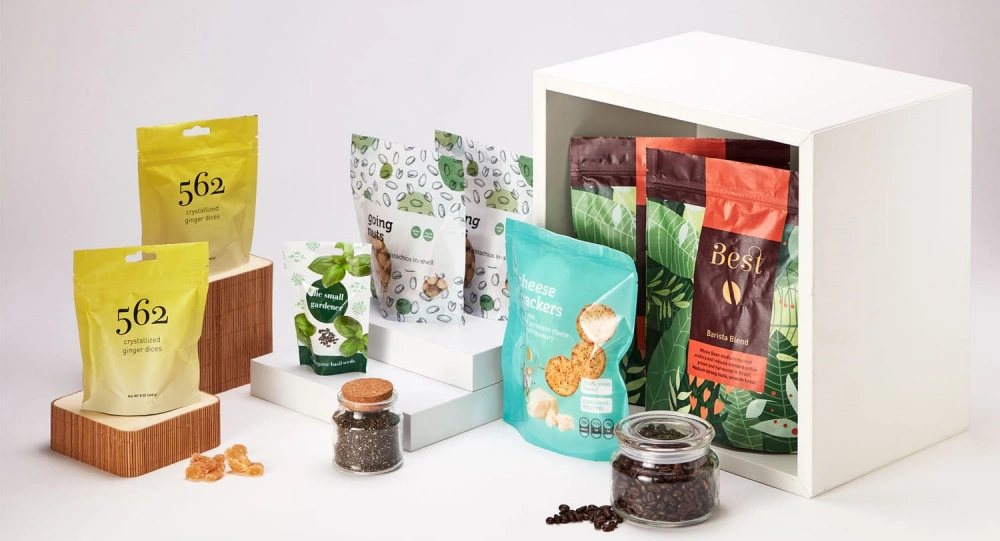
You want your organic food to stay safe from the farm to the table. That means you need packaging that meets strict rules. The USDA has clear requirements for Organic Food Packaging. You must use only approved materials and processes. Your packaging should never add harmful chemicals to your food. Good choices include compostable plastics, plant-based fibers, and glass. These materials keep your food pure and safe. Your packaging facility also needs USDA inspection and certification. You should always check that colors, flavors, and preservatives in your packaging are on the National List of Allowed and Prohibited Substances. Clear and honest labels matter, too. You need to show “Organic” or “Certified Organic” and include the right certification logo. This helps shoppers trust what they buy.
Shelf-Life Protection
You want your food to stay fresh as long as possible. The right packaging can help. Here are some things to look for:
Keep the right mix of gases inside the package to protect food quality.
Control oxygen levels to stop spoilage and keep food tasting good.
Use biopolymers with strong barrier properties to block out air and moisture.
Pick high-barrier packaging to lock in flavors and freshness.
Choose packaging that fits your food, like cling film for cucumbers, to keep them crisp.
The type of packaging you pick can change how long your food lasts and how good it tastes.
Branding and Transparency
You want shoppers to see your food and trust your brand. Transparent packaging helps a lot. It lets people check the quality and freshness before they buy. It also shows you have nothing to hide. Take a look at how transparent packaging helps:
Role of Transparent Packaging in Consumer Decisions | Description |
|---|---|
Enhances Visibility | Lets shoppers see the food inside and check freshness. |
Builds Trust | Shows ingredients and how the food was made. |
Supports Ecological Concern | Helps shoppers make choices that match their values. |
When you use clear packaging and honest labels, you make it easy for people to choose your products. That’s a win for your brand.
Top Organic Food Packaging Ideas
Biodegradable Bags by BN PACK
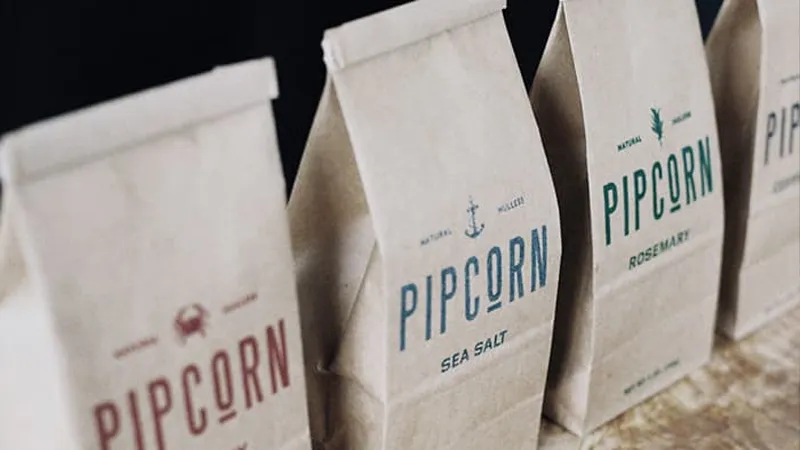
You want packaging that keeps food safe and helps the planet. BN PACK’s biodegradable bags do both jobs well. These bags use materials like plant starches and compostable polymers. They break down on their own, so less plastic ends up in landfills. You can pick from different sizes and designs. The bags are strong and protect your food.
BN PACK’s biodegradable bags follow strict rules. You can feel good because they have certifications from trusted groups. Check out these certifications:
Certification Type | Description |
|---|---|
ISO certifications | Meets international standards. |
Food-grade compliance | Safe for touching food directly. |
Recyclability certifications | Supports global sustainability goals. |
Certification Authority | Description |
|---|---|
SGS | Known worldwide for certification. |
TUV | Checks safety and quality. |
FSC | Makes sure materials are sourced responsibly. |
You can trust these bags for Organic Food Packaging. They help your brand look eco-friendly and responsible. You also show customers you care about safety and the planet.
Tip: Custom biodegradable bags let you match your brand style and product needs.
Compostable and Edible Packaging
You want to try new green packaging ideas. Compostable and edible packaging gives you more ways to protect food and help the earth. Compostable packaging uses plant-based materials that turn into soil. Edible packaging lets people eat the wrapper or compost it.
Here are some environmental benefits of compostable and edible packaging:
Compostable packaging keeps organic waste out of landfills.
It lowers greenhouse gas emissions by stopping methane in landfills.
Made from renewable plants, compostable packaging uses fewer fossil fuels.
Composting these materials makes soil healthier and helps plants grow.
You can use compostable wrappers for snacks, edible films for fruits, or compostable trays for meals. These choices make your brand look creative and help you follow new eco rules.
Mushroom-Based and Upcycled Materials
You want packaging that uses less and wastes less. Mushroom-based materials use mushroom leftovers that would be thrown away. These leftovers have compounds that make packaging films stronger. Upcycled materials take waste from other industries and turn it into packaging. Both options fit into the Circular Economy, where nothing is wasted.
Mushroom-based and upcycled packaging helps you lower your impact on the environment. You get packaging that is strong, safe, and sustainable. Your customers see your brand as creative and smart.
Note: Picking mushroom-based or upcycled packaging shows you want to reduce waste and support a greener future.
Comparing Sustainable Packaging Materials
Paper vs. Plastic-Based Options
You may ask which packaging is better for nature. Both paper and plastic have good and bad points. Paper breaks down fast and is easy to recycle. Most paper and cardboard get reused, and you can compost them at home. Plastic can be recycled, but not as much as paper. It stays in the environment for a long time.
Paper breaks down faster than plastic.
Most people like paper-based packaging for the environment.
Over 64% of paper waste gets recycled, and more than 90% of cardboard is reused.
Plastic is recycled less and stays in landfills for years.
If you want packaging that helps the earth, paper is a strong choice. Plastic keeps food fresh, but you should think about its effect on nature.
Compostable vs. Recyclable
You see compostable and recyclable labels everywhere. Compostable packaging turns into soil in special composting places. It needs heat and moisture to break down. Recyclable packaging gets made into new things, but recycling rates can be low if the packaging is dirty.
Compostable materials need special composting to break down fully.
Compostable products turn into compost without harmful waste.
Recyclable materials can be reused, but after a few times, they may not be recyclable anymore.
Recycling can be hard if materials are mixed or dirty.
If you want to cut down on waste, compostable packaging is good for food scraps. Recyclable packaging works best when it is clean and sorted.
Material Safety and Certifications
You want packaging that is safe for food and the planet. BN PACK checks all materials to meet strict world standards. Their products are certified for food safety, biodegradability, and compostability. You can trust their packaging to keep your food safe and help your green goals.
Tip: Always look for certifications like ISO, BRC, and SGS. These show the packaging meets world safety and eco rules.
BN PACK’s promise to quality means you get packaging that works for your product and the planet.
Packaging Formats for Organic Food
There are many ways to pack organic food. The right packaging helps your food look good and stay fresh. Here are some popular choices brands use around the world:
Packaging Type |
|---|
Flexible Packaging |
Paper and Paperboard Packaging |
Rigid Plastic Packaging |
Glass Packaging |
Stand-Up and Flat Bottom Pouches
You want shoppers to notice your food. Stand-up and flat bottom pouches help with that. They stand up on shelves, so people see them easily. Stores can fit more of your food because these pouches save space.
Feature | Description |
|---|---|
Upright Display | Stand-up pouches can stand upright, enhancing visibility and making products more eye-catching. |
Efficient Shelf Space Usage | They occupy minimal shelf space, allowing for better organization in retail environments. |
Flat bottom pouches give you lots of room for your logo. You can add cool designs to make your brand stand out. These pouches look fancy and are great for people who care about the planet.
Feature | Description |
|---|---|
Large Surface Area | Flat bottom pouches provide ample space for high-quality printing, improving brand visibility. |
Premium Feel | Their unique design appeals to environmentally conscious consumers, enhancing shelf appeal. |
BN PACK has both pouch types. You can pick the size and style that fits your brand.
Kraft Paper and Laminated Bags
Kraft paper bags are strong and look natural. They do not tear easily and break down in nature. These bags are not expensive and are good for the earth. The simple look makes your brand easy to remember.
Kraft paper is strong, does not tear, and breaks down in nature.
It costs less and is good for people who care about the earth.
The simple look makes your brand stand out and gives a natural feel.
Laminated bags keep out water and oil. This is good for snacks and baked foods. You can also get bright colors and shiny looks with these bags.
Laminated bags stop water and oil from getting in.
They are strong and can have bright colors and shiny finishes.
The glossy look helps your packaging look special.
BN PACK lets you choose kraft, laminated, or both. You can pick what works best for your food.
Custom Printed Solutions
You want your packaging to show what your brand is about. Custom printing helps your food get noticed. Bright colors and big logos help people remember your brand. Many shoppers buy more from brands they know.
Custom printing makes your packaging look cool and different.
Half of shoppers buy more from brands they know by their logo.
Custom-printed packaging shows your brand’s story and style.
Fun designs and colors make your brand easy to remember.
BN PACK lets you pick the size, shape, and look you want. This way, your packaging fits your food and your brand.
Tip: Try different packaging styles and prints to find what your shoppers like best!
Choosing the Right Packaging
Matching Product and Format
You want your packaging to fit your product perfectly. The right match keeps your food fresh and makes your brand stand out. You should think about what your customers like, what stores need, and how your packaging looks on the shelf. Here’s a quick guide to help you decide:
Criteria | Description |
|---|---|
Consumer Preferences | Know what your customers want, from flavors to package sizes. |
Retail Partner Requirements | Follow the rules and standards set by your retail partners. |
Costs and Benefits of Packaging | Weigh the price of packaging against how well it protects and sells your product. |
Impact on Product Freshness | Pick packaging that keeps your food tasting great for as long as possible. |
Aesthetic Appeal | Use colors and designs that show your food is healthy and sustainable. |
Tip: When you match your product with the right packaging, you make shopping easier and more fun for your customers.
Ensuring Safety and Sustainability
You want your food to stay safe and your packaging to help the planet. Here are some best practices you can follow:
Try new materials like bio-based plastics or special eco-friendly films.
Choose packaging that is easy to recycle and can be used again in new products.
Keep your packaging simple. Use less plastic and lighter materials, but always protect your food.
These steps help you keep your food safe and show your customers you care about the environment.
Working with Certified Suppliers
You need a packaging partner you can trust. Certified suppliers make sure your packaging meets all the rules for organic food. Here’s what you should look for:
The supplier uses only approved materials and follows all organic food rules.
Their factory is inspected and certified by the USDA for handling organic foods.
They use only allowed substances for colors, flavors, and preservatives, with no risky chemicals.
Their packaging never touches anything that could harm your food or break organic rules.
BN PACK checks all these boxes. You get packaging that is safe, certified, and ready for the global market. You can relax knowing your brand is in good hands.
Note: Choosing a certified supplier like BN PACK helps you meet safety standards and build trust with your customers.
Implementing Eco-Friendly Packaging
Transition Steps for Brands
Switching to eco-friendly packaging may seem hard at first. You can make it easier by breaking it into small steps. Look at your packaging and find where you use the most plastic. Try to replace plastic with biodegradable or plant-based materials. Using renewable resources helps farmers and the planet. Many shoppers want brands to use green packaging. This change can help your brand stand out. You can also try new ideas like edible wrappers or reusable containers. These choices show your brand cares about the earth and likes new things.
Pick biodegradable and plant-based packaging to cut plastic waste.
Use renewable resources to help sustainable farming.
Give customers what they want with green solutions.
Try new technologies like edible or reusable packaging.
Tip: Start with small changes. Even one step can help a lot!
Customization and Branding
Packaging is more than just something that covers your food. It tells people about your brand. Printing your logo and message on compostable bags helps shoppers remember you. Custom designs show what your brand stands for. They make your products easy to spot. If your packaging looks the same every time, shoppers trust you more. This matters a lot for delivery and takeout. The package is the first thing people see.
Custom printing helps people know and like your brand.
Packaging is an important way to connect with customers.
Keeping your look the same builds trust, especially for delivery.
Cost and Supply Chain Factors
Eco-friendly packaging can cost more than regular packaging. The price is not just for the materials. You also pay for making, shipping, and getting rid of the packaging. Sometimes, green materials are harder to find and make. Rules about packaging can slow things down. These costs may be higher because the supply chain is not strong yet. Many brands worry about these prices, especially if they sell a lot. Some shoppers will pay more for green packaging. You can change your prices if needed.
Costs include materials, making, shipping, and disposal.
Green materials cost more and are harder to get.
Rules and supply chain problems can make switching tough.
Some customers will pay more for eco-friendly packaging.
Note: Knowing all the costs helps you plan and avoid surprises.
Compliance and Industry Standards
Organic and Food Safety Certifications
You want your packaging to follow all the rules. Certifications help you prove your food is safe and really organic. There are different levels of certification. Each level has its own rules you must follow. Look at this table to see what each one means:
Certification Level | Description |
|---|---|
100% Organic Certified | All ingredients and helpers must be certified organic. You can use the USDA organic seal. |
Organic Certified | All farm ingredients must be certified organic, but up to 5% can be non-organic. You can use the USDA organic seal. |
Made With Organic Ingredients | At least 70% of the ingredients must be certified organic. The rest do not have to be organic. You cannot use the USDA organic seal. |
Specific Organic Ingredients | Less than 70% of the ingredients are certified organic. You can list the organic ingredients, but you cannot use the USDA organic seal. |
You should check which level matches your product. Picking the right certification helps people trust you and keeps you legal.
Eco-Labels and Third-Party Standards
Eco-labels and third-party standards make your packaging special. They show your brand cares about the earth. Customers look for these labels to feel good about what they buy.
People use eco-labels to guess things they cannot see. This helps them feel safer when picking products.
You can see why trust in eco-labels and third-party certifications is important:
Key Findings | Description |
|---|---|
Trust in Eco-Labels | Trust in eco-labels is very important. It helps people decide what to buy, especially with organic food. |
Role of Third-Party Certification | Knowing about third-party certification makes people trust eco-labels more. Good communication about these certifications is important. |
Consumer Behavior | Studies show that trust in groups and labels helps people use eco-labels. Honest information is important for shoppers. |
The organic food market is the biggest for green products and eco-labels. It was worth about $165.2 billion in 2018.
People trust organic labels in different ways. Their trust can change based on outside signs.
People use third-party eco-labels to help them trust products. These labels make it easier to choose by giving good information about quality.
International Market Requirements
You want your packaging to work in many countries. Each country has its own rules. Check this table to see what you need for Canada, Europe, and Japan:
Country | Key Requirements |
|---|---|
Canada | You must follow Canadian organic standards (COR). Labels must be checked first. They must be in English and French. You must show who certified the product. |
EU/UK/Switzerland | Labels must have a certifier control number and follow EU rules. The EU organic seal is optional, but you must use the right format. |
Japan | You must follow special labeling rules. You must show who certified the product and its organic status. |
You need to follow these rules to sell food in other countries. Meeting these standards helps your brand grow and keeps your food safe.
Picking sustainable packaging is good for your brand and the earth. You make less trash go to landfills. You also lower pollution from making and moving your products. Your brand stands out because you use green materials. Shoppers notice when you care about nature. Many people keep buying from brands that help the planet.
Lighter packaging means you pay less to ship your food.
You follow the rules and do not get fined.
Using PFAS-free, custom packaging from trusted partners like BN PACK builds trust.
You help nature by picking packaging that can be recycled or composted.
Latest Packaging Innovation | What Makes It Special |
|---|---|
Biodegradable films | Break down on their own, less trash |
Plant-based fibers | Made from plants, can be composted |
Mushroom-based packaging | Breaks down fast, 100% biodegradable |
Keep making smart choices for your brand and the planet. You can show others how to do the right thing too.