

You can buy biodegradable tea bags from many brands now. Teapigs, Abel and Cole, Clipper, Pukka Herbs, and BN PACK make these tea bags. They use plant-based materials like cornstarch, PLA, and cellulose fibers. In fancy stores, over 20% of tea bags are biodegradable. Picking plastic free tea bags helps the environment and cuts down on waste. You will learn how to choose good tea bags and throw them away the right way.
Why Traditional Tea Bags Are Changing
Microplastics in Tea Bags
Many tea bags have plastic inside them. When you make tea, tiny plastic pieces called microplastics can get into your drink. Scientists found that just one plastic tea bag can let billions of microplastics and nanoplastics into your cup.
The journal Environmental Science & Technology says plastic breaks into small bits, which makes people worry about health problems from drinking microplastics.
Researchers at McGill University found that one plastic tea bag can put about 11.6 billion microplastics and 3.1 billion nanoplastics into your tea.
These microplastics come from things like polypropylene and nylon. Hot water can make the plastic let out harmful stuff. Chemicals like arsenic, lead, and cadmium might also be in the tea bags. If you drink tea with plastic tea bags a lot, microplastics can build up in your body. Some experts are worried about your stomach and if it could cause cancer.
Health Risks | Description |
|---|---|
Microplastics | Billions of microplastic particles can enter tea from plastic-based tea bags. |
Harmful Substances | Chemicals like arsenic, lead, and cadmium may be present in tea bags. |
Temperature Effects | Heating can cause plastics to release harmful materials. |
Accumulation | Regular use may lead to microplastics building up in your body. |
Environmental Impact of Non-Biodegradable Tea Bags
Old tea bags often have up to 20% plastic. This plastic does not break down fast. It can take up to 1,000 years to go away in landfills. People in the UK throw away about 6.5 million kilograms of tea bag plastic every year. Tea bags that do not break down add to landfill waste and plastic pollution. They break into smaller pieces that can hurt animals and dirty water.
Non-biodegradable tea bags stay in nature for hundreds of years.
They make landfills fill up and add to plastic trash.
Paper and plastic mixed in tea bags means only some parts break down, leaving plastic behind.
Different materials in tea bags slow down composting and make trash harder to handle.
You can help by picking tea bags without plastic or ones that break down. Many people now want packaging that is better for the earth. More than half of people in the US will pay more for products that are good for the planet. In Germany, 39% of people would change tea brands for better packaging. The tea business is changing to meet these needs and help the earth.
Concern | Detail |
|---|---|
Plastic Waste | Conventional tea bags contain 20% plastic, adding to global plastic waste. |
Decomposition Time | Plastic takes up to 1,000 years to decompose in landfills. |
Consumer Demand | More people want sustainable goods to lower their environmental footprint. |
Regulatory Pressure | New UK tax on plastic packaging with less than 30% recycled content started in April 2022. |
Health Concerns | Microplastics from tea bags raise health concerns. |
Annual Plastic Disposal | 6.5 million kilograms of tea bag plastic are thrown away each year in the UK. |
Tea bags without plastic and ones that break down help the earth and your health.
Biodegradable and Plastic Free Tea Bags: Materials and Types
Common Materials in Tea Bags
Many people do not know what tea bags are made of. Most regular tea bags use both natural fibers and plastics. Natural fibers like wood pulp and hemp break down fast in nature. Plastics like polypropylene and nylon come from oil and do not break down quickly. These plastics can put microplastics in your tea and the earth.
Biodegradable tea bags use plants instead of plastic. Some are made from corn, sugarcane, or hemp. These come from things that grow back and do not have bad chemicals. They let you drink tea and help the planet at the same time. Some brands use cotton and jute, which are strong and can be composted.
BN PACK makes tea bags that are good for the earth. Their products help you make less trash and keep nature clean. You can pick from many shapes and sizes to match what you need.
What Makes Tea Bags Biodegradable
You might ask what makes a tea bag break down. The answer is in the materials used. Paper tea bags use wood pulp or plant fibers. These break down when they get wet, warm, and have tiny living things on them. Microbes help them break down faster, especially in compost.
Here are some things that help tea bags break down:
Natural fibers let microbes eat the material.
Water makes the fibers soft and easy to break down.
Air and heat help microbes work faster.
Biodegradable tea bags turn into safe things like carbon dioxide, water, and dirt. This keeps the earth clean and safe. You should look for labels to see if your tea bags can go in home or big compost piles.
Certifications show you can trust your tea bags will break down. The most common ones are TUV, ABA, and BPI. These groups test how fast the tea bag breaks down, check for bad stuff, and make sure it is safe for compost.
Certification | Description |
|---|---|
TUV | Checks how fast it breaks down, turns into CO₂, water, and plant matter, and looks for bad stuff. |
ABA | Looks at how it breaks apart, checks for bad chemicals, and tests for heavy metals in home and big compost piles. |
BPI | U.S. group that checks if it breaks down in big compost piles without leaving bad stuff. |
PLA, Paper, and Plant-Based Options
You have lots of choices for tea bags without plastic. The most common are PLA, paper, and other plant-based materials. PLA means polylactic acid and comes from cornstarch or sugarcane. PLA tea bags are strong, can take heat, and break down in compost. They turn into safe things when composted right.
Paper tea bags use wood pulp or other plant fibers. They break down and are easy to find. Paper tea bags may not last as long as plastic ones, but they are better for the earth. Plant-based tea bags use things like cotton, hemp, or jute. These can be composted and are safe.
BN PACK’s tea bags and pouches use things that grow back. Their products are tested to make sure they break down and can be composted. You can trust these tea bags will break down and help make less trash.
Here is a simple chart about the main materials:
Material | Advantages | Disadvantages |
|---|---|---|
PLA | Breaks down fully, made from things that grow back, needs compost to break down best | Needs special compost to break down best |
Paper | Breaks down, easy to buy | Not as strong as plastic |
Plant-based | Can be composted, safe | May not work as well as plastic |
Eco-friendly tea bags use things that break down in nature. This helps keep trash out of landfills. You can help the earth by picking tea bags without plastic and composting them.
Tip: Always look for compost labels and certifications on the package. This helps you throw away your tea bags the right way.
Identifying Biodegradable Tea Bags and Brands
How to Read Labels and Certifications
You should check if your tea bags are good for nature. Look at the box for easy-to-read labels. Find words like “biodegradable,” “compostable,” or “plastic free tea bags.” These words mean the tea bags break down and do not make plastic trash. You also need to look for trusted certifications. These marks show the tea bags follow strict rules for composting and breaking down.
Certification | Description |
|---|---|
BPI | Shows the tea bags pass tests for compostability in industrial settings. |
DIN CERTCO | Certifies both home and industrial compostability under EN 13432. |
TUV AUSTRIA | Offers ‘OK Compost’ and ‘OK Compost Home’ labels, trusted across Europe. |
You might see standards like ASTM D6400, EN 13432, or IS/ISO 17088. These standards prove the tea bags break down fast and do not leave bad stuff behind.
Tip: Always look for third-party certifications. These groups check the tea bags and help you trust what the package says.
Leading Brands with Biodegradable Tea Bags
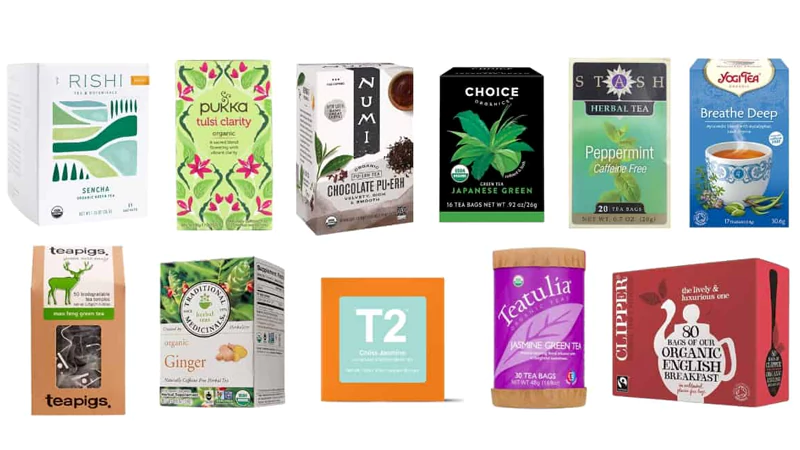
Many companies now sell tea bags without plastic. You can pick from:
Big Heart Tea: Uses compostable tea bags from single-origin farms.
Traditional Medicinals: Offers Non-GMO, compostable tea bags.
Stash: Makes tea bags from 100% cellulose fibers.
PG Tips: Sells pyramid-shaped tea bags that compost easily.
Fortnum & Mason: Provides plastic free tea bags that enrich soil.
Bigelow: Delivers 100% compostable tea bags.
These brands let you drink tea and help the earth.
BN PACK’s Role in Sustainable Packaging
BN PACK is a leader in green packaging for tea bags. You get boxes made from materials that break down in nature. BN PACK makes packaging that you can recycle to help the planet. The company follows tough rules and has the ReGen line. This line uses one kind of material for easy recycling and cuts CO2 by 40%. BN PACK helps you pick tea bags and boxes that are safe for your tea and the earth.
Feature | Description |
|---|---|
Biodegradable Materials | Made from plant-based sources that break down safely. |
Recyclable Structures | Designed for full recyclability and less waste. |
Environmental Compliance | Meets global standards for responsible production. |
ReGen Line | Mono-materials for curbside recycling and reduced emissions. |
You can count on BN PACK for packaging that helps you care for the planet.
Composting and Disposing of Biodegradable Tea Bags
Home vs. Industrial Composting
You may wonder if all tea bags can go in home compost. The answer depends on the bag type and your compost bin. Some tea bags break down at home, but others need more heat and special places. Here is a table that shows the main differences:
Aspect | Home Composting | Industrial Composting |
|---|---|---|
Temperature Requirements | 50 to 77 °F (10 to 25 °C) | 130 °F (55 °C) or higher |
Time to Decompose | 6 to 12 months | 90 to 180 days |
Air Supply | Moderate air supply | Strictly controlled air supply |
Moisture Levels | Moderate mixing of wet and dry items | Minimal water usage |
Suitability | Good for home compost systems | Best for large commercial facilities |
If your tea bags say “home compostable,” you can put them in your backyard bin. If they only say “industrial compostable,” use your city’s compost program.
Safe Disposal Steps
Here are some easy steps for throwing away compostable tea bags:
Look for words like “biodegradable,” “plastic-free,” or “compostable” on the label.
Take off staples and paper tags before tossing the bag.
Put empty plant-based tea bags in your food waste bin or compost pile.
If you are not sure about the string, remove it so you do not mix in plastic.
“I keep a nice ceramic pot by my kettle. I use it to collect used tea bags during the day. At night, I tear open the bags and dump the tea leaves into a pile. Then I add the leaves to my compost bin. Empty plant-based tea bags go in my food waste bin. It is simple!”
Do not compost regular tea bags with plastic mesh. If you find plastic, open the bag and only compost the tea leaves.
Are All Biodegradable Tea Bags Compostable?
Not every biodegradable tea bag is a compostable tea bag. You should know the difference. Biodegradable means the bag can break down, but it may need special conditions. Compostable tea bags break down in a set time and do not hurt the soil. All compostable things are biodegradable, but not all biodegradable things are compostable.
Compostable tea bags pass tough tests to make sure they break down fast and safe.
Biodegradable tea bags do not always pass these tests, so they might not break down well at home.
Always look for a “home compostable” label and take off any parts that cannot be composted.
You can help the earth by picking the right tea bags and throwing them away the right way.
You can help the earth by picking biodegradable tea bags. These tea bags break down fast and do not make microplastic waste. They also help make the soil better. Always look for compostable labels and trusted marks before you buy. Put used tea bags in compost bins to keep trash out of landfills. For greener packaging, try plant-based pouches, jars you can use again, or cloth bags. The table below shows how to check if tea bags are really compostable:
Brand | Compostability Type | Source Link |
|---|---|---|
Dilmah New Zealand | Industrial Composting | Dilmah FAQ |
Duchy by Waitrose | Home Compostable | Duchy Website |
Healtheries | Home Compostable | Healtheries Website |