
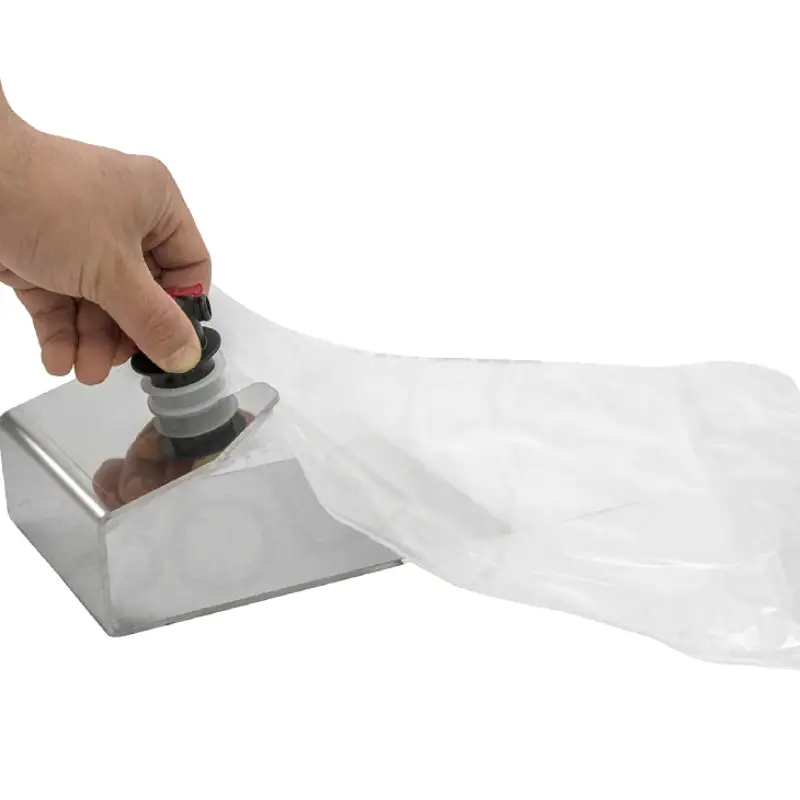
Bag in Box packaging is widely used for products such as edible oil, beverages, syrups, dairy, liquid condiments, and even industrial liquids. While the concept may seem simple, filling a Bag in Box is far more than just pouring liquid into a container.
In reality, the filling process directly impacts product shelf life, hygiene safety, transportation reliability, and end-user experience. Factors like filling method, cleanliness standards, seal integrity, material compatibility, and filling accuracy all play a critical role.
In this guide, we’ll walk you through how to fill a Bag in Box step by step, explore different filling methods and equipment, highlight common mistakes to avoid, and help you choose the right packaging solution for your specific application.
Main Components Involved Before Filling
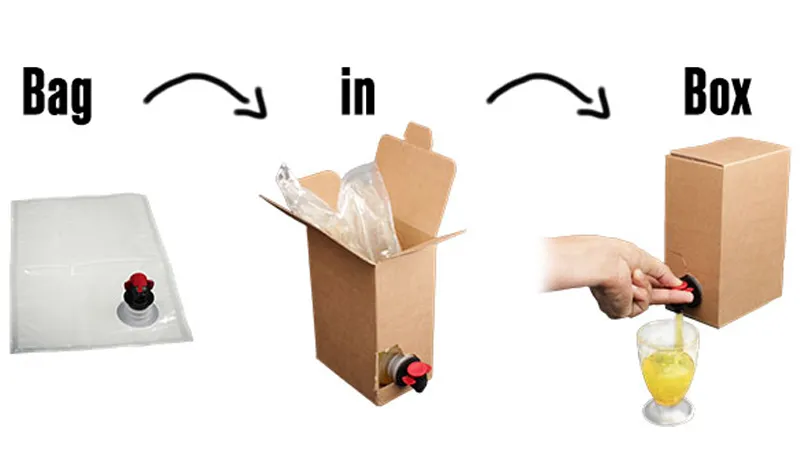
The inner bag
The inner bag is the core part of any Bag in Box package because it holds the liquid directly and provides the main barrier protection. Depending on the product, the bag may use standard liquid packaging film, high-barrier multilayer film, or aseptic structures designed for sensitive applications. For products like edible oil, juice, wine, or dairy, the right bag material helps reduce oxygen exposure, maintain product quality, and prevent leakage during storage and transport.
The fitment or tap
The fitment, also called the tap or dispensing closure, is the part used for filling and dispensing the liquid. Common options include spouts, screw caps, dispensing taps, and aseptic valves. Different liquids and filling systems require different fitment designs. Choosing the correct fitment is important not only for filling efficiency, but also for sealing performance, leak prevention, and convenience when the product is used by the end customer.
The outer box
The outer box provides structural support for the filled inner bag and plays an important role in transportation, stacking, and product protection. It also serves as the main printable surface for branding, product information, and retail presentation. A well-designed outer box helps the package remain stable during shipping and storage while making the product easier to handle, display, and dispense.
Optional accessories
Some Bag in Box systems also include optional accessories to improve performance or user convenience. These may include connectors, extra caps, carrying handles, or protective layers that support filling, transport, and dispensing. Depending on the application, these accessories can help improve sealing security, simplify installation, enhance handling, or provide additional protection for demanding logistics and end-use conditions.
Step-by-Step: How to Fill Bag in Box
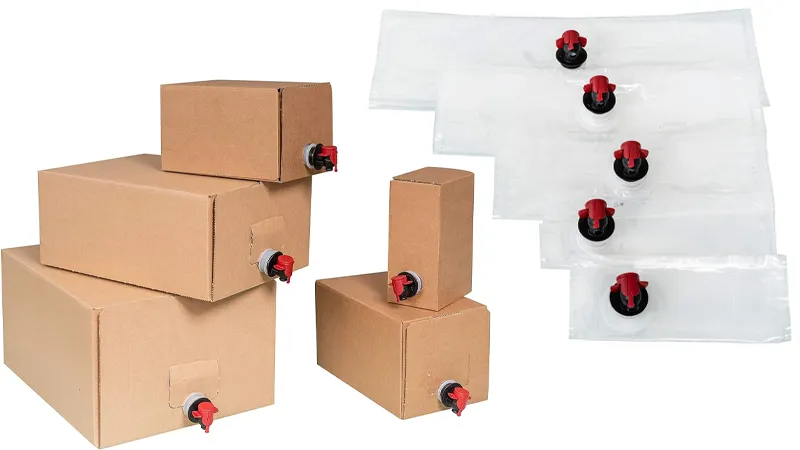
Step 1: Choose the right bag size and material
Start by selecting the appropriate bag size and material based on your liquid type, required volume, and filling process. Products like edible oil, juice, or dairy may require high-barrier or aseptic films, while industrial liquids may focus more on strength and chemical resistance. Matching the material correctly ensures product stability, safety, and shelf life.
Step 2: Prepare the filling environment
A clean and controlled filling environment is essential, especially for food and beverage applications. Make sure the area is free from dust and contaminants, and maintain proper temperature and hygiene standards. For sensitive products, additional sterilization or aseptic conditions may be required to prevent contamination.
Step 3: Position and open the bag correctly
Connect the inner bag securely to the filling machine or filling nozzle. During this step, it is important to avoid twisting, folding, or damaging the bag. The fitment area should remain clean and untouched as much as possible to ensure a proper seal after filling.
Step 4: Fill the liquid into the bag
Begin filling the liquid while carefully controlling flow rate, fill volume, and temperature. Avoid excessive foaming, especially for products like juice or cleaning liquids. Accurate filling ensures consistent product weight and prevents overfilling, which can lead to leakage or bag deformation.
Step 5: Remove excess air if necessary
For certain products such as wine, dairy, or edible oil, minimizing residual air inside the bag is critical. Excess oxygen can reduce shelf life and affect product quality. Some filling systems are designed to remove or reduce air during the filling process.
Step 6: Seal or close the fitment securely
After filling, immediately seal the bag by closing the tap, cap, or valve. Ensure the fitment is tightly secured and properly aligned. A poor seal is one of the most common causes of leakage, so this step should always be checked carefully.
Step 7: Insert the filled bag into the box
Once sealed, place the filled bag into the outer box. In some production lines, the bag is inserted into the box before filling, depending on the system design. Proper placement ensures stability during transport and makes dispensing easier for the end user.
Step 8: Inspect for leaks and packing quality
Finally, inspect each filled unit for leaks, correct weight, and overall packaging quality. Check the seal integrity, bag shape, and box condition. For bulk or export applications, additional drop tests or transport simulations may be conducted to ensure the packaging performs reliably throughout the supply chain.
Different Ways to Fill Bag in Box
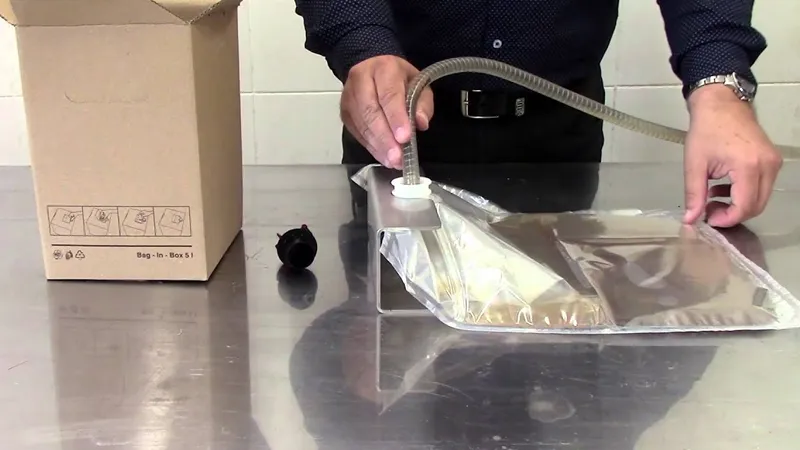
Manual filling
Manual filling is the simplest method and is typically used for small-scale production, testing, or pilot runs. It involves filling the liquid directly into the bag using basic tools or simple filling devices. This method is suitable for laboratories, startups, or small food producers with low output requirements. While cost-effective, it is less efficient and relies heavily on operator skill and hygiene control.
Semi-automatic filling
Semi-automatic filling offers a balance between efficiency and cost. It usually involves a filling machine where operators manually position the bag and control certain steps, while the machine handles filling accuracy and flow control. This method is ideal for medium-scale production, providing improved consistency, reduced labor intensity, and better control over filling volume compared to manual processes.
Fully automatic filling
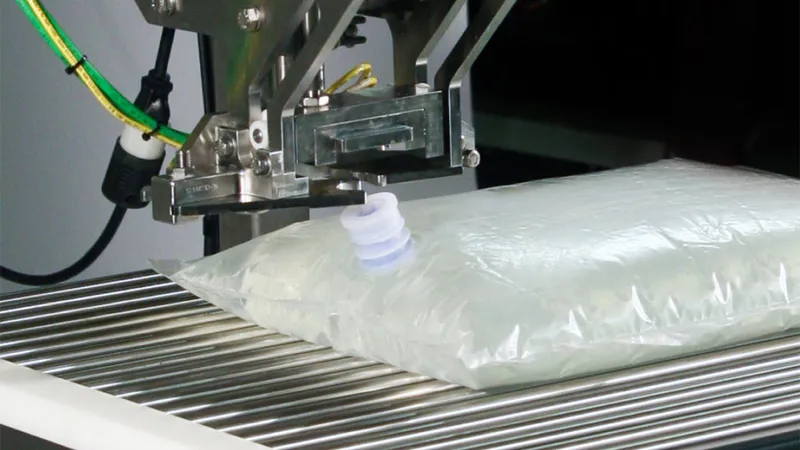
Fully automatic filling systems are designed for high-volume, standardized production environments. These systems handle the entire process, including bag positioning, filling, sealing, and sometimes even boxing. They offer high efficiency, precise filling accuracy, and consistent quality, making them suitable for large manufacturers in industries like beverages, edible oil, and liquid food processing.
Aseptic filling
Aseptic filling is used for products that require strict hygiene control and extended shelf life, such as dairy, juice, or liquid eggs. In this process, both the packaging and the product are sterilized before filling, and the operation is carried out in a sterile environment. This method minimizes microbial contamination and allows products to be stored for longer periods without refrigeration, making it essential for sensitive liquid applications.
Conclusion
Filling a Bag in Box is not just a simple pouring process—it is a complete system that involves the right combination of packaging materials, fitments, filling equipment, hygiene control, and sealing performance. Each step, from material selection to final inspection, plays a critical role in ensuring product safety and packaging reliability.
By choosing the appropriate bag structure, tap design, and filling method, manufacturers can significantly improve filling efficiency, reduce leakage risks, and extend product shelf life. If you are looking for customized Bag in Box solutions for edible oil, beverages, syrups, dairy, or chemical liquids, BN PACK can support you with tailored packaging and professional guidance.
FAQs About How to Fill Bag in Box
How do you fill a Bag in Box without spilling?
To avoid spilling, the bag should be properly connected to a compatible filling nozzle or machine. Control the filling speed, keep the bag stable during the process, and ensure the fitment is securely sealed immediately after filling. Using the correct equipment and maintaining operator control are key factors.
Can Bag in Box be filled manually?
Yes, Bag in Box can be filled manually, especially for small-scale production or testing purposes. However, manual filling requires strict attention to hygiene, accurate measurement, and careful sealing. For larger volumes, semi-automatic or fully automatic systems are more efficient and consistent.
What liquids can be packed in Bag in Box?
Bag in Box is suitable for a wide range of liquids, including water, juice, wine, milk, edible oil, coffee syrups, liquid eggs, sauces, detergents, and certain industrial chemicals. The key is selecting the right bag material and fitment to match the liquid’s properties.
Do you fill the bag before or after putting it in the box?
Both methods are used depending on the filling system. In some setups, the bag is filled first and then placed into the box. In others, the empty bag is pre-inserted into the box and filled afterward. Pre-inserting is more common in automated production lines.