

The Anatomy of a Modern Landfill: Do Biodegradable Bags Decompose in Landfill?
Many brands and consumers switch to bioplastics thinking they will naturally vanish anywhere. But if you throw them into a standard trash bin, you hit a massive roadblock. To truly understand why, we have to look at how modern landfills actually work and answer the hard question: do biodegradable bags decompose in landfill environments?
The “Containment vs. Transformation” Conflict
Modern landfills are not massive compost piles; they are highly engineered tombs. Their primary design goal is containment, not transformation.
- The Goal: Prevent waste from polluting the surrounding soil and groundwater.
- The Method: Landfills are lined with thick plastic layers and packed tight with clay.
- The Result: Waste is compressed so tightly that it becomes completely sealed off from the outside world.
While this protects the environment from toxic runoff, it stops the natural breakdown of materials. Traditional petroleum plastics and biodegradable bags alike end up trapped in time.
The Missing Elements
For any organic material or biodegradable pouch to break down efficiently, nature requires a specific recipe. Inside a sealed landfill, the vital ingredients for decomposition are completely cut off:
- Oxygen: Blocked by daily layers of heavy soil packed over the trash.
- Moisture: Kept to an absolute minimum to prevent hazardous liquid buildup.
- Light: Completely buried under tons of waste.
- Microbes: The helpful bacteria that eat organic waste cannot survive without air.
The Reality of Anaerobic Conditions
Because landfills lack oxygen, they create oxygen-starved environments. Any breakdown that does happen occurs through anaerobic decomposition (destruction by bacteria that live without air).
When bioplastics in landfills face these conditions, the process slows to a crawl. Instead of turning into harmless dirt, the compressed waste undergoes a different chemical path. This environment alters the entire lifecycle of sustainable flexible packaging, making standard disposal a poor fit for eco-friendly garbage bags.
The Environmental Catch-22: Methane Emissions and Mismanaged Bioplastics
When eco-friendly intentions end up in the wrong place, the planet pays the price. Many brands switch to bioplastics thinking they are solving a problem, but sending these materials to a standard landfill triggers a massive environmental catch-22.
The Methane Problem
If you wonder do biodegradable bags decompose in landfill environments safely, the short answer is no. When bioplastics and compostable trash bags are buried under tons of waste, they undergo anaerobic decomposition in oxygen-starved environments. Instead of turning into harmless soil, they break down to produce methane gas—a greenhouse gas that is over 25 times more potent than carbon dioxide at trapping heat in our atmosphere. This makes bioplastics in landfills an active contributor to climate change rather than a solution.
The Safe Disposal Mandate
To stop this cycle, we need a strict shift in how we handle end-of-life packaging. True sustainability requires keeping these specialized materials out of the traditional trash stream entirely. They must be routed to dedicated industrial composting facilities where the right balance of heat, oxygen, and moisture can break them down cleanly without the harmful methane emissions.
The Brand Responsibility
As a business, avoiding greenwashing in packaging means educating your customers on how to discard your custom pouches. It isn’t enough to just use plant-based PLA or bio-based polymers; you must guide your audience on correct disposal. Investing in high-quality, clearly labeled sustainable packaging is a great first step, and using smart custom packaging tips to elevate your brand experience helps ensure your customers know exactly how to close the loop responsibly.
| Disposal Method | Oxygen Level | Primary End Product | Environmental Impact |
|---|---|---|---|
| Traditional Landfill | None (Anaerobic) | Methane Gas & Leachate | High Carbon Footprint |
| Commercial Composting | High (Aerobic) | Nutrient-Rich Soil & $CO_2$ | Eco-Friendly / Circular |
Clearing the Confusion: Biodegradable vs. Compostable vs. Bio-Based
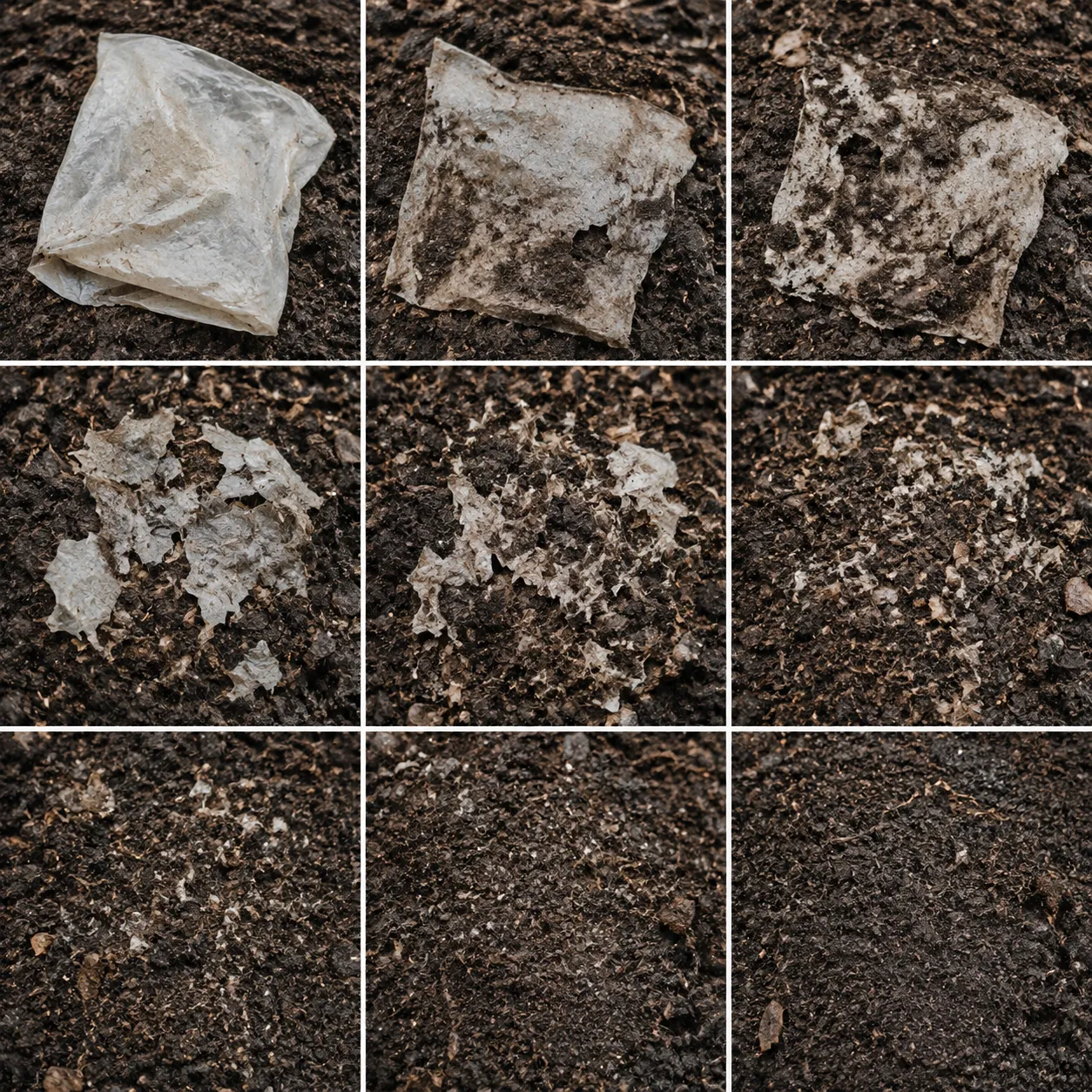
When clients ask us, “do biodegradable bags decompose in landfill conditions?” we usually have to start by clearing up some major industry confusion. The terms “biodegradable,” “compostable,” and “bio-based” are often used interchangeably, but they mean completely different things for the environment and your packaging strategy.
Knowing the difference between biodegradable vs compostable plastic bags changes how you design your sustainable flexible packaging.
Biodegradable
This is a broad term. It simply means a material can break down into natural elements through biological processes over time. However, it does not specify how long it takes or what environment is required. Traditional petroleum plastics can take centuries, whereas specially formulated biodegradable bags aim to break down much faster, though they still struggle in oxygen-starved environments.
Certified Compostable
Compostable materials are a specific subset of biodegradable plastics. These materials break down completely into non-toxic nutrients, water, and biomass within a strict timeframe (usually 90–180 days) under managed conditions. Compostable trash bags require specific heat, moisture, and microbial activity to break down properly, which is why they are meant for commercial composting streams rather than standard trash bins.
Bio-Based (e.g., Plant-Based PLA)
Bio-based polymers are defined by their origin, not their end-of-life behavior. These materials are made from renewable resources like cornstarch, sugarcane, or cellulose instead of fossil fuels. A great example is plant-based PLA. While bio-based materials significantly lower your carbon footprint during production, they do not automatically degrade anywhere; some bio-based plastics behave exactly like traditional plastics when thrown away.
Material Comparison Guide
| Feature | Biodegradable Bags | Certified Compostable | Bio-Based (PLA) |
|---|---|---|---|
| Primary Source | Can be plant-based or petroleum-based | Plant-derived or synthetic polymers | Renewable biomass (corn, sugarcane) |
| Breakdown Time | Unspecified (no strict timeframe) | 90 to 180 days in managed facilities | Depends on structure (can be durable) |
| Optimal End-of-Life | Varies by material type | Industrial composting facilities | Commercial composting or recycling |
| Landfill Behavior | Very slow anaerobic decomposition | Acts like organic waste (creates methane) | Does not break down quickly |
The Standards That Matter: Industrial vs. Home Composting
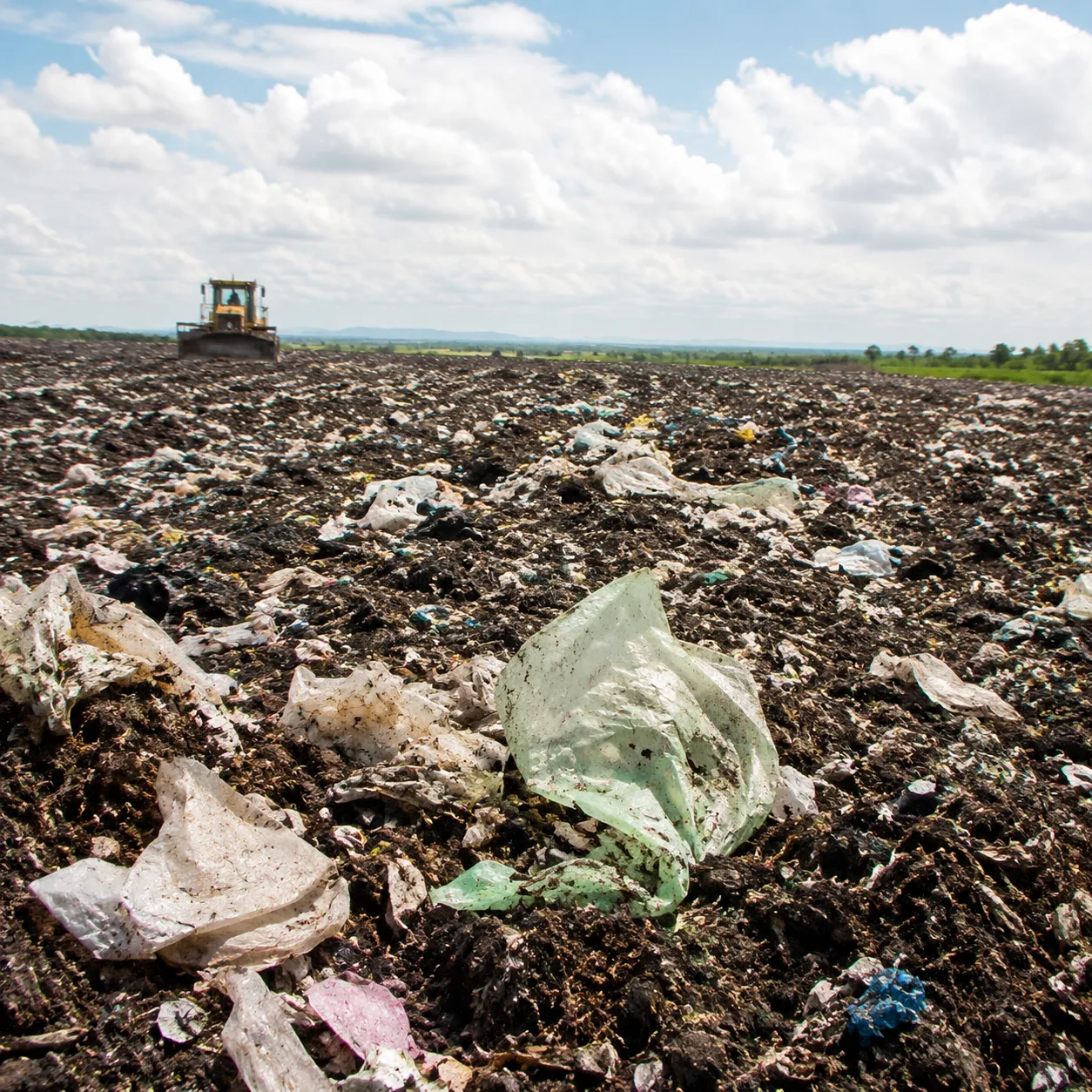
When we look at whether biodegradable bags decompose in landfill environments, the short answer is usually no—they need specific conditions to break down. To truly understand how eco-friendly packaging behaves, we have to look at the certifications governing its disposal. Not all green packaging is created equal, and the labels on the back of the bag dictate exactly where it needs to go.
Industrial Composting (EN 13432 & ASTM D6400)
For a package to be processed in commercial composting streams, it must meet strict international benchmarks like the EN 13432 standard or the ASTM D6400 certification.
- What they guarantee: These certifications prove that the material will break down completely within 90 to 180 days in a controlled facility.
- The environment required: High heat (around 60°C), optimal moisture, and specific oxygen levels.
- The reality: If these bags end up in oxygen-starved environments like traditional landfills instead of commercial facilities, they cannot decompose as intended.
Home Composting (OK COMPOST HOME)
If your customers do not have access to municipal organic waste collection, look for the OK COMPOST HOME certification.
- Lower temperature thresholds: These materials are engineered to degrade in ambient backyard compost piles (20°C to 30°C).
- Timeline expectations: Because backyard piles lack the intense heat of industrial facilities, the breakdown process takes longer. For a deeper look at these timelines, check out our breakdown on how long compost bags take to break down in different environments.
The Traceability Factor
As a brand, slapdash environmental claims lead straight to greenwashing accusations. True sustainability requires clear, verifiable traceability.
| Certification | Ideal Disposal Method | Landfill Behavior |
|---|---|---|
| EN 13432 / ASTM D6400 | Industrial Composting Facility | Preserves structure; mummifies due to lack of oxygen |
| OK COMPOST HOME | Backyard Compost Bin | Slow degradation; performs poorly if buried under landfill trash |
We ensure our high-performance flexible packaging carries verifiable certifications. Providing clear disposal instructions on your custom pouches eliminates customer confusion and ensures the packaging actually reaches the correct end-of-life stream rather than conventional trash heaps.
How High-Performance Engineering Solves the Eco-Packaging Puzzle
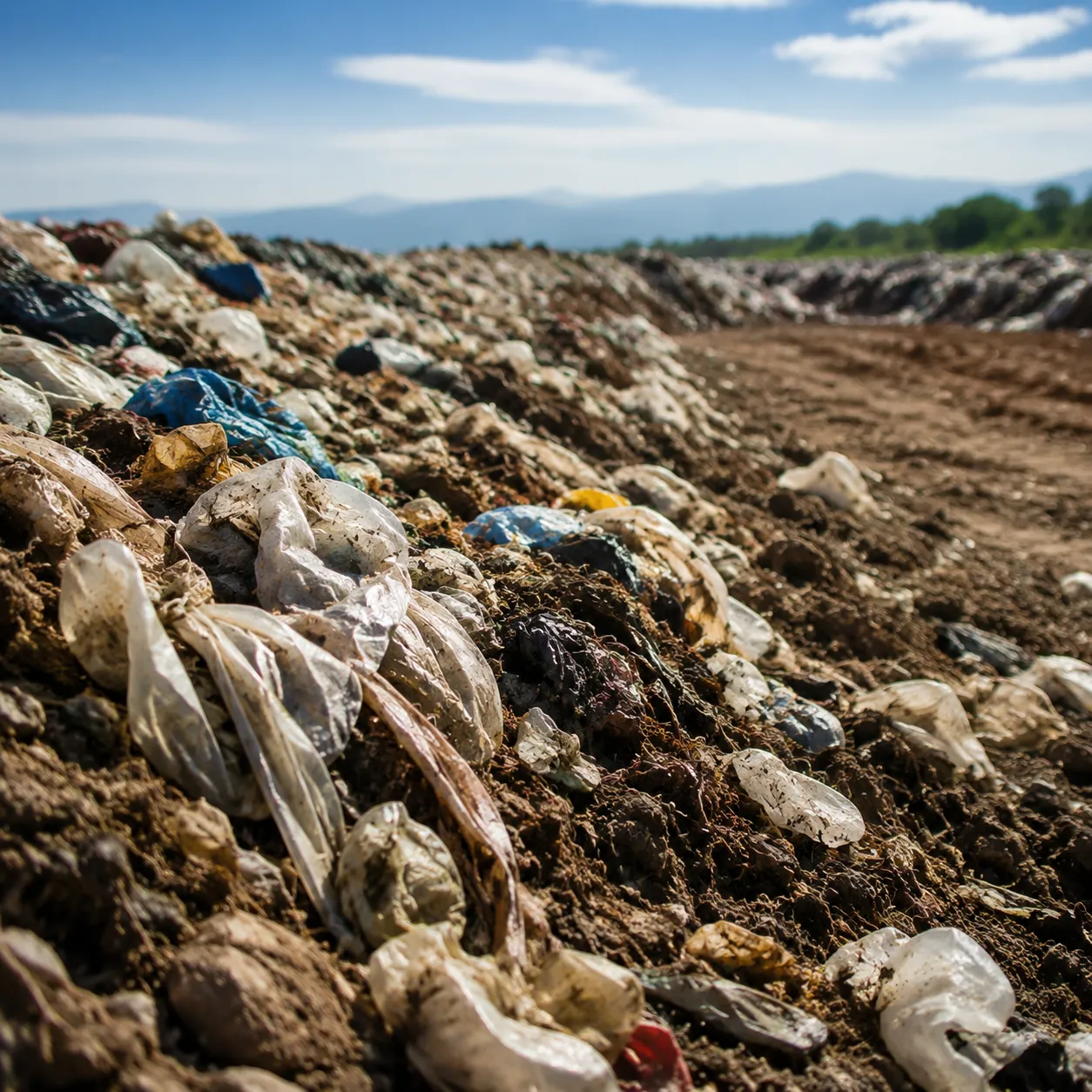
We cannot just think about what happens to a bag after it is thrown away. True sustainability requires smart engineering from the very start. As flexible packaging manufacturers, we design high-performance alternatives that protect your products while drastically reducing environmental impact.
Beyond End-of-Life: The Cradle-to-Gate Footprint
Focusing only on whether biodegradable bags decompose in a landfill misses half the story. The total environmental impact starts at raw material extraction. By switching to eco-friendly packaging materials, we significantly lower carbon emissions during production compared to traditional petroleum plastics. We reduce fossil fuel reliance right from the cradle, ensuring a smaller carbon footprint before the package even reaches the store shelf.
The Technical Breakdown of Sustainable Flexible Packaging
Eco-friendly garbage bags and product pouches cannot be flimsy. They must perform just like conventional plastic. We engineer our sustainable flexible packaging using a high-barrier multi-layer structure where every layer has a specific job:
| Packaging Layer | Material Type | Primary Function |
|---|---|---|
| Outer Protection | Print-stable bio-based polymers | Resists scuffs, handles high-quality printing, and provides structural integrity. |
| The Barrier Core | High-barrier plant-based PLA / Special paper | Blocks oxygen, moisture, and light to keep products fresh. |
| The Safe Seal | Compostable sealing layer | Melts perfectly at lower temperatures to create a strong, leak-proof bond. |
- Outer Protection: This skin layer protects the package from punctures and external wear while keeping branding sharp.
- The Barrier Core: Essential for items like coffee or snacks. A premium barrier core prevents oxygen transmission, which is the main culprit behind stale products.
- The Safe Seal: The innermost layer ensures high-speed sealing on automated packaging lines, preventing leaks without relying on toxic adhesives.
Closing the Loop: Sustainable Packaging Solutions for Growing Brands
Actionable Business Strategy
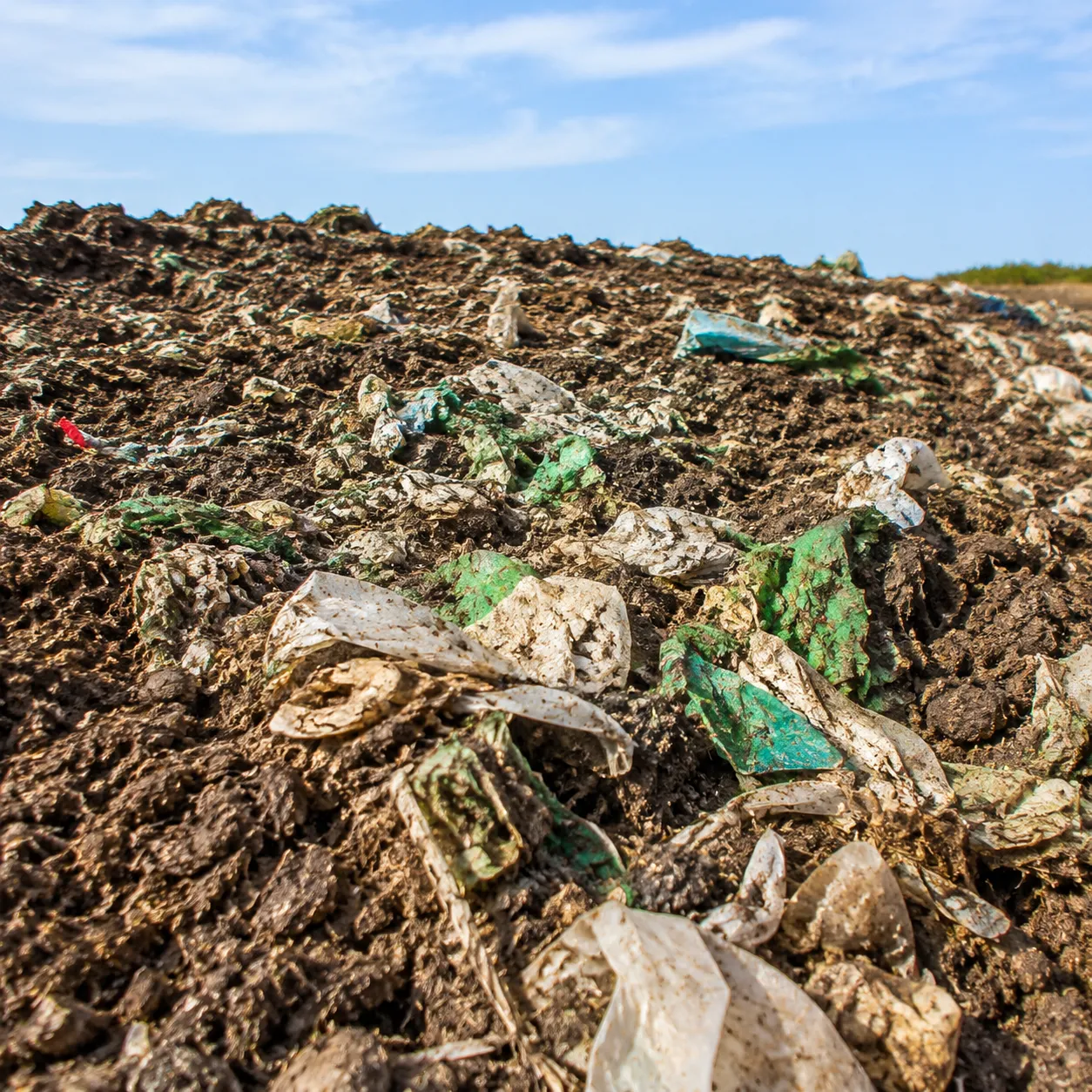
As a brand, switching to sustainable packaging requires a balance between environmental responsibility and commercial viability. Many companies ask: Do biodegradable bags decompose in landfill environments? The reality of waste infrastructure means we cannot rely on landfills for circularity. Instead, we focus on designing biodegradable bags and high-performance biodegradable pouches that minimize raw material use from the start while providing valid, certified end-of-life pathways.
Overcoming the Supply Chain Barrier
Transitioning away from traditional petroleum plastics often presents supply chain hurdles, from higher material costs to strict minimum order quantities (MOQs). We eliminate these friction points by streamlining our manufacturing efficiency. This ensures that switching to bio-based polymers or certified compostable materials does not compromise your operational margins or packaging durability.
Optimizing the Full Lifecycle
True sustainability requires looking at the entire flexible packaging lifecycle. We optimize every stage of production to ensure maximum efficiency:
- Carbon Footprint Reduction: Lowering energy consumption during the raw material extraction and manufacturing phases.
- Material Optimization: Using down-gauged, high-barrier films that deliver maximum protection with less total mass.
- Clear Disclosures: Providing honest, transparent labeling on all packaging to help consumers navigate proper disposal and prevent greenwashing.
FAQs About Biodegradable Bags in Landfills
Do bio-based garbage bags break down in regular trash?
No, bio-based garbage bags do not break down efficiently when thrown into regular trash. Regular trash is headed straight for standard landfills, which are tightly sealed environments. Even though these bags are made from plant-based polymers, they require specific environmental factors like moisture, high heat, and oxygen to degrade. Without these elements, bio-based options remain intact for decades, behaving almost identically to traditional petroleum plastics in standard waste streams.
How long do biodegradable bags take to decompose in landfills?
In a typical landfill, biodegradable bags can take anywhere from many decades to hundreds of years to decompose, if they ever do completely. Because modern landfills are engineered as containment systems rather than treatment centers, they lack the oxygen and microbial activity needed for breakdown. This severe lack of oxygen forces any minimal degradation that does occur into anaerobic decomposition, an incredibly slow process that actively yields harmful greenhouse gases instead of rich compost.
What happens to compostable trash bags if they end up in a landfill?
When certified compostable trash bags end up buried in a landfill, they fail to deliver their environmental benefits and instead contribute to the methane emissions problem. These bags are engineered exclusively for industrial composting facilities, where controlled heat and oxygen flip the switch on decomposition. In oxygen-starved environments like landfills, they lock up, or worse, they slowly mumble through anaerobic breakdown, releasing methane—a gas with a global warming potential far higher than carbon dioxide.