
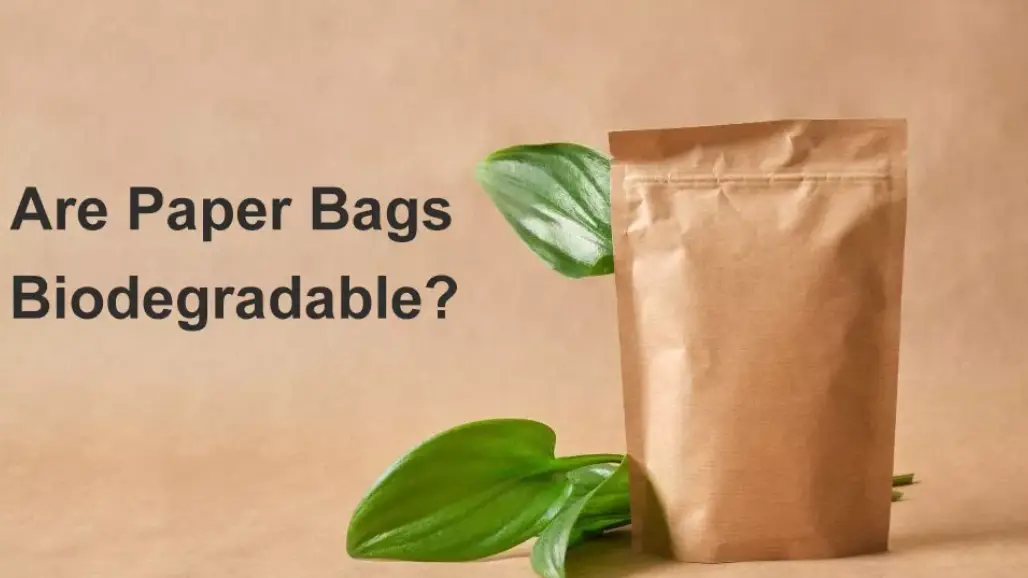
Paper packaging bags are often seen as a more eco-friendly alternative to conventional plastic packaging.
In many cases, that is true. Paper is fiber-based, and under the right conditions it can break down naturally over time. But when we talk about paper packaging bags for food, coffee, snacks, powders, or retail products, the answer is not always as simple as “yes.”
Many paper pouches are not made from paper alone. They may include barrier coatings, heat-seal layers, plastic films, or foil structures to improve shelf life and product protection. That means biodegradability depends on the full material structure, not just the outer paper look. This distinction matters because biodegradability, compostability, and recyclability are not the same thing.
Why the Material Structure Matters
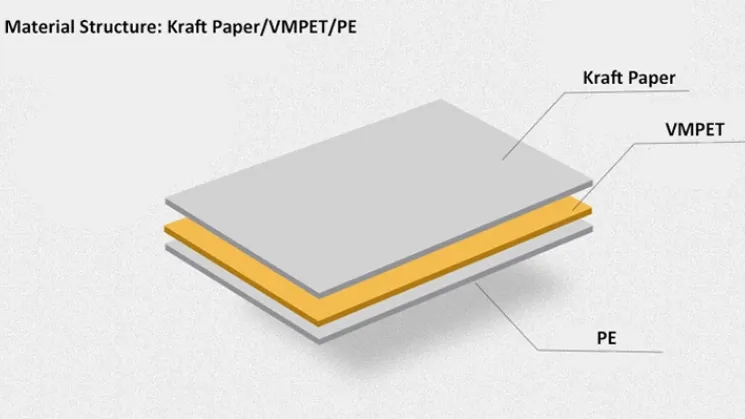
In flexible packaging, paper alone is often not enough. Food and consumer products usually need protection against moisture, air, grease, light, or leakage. To achieve that, manufacturers often combine paper with other materials. A paper pouch may include a sealant layer for closure, a barrier layer for freshness, or a functional coating for oil and water resistance. Industry guidance for fiber-based packaging notes that paper-based packaging often uses combinations of materials to deliver performance, and that the presence of non-paper components changes how the packaging should be recycled or processed.
That means two paper packaging bags can look almost identical but behave very differently at end of life. One may be mostly fiber and suitable for certain recovery routes. The other may be a laminated structure designed for maximum product protection, but less suitable for simple biodegradation claims. For this reason, brands should avoid using “paper” as shorthand for “fully biodegradable.”
Biodegradable Does Not Mean Compostable
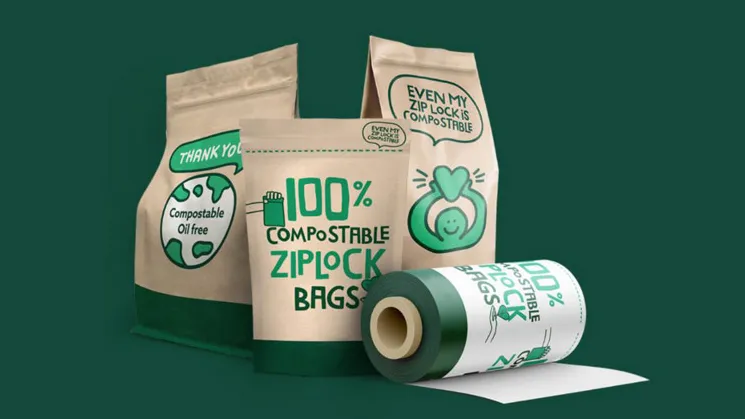
This is one of the biggest sources of confusion in eco-packaging marketing. Biodegradable means a material can break down through the action of microorganisms over time. Compostable is more specific. It means the material is designed to break down under composting conditions and meet recognized standards. Certification bodies such as BPI use ASTM-based testing frameworks for compostability, and BPI notes that different standards may apply depending on the material type and intended composting environment. BPI also distinguishes between commercial compostability and home compostability programs.
For paper packaging bags, this means a bag may be described as biodegradable in general conversation, but that does not automatically make it certified compostable. If your customer or market requires a compostable claim, the packaging should be validated against the relevant standard rather than relying on appearance or generic wording alone.
Are Paper Bags with Coatings or Laminations Still Biodegradable?
Often, not in the same straightforward way as uncoated paper. Many paper packaging bags use PE, PET, aluminum foil, or other added layers to improve shelf life and sealing performance. Some paper-based packaging can still enter specialized recycling systems, but composite structures require more careful evaluation because the non-paper constituents affect both recyclability and disposal outcomes. 4evergreen’s guidance for fiber-based packaging specifically notes that increasing non-paper constituents and integrated components must be considered, and that some formats need specialized recycling processes rather than conventional paper recovery.
From a packaging performance standpoint, these laminations are often necessary. Coffee, powder, snacks, dry food, and pet treats may all require a stronger barrier than plain paper can provide. So the real decision is usually a trade-off between environmental simplicity and product protection. If the product spoils quickly without a barrier, the environmental gain of a “simpler” bag can be lost through food waste or damaged goods.
Can Paper Packaging Bags Be Recycled?
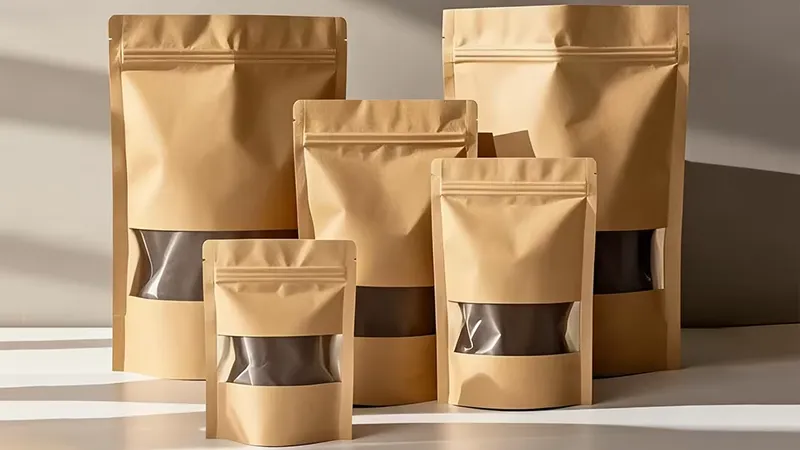
Sometimes yes, but it depends on the structure and local system. The U.S. EPA says that what is accepted in recycling varies by local provider, and items should not be placed in curbside recycling unless you know they are accepted. EPA also specifically notes that food or food-soiled paper should not go in recycling bins. That is especially relevant for packaging bags used for snacks, bakery items, or greasy foods.
For clean, mostly paper-based packaging, recycling may be possible in some systems. But once the bag includes plastic film, foil, strong barrier coatings, or food contamination, acceptance becomes less predictable. In other words, a paper packaging bag may be recyclable in theory, yet not practically recyclable in a consumer’s local collection stream. That is why packaging design should consider the destination market’s waste infrastructure, not just material labels.
How to Tell if a Paper Packaging Bag Is Truly Eco-Friendlier
The safest approach is to check the bag’s technical specification, not just the marketing headline. Ask these questions:
1. What is the full material structure?
Is it paper only, paper with coating, or paper laminated with plastic or foil? The answer determines how realistic biodegradability claims are.
2. Is there third-party certification?
If compostability is important, look for recognized certification rather than relying on generic “green” language. BPI’s certification system is one example of third-party validation for compostable packaging.
3. What product is the bag meant to pack?
Dry products may allow simpler paper-based structures. High-aroma, high-moisture, oxygen-sensitive, or grease-sensitive products usually need better barriers.
4. Where will the packaging be disposed of?
A bag that works in one recycling or composting system may not be accepted in another. Local infrastructure matters just as much as material selection.
When Paper Packaging Bags Make Sense
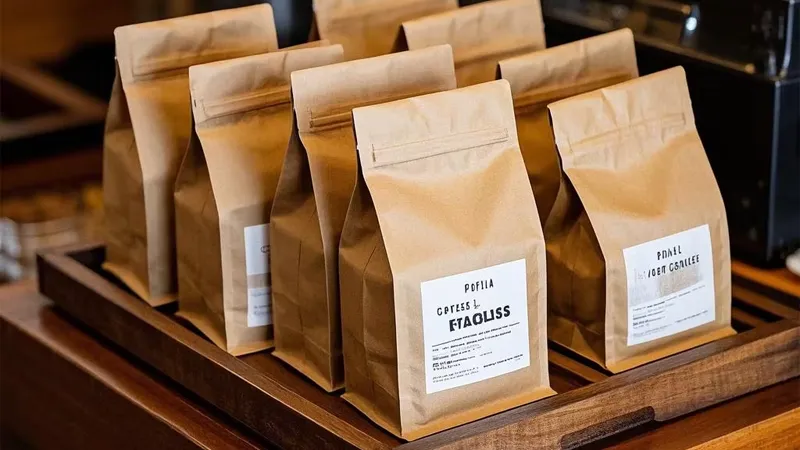
Paper packaging bags are a strong option when a brand wants a more natural appearance, reduced plastic feel, and a structure that aligns better with fiber-based packaging goals. They are especially attractive for products where shelf-life requirements are moderate and where a paper-forward look supports the brand story. For tea, bakery mixes, dry snacks, powders, and selected dry food products, paper-based packaging can be a practical choice when the right barrier design is selected. Industry guidance also recognizes that fiber-based packaging can be engineered in different ways to balance protection, recovery, and sustainability goals.
However, paper is not automatically the best choice for every application. If a product needs high oxygen barrier, strong moisture protection, or long export shelf life, a more complex structure may still be necessary. In that case, the honest and responsible approach is to describe the bag as paper-based packaging rather than overpromising full biodegradability.
Conclusion
So, are paper packaging bags biodegradable?
The answer is: some are, and some are not. Plain or mostly fiber-based paper bags have a better chance of biodegrading naturally, but many paper packaging pouches used in commercial packaging include coatings, sealant layers, or laminations that change that outcome. For brands, the key is to evaluate the full structure, intended product use, and end-of-life route before making claims. Biodegradable, compostable, and recyclable are related terms, but they are not interchangeable.
If you are sourcing paper packaging bags for your product line, the best solution is not the one that sounds the greenest. It is the one that balances product protection, material honesty, and realistic disposal options in your target market. That is how sustainable packaging decisions become credible, practical, and better for long-term brand trust.